





-
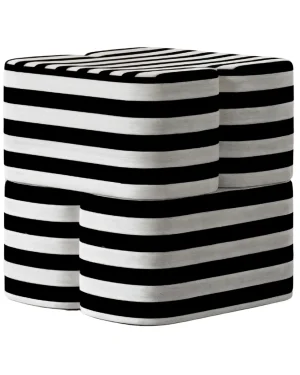
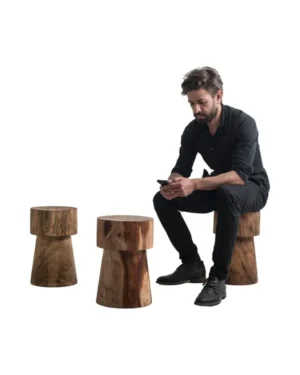
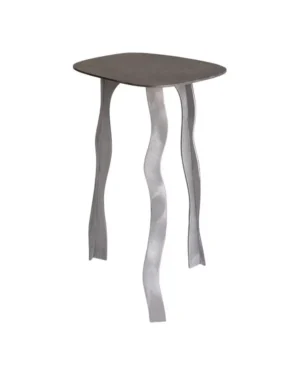
Ori Pouf
By hermhaus
€726 This product has multiple variants. The options may be chosen on the product page -

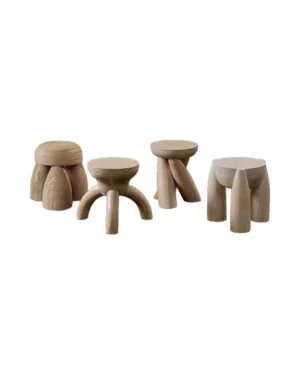
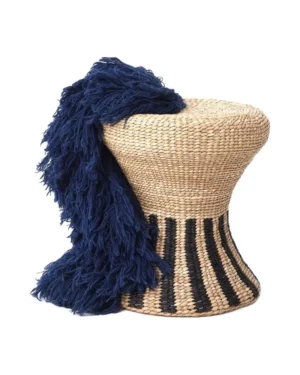
Bombs Pouf
By hermhaus
€1.060 - €1.140 This product has multiple variants. The options may be chosen on the product page -
 In stock
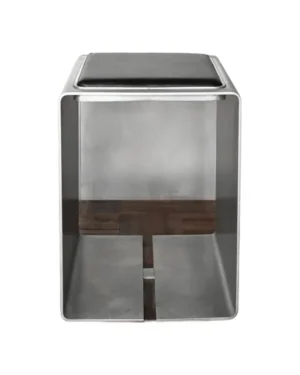
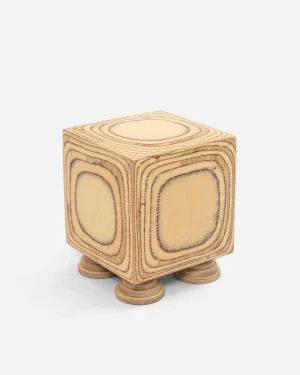
Boxy Stool No. 1
By Molor Tumen-Ulzii
€1.200 -

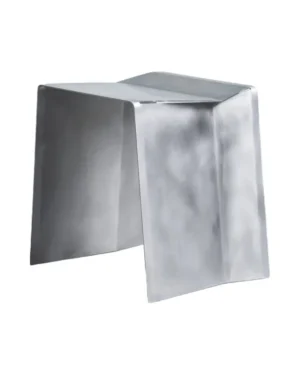
S001-10.2 Aluminum Stool
By NAVE
€500 -
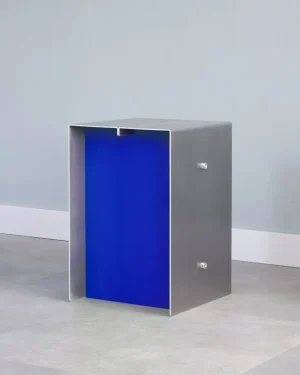
Core Aluminum Side Table / Stool
By Lisanne Meester
€399 This product has multiple variants. The options may be chosen on the product page -
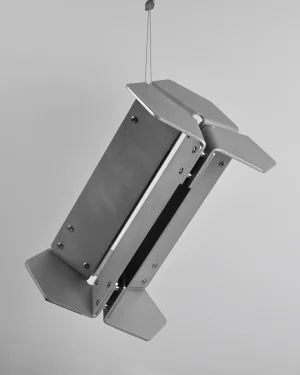
Trilateral 310 Stool – Matte Aluminium
By MLK Furniture
€550 -

Column No.1 – Low Stool
By Haritini Gritzali
€1.700 -
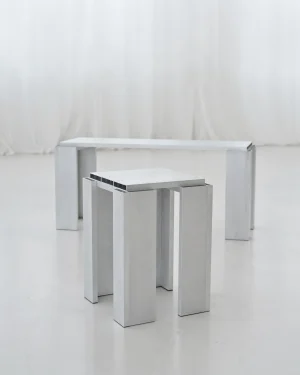
Al01 Aluminum Stool
By NOSTUDIO
€750 -

Ludovica – Stone Stool / Side Table
By Studio Ayres
€1.960 This product has multiple variants. The options may be chosen on the product page -
 In stock
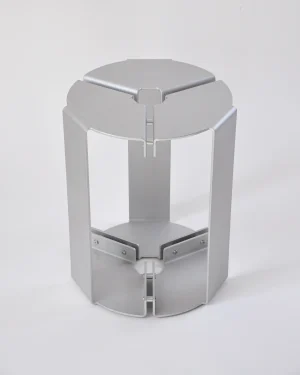
Rln 350 Stool – Matte Aluminium
By MLK Furniture
€550 -
 In stock
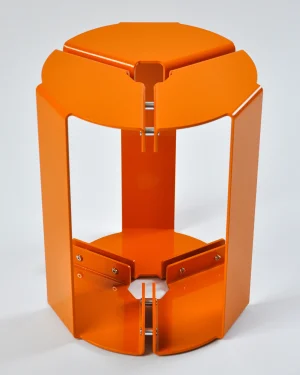
Rln 350 Stool – Orange Powder Coated
By MLK Furniture
€550 -
 In stock
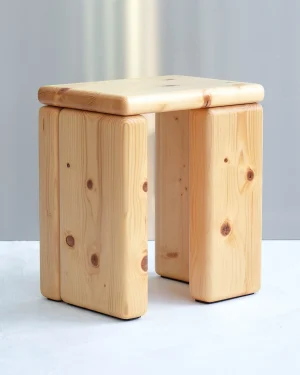
Timber – Pine Stool
By Studio Onno Adriaanse
€678 -
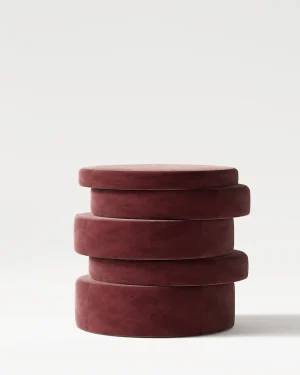
Ups Pouf
By hermhaus
€1.220 This product has multiple variants. The options may be chosen on the product page -

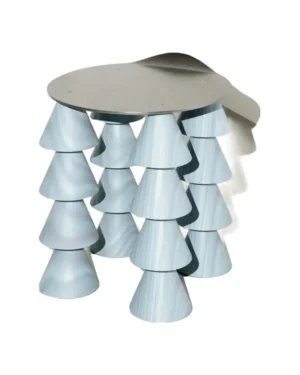
Cone Object 1 – Squared Stool/table
By Hanna Fastrich
€1.900 -
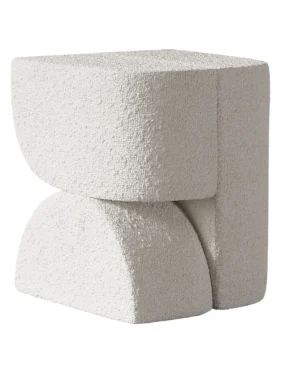
Face Pouf
By hermhaus
€1.220 This product has multiple variants. The options may be chosen on the product page -
 In stock
Blue Lagoon Stool
By LATESS
€2.000 -
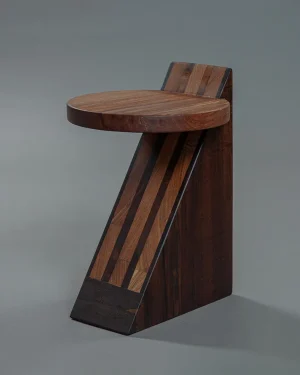
Inácio – Solid Wood Stool
By am.o atelier
€877 -
 In stock
Build Stool
By Lisanne Meester
€1.299 -
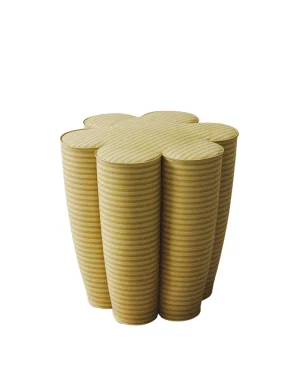
Flor Pouffe – “in Flow, Together”
By hermhaus
€1.420 This product has multiple variants. The options may be chosen on the product page -

Bleo Stool Ii
By Daniel Couttolenc
€2.030 -
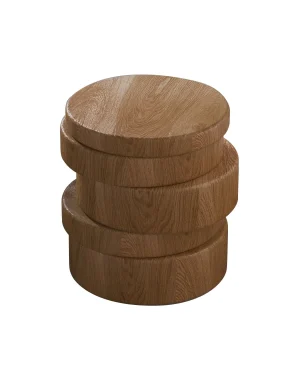
Ups Stool
By hermhaus
€3.714 -
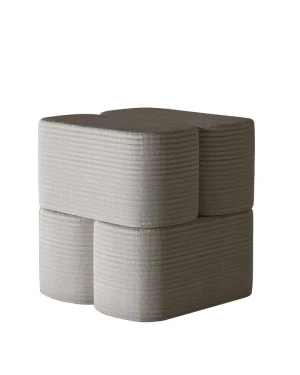
Ori Pouf – Striped Velvet
By hermhaus
€726 This product has multiple variants. The options may be chosen on the product page -
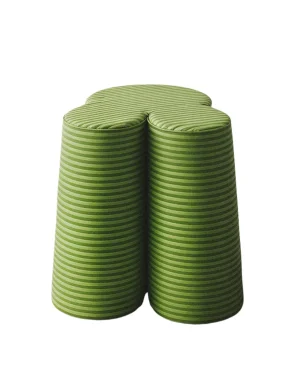
Blom Pouffe – “in Flow, Together”
By hermhaus
€1.245 This product has multiple variants. The options may be chosen on the product page -
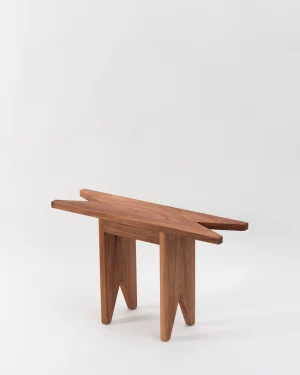
Arado Stool No. 3
By Estúdio Dentro
€550 -

Copablanca Black Oak Stool
By NO AGE STUDIO
€1.314 -
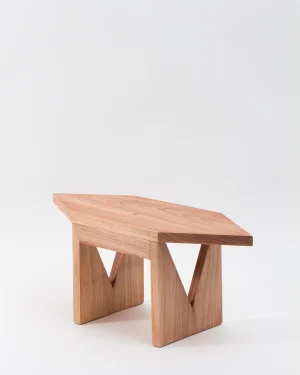
Arado Stool No. 1
By Estúdio Dentro
€537 -

Ludovica – Onyx Stool / Side Table / High Vibration Energy Amulet
By Studio Ayres
Price Upon Request This product has multiple variants. The options may be chosen on the product page
Geometrical stools are built around clear forms — cylinders, cones, cubes, wedges and other shapes with hard edges rather than soft curves. Studios working across aluminum, oak, maple, stainless steel and stone turn these shapes into seats, using welding, cabinetmaking, stone carving and hand-building to keep the lines exact. The result sits closer to sculpture than to ordinary seating, though it still carries weight the way any stool should.
What defines a geometrical stool
A geometrical stool reads as a shape first and a seat second. Studios strip away ornament and let the cut of the material do the work: a square-edged block of oak, a drum of spun aluminum, a cone of stacked stone. Lines stay crisp, joints stay visible, and the silhouette holds whether viewed from above or from across a room.
Because the form is so plain, surface and material carry most of the character. A matte black finish on metal reads as brutalist and architectural; pale maple or bleached oak reads closer to Scandinavian minimalism; ochre or red lacquer pushes the same shape toward Art Deco. Coastal and eclectic interiors tend to favor lighter woods and textiles, while stone and stainless steel suit a more austere, contemporary room.
Materials, finishes and techniques found here
The range changes as pieces sell and new work arrives, but it tends to draw on a consistent set of materials and methods:
- Wood species including oak and maple, worked through wood and cabinetmaking, left natural or finished in black, beige, brown or white
- Metals such as aluminum and stainless steel, shaped by metalwork into welded or cast forms, often in black, white or raw finish
- Stone, carved or hand-built rather than cast, with the weight and cool surface particular to the material
- Textile seats added through upholstery or weaving, softening an otherwise hard-edged frame
Editions vary by piece: some studios work in open editions, producing a steady run of the same geometrical form, while others make limited editions or unique, one-off stools where no two are identical. Where a piece is handmade, the brief for that stool will say so directly.
Choosing a geometrical stool for scale and placement
Start with height. A stool meant for a kitchen island or home bar needs to clear the counter by the usual seat-to-surface gap, while a lower stool suited to a living room or bedside spot sits closer to a side table's height. Measure the counter or table it will sit against before settling on a shape.
Scale matters more with geometrical forms than with rounded ones, since a cube or cylinder that is slightly too large reads as a plinth rather than a seat. Consider the footprint too: a wide conical base needs more floor clearance than a slim cylindrical one, even at the same seat height. For a browse across the full range of shapes within this category, the complete set of stools gives a useful sense of scale by comparison.
Where geometrical stools work
Their architectural quality makes them suited to rooms where a single strong object can anchor the space: an entryway, a reading corner, beside a bath, or pulled up to a kitchen island as extra seating. In a living room, a geometrical stool often works doubled as a side table, holding a tray or a stack of books between uses, and the living room stools gathered elsewhere on the site show more of that use. Paired in twos or threes, they read as a composition of shapes rather than a matched set.
Caring for wood, metal and stone stools
Oak and maple want a stable room, away from direct heat or damp, and benefit from an occasional wipe with a dry or barely damp cloth; wax or oil finishes can be refreshed over time as the wood dulls. Metal stools in aluminum or stainless steel resist moisture well but show fingerprints and scuffs on matte black finishes, so a soft cloth is enough for regular care. Stone is porous enough to stain from liquids left standing, so it is worth blotting spills quickly and avoiding placing wet glasses directly on an unsealed surface.
For stools built from a single material throughout, the wooden stools and metal stools pages break the range down by material, which is useful if upkeep is a deciding factor. To see geometrical shapes applied beyond stools, the wider set of geometrical pieces across furniture and lighting follows the same logic of clean lines and visible construction.
How do I choose a geometrical stool?
Start with the shape that fits the room's lines, then the material: wood and stone carry warmth, metal and aluminum read sharper. Height matters too, so measure the counter or bar before deciding.
What materials are geometrical stools made from?
Most are worked in aluminum, oak or maple wood, stainless steel, or stone, shaped through metalwork, wood and cabinetmaking, sculpting or stone carving. Each material carries its own weight, grain and finish.
How do I care for a geometrical stool?
Wood stools benefit from occasional oiling and should stay away from direct heat; metal and stainless steel need only a dry cloth. Stone can stain, so wipe spills quickly and avoid acidic cleaners.
What height stool should I get for a counter or bar?
Counter height generally calls for a 24 to 26 inch seat, bar height for 28 to 30 inches. Checking the exact seat height on the piece's page avoids surprises on arrival.
Which rooms suit geometrical stools?
Their defined lines work well at kitchen islands, home bars and dining counters, and equally as sculptural extra seating in a living room or entryway. Many stand alone as objects even when not in use.
What are ADORNO's shipping and return policies?
Shipping is insured and worldwide. Returns are accepted within 14 days, except for made-to-order pieces, and every piece arrives with a certificate of authenticity.