





-

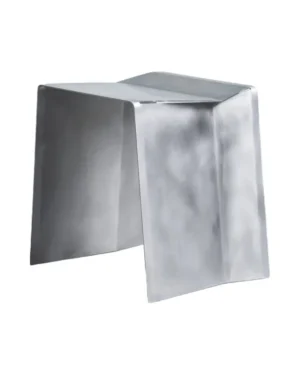
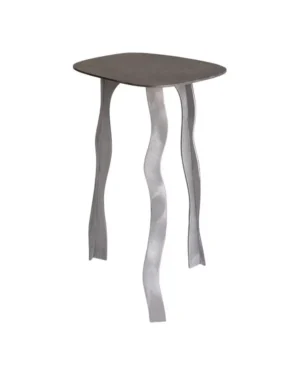
S001-10.2 Aluminum Stool
By NAVE
€500 -

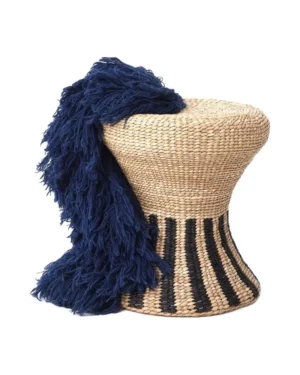
Succession stool
By FARG & BLANCHE
€4.500 -
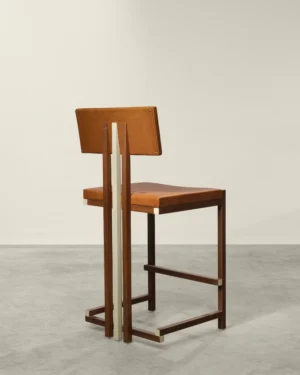 In stock
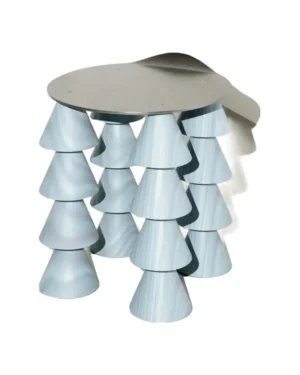
Amigo Bar Stool
By Fi
€1.450 -
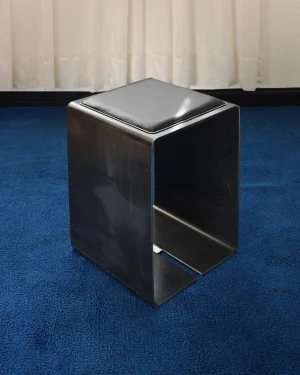
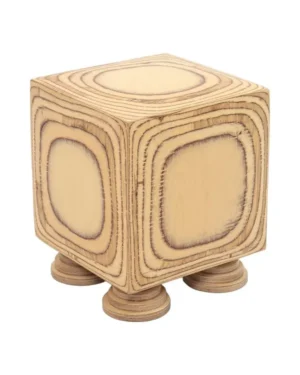
S001-10 Raw Steel Stool
By NAVE
€450 -
 In stock
Cowgirl Oxidized Bar Stool
By Toro Manifesto
€3.505 -
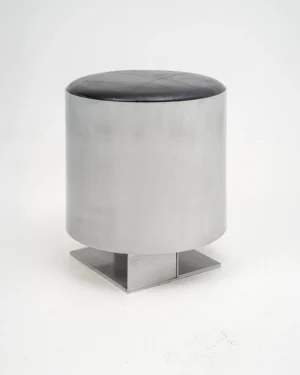
Strut Aluminum Handcrafted Pouf With Genuine Leather Seating
By Yet Design Studio
€1.250 This product has multiple variants. The options may be chosen on the product page -
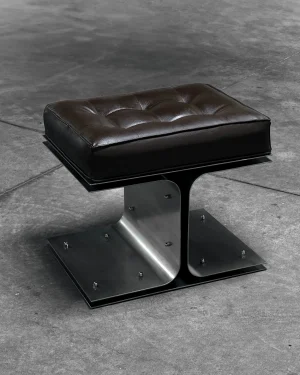 In stock
Wrp-001 Stainless Steel And Vegan Leather Ottoman / Stool
By NAVE
€1.990 -
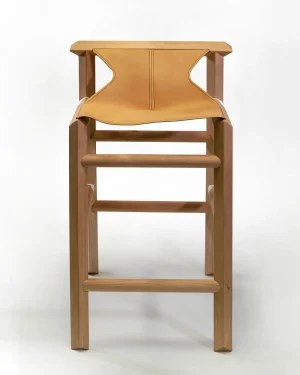
1903 – Cognac Leather And Wood Barstool
By espina corona
€890 -
 In stock
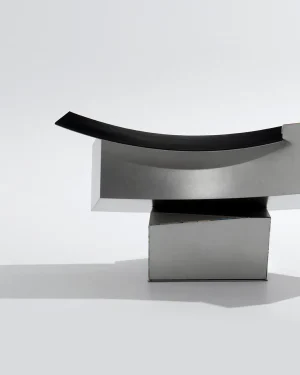
Objects Of Function No.2403 – Stainless Steel Stool
By Park Eunchong Studio
€3.300 -

Dank Pouf
By hermhaus
€3.170 -
 In stock
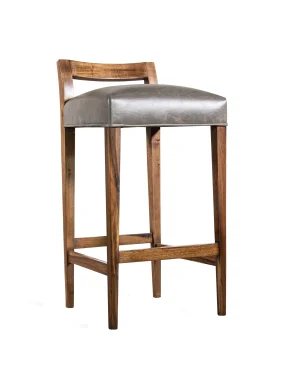
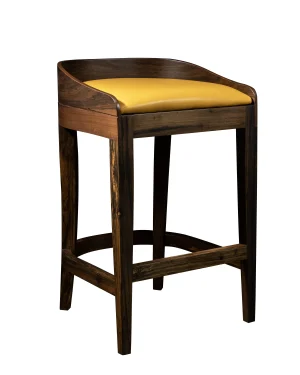
Umberto – Exotic Wood Contemporary Low Back Stool
By Costantini Design
€1.640 - €1.680 This product has multiple variants. The options may be chosen on the product page -
 In stock
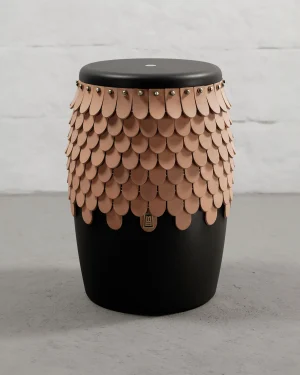
Sitiera_01 Solid Wood Stool, With Thick Leather Accents, Aged Bronze
By ANDEAN
€2.495 - €3.743 This product has multiple variants. The options may be chosen on the product page -

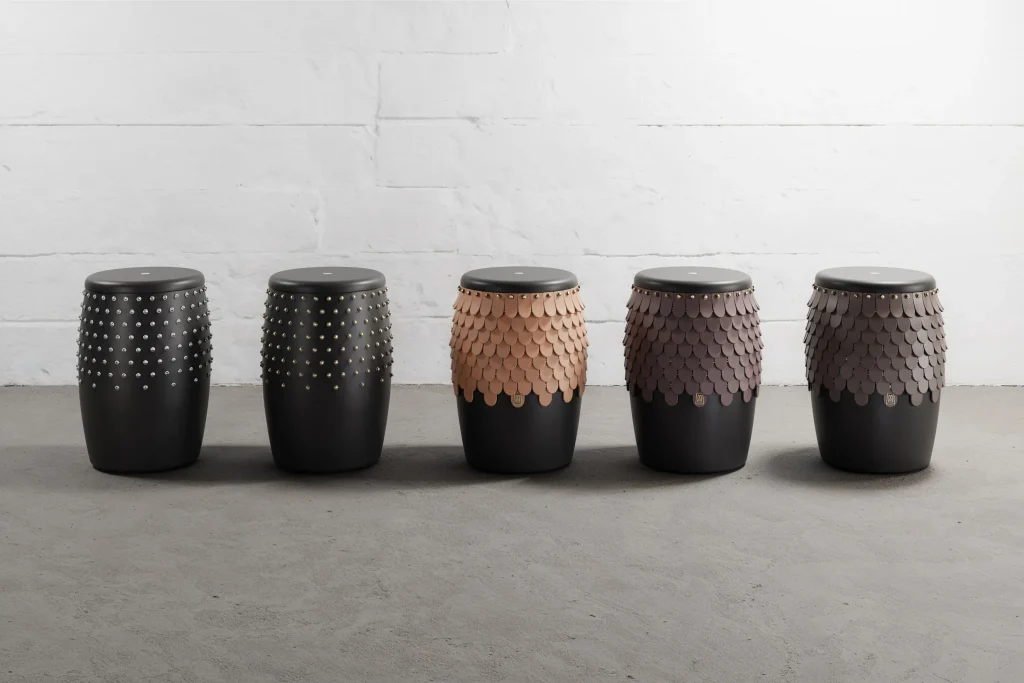
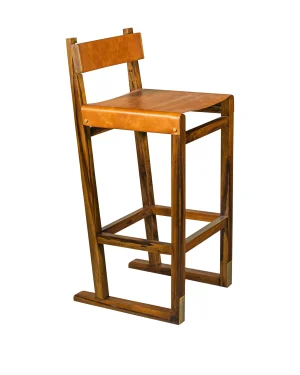
Maskara Stool With Leather Seat
By Brett Paulin
€2.797 -
 In stock
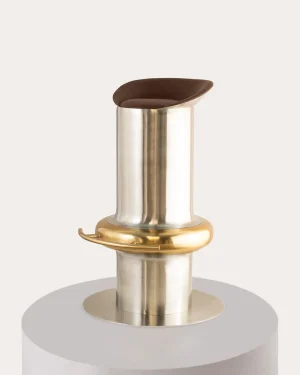
Piero – Wood Counter Stool With Slung Leather Seat And Bronze
By Costantini Design
€1.500 -
Bambu Barstool
By Nama Home
€3.435 -

Kros Pouf
By hermhaus
€1.510 -

Mat Pouf
By hermhaus
€3.250 -
 In stock
Pia – Contemporary Wood Stool With Wrapped Leather
By Costantini Design
€1.900 -

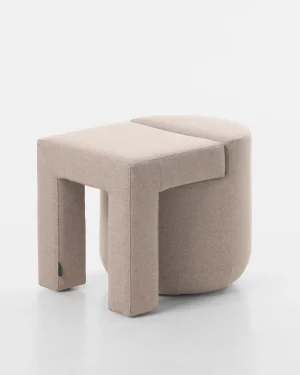
Khwarizmi Stool With Leather Cushions And Walnut Frame
By Brett Paulin
€3.059 This product has multiple variants. The options may be chosen on the product page -
 In stock
Fossil Pouf
By oitoproducts
€1.152 -
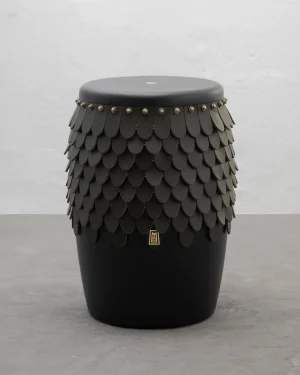
Sitiera_01 Solid Wood Stool, With Olivo Thick Leather Accents, And Aged Bronze
By ANDEAN
€2.495
Leather stools pair a hide seat with a frame in wood, steel or aluminum, built by studios working across leatherwork, metalwork and cabinetmaking. The hide itself ranges from smooth aniline leather to waxed or pull-up finishes, each one taking on color and sheen at a different pace. Some stools arrive as open editions, others as limited runs or one-off pieces where the upholstery is set and trimmed by hand.
What defines leather in a stool
Leather stretches slightly under weight, then holds its shape, which is why a seat pad feels firmer after the first months of use. It takes color unevenly over years, lightening at the edges and darkening where hands and legs make contact, a patina that reads as history rather than wear. Full-grain hides resist punctures and heat better than corrected or bonded leather, and that difference shows up in how long a seat keeps its surface.
The range found in leather stools
Color runs from black, brown and cognac through off-white, beige and dark green, with bronze and white sometimes set against a metal or wood base. Styles span modern, minimalist and mid-century modern through to brutalist and neo-industrial readings, where a thick saddle leather sits on a blunt steel or bronze frame. Technique separates the pieces as much as color does:
- Leatherwork and upholstery, for seats that are cut, stitched and stretched over a shaped form
- Tufting, which buttons the hide down at intervals for a quilted surface
- Wood and cabinetmaking or metalwork, for the legs, frame and footrest
- Patination, used on bronze or steel bases to set a fixed, non-reactive finish
For a wider view of hide seating beyond stools, leather seating and leather chairs cover the same material across different forms, while every leather piece on ADORNO spans the full catalog.
How to choose a leather stool
Start with height: counter stools generally sit lower than bar stools, and the gap between seat and counter or bar top should allow a knee to clear comfortably. Scale matters next, a wide hide seat reads heavier in a small kitchen than a narrow one on slim metal legs. Match the finish to the room's other surfaces, a matte waxed leather sits easier near raw wood or stone, while a smoother aniline hide picks up more light near polished metal or glass.
Where leather stools work in a room
Kitchen islands and home bars are the most common placement, where the seat needs to withstand daily contact without staining or cracking. In a living room, a leather stool doubles as extra seating or a low side table, and pairs easily with upholstered sofas or wood furniture already in the space. For softer, lounge-adjacent settings, living room stools cover a broader set of forms suited to that use, and stools across every material show how leather compares to wood or metal options.
Caring for leather seating
Keep leather stools out of direct, sustained sunlight, which dries and fades hide faster than ambient light. Wipe spills immediately with a dry or barely damp cloth, since standing liquid can mark unsealed leather permanently. A leather conditioner applied every few months keeps the surface supple and slows the formation of deep cracks, particularly on stools that see daily use.
How do I choose a leather stool?
Match the frame to the room, wood or aluminum for a lighter look, steel or bronze for a heavier one, then pick a hide finish, aniline for a soft patina or waxed and pull-up for more resistance to daily use.
How do I care for a leather stool?
Wipe with a dry or slightly damp cloth, keep it away from direct heat and sun, and condition full-grain leather occasionally to stop it drying out. Expect color to shift and the seat to firm up as the hide takes on wear.
What height stool do I need for a kitchen island or bar?
Counter-height stools generally run 24 to 26 inches to the seat, bar-height ones 28 to 30 inches; check the counter or bar height first, then confirm exact dimensions with the maker on the piece's page.
Which rooms suit a leather stool?
Kitchen islands, home bars, and living rooms all take a leather stool well, since the hide seat reads as furniture rather than purely functional seating and holds up to daily contact.
Are leather stools made to order or available as one-offs?
Some are open editions, others are limited runs or unique pieces where the upholstery is cut and trimmed by hand; the maker can confirm the edition and any custom options on the piece's page.
What are ADORNO's shipping, returns, and authenticity terms?
Shipping is insured and worldwide, returns are accepted within 14 days except on made-to-order pieces, each piece comes with a certificate of authenticity, and ADORNO offers a lowest-price guarantee.