




-

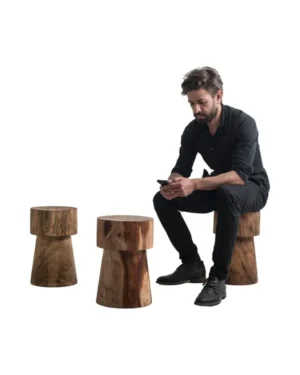
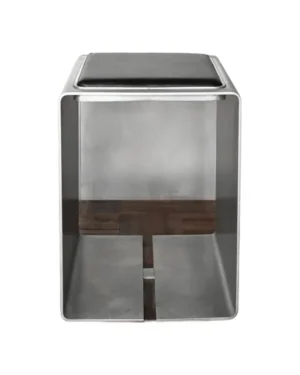
“Potro” Stool
By piedrafuego
€270 -

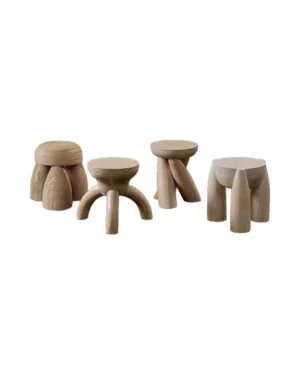
Elements Set (fire, Earth, Water And Air)
By Daniel Couttolenc
€6.150 -
 In stock
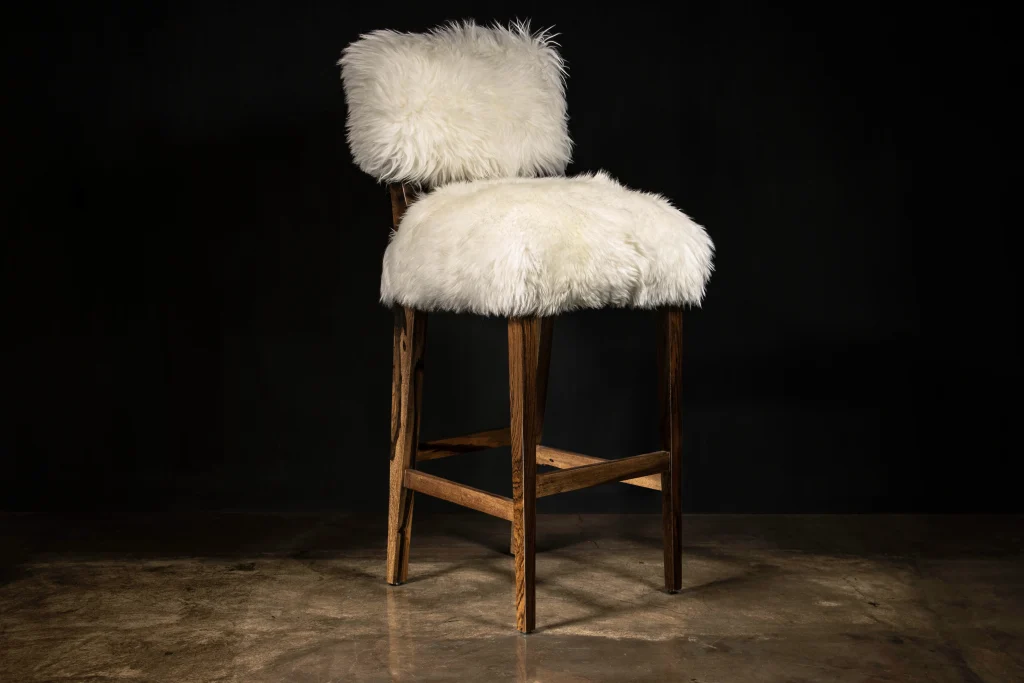
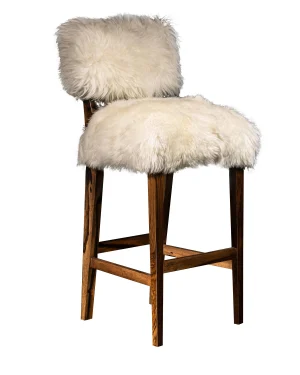
Bruno – Modern Bar Stool In Argentine Solid Wood
By Costantini Design
€1.980 This product has multiple variants. The options may be chosen on the product page -
 In stock
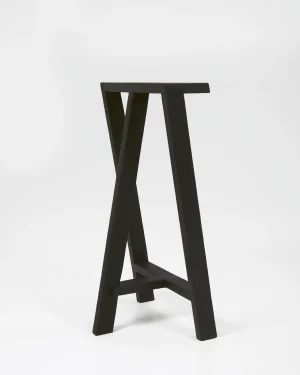
Pausa – Minimalistic Wooden Bar Stool
By Pierre-Emmanuel Vandeputte
€179 - €319 This product has multiple variants. The options may be chosen on the product page -
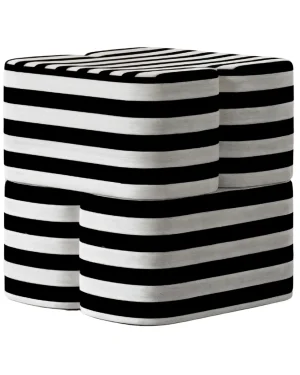
Ori Pouf
By hermhaus
€726 This product has multiple variants. The options may be chosen on the product page -

Bombs Pouf
By hermhaus
€1.060 - €1.140 This product has multiple variants. The options may be chosen on the product page -
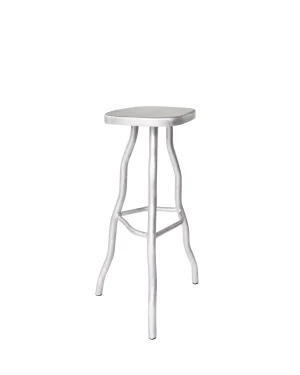
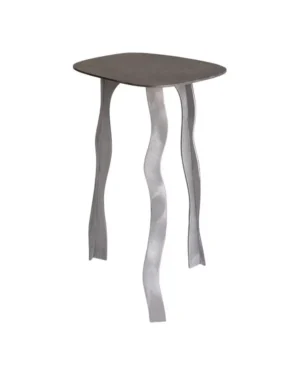
Aluminum Squiggle Bar Stool
By Six Dots Design
€595 -
 In stock
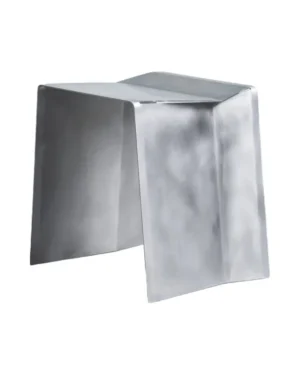
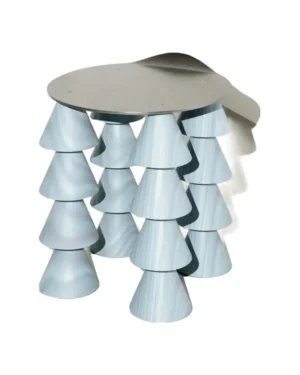
Pressure Stool in Aluminum
By TIM TEVEN
€484 -

Broken Wing Stool
By Obscure Objects
€290 -

Bd15 Stool
By EQUILIBRI-FURNITURE
€300 -
 In stock
Stool No:01
By Od Studio
€1.800 -
 In stock
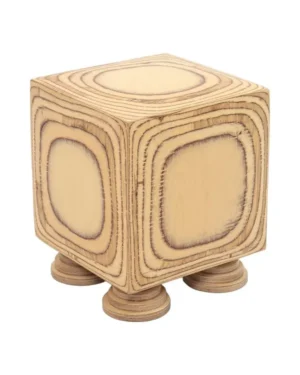
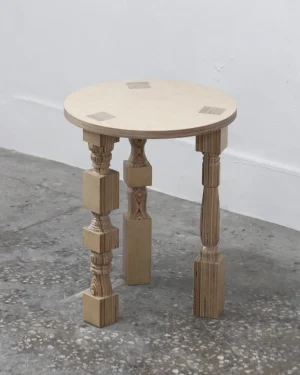
Ply Stool – Birch Plywood
By STUDIO KIMBYUNGSUB
€850 -

S001-10.2 Aluminum Stool
By NAVE
€500 -
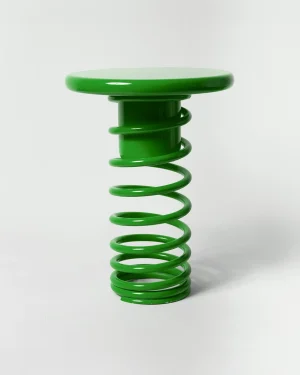
Twist Stool
By Yet Design Studio
€1.200 This product has multiple variants. The options may be chosen on the product page -
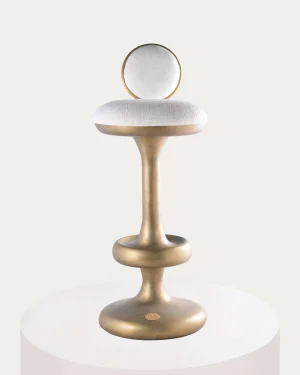
Atom Barstool
By Nama Home
€3.300 -
 In stock
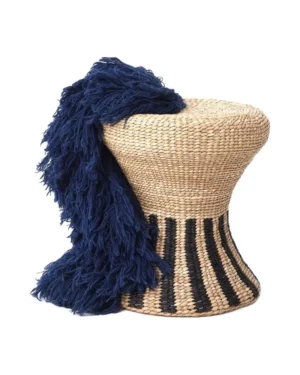
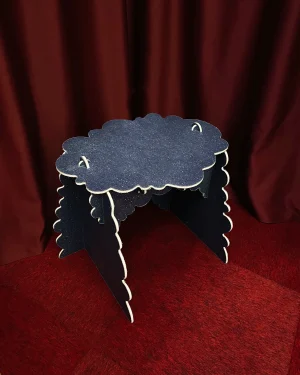
Really Rococo Blue Stool
By Studio Ebba Lindgren
€1.040 -
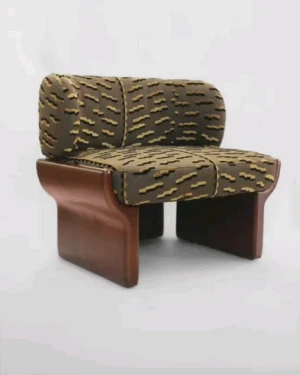
Lucky Armchair Tiger Mountain
By Alter Ego Studio
€5.220 -
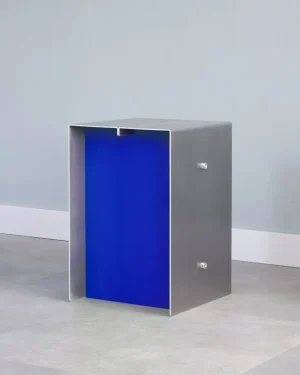
Core Aluminum Side Table / Stool
By Lisanne Meester
€399 This product has multiple variants. The options may be chosen on the product page -

Trama – Stool in Cast Aluminum
By Joana Teixeira
€1.680 - €1.980 This product has multiple variants. The options may be chosen on the product page -

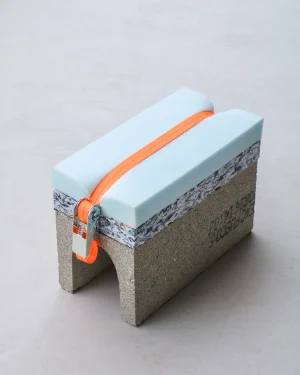
Cassette – Upholstered Bar Chair
By Alter Ego Studio
€2.880 -
 In stock
Le Rebond / Low Stool // Reimagined Textile
By FabBRICK
€672 -
 In stock
Wrp-003 Stainless Steel / Cowhide Stool
By NAVE
€1.200 -
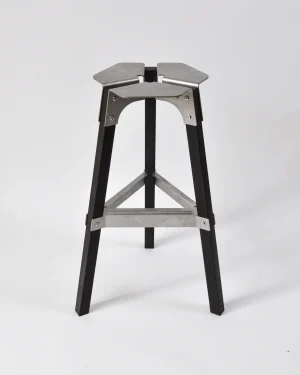
Trinity300 High Stool – Matte Stainless Steel & Ebonized Oak Wood
By MLK Furniture
€1.290 -
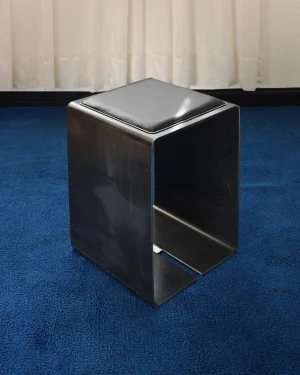
S001-10 Raw Steel Stool
By NAVE
€450 -
 In stock
Valentina Low Stool
By Heaps & Woods
€1.344 -
 In stock
Bruna Low Stool
By Heaps & Woods
€1.344 -

Fret Silver Steel Metal & Brown Genuine Leather Stool
By Triqis
€840 -
 In stock
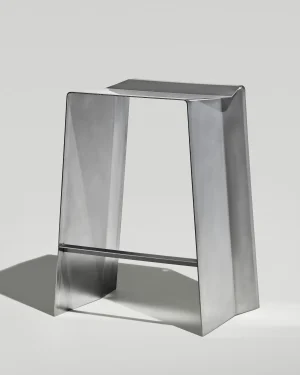
Camber – Bar Stool
By Paul Coenen
€685 -
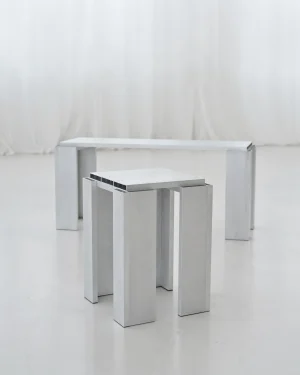
Al01 Aluminum Stool
By NOSTUDIO
€750 -
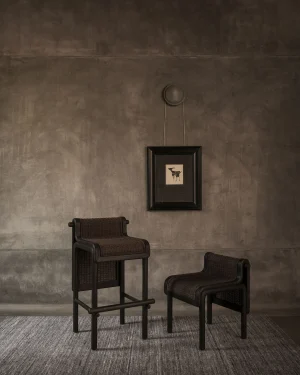
Rahi Stools
By Project 810
€1.200 - €1.500 This product has multiple variants. The options may be chosen on the product page -
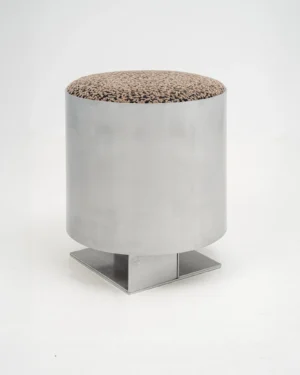
Strut Aluminum Handcrafted Pouf With Fabric Seating
By Yet Design Studio
€1.250 This product has multiple variants. The options may be chosen on the product page -

Windows of Bo Bardi – Butter
By Linde Freya Tangelder
€1.300 -

Junco Stool
By Daniel Couttolenc
€1.500 This product has multiple variants. The options may be chosen on the product page -
 In stock
Nala Stool
By Heaps & Woods
€1.343 -
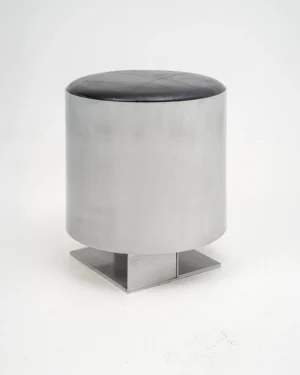
Strut Aluminum Handcrafted Pouf With Genuine Leather Seating
By Yet Design Studio
€1.250 This product has multiple variants. The options may be chosen on the product page -
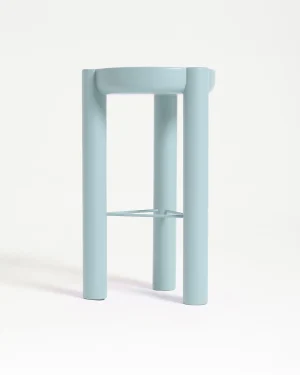
Pillar Bar Stool 3 Legged Wood
By Yet Design Studio
€830 This product has multiple variants. The options may be chosen on the product page -

Slide Stool / Chair
By Ziroru Studio
€1.360 -
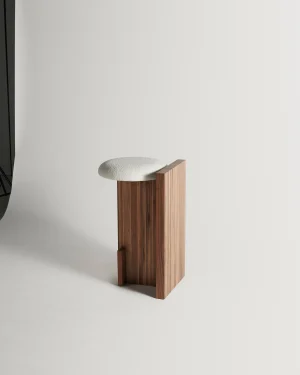
Arquivo Counter Stool
By Rosana Sousa
€2.005 -
 In stock
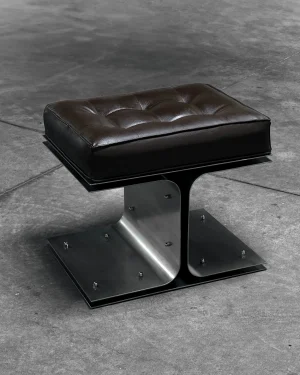
Wrp-001 Stainless Steel And Vegan Leather Ottoman / Stool
By NAVE
€1.990 -
 In stock
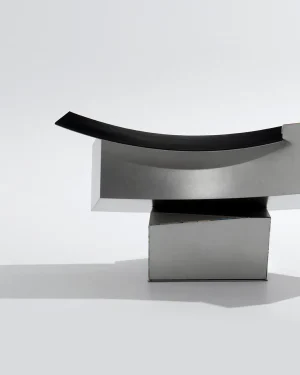
Heimatlos Stool
By em ef studio
€700 -
 In stock
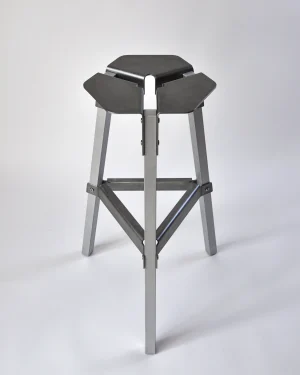
Objects Of Function No.2403 – Stainless Steel Stool
By Park Eunchong Studio
€3.300 -
 In stock
Trinity300 High Stool – Matte Stainless Steel & Aluminium
By MLK Furniture
€1.390 -
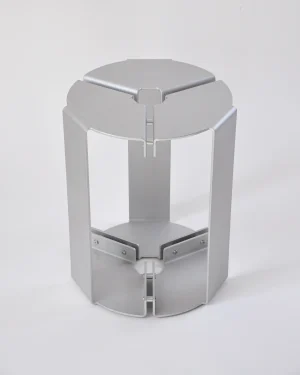 In stock
Rln 350 Stool – Matte Aluminium
By MLK Furniture
€550 -
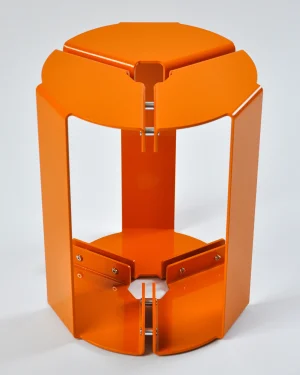 In stock
Rln 350 Stool – Orange Powder Coated
By MLK Furniture
€550 -
 In stock
Bd15 Stool
By EQUILIBRI-FURNITURE
€300 -
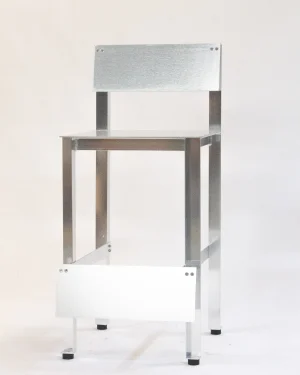 In stock
Canto – Tall Aluminum Stool
By Luiz Solano
€1.000 -

Dank Pouf
By hermhaus
€3.170 -
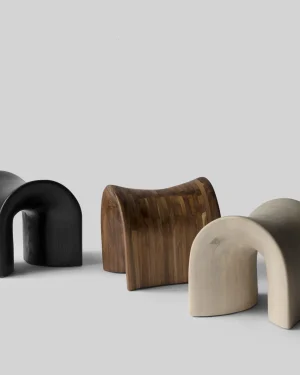
Toro – Modern Minimalist Wooden Stool
By Daniel Couttolenc
€2.850 This product has multiple variants. The options may be chosen on the product page -
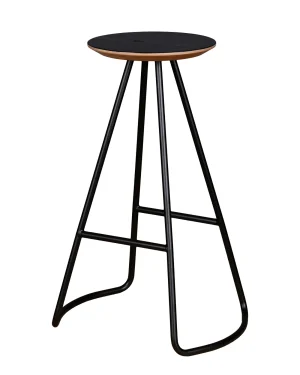
Sama – Contemporary Bar Stool
By Studio Kali
€640 This product has multiple variants. The options may be chosen on the product page -
 In stock
Shift Stool – Ash – Light Purple
By Studio Yann Gandon
€550 -
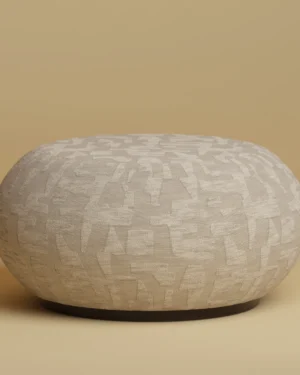
Wooden Stool Pouf – Kuna Series In Smoked Oak
By Lebanto
€3.700 -
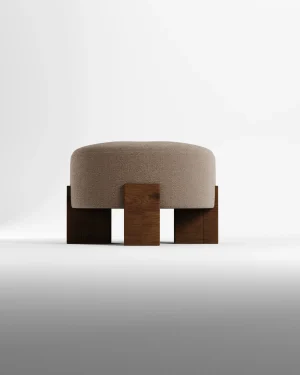
Cassette – Upholstered Stool
By Alter Ego Studio
€2.460 -
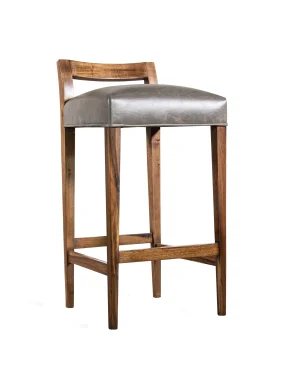 In stock
Umberto – Exotic Wood Contemporary Low Back Stool
By Costantini Design
€1.640 - €1.680 This product has multiple variants. The options may be chosen on the product page -
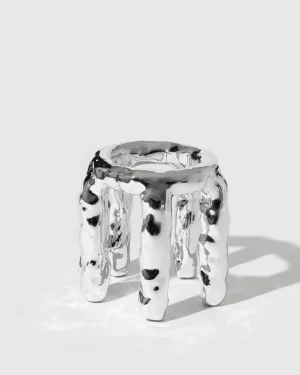
Crest And Trough Series – Chrome Stool / Side Table
By Dongwook Choi
€2.600
Modern stools pare seating down to its working parts: a seat, a base, and the joints that hold them together, made visible rather than hidden. Studios working in aluminum, oak and maple, stainless steel, leather and textile build these pieces around clean lines and a clear line of sight to how each stool is put together. The result favors geometry and proportion over ornament, with metalwork, wood carving, woodturning and upholstery each leaving their own mark on the surface.
What makes a stool read as modern
A modern stool keeps its silhouette tight: straight or gently tapered legs, a seat with no excess overhang, and a base that states its material plainly instead of disguising it. Aluminum and stainless steel versions tend toward slim, welded or turned frames that stay cool and light to move. Oak and maple pieces show the grain openly, sometimes finished pale, sometimes darkened through charring, or Shou Sugi Ban, which chars the surface to a matte black and seals it against daily wear.
Color stays restrained in this group. Beige, off-white, ivory and white keep a stool quiet against a room; black, brown and ochre give it more presence without tipping into decoration. Black and white combinations usually come from mixed materials, a metal frame against a pale wood or textile seat, rather than from paint.
The range of materials, finishes and editions
On ADORNO, modern stools appear across a handful of recurring approaches rather than one fixed look:
- Metal frames in aluminum or stainless steel, welded or bent, often left raw or lightly brushed.
- Solid oak or maple, shaped by cabinetmaking or woodturning, sometimes charred for a deeper tone and tougher surface.
- Upholstered or woven seats in leather or textile, set onto wood or metal legs for contrast.
- Open editions for everyday use, alongside limited editions and unique pieces where a studio works in smaller runs or one-offs.
Styles overlap within the group: a minimalist stool and a brutalist one can share the same material but differ entirely in how heavy or pared-back that material is allowed to look. Anyone who wants a fuller view of the surrounding styles can look through the full range of Modern pieces on ADORNO, or narrow by finish through the metal stools and wooden stools on their own.
Choosing scale, height and finish
Start with height before finish. Counter-height stools generally sit around 24 to 26 inches to the seat, bar-height around 28 to 30 inches; check the counter or island height first, then look for a stool that leaves seven to ten inches of clearance underneath. A backless or low-back seat suits a kitchen island where people move in and out quickly; a stool with some back support earns its keep at a home bar or a desk used for longer stretches.
Finish should answer to the room's other surfaces. A pale oak or maple stool softens a kitchen built from stone and steel; a charred or stainless frame holds its own against concrete, brick or dark cabinetry. Where several stools sit together, matching the base material keeps a run of seating calm, while mixing seat materials, leather against wood, textile against metal, adds variation without disrupting the line.
Where these stools work
Kitchens and home bars remain the most direct fit, but modern stools move easily into other rooms. A pair at a console or low shelf adds flexible seating without the bulk of a chair, and a single stool beside a reading chair or in an entryway works as a stand-in table or extra perch. For a broader set of seating options in the same register, the stools category and living room stools cover pieces built for softer, slower use.
Living with metal, wood, leather and textile
Aluminum and stainless steel ask for little beyond a wipe with a damp cloth; stainless will show fingerprints before it shows wear. Oak and maple benefit from a stable room, away from direct heat or damp, and an occasional pass of oil or wax if the wood was left unsealed. Charred wood needs almost no upkeep, since the burned layer already resists moisture and insects. Leather seats soften and darken slightly with use and should be kept out of direct sun, while woven textile seats take a light vacuum or brush to keep dust from settling into the weave.
How do I choose a modern stool?
Match the material to the room's wear and the base to its use, wood and metal suit daily seating, while leather or textile upholstery adds comfort for longer sitting.
What materials are modern stools made from?
Aluminum, stainless steel and oak or maple wood are common, often paired with leather or textile upholstery, each shaped through metalwork, woodturning or cabinetmaking.
How do I care for a wood or metal stool?
Wipe wood with a dry cloth and keep it from direct heat or moisture, metal and stainless steel need only occasional cleaning to resist marks and keep their finish.
What height stool do I need for a counter or bar?
Counter height generally suits 36-inch counters and bar height suits 42-inch bars, so check the piece's listed dimensions or chat with the maker to confirm fit.
Where do modern stools work best in a home?
They anchor kitchen islands, home bars and entryways, and double as extra seating or side tables in a living room when space runs short.
What are ADORNO's shipping, returns and authenticity policies?
Shipping is insured and worldwide, returns are accepted within 14 days excluding made-to-order pieces, and each stool arrives with a certificate of authenticity.