




-

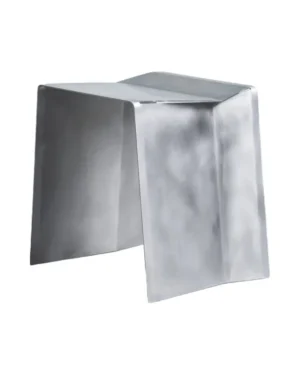
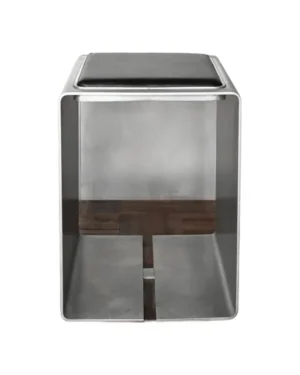
Contemporary Stool 02
By Six Dots Design
€360 -

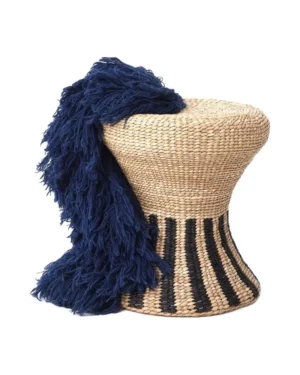
“Tori” Stool
By Ries Studio
€3.200 -
 In stock
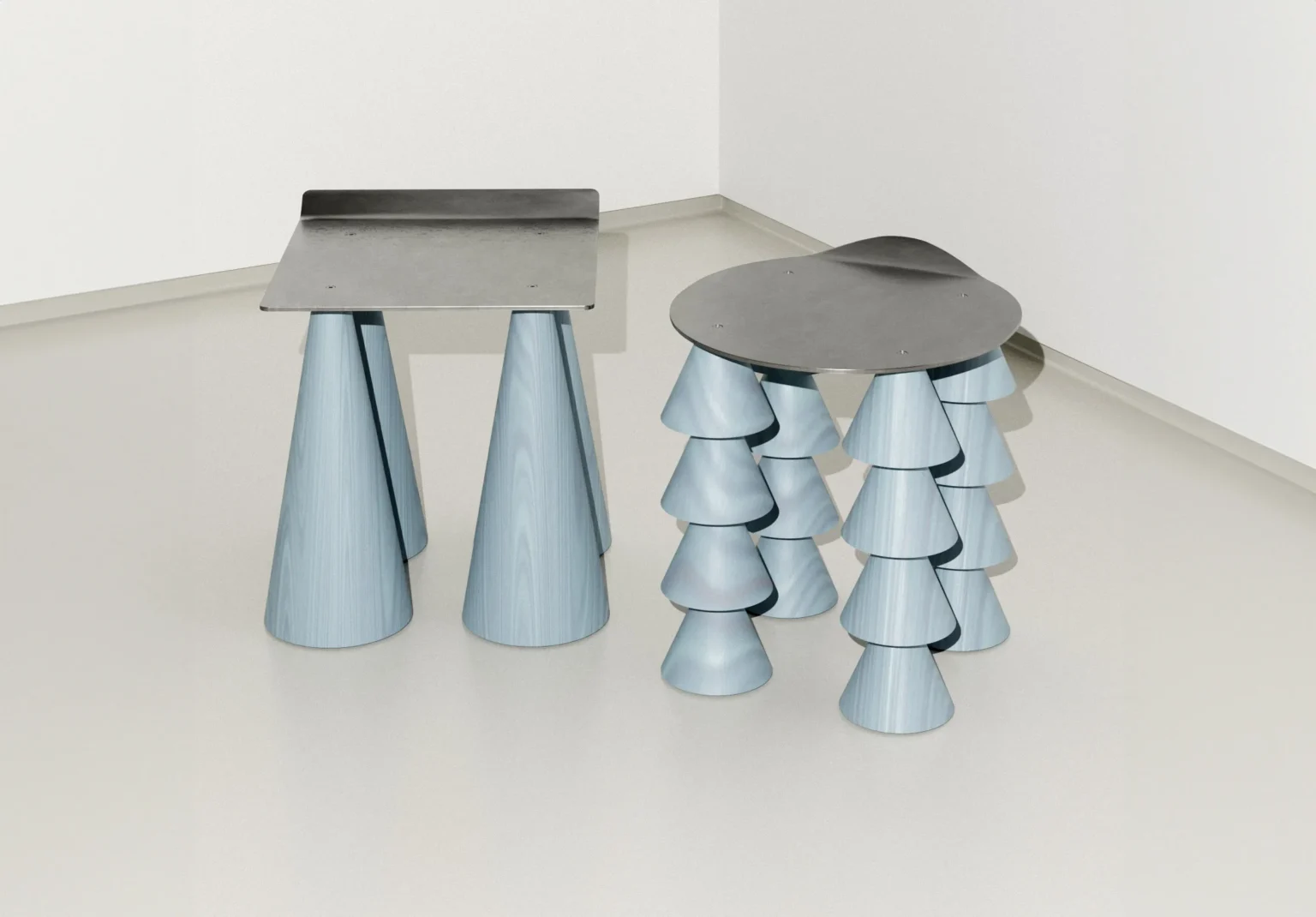
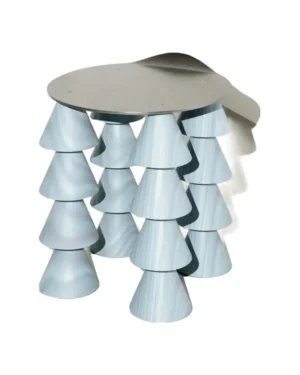
N1 Cena — Sky-blue Wood And Aluminum Stool
By DONÓ Design
€2.100 -

N2 Cena — Sky-blue Wood And Aluminum Stool
By DONÓ Design
€2.600 -
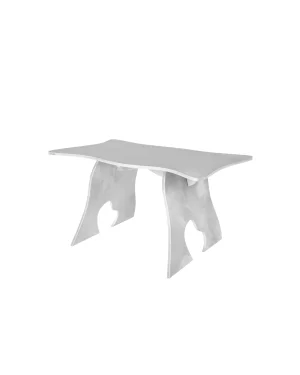
Aluminum Step Stool
By Six Dots Design
€205 -
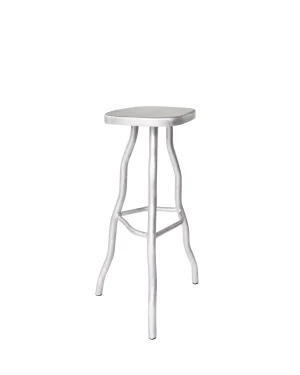
Aluminum Squiggle Bar Stool
By Six Dots Design
€595 -
 In stock
Pressure Stool in Aluminum
By TIM TEVEN
€484 -

Broken Wing Stool
By Obscure Objects
€290 -

S001-10.2 Aluminum Stool
By NAVE
€500 -
 In stock
New Shoes Stool
By Studio Ebba Lindgren
€700 -
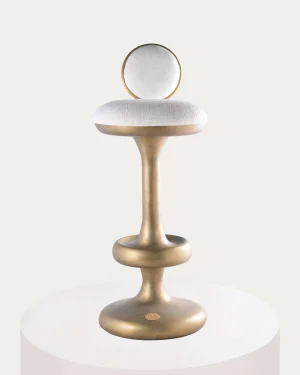
Atom Barstool
By Nama Home
€3.300 -
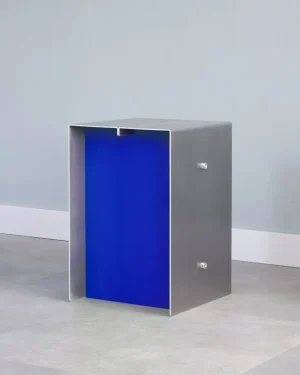
Core Aluminum Side Table / Stool
By Lisanne Meester
€399 This product has multiple variants. The options may be chosen on the product page -

Cork X | Chair 01 – Cork / Metal Stool
By Robert Megel
€699 -

L4 Stool – Aluminum / Rope
By Lucas Cambier
€1.500 -

Trama – Stool in Cast Aluminum
By Joana Teixeira
€1.680 - €1.980 This product has multiple variants. The options may be chosen on the product page -
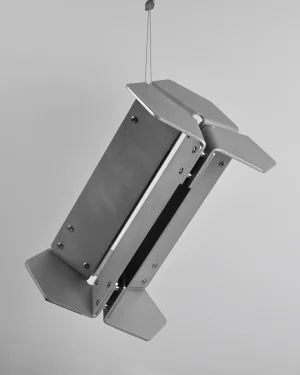
Trilateral 310 Stool – Matte Aluminium
By MLK Furniture
€550 -

Column No.1 – Low Stool
By Haritini Gritzali
€1.700 -
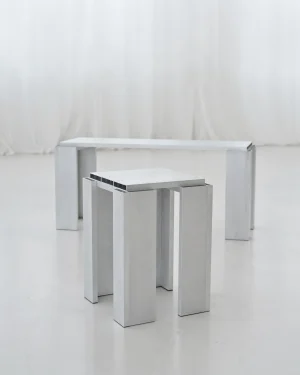
Al01 Aluminum Stool
By NOSTUDIO
€750 -
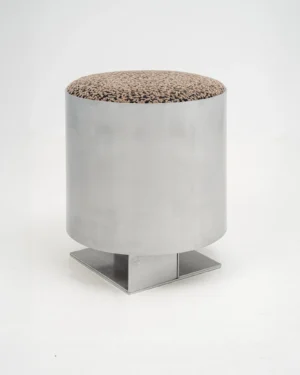
Strut Aluminum Handcrafted Pouf With Fabric Seating
By Yet Design Studio
€1.250 This product has multiple variants. The options may be chosen on the product page -
 In stock
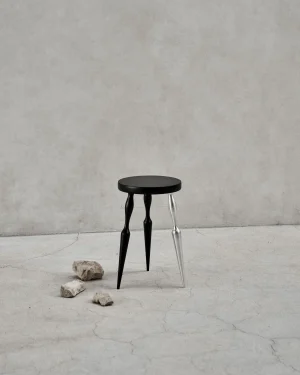
One Silver Legged Stool – Black / White
By Undress House
€800 This product has multiple variants. The options may be chosen on the product page -
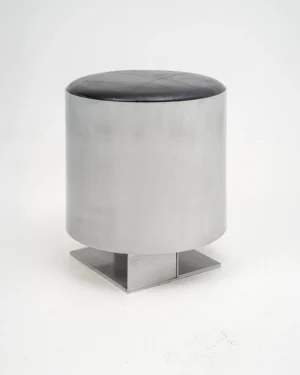
Strut Aluminum Handcrafted Pouf With Genuine Leather Seating
By Yet Design Studio
€1.250 This product has multiple variants. The options may be chosen on the product page -
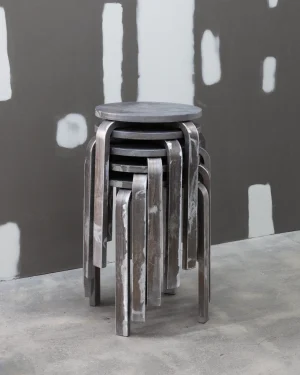
Stackable Stool 2 – Ikea-inspired Aluminum Stool
By PRACTICE
€644 -
 In stock
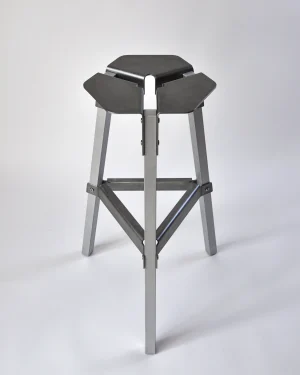
Trinity300 High Stool – Matte Stainless Steel & Aluminium
By MLK Furniture
€1.390 -
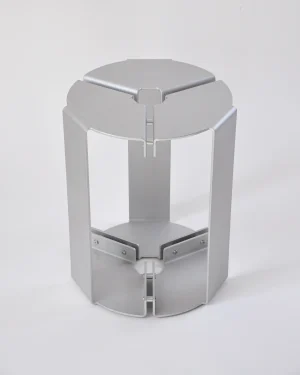 In stock
Rln 350 Stool – Matte Aluminium
By MLK Furniture
€550 -
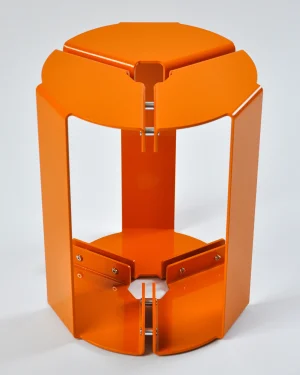 In stock
Rln 350 Stool – Orange Powder Coated
By MLK Furniture
€550 -
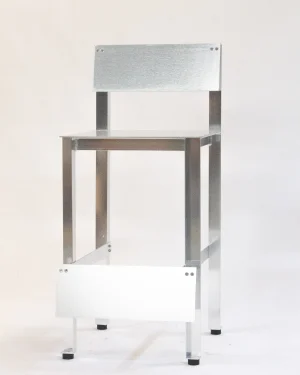 In stock
Canto – Tall Aluminum Stool
By Luiz Solano
€1.000 -
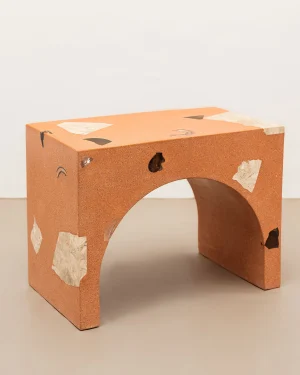
Terrazzo Stool Nu
By Assimply Studio
€1.050 -
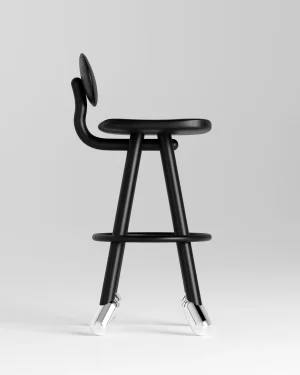
The Tutu Stool
By Design VA
€3.250 - €7.995 This product has multiple variants. The options may be chosen on the product page -
 In stock
Oto – Low Stool & Side Table
By Neiw Studio
€1.400 -
 In stock
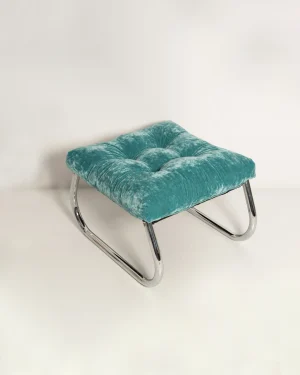
Build Stool
By Lisanne Meester
€1.299 -
 In stock
Bauhaus Low Stool
By Vintola Studio
€1.200 -
 In stock
Trama – Low Stool in Cast Aluminum
By Joana Teixeira
€1.450 -

Organ Stool
By andykim.global
€3.100 -

Rani Barstool
By Nama Home
€3.470 -

Onor Low Stool/ Side Table
By linnvstudio
€1.750 -
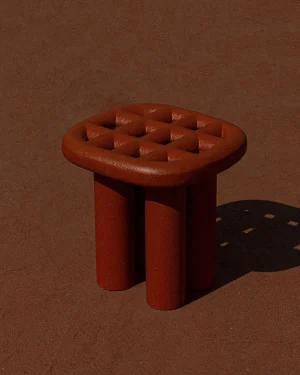
Chicharron Stool
By BuRRo
€1.150 This product has multiple variants. The options may be chosen on the product page -
 In stock
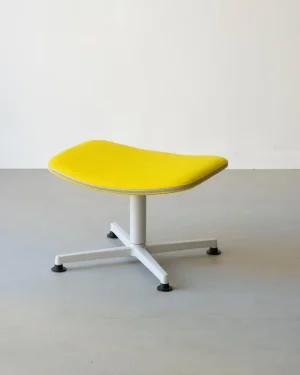
Arba – Stool
By raawii
€852 This product has multiple variants. The options may be chosen on the product page -
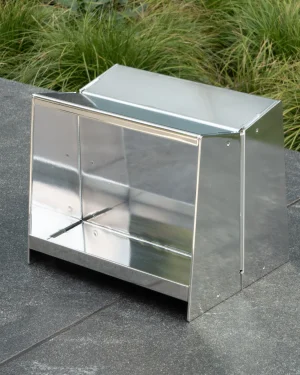
Garden Stool – Chrome Plated Aluminum
By andykim.global
€1.110 -
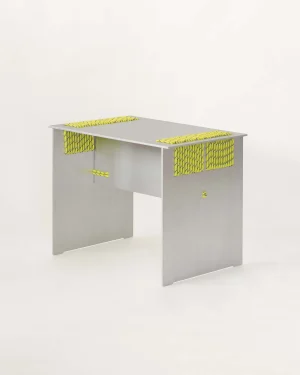
Knot Stool
By Studio Yann Gandon
€690 This product has multiple variants. The options may be chosen on the product page -

La Linea – Accent Chair
By Mike Wirthensohn
€2.800 -
In stock
New Shoes Stool
By Studio Ebba Lindgren
€700 -
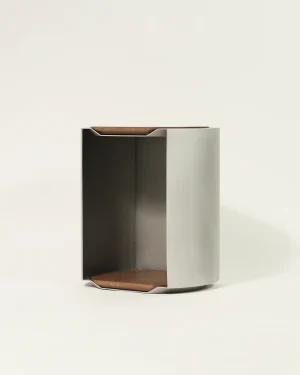
Oruga – Stool
By Atelier Nienē
€2.200 - €6.000 This product has multiple variants. The options may be chosen on the product page -
 In stock
Double Vision (DV) Stool
By Studio S II
Price Upon Request -
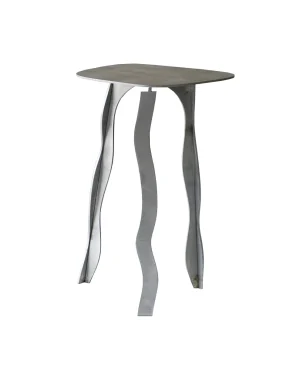 Sold
SoldContemporary Vanity Stool 01
By Six Dots Design
€195 -
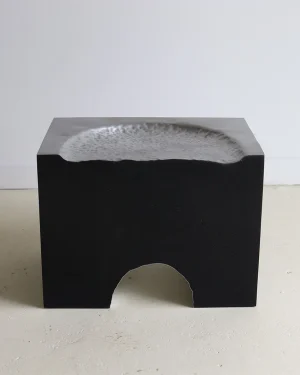
Iddu – Stool
By Emilia Tombolesi
Price Upon Request -
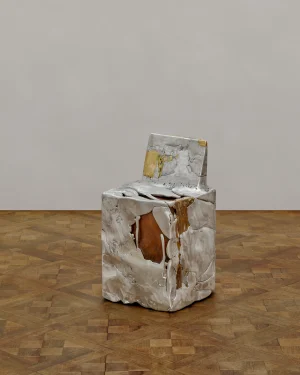 Sold
SoldElemental Patchwork Stool No. 1
By Sheyang Li
Price Upon Request -
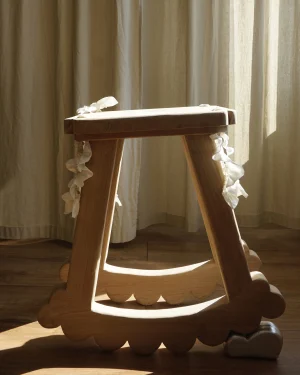
Halinka Stool
By Basia Pruszyńska
Price Upon Request -
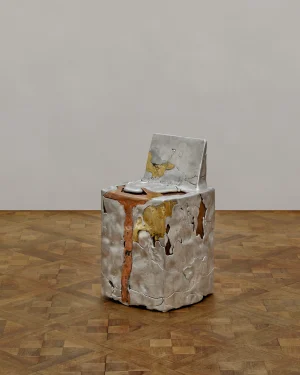 Sold
SoldElemental Patchwork Stool No. 2
By Sheyang Li
Price Upon Request -
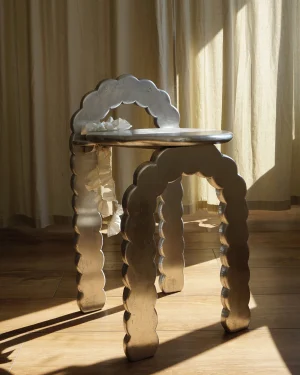
Roman Chair
By Basia Pruszyńska
Price Upon Request -
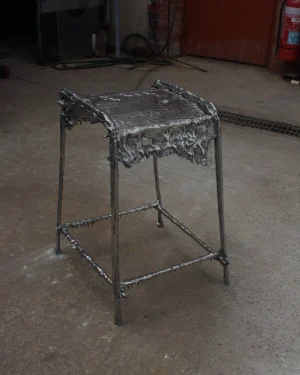 In stock
Wax Stool 01
By Saturday Yard Work
Price Upon Request
Aluminum stools are built from a metal prized for being light in the hand yet stiff under load, worked by studios through sand casting, metal casting, laser cutting and hand assembly into seats that read as sculpture as much as furniture. The surface can stay raw and brushed, be powder coated in a solid color, or be polished to a near-mirror finish. Because the material resists rust and does not splinter or crack with age, these stools move easily between kitchen, bar and living room without special treatment.
What defines aluminum as a seating material
Aluminum is roughly a third the weight of steel for a similar volume, which is why a single person can lift and reposition an aluminum stool without strain. It does not rust the way steel does, since it forms a thin oxide layer that protects it rather than corrodes it, so pieces left near a window or a damp bar area hold their finish over time. Cast aluminum carries soft, rounded forms well, while sheet aluminum that has been laser cut or pressed tends toward flatter planes and sharper edges.
Finishes, colors and the range found here
Within aluminum seating, finish does most of the visual work. Some stools are left in the metal's natural gray, brushed or matte, letting the casting or welding lines show as part of the object. Others are powder coated in black, off-white, cherry red, lavender, light yellow or mint, which adds a layer of color without hiding the material's lightness. Stainless steel, cast aluminum and plain aluminum often appear within the same family of pieces, paired at times with leather seats, wood accents or birch wood underframes for contrast in texture. Styles range from minimalist and contemporary through neo-industrial, brutalist, futuristic and mid-century modern, and editions run from open runs made to standard specification to limited editions and unique pieces produced in small number. For a fuller view of what the metal does across other kinds of furniture, every aluminum piece on ADORNO is gathered in one place.
How to choose an aluminum stool
Start with seat height against the surface it will sit under: counter height generally needs ten to twelve inches of clearance below the counter top, bar height more. Check the footprint of the base against the floor space around it, since cast and welded aluminum frames can be more solid, and therefore wider, than they first appear in a photograph. Decide whether a raw, brushed finish or a powder coated color will sit better against existing metal, stone or wood already in the room.
- Match the stool's finish to nearby hardware or fixtures rather than to the wall color alone
- Allow for stacking or nesting if storage space is limited
- Confirm whether the seat pad, where upholstered, is fixed or detachable for cleaning
Where these stools work
Kitchen islands and home bars are the most common placement, since the material tolerates spills, heat from nearby cooking surfaces and frequent moving in and out from under a counter. Aluminum stools also suit a living room used as extra or occasional seating, where their light weight makes them easy to bring out and put away. Outdoor-adjacent spaces such as covered patios or sunrooms benefit from aluminum's resistance to rust, though direct, prolonged weather exposure will still dull a polished finish faster than indoor use.
Caring for aluminum seating
Wipe raw or brushed aluminum with a soft, slightly damp cloth, and dry it afterward to avoid water spotting on a polished surface. Powder coated finishes tolerate mild soap and water but should avoid abrasive pads, which can scuff the coating and expose bare metal underneath. For other metal seating options and related stool types, the full range of metal stools, the broader set of aluminum seating, and the complete stools category offer further points of comparison when weighing aluminum against wood, steel or upholstered alternatives.
How do I choose the right aluminum stool?
Match the finish to your room: brushed or anodized aluminum suits pared-back interiors, while cast or powder-coated versions read heavier and more industrial. Weight matters too, since aluminum stools are light enough to move daily without strain.
Is aluminum a good material for stools?
Aluminum resists rust, holds up outdoors or in humid kitchens, and stays lighter than steel for the same strength. It can scratch or dent under hard impact, though most finishes age evenly rather than showing wear.
How do you clean and care for an aluminum stool?
Wipe with a damp cloth and mild soap, then dry to prevent water spotting on polished surfaces. Skip abrasive pads or harsh chemicals, which can dull anodized or powder-coated finishes over time.
What height should an aluminum stool be?
Counter-height stools typically measure 24 to 26 inches to the seat, while bar-height runs 28 to 30 inches. Check the gap between seat and countertop, aiming for 10 to 12 inches of clearance.
Which rooms work best for aluminum stools?
Kitchen islands, home bars, and covered outdoor spaces all suit aluminum's resistance to moisture and temperature shifts. Indoors, the material pairs naturally with minimalist, industrial, or mid-century interiors.
What are ADORNO's shipping, returns, and customization terms?
Shipping is insured and worldwide, with a 14-day return policy that excludes made-to-order pieces. Each stool arrives with a certificate of authenticity; for customization or specific finishes, chat with the maker on the piece's page.