




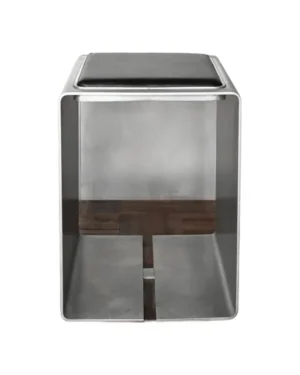
-

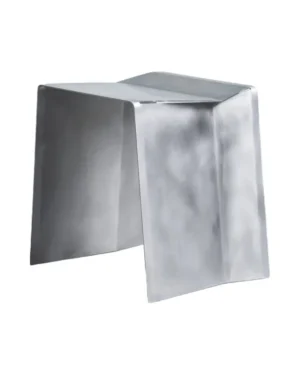
“Potro” Stool
By piedrafuego
€270 -
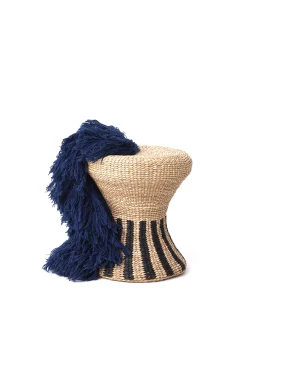
Feel Ambiguity – Textured Stool No. 3
By Lyk Carpet
€528 This product has multiple variants. The options may be chosen on the product page -
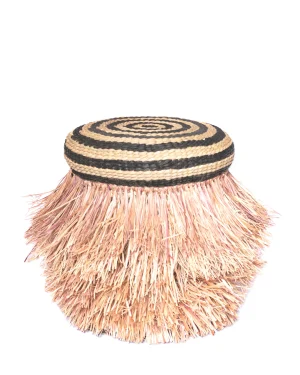
Feel Ambiguity – Textured Stool No. 2
By Lyk Carpet
€528 -
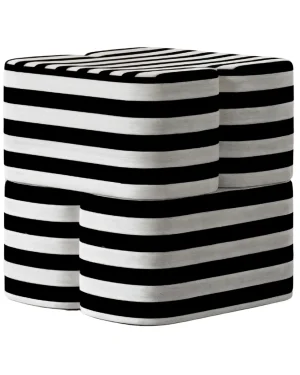
Ori Pouf
By hermhaus
€726 This product has multiple variants. The options may be chosen on the product page -

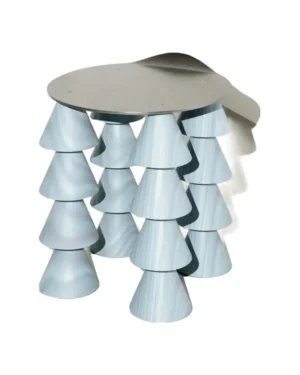
Bombs Pouf
By hermhaus
€1.060 - €1.140 This product has multiple variants. The options may be chosen on the product page -
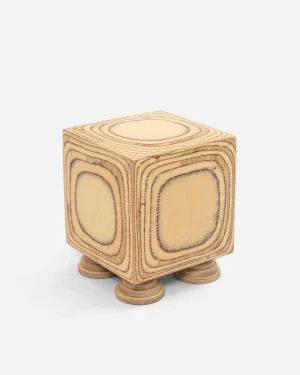 In stock
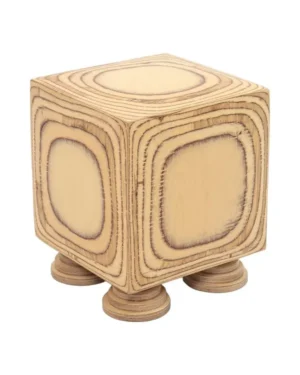
Boxy Stool No. 1
By Molor Tumen-Ulzii
€1.200 -
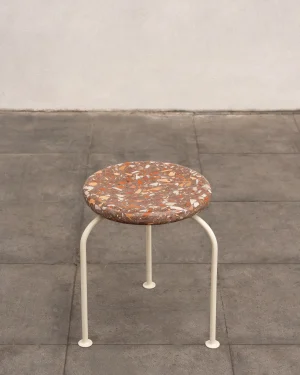
Brut – Terrazzo Stool
By Assimply Studio
€500 This product has multiple variants. The options may be chosen on the product page -
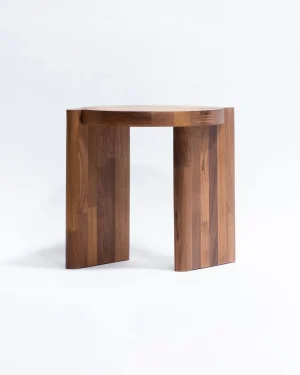
Shift Stool – Walnut
By Studio Yann Gandon
€690 -
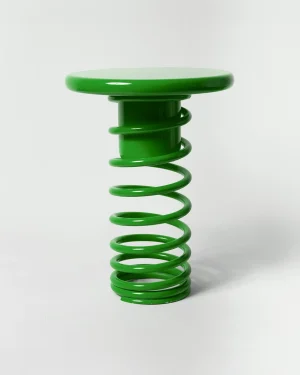
Twist Stool
By Yet Design Studio
€1.200 This product has multiple variants. The options may be chosen on the product page -
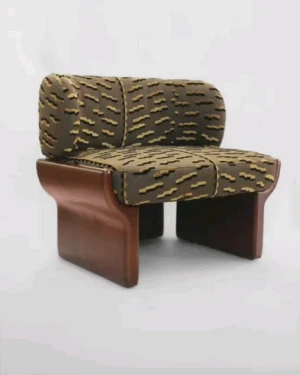
Lucky Armchair Tiger Mountain
By Alter Ego Studio
€5.220 -
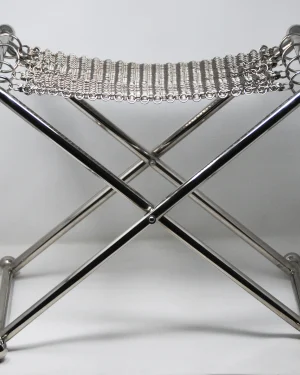
Chainmail Camping Stool
By Panorammma Atelier
€1.990 -
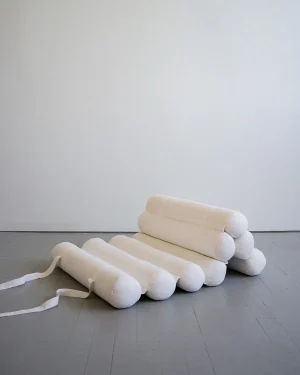 In stock
Camille – Versatile Pouf
By Atelier Alz
€1.000 -

Windows of Bo Bardi – Butter
By Linde Freya Tangelder
€1.300 -
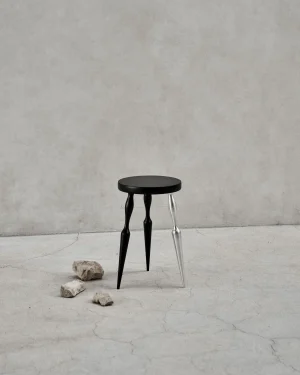 In stock
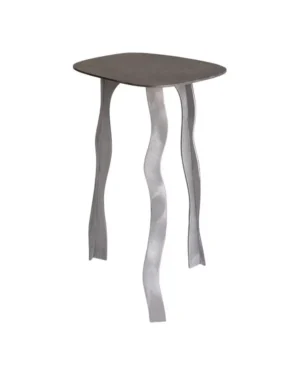
One Silver Legged Stool – Black / White
By Undress House
€800 This product has multiple variants. The options may be chosen on the product page -
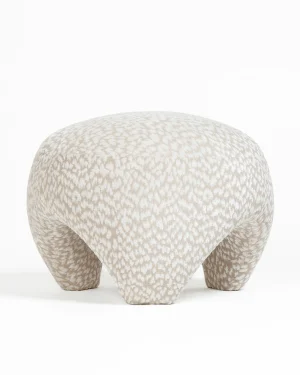 In stock
Django • Bone White • Sculptural Textured Velvet Ottoman
By Odditi
€990 -
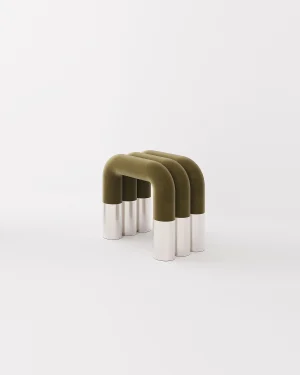
Amadeo
By Joana Teixeira
€1.950 -
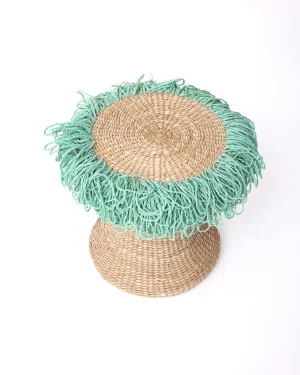
Feel Ambiguity – Textured Stool No. 1
By Lyk Carpet
€528 This product has multiple variants. The options may be chosen on the product page -

Dank Pouf
By hermhaus
€3.170 -
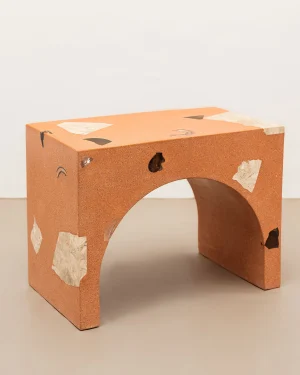
Terrazzo Stool Nu
By Assimply Studio
€1.050 -
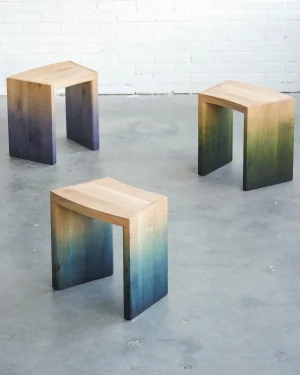 In stock
Dawn – Stool
By Studio Onno Adriaanse
€732 This product has multiple variants. The options may be chosen on the product page -
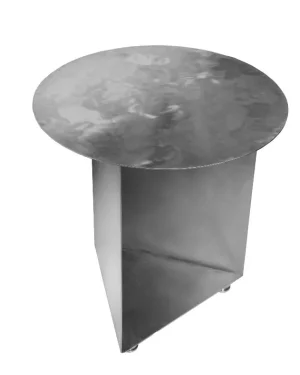 In stock
Cloud – Stainless Steel Stool / Bookcase
By M’ama edizioni
€600 -
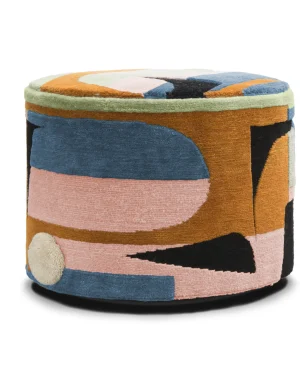
Hilma Pouf – Tibetan Wool / Wooden Base
By Lyk Carpet
€2.605 -
 In stock
Splitted Stool
By Teun Zwets
€1.190 -
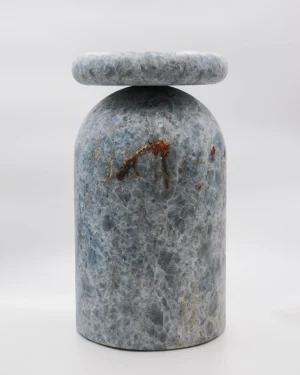
Cult Stool – Sculptural Side Table In Blue Calcite
By Panorammma Atelier
€2.732 -
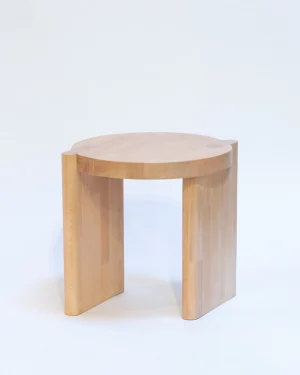
Shift Stool – Beech
By Studio Yann Gandon
€690 -
 In stock
Shift Stool – Ash – Light Purple
By Studio Yann Gandon
€550 -
 In stock
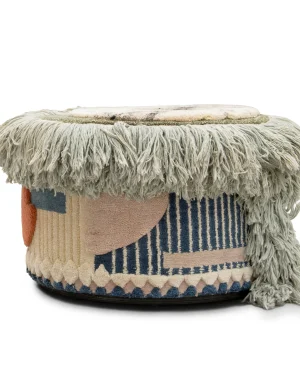
Sybille – Eclectic Fringed Pouf
By Lyk Carpet
€2.866 -
 In stock
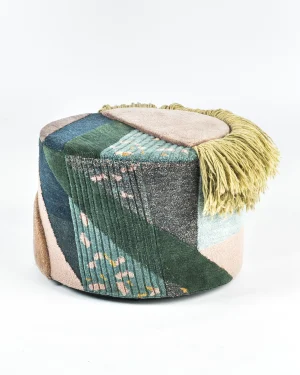
Colette – Rose, Mint And Yellow Wool Pouf
By Lyk Carpet
€2.866 -

Fos Puff 01
By Daniel Orozco Estudio
€2.373 -
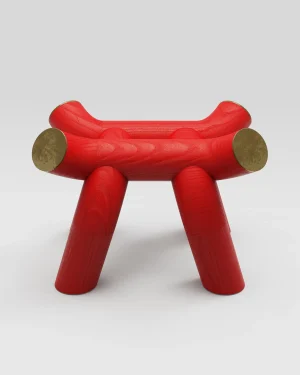
Torii Stool
By Ultramar Studio
€3.290 This product has multiple variants. The options may be chosen on the product page -
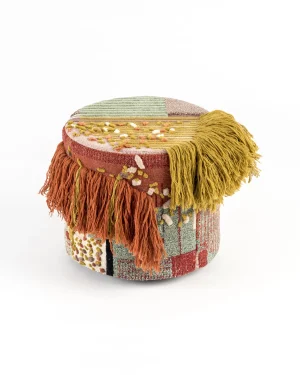 In stock
Hilde Pouf – Tibetan Wool / Wooden Base
By Lyk Carpet
€2.605 -
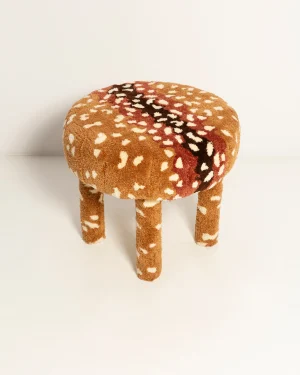 In stock
Bambi Wool Tufting Stool
By Vintola Studio
€1.000 -
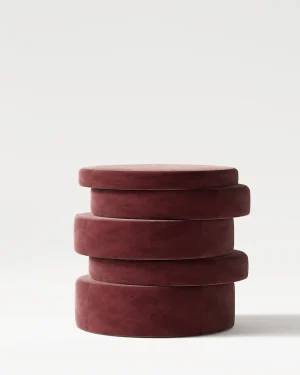
Ups Pouf
By hermhaus
€1.220 This product has multiple variants. The options may be chosen on the product page -
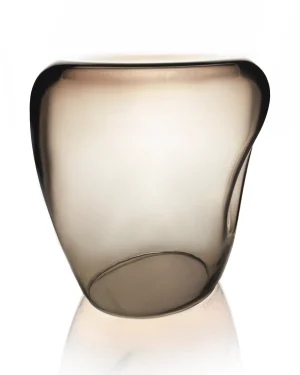 In stock
Isola Fumè
By KANZ
€1.800 -
 In stock
Shift Stool – Ash – Green
By Studio Yann Gandon
€550 -
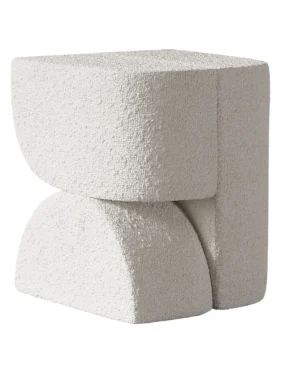
Face Pouf
By hermhaus
€1.220 This product has multiple variants. The options may be chosen on the product page -
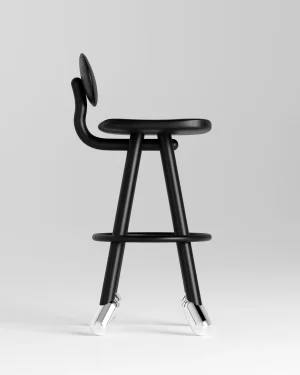
The Tutu Stool
By Design VA
€3.250 - €7.995 This product has multiple variants. The options may be chosen on the product page -
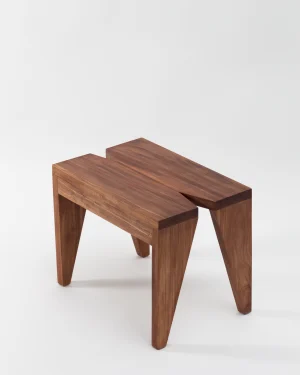
Arado Stool No. 2
By Estúdio Dentro
€542 -
 In stock
Shift Stool – Ash – Light Pink
By Studio Yann Gandon
€550 -
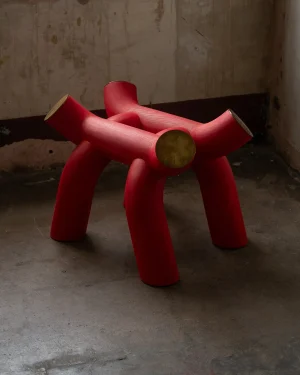 In stock
Torii Stool – Artist Proof
By Ultramar Studio
€2.000 -
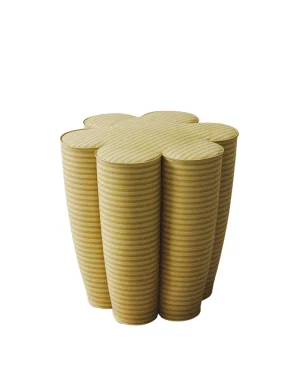
Flor Pouffe – “in Flow, Together”
By hermhaus
€1.420 This product has multiple variants. The options may be chosen on the product page -
 In stock
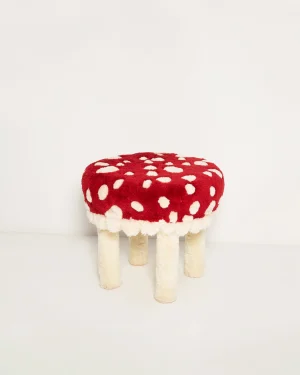
Mushroom Wool Stool No. 2
By Vintola Studio
€1.000 -
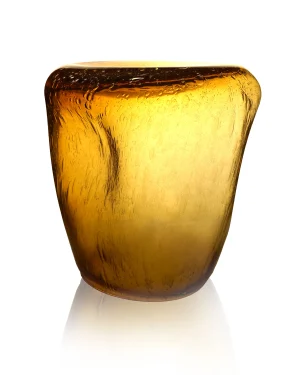
Isola Topazio Pulegoso
By KANZ
€1.620 -
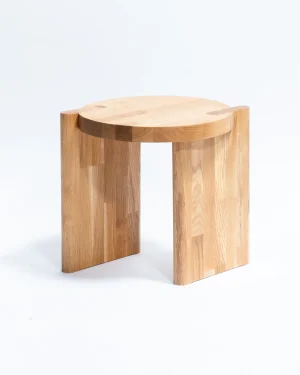
Shift Stool – Oak
By Studio Yann Gandon
€690 -
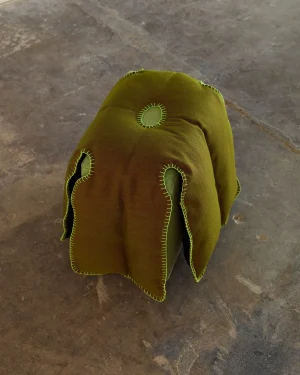
Pouffe – Maximalist Upholstered Stool
By Jaclyn Pappalardo
€2.350 This product has multiple variants. The options may be chosen on the product page -

Sun & Luna Pouf
By hermhaus
€930 This product has multiple variants. The options may be chosen on the product page -

Kros Pouf
By hermhaus
€1.510 -

Mat Pouf
By hermhaus
€3.250 -
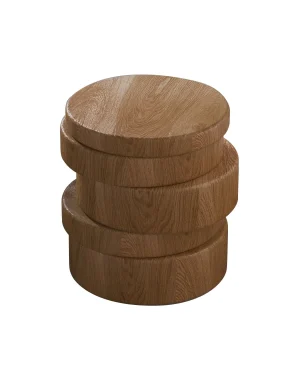
Ups Stool
By hermhaus
€3.714 -
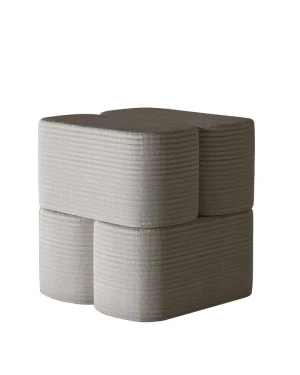
Ori Pouf – Striped Velvet
By hermhaus
€726 This product has multiple variants. The options may be chosen on the product page -
 In stock
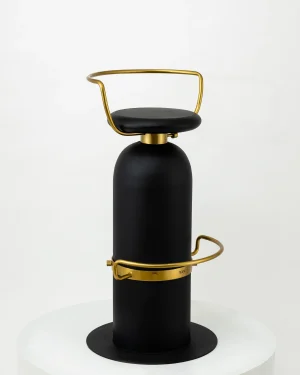
Scuba – Iron Barstool
By Nama Home
€3.220 This product has multiple variants. The options may be chosen on the product page -
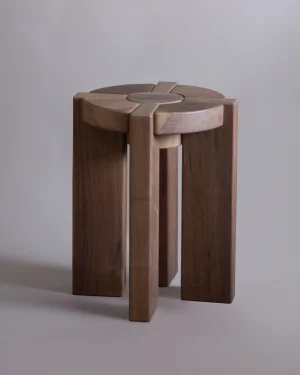 In stock
Multiflora – Low Stool
By CMX | Furniture
€1.362 - €1.897 This product has multiple variants. The options may be chosen on the product page -
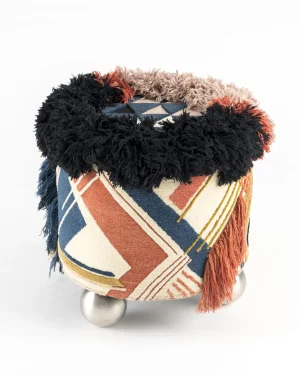 In stock
Tilda Pouf – Tibetan Wool / Wooden Base
By Lyk Carpet
€2.866 -
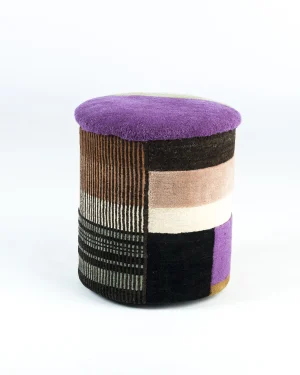 In stock
Fred Pouf – Tibetan Wool
By Lyk Carpet
€2.605
Eclectic stools bring together materials and methods that would rarely sit side by side in a single design language: turned oak next to woven textile, carved walnut beside hand-dyed cord. What defines them is not one wood or one shape but a willingness to mix finishes, proportions and techniques, so each stool reads as a studio's own decision rather than a house style. The studios working this way often move between joinery, wood carving, woodturning and upholstery within a single piece.
What makes a stool eclectic
An eclectic stool borrows freely. A seat might be pressed from solid walnut while its legs are turned on a lathe in a different wood tone, or a woven textile top sits on a base built through plain cabinetmaking. Color plays a part too: black paired with ochre, ivory against brown, red as the one note of contrast on an otherwise quiet oak frame.
Because the approach draws on many traditions at once, no two stools in this group look alike, even when they share a maker's hand. That variation is the point. These are pieces chosen for a room that already has a point of view, not for one that needs matching.
Materials and techniques found in this range
Oak, solid walnut, ash and reclaimed wood turn up most often, usually shaped through joinery, woodturning or wood carving, and sometimes left with visible tool marks that read as intention rather than accident. Textile appears on seats and wraps, built through weaving, upholstery or natural dyeing, which lets color and pattern do work that wood grain alone cannot.
- Wood species: oak, solid walnut, ash, maple, reclaimed timber
- Techniques: wood and cabinetmaking, joinery, woodturning, wood carving, weaving, upholstery, natural dyeing, metalwork
- Color: black, beige, green, ochre, ivory, brown, red, and black-and-white combinations
- Editions: open editions for everyday use, unique pieces for a single, unrepeated result
Metalwork shows up less often here than wood, but where it does, it tends to anchor a seat shaped in a contrasting material, giving the stool a visible joint between two different ways of making. For a narrower look at stools built mainly in metal, see the metal stools grouped separately.
How to choose an eclectic stool
Start with height and use. A counter or kitchen island generally asks for a taller seat than a reading corner or a bedside perch, so measure the surface it will sit against before the finish. Scale matters as much as height: a stool with a wide, sculptural base can carry weight visually in a small room, while a slender turned leg disappears into a busier one.
Finish is where the eclectic approach gives the most room to play. A stool with a raw, unsealed wood surface will darken and soften with handling over years, while a dyed or upholstered seat holds its color longer out of direct sun. Choose the material finish for how it will age in the spot you have in mind, not only for how it looks on arrival.
Where these stools work
Because they are built to stand apart rather than blend in, eclectic stools suit rooms that can take a single strong object: a kitchen island, a reading nook, a hallway that needs one piece of seating rather than a set. They also work well doubled as side tables, holding a lamp or a stack of books when not pulled up for seating.
In a living room already furnished with quieter, more uniform pieces, one eclectic stool can carry the visual weight that the rest of the room avoids. For stools built specifically with living spaces in mind, the living room stools group covers that use directly.
Caring for mixed materials
Wood surfaces, whether oak, walnut, ash or maple, do best away from direct heat and standing water; a light oil or wax maintains the surface without masking the grain. Woven or upholstered seats should be kept out of prolonged sun to slow fading, and brushed or vacuumed rather than scrubbed. Where metal and wood meet in the same stool, check that fixings stay tight, since the two materials expand and contract at different rates with changes in humidity.
For the full range of stools beyond this style, the stools category covers every material and finish, while every eclectic piece on ADORNO extends the same mixed approach into lighting, tables and storage. Those drawn to wood specifically may also want the dedicated wooden stools group, and the wider eclectic furniture selection shows how the same mixing of material and technique carries across other kinds of furniture.
How do I choose an eclectic stool?
Look at what the piece is made of and how it is joined or finished, then let that material set the tone, pairing turned or carved wood with textile seats or mixed finishes for contrast.
What materials are eclectic stools made from?
Most are solid oak, walnut, ash or maple, often paired with textile seats, upholstery or dyed finishes, shaped through joinery, wood carving or woodturning.
How do I care for a wooden or upholstered stool?
Wipe wood with a dry or slightly damp cloth, keep it from direct heat and standing water, and vacuum or spot-clean textile seats to avoid soaking the fibers.
What size and height stool do I need?
Counter stools generally suit 36 to 38 inch counters, bar stools suit 40 to 42 inch bars, and the maker can confirm exact dimensions with Chat with the maker on the piece's page.
Which rooms suit eclectic stools?
Their mix of materials and forms works at kitchen islands, home bars, as extra seating in living rooms, or standing alone as a side table or plant stand.
How does shipping, returns and authenticity work on ADORNO?
Shipping is insured and worldwide, returns are accepted within 14 days except on made-to-order pieces, and each stool arrives with a certificate of authenticity.