-

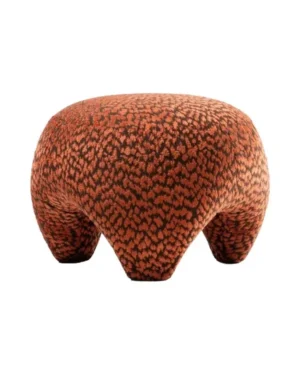
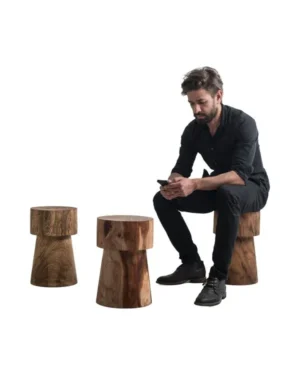
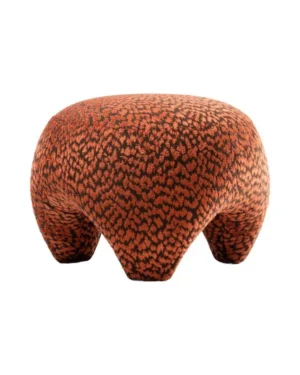
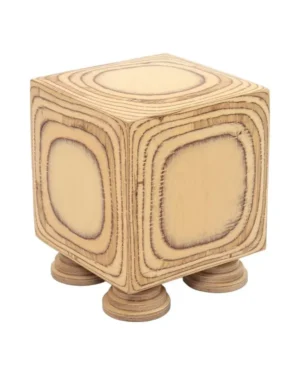
“Potro” Stool
By piedrafuego
€270 -

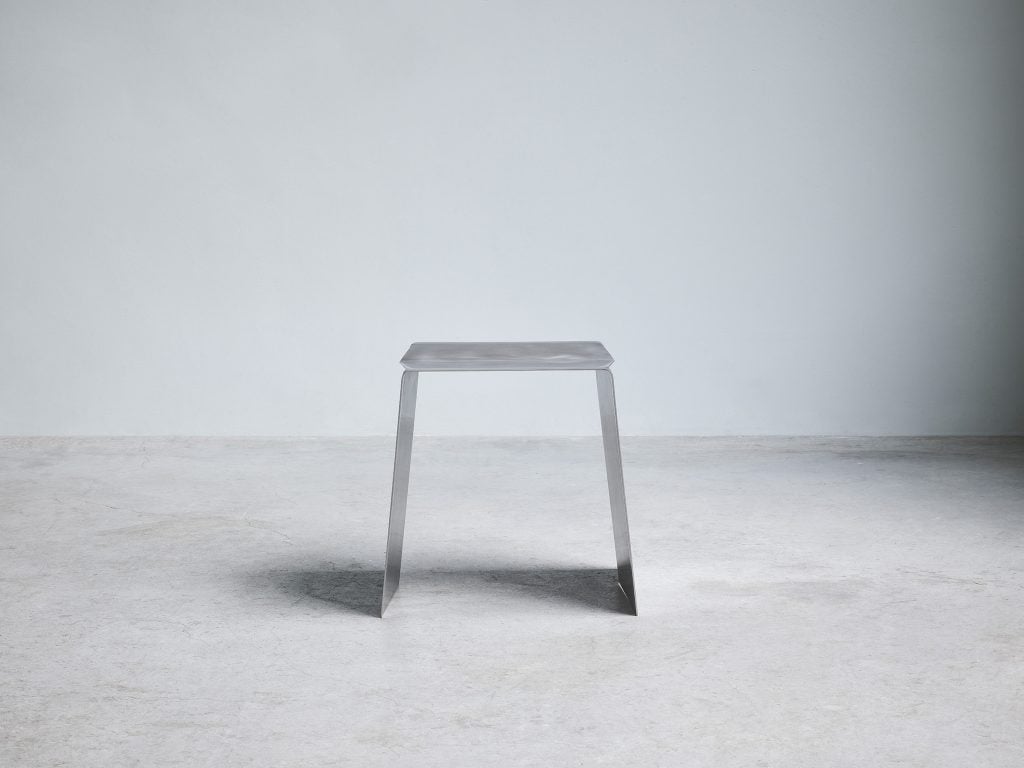
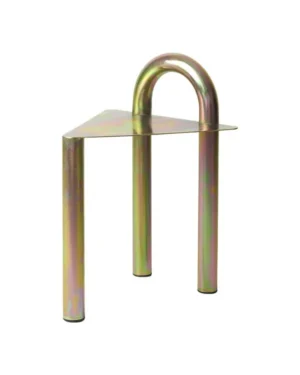
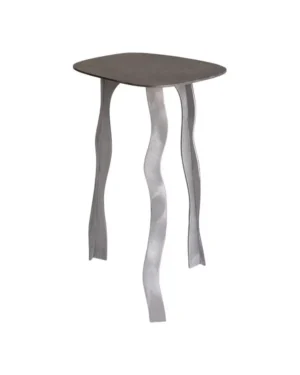
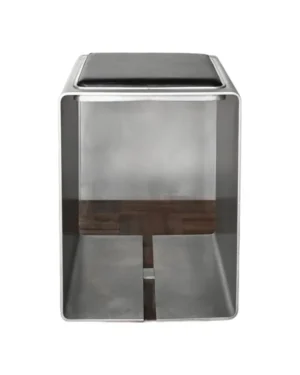
Camber – stainless Steel Stool
By Paul Coenen
€539 -

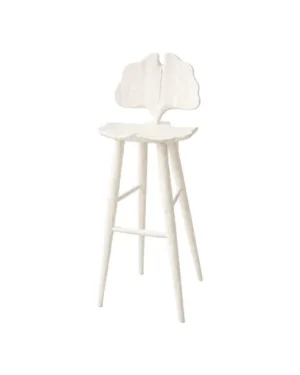
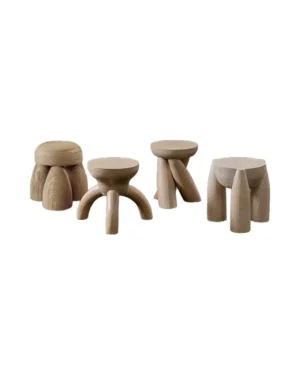
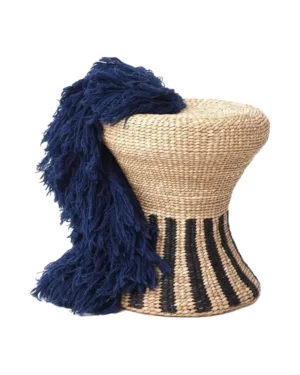
“Tori” Stool
By Ries Studio
€3.200 -
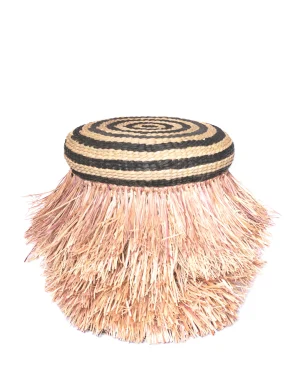
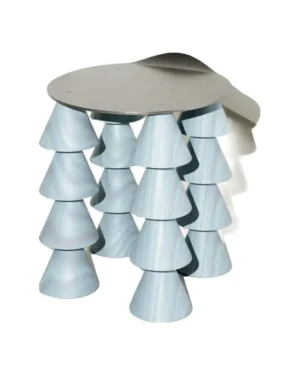
Feel Ambiguity – Textured Stool No. 2
By Lyk Carpet
€528 -
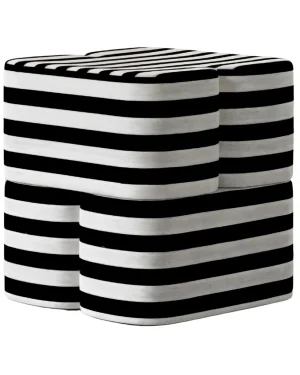
Ori Pouf
By hermhaus
€726 This product has multiple variants. The options may be chosen on the product page -
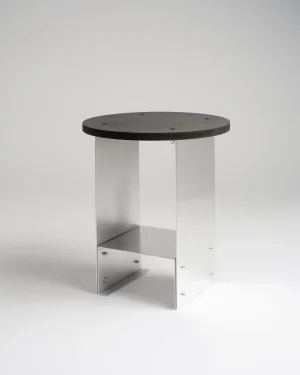
Broken Wing Stool
By Obscure Objects
€290 -
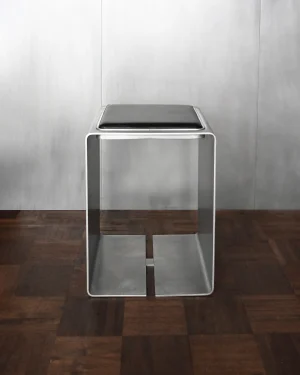
S001-10.2 Aluminum Stool
By NAVE
€500 -

L4 Stool – Aluminum / Rope
By Lucas Cambier
€1.500 -
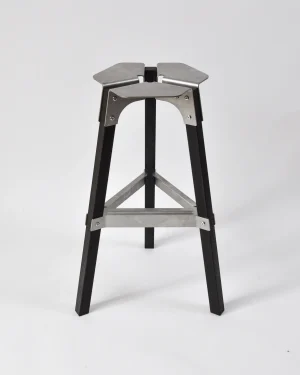
Trinity300 High Stool – Matte Stainless Steel & Ebonized Oak Wood
By MLK Furniture
€1.290 -
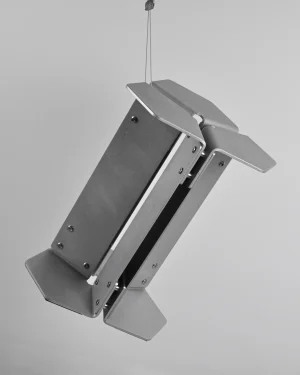
Trilateral 310 Stool – Matte Aluminium
By MLK Furniture
€550 -
 In stock
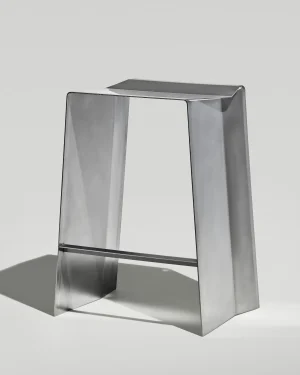
Camber – Bar Stool
By Paul Coenen
€685 -
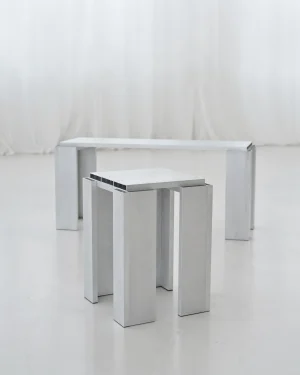
Al01 Aluminum Stool
By NOSTUDIO
€750 -

Windows of Bo Bardi – Butter
By Linde Freya Tangelder
€1.300 -
 In stock
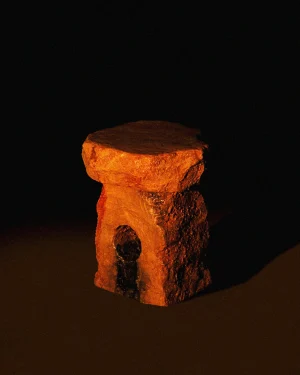
La Cauna – Escabèl 01 Stool
By Pierre Klein
€900 -

Ludovica – Stone Stool / Side Table
By Studio Ayres
€1.960 This product has multiple variants. The options may be chosen on the product page -
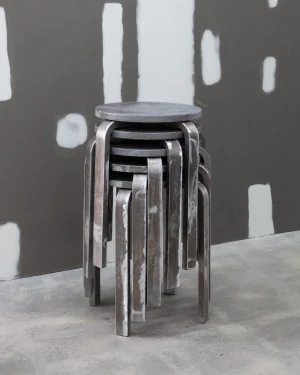
Stackable Stool 2 – Ikea-inspired Aluminum Stool
By PRACTICE
€644 -
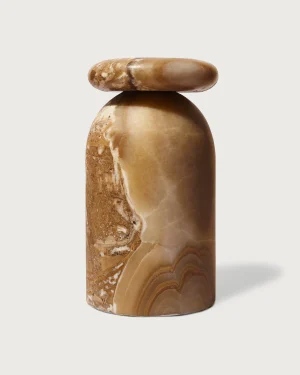 In stock
Cult Stool – Sculptural Side Table In Honey Onyx Marble Conglomerate
By Panorammma Atelier
€2.300 -
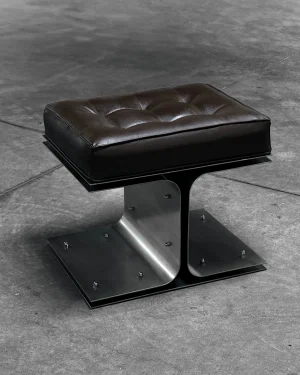 In stock
Wrp-001 Stainless Steel And Vegan Leather Ottoman / Stool
By NAVE
€1.990 -
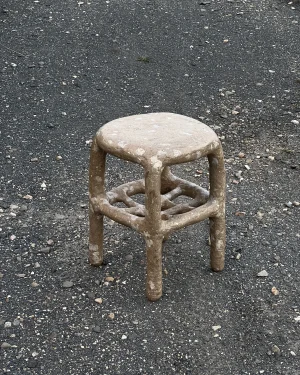 In stock
Brown “terazzo” Papier-mâché Stool & Table
By David Čáp
€600 -
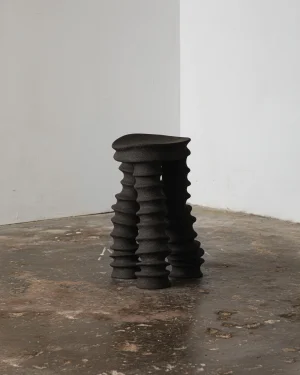
Taburet – Sculptural Ceramic Low Stool
By Catalin Filip
€1.100 -

Cult Stool – Sculptural Side Table In Black Laquer
By Panorammma Atelier
€1.200 -
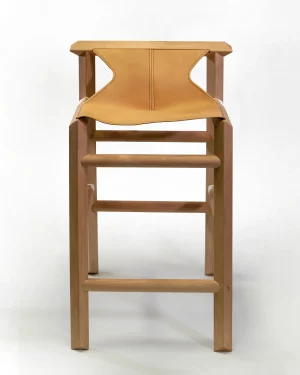
1903 – Cognac Leather And Wood Barstool
By espina corona
€890 -
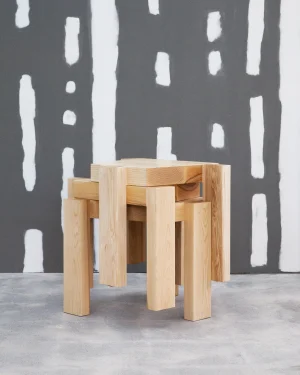
Stackable Stool 3 – Solid Ashwood
By PRACTICE
€644 -
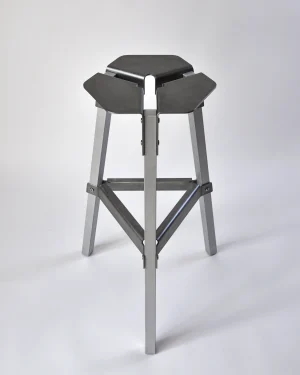 In stock
Trinity300 High Stool – Matte Stainless Steel & Aluminium
By MLK Furniture
€1.390 -
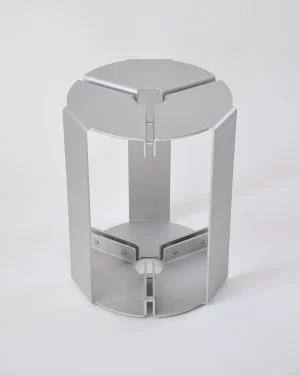 In stock
Rln 350 Stool – Matte Aluminium
By MLK Furniture
€550 -
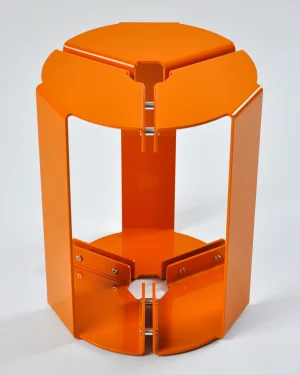 In stock
Rln 350 Stool – Orange Powder Coated
By MLK Furniture
€550 -
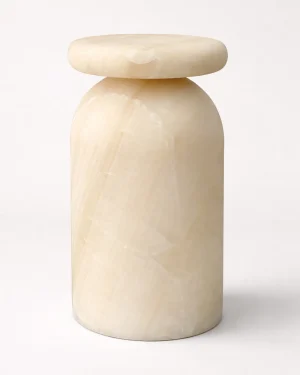
Cult Stool – Sculptural Side Table In White Onyx
By Panorammma Atelier
€2.500 -
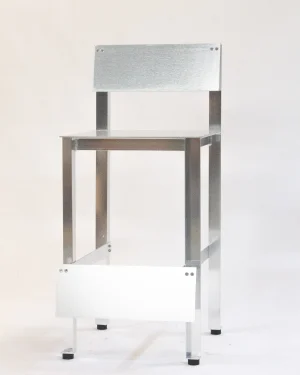 In stock
Canto – Tall Aluminum Stool
By Luiz Solano
€1.000 -

Dank Pouf
By hermhaus
€3.170 -
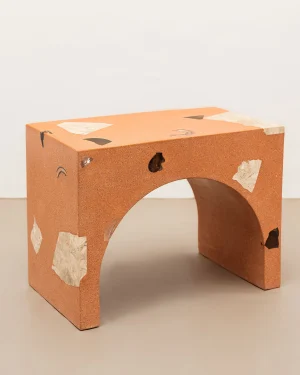
Terrazzo Stool Nu
By Assimply Studio
€1.050 -

Fos Puff 01
By Daniel Orozco Estudio
€2.373 -
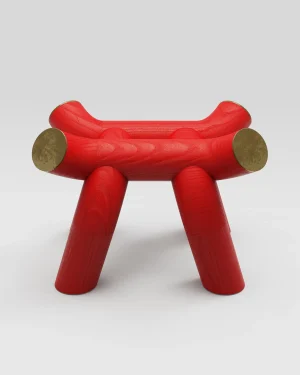
Torii Stool
By Ultramar Studio
€3.290 This product has multiple variants. The options may be chosen on the product page -

Cult Stool – Sculptural Side Table In Green Onyx
By Panorammma Atelier
€2.500 -
 In stock
Mint Papier-mâché Stool & Table
By David Čáp
€600 -
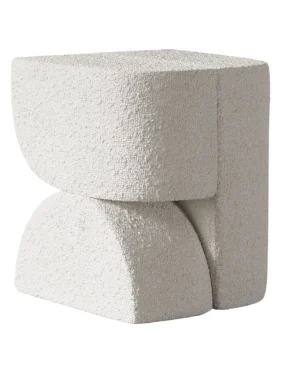
Face Pouf
By hermhaus
€1.220 This product has multiple variants. The options may be chosen on the product page -
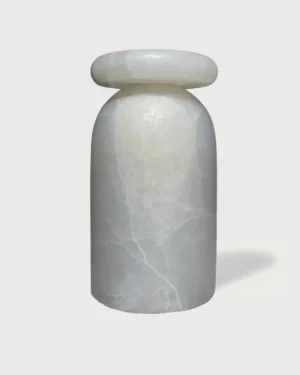
Cult Stool – Sculptural Side Table In Ice Onyx
By Panorammma Atelier
€2.500 -
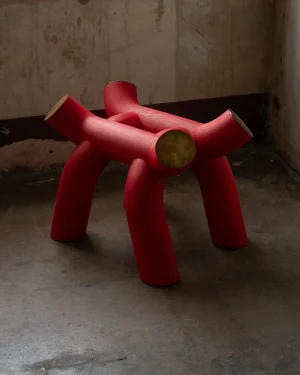 In stock
Torii Stool – Artist Proof
By Ultramar Studio
€2.000 -
 In stock
Build Stool
By Lisanne Meester
€1.299 -
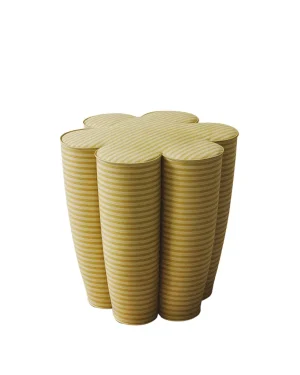
Flor Pouffe – “in Flow, Together”
By hermhaus
€1.420 This product has multiple variants. The options may be chosen on the product page -

Tactile Monoliths no 3
By Stine Mikkelsen
€4.900 -

Neolithic Thinker Sculptural Stool Tezontle Volcanic Stone
By Panorammma Atelier
€3.000 -

Mat Pouf
By hermhaus
€3.250 -
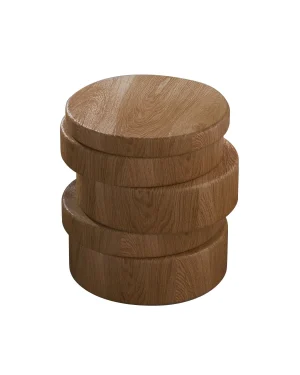
Ups Stool
By hermhaus
€3.714 -
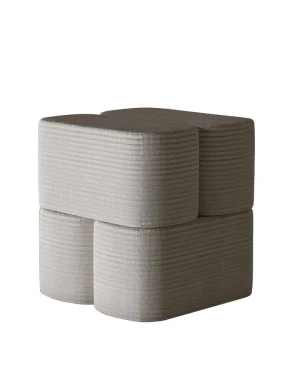
Ori Pouf – Striped Velvet
By hermhaus
€726 This product has multiple variants. The options may be chosen on the product page -
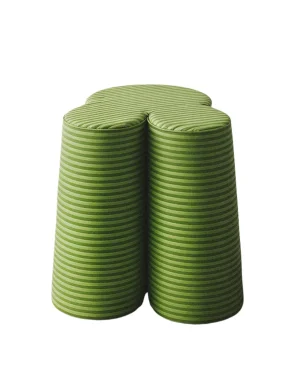
Blom Pouffe – “in Flow, Together”
By hermhaus
€1.245 This product has multiple variants. The options may be chosen on the product page -

Rian Cantilever Stool
By Semigood Design
€1.525 This product has multiple variants. The options may be chosen on the product page -
 In stock
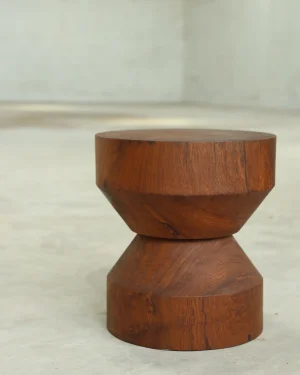
Amazonas – Stone Stool
By Studio Ayres
Price Upon Request -
 In stock
Wannas Stool 1.0
By WANNAS
Price Upon Request -

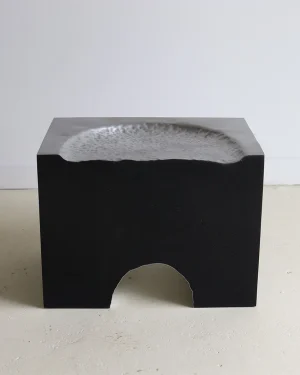
Ludovica – Onyx Stool / Side Table / High Vibration Energy Amulet
By Studio Ayres
Price Upon Request This product has multiple variants. The options may be chosen on the product page -
Iddu – Stool
By Emilia Tombolesi
Price Upon Request -
 Sold
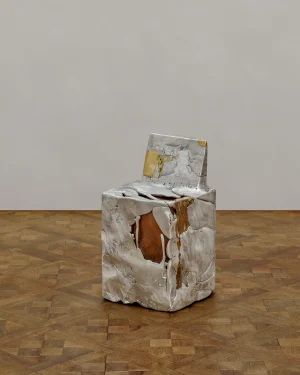
Elemental Patchwork Stool No. 1
By Sheyang Li
Price Upon Request -
 Sold
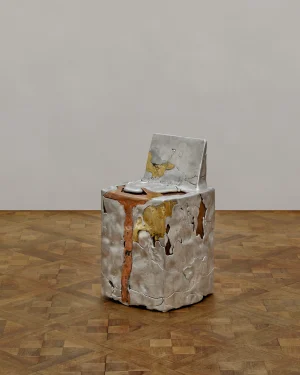
Elemental Patchwork Stool No. 2
By Sheyang Li
Price Upon Request -
 In stock
Amazonas Stool Texture
By Studio Ayres
Price Upon Request -
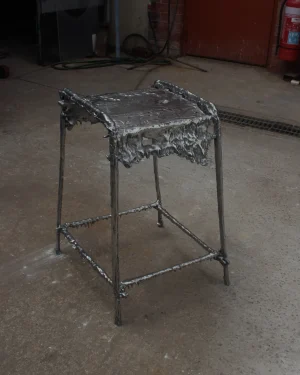 In stock
Wax Stool 01
By Saturday Yard Work
Price Upon Request
Brutalist stools take their character from raw material left to speak for itself: poured concrete, hammered steel, chiseled stone, timber left with the saw marks visible. Studios working in this style favor mass over ornament, joining and finishing their pieces by hand so that each stool carries the weight and texture of its making. The result sits closer to a sculptural object than a piece of furniture, built to anchor a room rather than disappear into it.
What Defines Brutalist Stools
The style grew out of postwar architecture, where poured concrete and exposed structure replaced decoration. Applied to seating, that logic becomes a stool cast in one block, welded from thick steel plate, or carved from a single piece of stone, its form dictated by the material's own limits rather than by trend. Surfaces are often left matte, pitted or faintly tooled, a record of the process that made them.
Materials and Finishes on ADORNO
Stools in this style turn up worked in aluminum and stainless steel, cast or welded into blunt geometric volumes, as well as in stone, marble and travertine, carved or sculpted into forms that read as monolithic. Wood appears too, often through cabinetmaking or wood carving that keeps the grain visible under a plain oil or wax finish. Leather sometimes softens a metal or stone base through upholstery or leatherwork, adding a single warm surface to an otherwise hard piece. Color stays close to the material: black, gray, beige and brown dominate, with white, stone and raw metal tones standing in for ornament. Most pieces come as open editions, though stone and cast work produced in small batches is sometimes offered as a limited edition or a unique piece, since each cast or carved form can vary slightly from the next.
Choosing a Brutalist Stool
Scale matters more here than in most seating styles, since mass is the point. A stool meant to stand alone, beside a bed or a reading chair, can take on a heavier, more sculptural form, while one destined for a kitchen island or counter should keep a slimmer profile so several can sit together without crowding. Standard counter and bar heights still apply, so measure the surface it will sit against before settling on a base. Check the finish, too: a honed stone top reads differently in daylight than a dark, textured steel one, and either will set the tone for whatever surrounds it.
- For a plinth-like presence near a sofa or sideboard, look toward stone or concrete forms shown among stools suited to living rooms.
- For counters and islands, aluminum or steel bases from the wider range of metal stools tend to sit lighter underfoot.
- Where a softer material is preferred without losing the style's weight, timber pieces among the wooden stools offer a middle ground.
Where Brutalist Stools Work
These pieces suit rooms built around texture rather than pattern: a concrete or stone kitchen, a loft with exposed brick, a bathroom finished in plaster or tile. They also work as a counterpoint in softer rooms, one heavy stool against pale walls or linen upholstery, where the contrast does the work a second accent color might otherwise do. Paired with other brutalist furniture, they read as part of a considered set rather than a single statement.
Caring for Stone, Metal and Wood
Stone and marble tops stain easily under acid or oil, so wipe spills promptly and seal porous surfaces where the maker recommends it. Steel and aluminum hold up to daily use but can show fingerprints or light scratching on matte finishes, which a soft cloth and mild soap usually correct. Wood left in a raw or oiled state benefits from an occasional reapplication of oil to keep the grain from drying out. For the full range of forms and materials gathered under this style, the complete set of brutalist pieces on ADORNO sits alongside the broader stool category for comparison.
How do I choose a brutalist stool?
Look at weight and surface first: stone and concrete forms read as solid and stay put, while cast metal and carved wood suit a lighter touch. Match the mass to the room and the floor that will carry it.
What materials are brutalist stools usually made from?
Stone, concrete, cast metal and solid wood dominate, chosen for raw, unfinished surfaces and visible mass. Marble and travertine appear too, carved rather than polished to a high shine.
How do I care for a brutalist stool?
Stone and marble need sealing and quick wiping of spills to avoid staining; metal wants a dry cloth and occasional wax. Wood benefits from stable humidity and periodic oiling to keep its surface even.
What size and height should I look for?
Counter and bar heights vary by maker, so check each piece's dimensions before ordering. For kitchen islands, measure counter height first and leave clearance for knees.
Which rooms suit brutalist stools best?
Kitchens, home bars and entryways carry their weight well, and a single stone or concrete form can also stand alone in a living room as sculpture. They read best against plain walls and simple floors.
How does shipping, returns and authenticity work on ADORNO?
Shipping is insured and worldwide, with a 14-day return policy excluding made-to-order pieces. Every stool arrives with a certificate of authenticity, and ADORNO offers a lowest-price guarantee.