



-
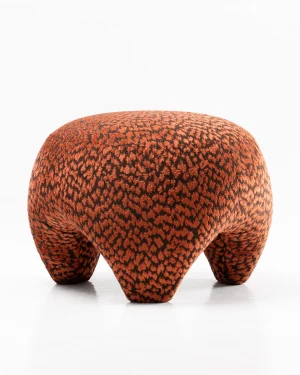
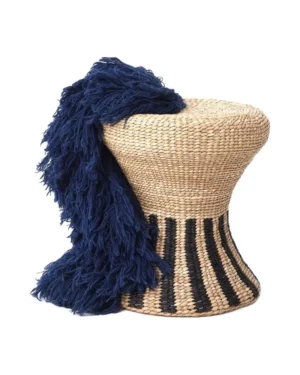
Django Velvet Ottoman in Textile
By Odditi
€990 -
 In stock
Knot Low Stool / Side Table In Solid Ash Wood
By Luis Gimeno Design
€800 -
 In stock
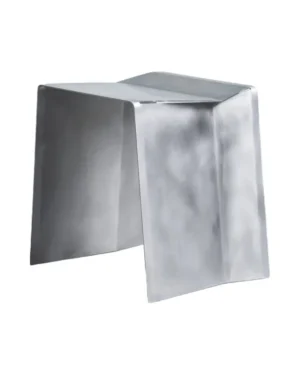
Pressure Stool in Aluminum
By TIM TEVEN
€484 -

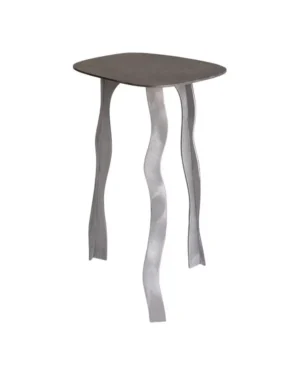
Broken Wing Stool
By Obscure Objects
€290 -
 In stock
Knot – Stool / Side Table – Solid Ash Wood
By Luis Gimeno Design
€800 -
 In stock
Knot – Stool / Side Table – Solid Ash Wood
By Luis Gimeno Design
€890 -

Bd15 Stool
By EQUILIBRI-FURNITURE
€300 -
 In stock
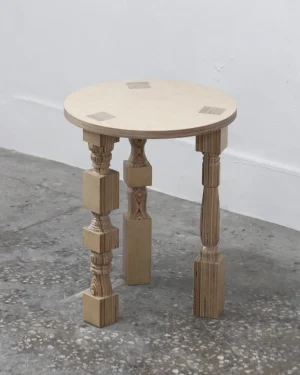
Stool No:01
By Od Studio
€1.800 -
 In stock
Ply Stool – Birch Plywood
By STUDIO KIMBYUNGSUB
€850 -

S001-10.2 Aluminum Stool
By NAVE
€500 -
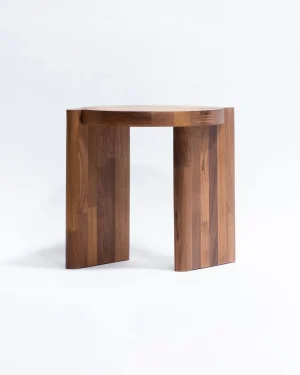
Shift Stool – Walnut
By Studio Yann Gandon
€690 -
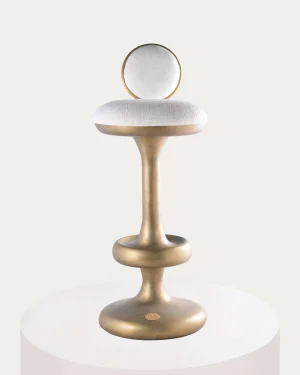
Atom Barstool
By Nama Home
€3.300 -
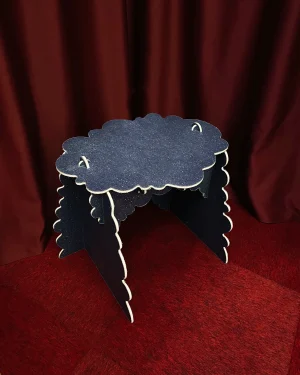 In stock
Really Rococo Blue Stool
By Studio Ebba Lindgren
€1.040 -
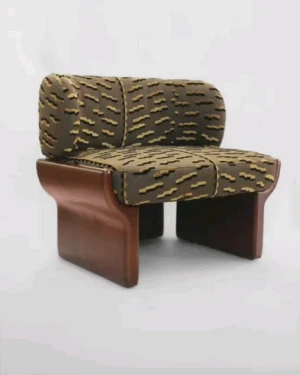
Lucky Armchair Tiger Mountain
By Alter Ego Studio
€5.220 -

Tronco Pouf
By Nitush and Aroosh
€950 -

L4 Stool – Aluminum / Rope
By Lucas Cambier
€1.500 -

Trama – Stool in Cast Aluminum
By Joana Teixeira
€1.680 - €1.980 This product has multiple variants. The options may be chosen on the product page -

Cassette – Upholstered Bar Chair
By Alter Ego Studio
€2.880 -
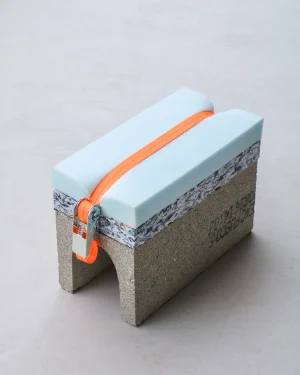 In stock
Le Rebond / Low Stool // Reimagined Textile
By FabBRICK
€672 -
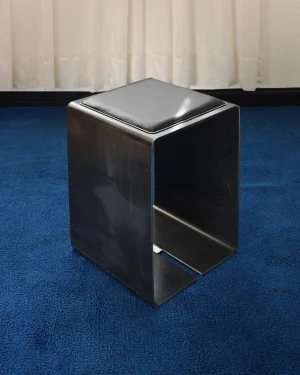
S001-10 Raw Steel Stool
By NAVE
€450 -
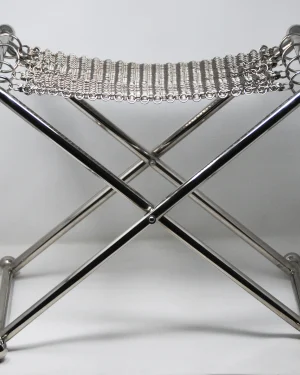
Chainmail Camping Stool
By Panorammma Atelier
€1.990 -

Origo Low Stool
By ASUL-STUDIO
€1.250 -
 In stock
Bruna Low Stool
By Heaps & Woods
€1.344 -

Fret Silver Steel Metal & Brown Genuine Leather Stool
By Triqis
€840 -
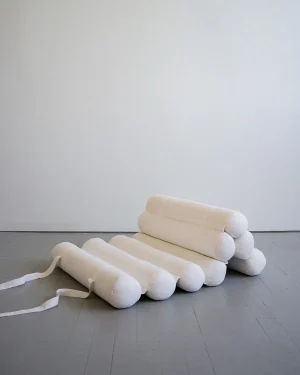 In stock
Camille – Versatile Pouf
By Atelier Alz
€1.000 -
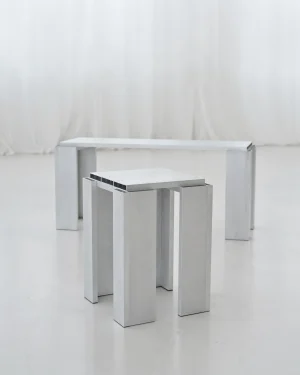
Al01 Aluminum Stool
By NOSTUDIO
€750 -
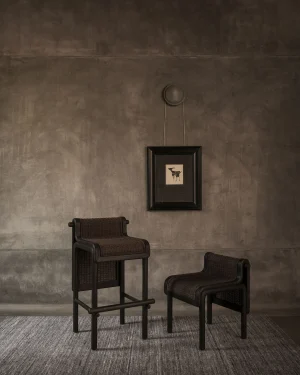
Rahi Stools
By Project 810
€1.200 - €1.500 This product has multiple variants. The options may be chosen on the product page -
 In stock
Cowgirl Oxidized Bar Stool
By Toro Manifesto
€3.505 -
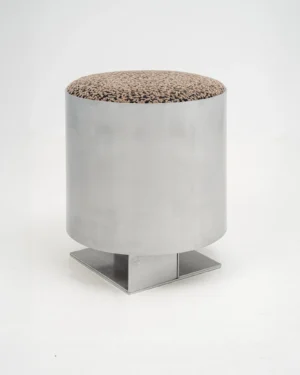
Strut Aluminum Handcrafted Pouf With Fabric Seating
By Yet Design Studio
€1.250 This product has multiple variants. The options may be chosen on the product page -
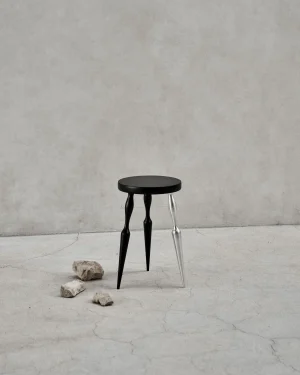 In stock
One Silver Legged Stool – Black / White
By Undress House
€800 This product has multiple variants. The options may be chosen on the product page -
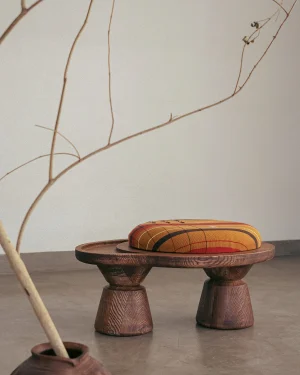
Müra Ottoman
By Shivangi Vasudeva
€2.100 -

Junco Stool
By Daniel Couttolenc
€1.500 This product has multiple variants. The options may be chosen on the product page -
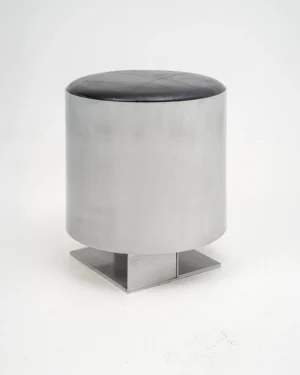
Strut Aluminum Handcrafted Pouf With Genuine Leather Seating
By Yet Design Studio
€1.250 This product has multiple variants. The options may be chosen on the product page -

Ludovica – Stone Stool / Side Table
By Studio Ayres
€1.960 This product has multiple variants. The options may be chosen on the product page -

Slide Stool / Chair
By Ziroru Studio
€1.360 -
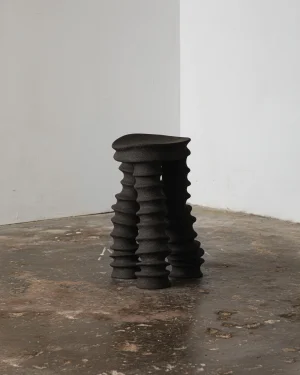
Taburet – Sculptural Ceramic Low Stool
By Catalin Filip
€1.100 -
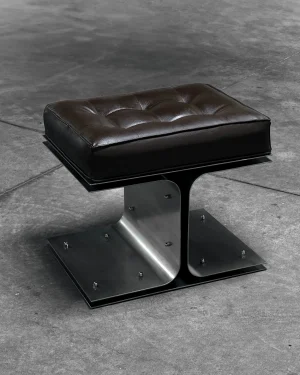 In stock
Wrp-001 Stainless Steel And Vegan Leather Ottoman / Stool
By NAVE
€1.990 -
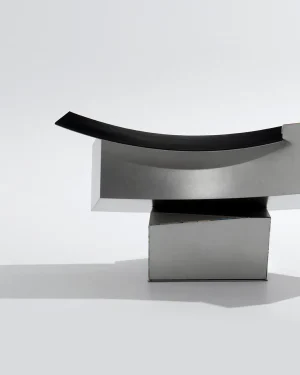 In stock
Objects Of Function No.2403 – Stainless Steel Stool
By Park Eunchong Studio
€3.300 -
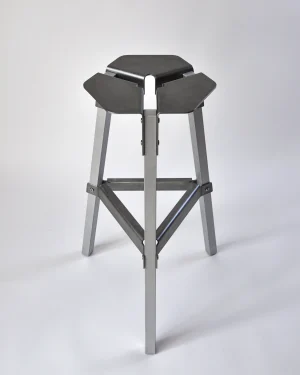 In stock
Trinity300 High Stool – Matte Stainless Steel & Aluminium
By MLK Furniture
€1.390 -
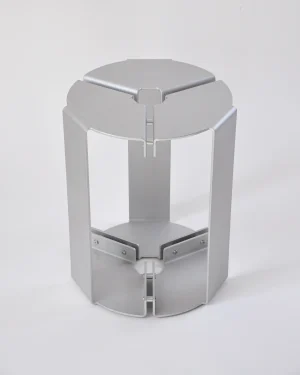 In stock
Rln 350 Stool – Matte Aluminium
By MLK Furniture
€550 -
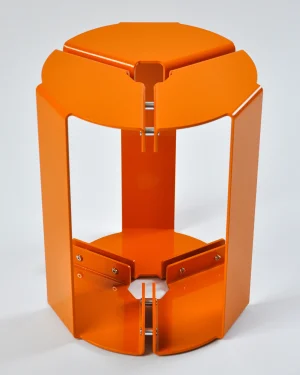 In stock
Rln 350 Stool – Orange Powder Coated
By MLK Furniture
€550 -
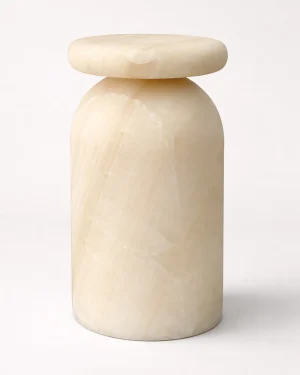
Cult Stool – Sculptural Side Table In White Onyx
By Panorammma Atelier
€2.500 -
 In stock
Bd15 Stool
By EQUILIBRI-FURNITURE
€300 -
 In stock
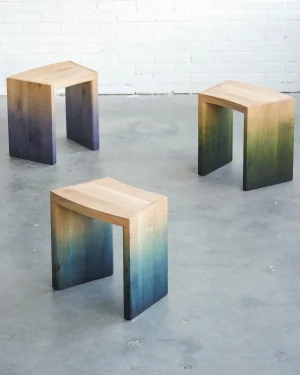
Dawn – Stool
By Studio Onno Adriaanse
€732 This product has multiple variants. The options may be chosen on the product page -
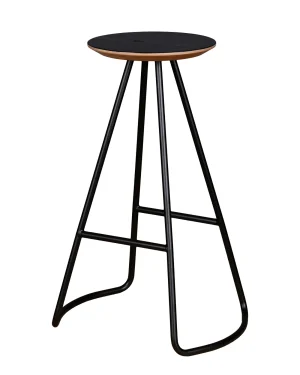
Sama – Contemporary Bar Stool
By Studio Kali
€640 This product has multiple variants. The options may be chosen on the product page -
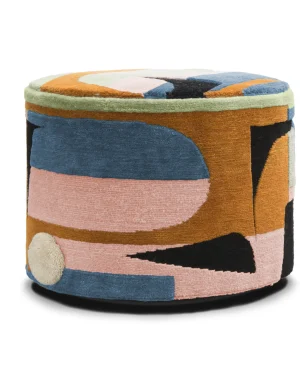
Hilma Pouf – Tibetan Wool / Wooden Base
By Lyk Carpet
€2.605 -
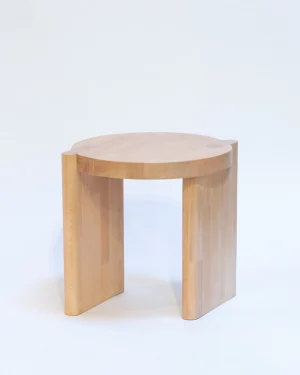
Shift Stool – Beech
By Studio Yann Gandon
€690 -
 In stock
Shift Stool – Ash – Light Purple
By Studio Yann Gandon
€550 -
 In stock
T15 Stool
By FabBRICK
€1.187 -
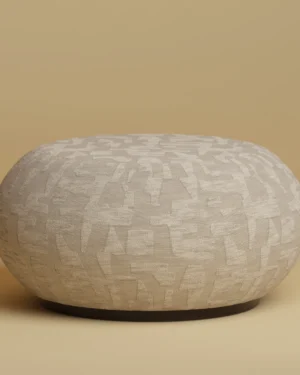
Wooden Stool Pouf – Kuna Series In Smoked Oak
By Lebanto
€3.700 -
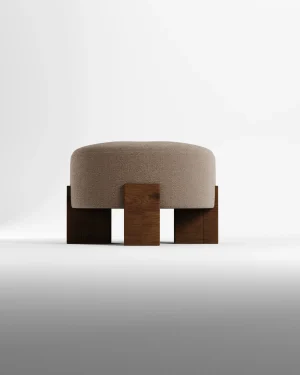
Cassette – Upholstered Stool
By Alter Ego Studio
€2.460 -
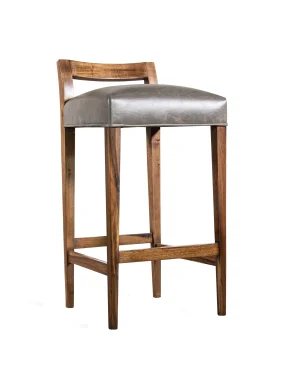 In stock
Umberto – Exotic Wood Contemporary Low Back Stool
By Costantini Design
€1.640 - €1.680 This product has multiple variants. The options may be chosen on the product page -
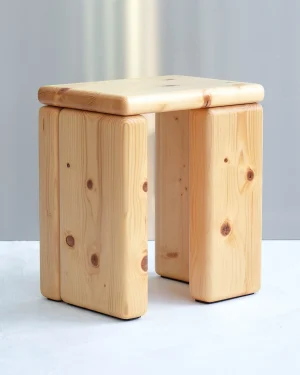 In stock
Timber – Pine Stool
By Studio Onno Adriaanse
€678 -
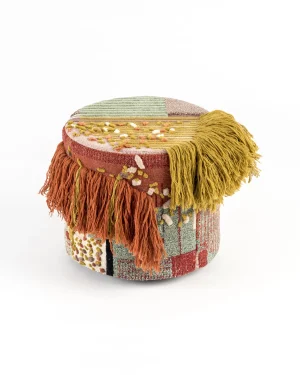 In stock
Hilde Pouf – Tibetan Wool / Wooden Base
By Lyk Carpet
€2.605
Contemporary stools are built around spare forms, honest materials and a mix of ways of making that studios keep rotating: turned or cast metal, solid wood, molded leather and woven textile. Studios reach these results through metalwork, wood and cabinetmaking, upholstery, leatherwork, sculpting and stone carving, often combining two or three techniques on a single stool. The result is a seat that reads as purposeful rather than decorative, built to work as hard at a kitchen island as it does beside a sofa.
What defines a contemporary stool
These contemporary stools favor clean lines over ornament, with legs, frames and seats reduced to the parts that actually carry weight. Materials are left honest: aluminum keeps its brushed or anodized surface, oak and walnut show their grain, leather is left to crease and darken with handling. Color plays a structural role too — black, silver and gray read as neutral, while sienna, gold or light purple give a stool enough presence to work as the only accent in a room.
The materials and techniques behind these stools
On ADORNO, contemporary stools span aluminum, stainless steel and mixed metals finished by powder coating or left raw; walnut and oak seats shaped through wood and cabinetmaking; and leather or textile seats built through upholstery and leatherwork. Some studios sculpt a stool from a single block or cast it in one pour, others carve stone seats that read as solid, settled objects. Edition sizes vary by studio, running from open editions produced on an ongoing basis to numbered limited runs and genuine one-off pieces.
Studios working mainly in aluminum, steel or other metals sit under metal stools, while those built from walnut, oak and other solid woods are gathered under wooden stools.
How to choose a contemporary stool
Start with height: counter stools generally need a seat around 24 to 26 inches, bar stools closer to 28 to 30 inches, measured against the counter or bar edge rather than the floor. Leave at least 10 to 12 inches between the seat and the underside of the counter so knees clear comfortably. Scale matters as much as height — a stool with a wide footprint or deep seat needs more room on each side than a slim metal frame.
Finish should match how the piece will be used. A powder-coated metal frame or sealed leather seat tolerates daily knocks at a kitchen island, while a raw oak or walnut stool with an open grain suits lower-traffic spots where it can age slowly. For an even sparer take on the same idea, minimalist stools strip the form down to a single material and one or two visible joints.
Where contemporary stools fit
Kitchen islands and home bars are the obvious place, where a run of matching stools adds seating without closing off the room. The same pieces work just as well pulled up to a console, tucked under a desk, or left as a single sculptural object in a hallway. For seating meant to stay in a living space rather than move to the counter, living room stools cover lower, softer options built for lounging rather than perching.
Caring for metal, wood and upholstered stools
Powder-coated and stainless steel frames need only a damp cloth; harsh solvents can dull the coating, so mild soap is enough. Oak and walnut seats should be kept away from direct heat and standing water, which can warp or stain the grain, and benefit from an occasional wipe with an oil suited to the wood. Leather seats soften and darken with handling — wipe spills quickly, keep the piece out of direct sun to slow fading, and treat any visible marks as part of how the leather settles rather than damage to fix.
For the full range of seat heights, materials and finishes, the stools category covers every style, while every contemporary piece on ADORNO carries the same pared-back approach through lighting, furniture and objects.
How do I choose a contemporary stool?
Start with how it will be used, perching at a kitchen island calls for a higher seat than a low stool beside a sofa. Let material and finish follow the room, aluminum and steel read sharp and cool, oak and walnut bring warmth.
What materials are contemporary stools made from?
Many are worked in aluminum, stainless steel or welded metal, often powder coated for a matte or colored finish. Others are turned from oak or walnut, or combine a wood or metal frame with leather or textile upholstery.
How do I care for a metal or wood stool?
Wipe metal and powder coated surfaces with a dry or lightly damp cloth, avoiding abrasives that can scratch the finish. Oak and walnut need occasional oiling or waxing and should stay away from direct heat and standing water.
What height stool should I get for a counter or bar?
Standard kitchen counters, around 36 inches high, pair well with counter stools near 24 to 26 inches, while taller bar counters need stools closer to 28 to 30 inches. The maker can confirm exact measurements through Chat with the maker on the piece's page.
Where do contemporary stools work best in a home?
They anchor kitchen islands and home bars, add flexible seating in a living room, and slot into entryways or studies where a chair would feel too heavy. Their compact footprint makes them easy to move between rooms as needed.
What about shipping, returns and buying through ADORNO?
Shipping is insured and worldwide, with a 14-day return policy (made-to-order pieces are excluded). Every piece comes with a certificate of authenticity, and ADORNO offers a lowest-price guarantee.