








-
 In stock
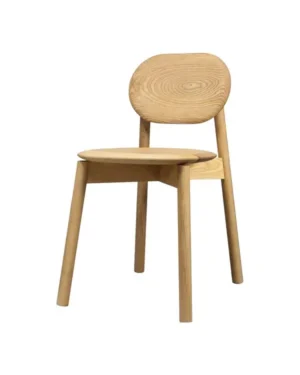
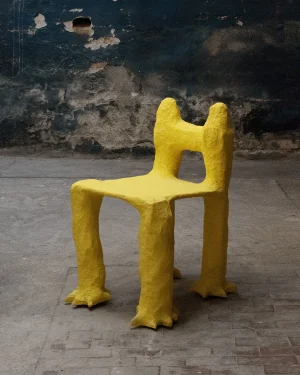
Zampa
By Jonathan Bocca
€2.700 -
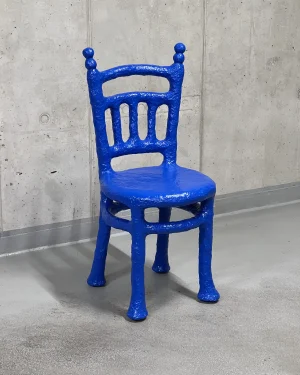
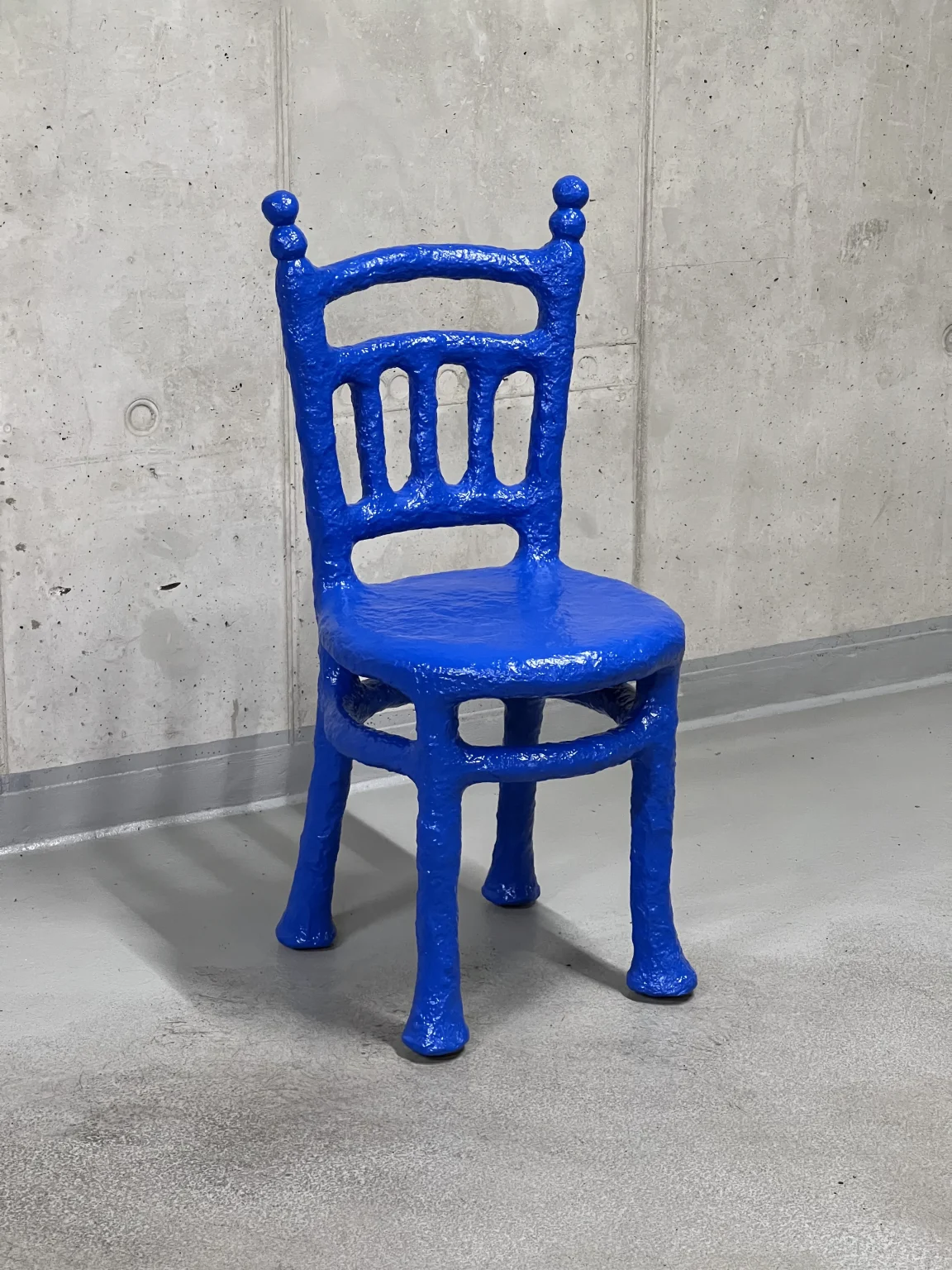
Blue Papier-mâché Chess Chair
By David Čáp
€1.000 -
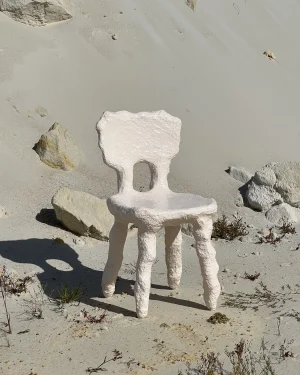
Crispy Chicken Light Orange Papier-mâché Chair
By David Čáp
€1.000 -

Pink Papier-mâché Chair
By David Čáp
€1.000 -

Charcoal-drawn Papier-mâché Chair
By David Čáp
€1.000 -
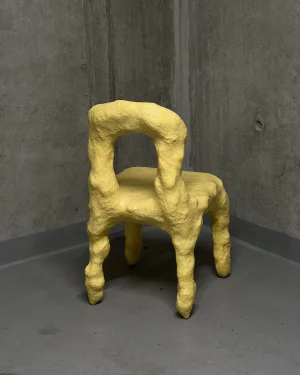
Textured Yellow Papier-mâché Chair
By David Čáp
€1.000 -
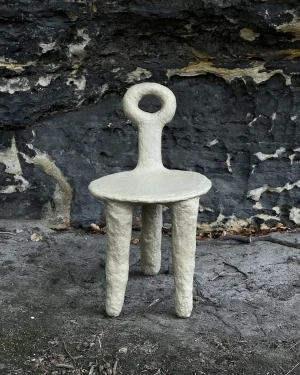
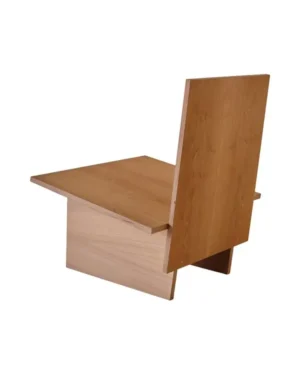
Sandstone Chair
By David Čáp
€1.000 -
 In stock
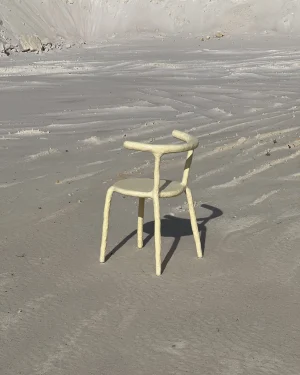
Light Yellow Papier-mâché Chair
By David Čáp
€1.000 -
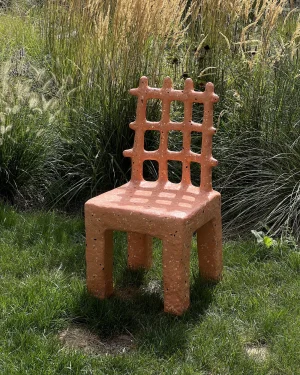
“terazzo” Brick Chair
By David Čáp
€1.500 -
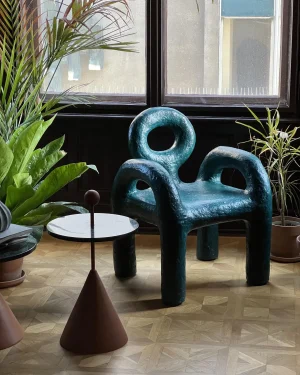
Aoa Armchair Dark Turquoise
By David Čáp
€1.500 -
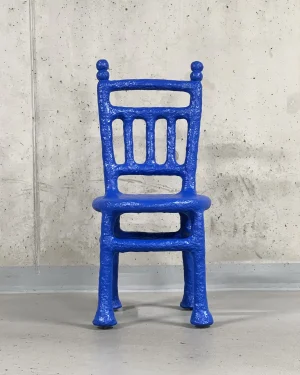
Chess Chair 2 Blue
By David Čáp
€1.000 -
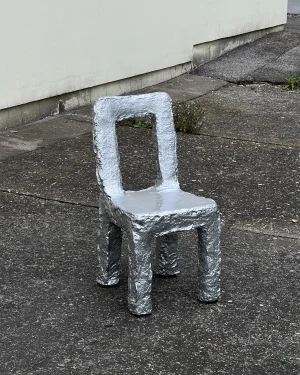
Silver Dough Chair
By David Čáp
€1.000 -

Chunky Armchair Dark Turquoise
By David Čáp
€1.500 -
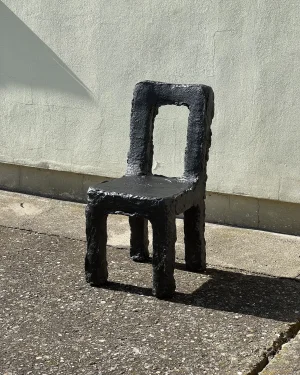
Black Dough Chair
By David Čáp
€1.000 -

Black Grill Papier-mâché Chair
By David Čáp
€1.000 -
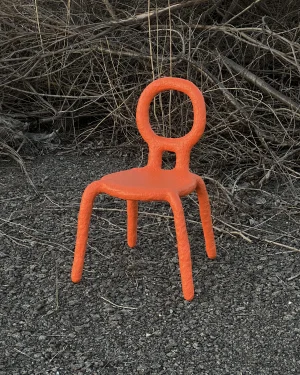
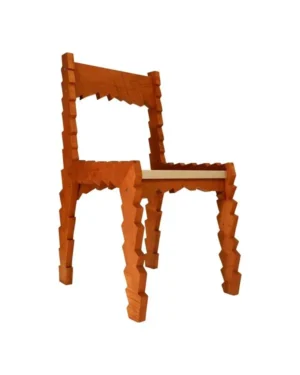
Frog Chair – Orange Matte
By David Čáp
€1.000 -
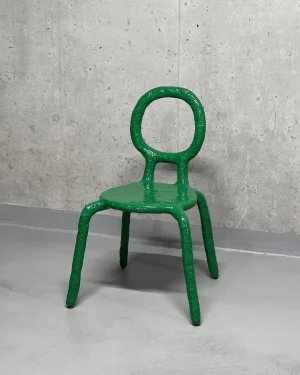
Frog Chair Green Gloss
By David Čáp
€1.000 -
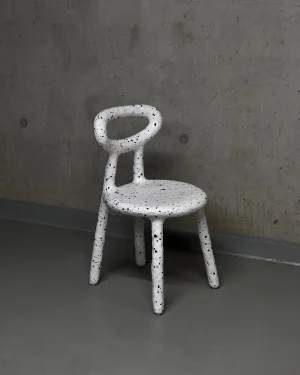
Stracciatella Papier-mâché Chair
By David Čáp
€1.000 -
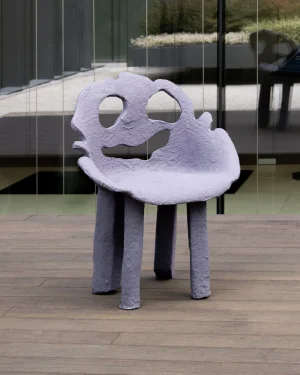
Violetta Accent Chair
By Jonathan Bocca
Price Upon Request
Paper chairs are seats built from pulp, pressed sheet or layered papier-mâché, worked by studios that treat paper as a structural material rather than a surface to cover. Some start as wet pulp pressed into a mold and left to dry into a rigid shell; others are built sheet by sheet, hand-built and sealed until the surface reads closer to stone or lacquered wood than to paper at all. The making is slow and the result is light in the hand but stable enough to hold a sitter's weight.
What defines paper as a seating material
Paper behaves differently once it is layered, pulped or bonded with resin. Thin on its own, it gains strength the way plywood does, through repetition: sheets stacked and pressed, or pulp built up in a mold, until the walls of the chair are thick enough to carry load. The finished surface can stay close to raw paper, pale and faintly fibrous, or be sealed, painted or lacquered until it resembles ceramic.
Weight is usually the first thing people notice. A paper chair is often lighter than an equivalent piece in wood or steel, which makes it easier to move between rooms but also means it rewards placement away from heavy daily use, such as a shifted dining chair pulled in and out several times a day.
The range found among paper chairs
Studios working in paper rarely use it alone. Pulp and papier-mâché are the base, but frames and legs often come in steel, wood or alder, and some pieces mix in sand, sandstone, foam or other recycled material for weight at the base or padding at the seat. Finishes run from raw pulp and painted surfaces to forms worked with painting and drawing as a separate layer of decoration, alongside sculpting and welding where metal parts meet the paper shell.
Styles span a similarly wide field, from restrained, minimalist forms to the saturated color and odd proportion of maximalism, radical and space age design. Color choices lean toward black, black and white, cobalt blue, turquoise, green and light yellow, often used as a single flat field rather than a pattern. Most pieces are open editions, made to a repeatable process, though unique pieces turn up where a studio hand-finishes or paints each shell on its own. For a wider view of how paper is used beyond seating, the full range of paper furniture on ADORNO and every paper piece across categories are worth comparing against the chairs.
How to choose a paper chair
Scale matters more with paper than with denser materials, since a shell that reads as sculptural at a distance can feel slight up close. Check seat height against a table or desk the way you would any dining chair, and consider whether the piece will be sat in daily or used as an accent seat in a quieter corner.
- Finish: raw and fibrous surfaces show handling over time; sealed or lacquered finishes resist marks better.
- Color: a saturated shell works as a single statement; paler, undyed pulp sits more quietly among other materials.
- Placement: lighter pieces suit rooms where a chair moves occasionally, rather than furniture pushed and pulled many times a day.
Where paper chairs work
These pieces suit rooms where a chair is looked at as much as used: a reading corner, a study, an entry, or a living room arranged around a few considered pieces rather than a full dining set. Paired with wooden chairs or steel-framed seating, a paper piece reads as the lighter, more sculptural note in the room.
Caring for a paper chair
Keep paper chairs away from standing water and high humidity, which can soften pulp and warp a pressed shell over time. Dust with a dry or barely damp cloth, avoid placing them in direct sun for long stretches if the finish is painted, and treat them as seating for moderate, regular use rather than daily heavy traffic. For the wider set of seating this sits within, the full range of chairs on ADORNO shows how paper compares with wood, metal and upholstered forms.
Are paper chairs sturdy enough for everyday use?
Most are built from paper pulp or layered paper over an internal frame, often reinforced with steel or wood, which lets them carry weight like any chair. Check the piece's page for load details, or chat with the maker directly.
How do you care for a paper chair?
Keep paper chairs dry and out of direct sun, which can fade or weaken the surface over time. Dust with a soft cloth, and avoid damp rooms or placing drinks directly on the seat.
What size and seat height do paper chairs come in?
Sizes follow standard chair proportions, with seat heights similar to wood or metal dining and accent chairs. Exact dimensions vary by piece, so check the listing or ask the maker for specifics.
Which rooms suit a paper chair best?
Dry, temperate spaces work well, think living rooms, bedrooms and studies rather than bathrooms or covered outdoor areas. Many read as sculptural accent seating as much as everyday chairs.
Are paper chairs handmade or one of a kind?
Many are shaped through papier-mache, hand-building or paperwork, techniques that often produce unique pieces or open editions. The maker can confirm whether a specific chair is one of a kind.
What are ADORNO's shipping and return policies for paper chairs?
Shipping is insured and sent worldwide, and returns are accepted within 14 days, excluding made-to-order pieces. Every chair ships with a certificate of authenticity and ADORNO's lowest-price guarantee.