









-

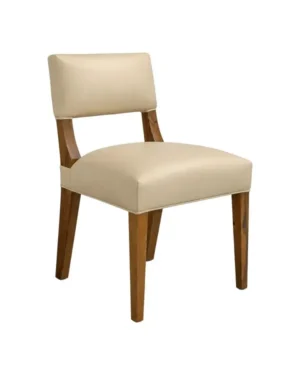
Sandstone Chair
By David Čáp
€1.000 -

Bold Shkam Chair – Yellow
By SHAPE & SHADE
€333 -

Bold Shkam Chair – Red
By SHAPE & SHADE
€333 -
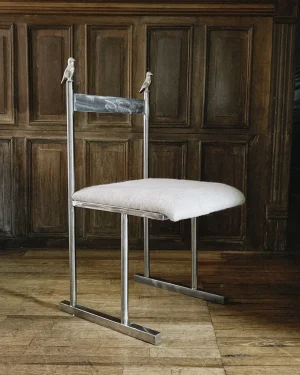
School Chair – Upcycled Materials
By Around the Studio
€1.500 -
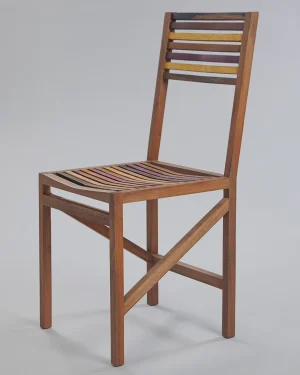
Moza Chair
By am.o atelier
€1.052 -
 In stock
Trestle Chair
By Vital Lainé
€1.000 -
 In stock
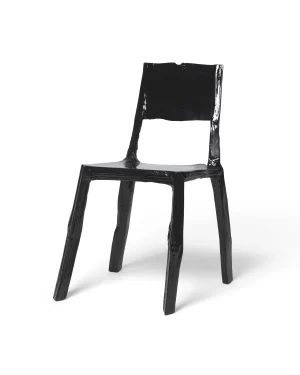
Splitted Dining Chair Black
By Teun Zwets
€1.765 -
 In stock
Miki Dining Chair
By Heaps & Woods
€1.531 - €1.625 This product has multiple variants. The options may be chosen on the product page -
 In stock
Boni Dining Chair
By Heaps & Woods
€2.750 - €2.937 This product has multiple variants. The options may be chosen on the product page -

Slide Chair
By Studio Yann Gandon
€1.250 -
 In stock
Splitted Dining Chair
By Teun Zwets
€1.765 This product has multiple variants. The options may be chosen on the product page -
 In stock
Light Yellow Papier-mâché Chair
By David Čáp
€1.000 -
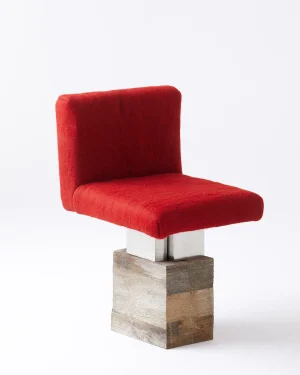
Tbilisi Street Chair – Upcycled Materials
By Around the Studio
€1.500 -
 In stock
Charcoal-drawn Papier-mâché Chair
By David Čáp
€1.000 -
 In stock
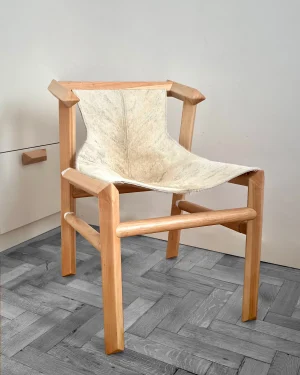
Hairy Leather Dining Chair
By espina corona
€990 -
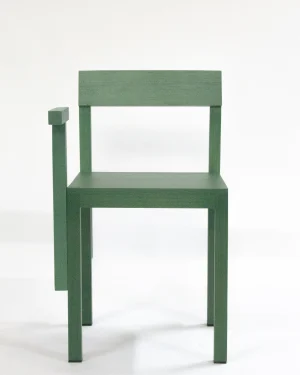
Sm1 – Tauari Colored Wood Chair
By Luiz Solano
€1.400 - €1.500 This product has multiple variants. The options may be chosen on the product page -

Bold Shkam Chair – Blue
By SHAPE & SHADE
€333 -
 In stock
Luna Chair
By Arbore x Cezar Moldovan
€1.988 -

Random Chair – Upcycled Materials
By Around the Studio
€1.400 -
 In stock
Avivé Chair – Maple
By Vital Lainé
€1.000 -
 In stock
Silver Dough Chair
By David Čáp
€1.000 -
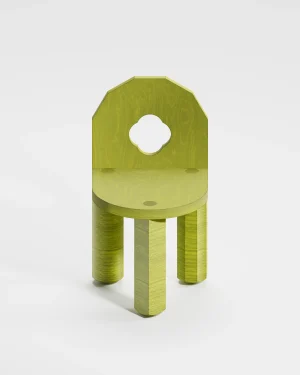
Bold Shkam Chair – Green
By SHAPE & SHADE
€333 -
 Sold
SoldFrog Chair – Orange Matte
By David Čáp
€1.000 -
 In stock
B. S. P Series – Recycled Plastic Chair
By Atelier SOHN
Price Upon Request -
 In stock
B. S. P Series – Recycled Plastic Chair
By Atelier SOHN
Price Upon Request
Sustainable dining chairs bring together reclaimed wood, recycled plastics, paper pulp and plant-based fibers, worked by studios that choose process and provenance as carefully as form. Oak offcuts, ocean-bound plastics and pressed pulp all find their way into a seat built to carry weight meal after meal, year after year. What unites these pieces is restraint: fewer materials, honest joints, finishes that age rather than wear out.
What makes a dining chair sustainable
A chair earns the word through what it is made from and how it is put together, not through marketing language alone. Studios here work with recycled aluminum, reclaimed oak, felted wool offcuts, terracotta composites and paper pulp pressed into shell forms. Others turn to biofabrication, growing or cultivating material rather than extracting it, or rely on joinery and cabinetmaking that avoids glue-heavy composites in favor of screws, dowels and mortise joints that can be taken apart and repaired.
Materials and techniques found here
Wood remains the most common base, oak chosen for its density and its ability to take decades of use without splitting. Plywood appears where a single sheet can be steam-bent into a seat and back without waste. Paper pulp and felt turn up in lighter, upholstered-feeling seats, molded or felted into shape rather than cut and sewn. Stainless steel and recycled metal carry frames that will not warp, while terracotta and other fired or pressed composites bring warmth to a dining table without relying on virgin timber.
- Wood and cabinetmaking: oak, reclaimed timber, visible joinery
- Metalwork: recycled aluminum and stainless steel frames
- Biofabrication and papier-mâché: pulp and fiber shells, molded rather than carved
- Felting and weaving: seat pads and backs built from pressed or looped fiber
Colors run from the sand, beige and black of raw or lightly finished wood and metal to stronger blues, greens and oranges where a studio has chosen to dye felt, lacquer plywood or stain a seat shell. Some pieces are open editions, made to a repeatable specification; others are limited editions or unique pieces, each one carrying small variations from the material or the hand that shaped it.
How to choose one
Start with the table. A dining chair should let a sitter's forearms rest level with the tabletop, which generally means a seat height close to eighteen inches, though a thicker cushion or a lower frame will shift that slightly. Measure the width at the elbows too: chairs built from solid wood or welded steel tend to hold their shape at the arms, where a pulp or felt seat may compress slightly over years of use.
Finish matters as much as form. An oiled oak frame will show more grain and darken faster than a lacquered one, while raw or untreated metal will need a wipe to stay bright. If the chairs will sit under a window or near a radiator, ask whether the finish is suited to direct light and dry heat, since pulp and felt pieces are more sensitive to both than solid wood or steel.
Where these chairs sit well
Dining chairs built from reclaimed or recycled material suit rooms where the material itself is part of the conversation: a dining room with an oak or stone table, a kitchen with open shelving, or a living room table that doubles as a desk. Paired with other sustainable furniture, they read as a considered set rather than a single statement piece.
Care, by material
Wood and plywood chairs want an occasional wipe with a damp cloth and, for oiled finishes, a yearly reapplication to keep the surface from drying out. Metal frames need little beyond dusting, though recycled aluminum left unlacquered can be buffed if it dulls. Felt and paper pulp seats should stay away from standing water and direct sun, which will fade dyed fiber and soften pressed pulp over time.
For a broader look at frames and joinery, the full range of dining chairs spans more styles and materials, while wooden dining chairs and metal dining chairs narrow the search to a single base material for anyone set on oak, steel or aluminum.
How do I choose a sustainable dining chair?
Look at the material first: solid wood, recycled content or pressed plywood each age and perform differently. Match the frame and seat to how often the chair moves and how much weight it carries daily.
What materials are sustainable dining chairs made from and how do I care for them?
Common materials include oak and other woods, recycled material, plywood, paper pulp and felt. Wipe wood with a damp cloth and oil it occasionally; keep felt and paper pulp away from standing water.
What is the standard height of a dining chair?
Most dining chairs sit between 17 and 19 inches from floor to seat, suited to tables around 29 to 30 inches tall. Check the seat height against your table before ordering.
Which rooms suit sustainable dining chairs?
They work in dining rooms and open-plan kitchens, and pull easily into a living room or home office for extra seating. Lighter materials like plywood or felt move between rooms without strain.
Can I order a custom sustainable dining chair?
Some makers take custom requests in different woods, colors or finishes. Use Chat with the maker on the piece's page to ask directly.
What are ADORNO's shipping and return terms for dining chairs?
Shipping is insured and worldwide. Returns are accepted within 14 days, except made-to-order pieces, and each chair arrives with a certificate of authenticity.