





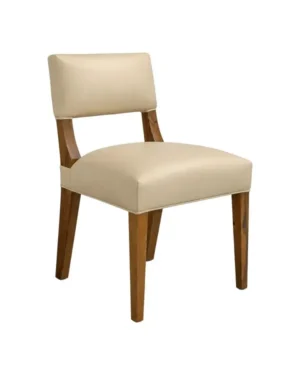




-
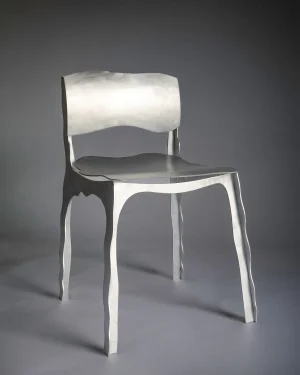
Contemporary Vanity Chair V2
By Six Dots Design
€920 -
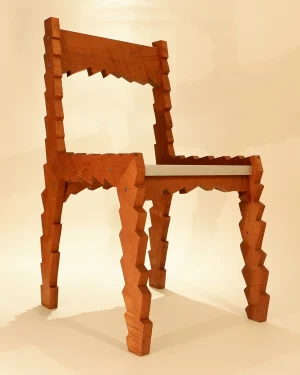
Shocking Chair – Stained Oak Wood Dining Chair
By Josh Page Studio
€940 -
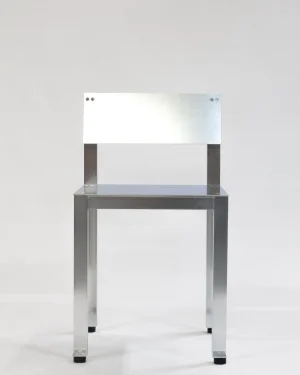 In stock
Canto – Aluminum Dining Chair
By Luiz Solano
€840 -
 In stock
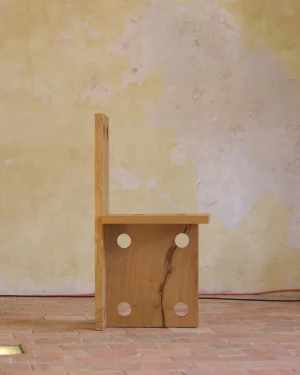
Sensitive Wood – Domino Chair
By Vital Lainé
€1.000 -

Rounded Edges Aluminum Chair
By LESORR
€1.273 This product has multiple variants. The options may be chosen on the product page -
 In stock
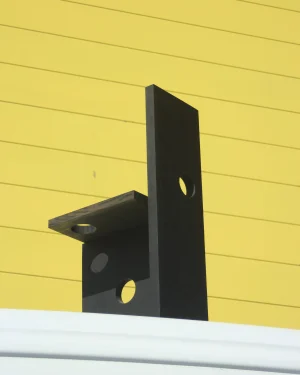
Toptun Chair
By FAINA
€1.980 This product has multiple variants. The options may be chosen on the product page -
 In stock
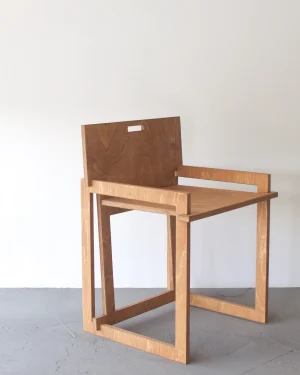
O Chair – Oak Dining Chair
By Vital Lainé
€800 -
 In stock
Sedia Quadra Natural
By Edoardo Lietti Studio
€790 -
 In stock
Light Yellow Papier-mâché Chair
By David Čáp
€1.000 -
 In stock
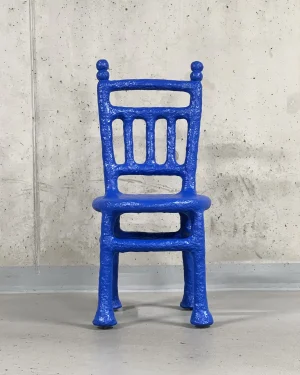
Chess Chair 2 Blue
By David Čáp
€1.000 -
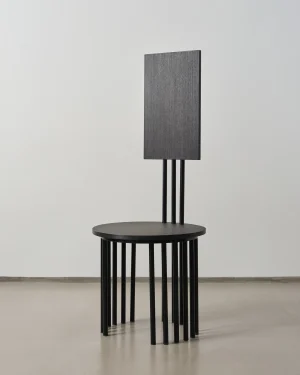
Reina Chair
By Studio Mohs
€1.614 -
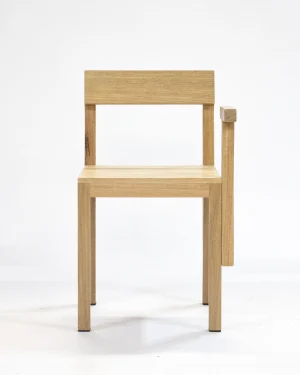 In stock
Sm1 – Tauari Wood Chair
By Luiz Solano
€1.100 -
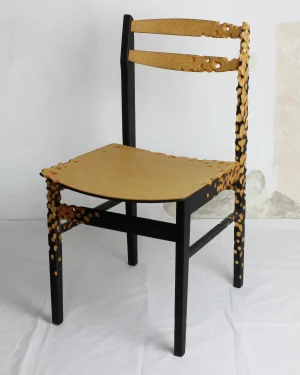
N1 Chair
By Gábor Góbi
€1.990 -
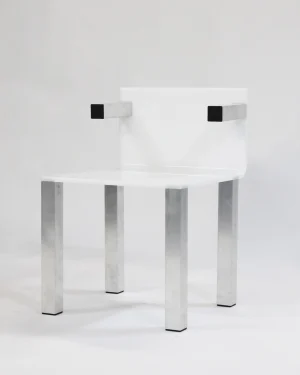
Acrilar – Acrylic Chair With Aluminum Armrest
By Luiz Solano
€1.250 -
 In stock
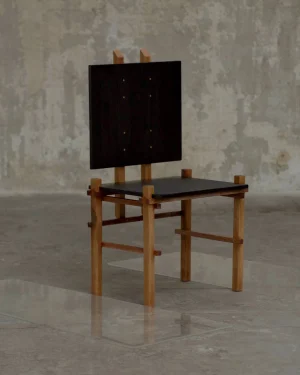
Charcoal-drawn Papier-mâché Chair
By David Čáp
€1.000 -
 In stock
Lava – Symmetrical Wooden Chair
By Jaclyn Pappalardo
€1.285 -
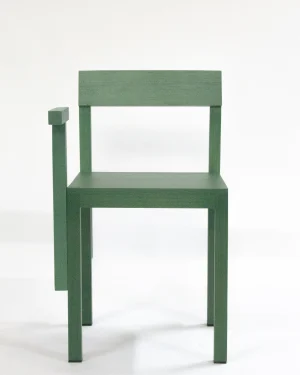
Sm1 – Tauari Colored Wood Chair
By Luiz Solano
€1.400 - €1.500 This product has multiple variants. The options may be chosen on the product page -
 Sold
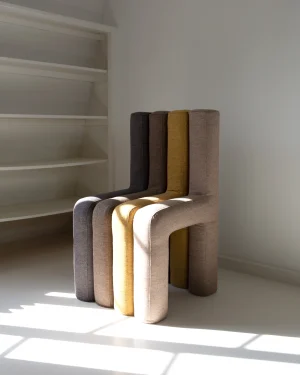
SoldMeta Chair – Upholstered Modular Chair
By Jaclyn Pappalardo
€2.340 -
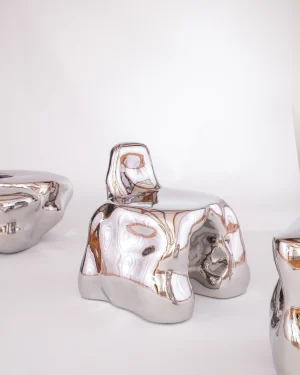
Surface Chair – Mirror Polished Stainless Steel
By studio NAWA
Price Upon Request
Radical dining chairs treat the seat at the table as a place to test an idea rather than settle a formula. Studios working in welded steel, laser-cut aluminum, oak wood, recycled material and papier-mâché push proportion, color and joinery past the point where a chair reads as quietly functional. The result sits at a table but argues with the room around it.
What makes a dining chair radical
The radical label describes an attitude more than a single material. A seat might be stamped from a single sheet of steel, built from stacked paper pulp, or bolted together from aluminum sections normally reserved for industrial fittings. What ties these pieces together is a refusal of the standard four-legged silhouette: backs flare, seats tilt, colors run to cobalt blue or amber rather than beige, and the structure of the chair is left visible instead of smoothed away.
Materials, finishes and techniques in the range
Within this style, metal dominates: steel, stainless steel and aluminum appear bent, welded or laser cut into geometric frames that carry weight on thin sections. Oak wood and other solid woods show up worked through joinery and cabinetmaking, often painted rather than left in a natural finish. Paper pulp and other recycled material are built up through papier-mâché or biofabrication into seats with a soft, matte surface closer to stone than paper. Upholstery appears mostly as a single bold panel of color, not a full cover, so the frame stays the main event.
Editions run from open runs, repeatable in the same materials and finish, to limited editions and unique pieces where color, weld pattern or surface texture will vary slightly from one chair to the next. Anyone furnishing a full table should check whether a run is open before committing to a set of six or eight.
Choosing a radical dining chair for scale and finish
Seat height still has to meet the table: look for a seat around 17 to 19 inches from the floor so knees clear the apron comfortably. Beyond that, scale is a visual decision as much as a practical one. A chair with a tall, sculptural back reads as a single piece of architecture and works best spaced out around a table rather than packed in tight.
- Match finish to use: painted steel and sealed oak shed marks more easily than raw aluminum or unsealed paper pulp.
- Pick one strong color, such as cobalt blue or amber, and let the rest of the room stay quiet.
- Mix a set of radical chairs with a plain table rather than another patterned piece, so the chairs carry the statement.
Where these chairs work in a room
These pieces suit a dining room built around one or two statement objects rather than a full set of matching furniture. A single radical chair at the head of an otherwise plain table, or paired with a wooden dining chair set for the rest of the table, keeps the effect pointed rather than overwhelming. In open-plan spaces, radical dining chairs can also do double duty near a kitchen island or a sideboard, standing in as occasional seating when the table itself is elsewhere.
Caring for metal, wood and papier-mâché finishes
Welded steel and aluminum hold up to daily wear but should be wiped dry after spills, since standing water will eventually dull a painted surface and can encourage rust on untreated steel. Oak and other solid woods react to humidity by swelling and contracting slightly, so keep them away from direct heat and dust with a dry cloth rather than a wet one. Paper pulp and papier-mâché pieces are the most sensitive of the group: they prefer a dry room, away from direct sun, and are better wiped than washed.
For the wider range of seating built around the same attitude, the radical seating and radical furniture groupings cover chairs, stools and case pieces that share this material language beyond the dining table. For a steadier read on form, metal dining chairs narrows the material down, while the full dining chairs range and chairs grouped for the dining room show how radical pieces sit alongside quieter ones.
How do I choose a radical dining chair?
Start with the material and silhouette that break from convention, whether welded metal, laser-cut steel, or molded paper pulp, then check how the form holds up under daily sitting and clearing.
What materials are radical dining chairs usually made from?
Expect aluminum, steel, stainless steel, oak wood, and recycled material, worked through metalwork, joinery, laser cutting, or papier-mâché, chosen as much for sculptural effect as for strength.
How do I care for a metal or paper pulp dining chair?
Wipe metal chairs with a dry or barely damp cloth and keep them from prolonged moisture to avoid corrosion; paper pulp pieces should stay dry and out of direct sun, which weakens the fibers over time.
What size and seat height should a dining chair be?
Most dining chairs sit between 17 and 19 inches at the seat, matched to standard dining tables around 29 to 30 inches tall, though radical forms sometimes shift these proportions for visual effect.
Which rooms suit radical dining chairs?
They anchor dining rooms and open-plan kitchens where a bold form can stand against plainer surroundings, and work equally well pulled up to a desk or used as sculptural accent seating.
Does ADORNO offer worldwide shipping and returns on these chairs?
Shipping is insured and worldwide. Pieces can be returned within 14 days, except made-to-order orders, and each comes with a certificate of authenticity plus a lowest-price guarantee.