








-
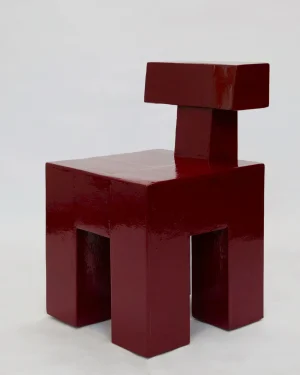
The Practice Chair
By Studio Fabius Clovis
€2.200 This product has multiple variants. The options may be chosen on the product page -

A_forma Chair
By AROUND
€900 -

Bold Shkam Chair – Yellow
By SHAPE & SHADE
€333 -
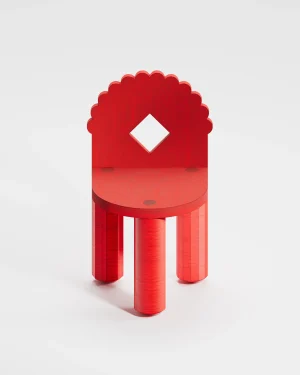
Bold Shkam Chair – Red
By SHAPE & SHADE
€333 -

Split Accent Chair
By ASUL-STUDIO
€1.900 -
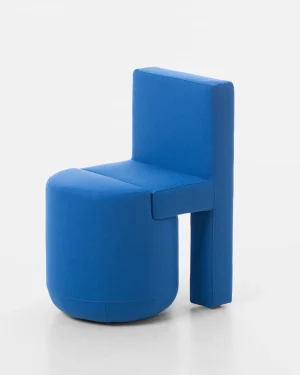 In stock
Fossil Dining Chair
By oitoproducts
€1.534 -
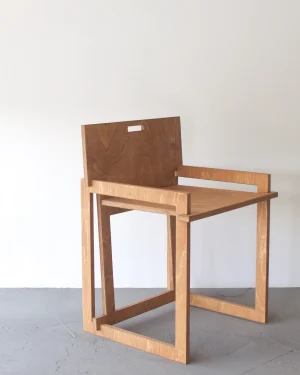 In stock
Sedia Quadra Natural
By Edoardo Lietti Studio
€790 -
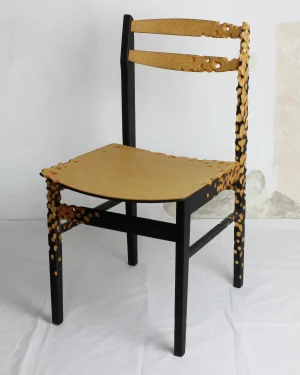
N1 Chair
By Gábor Góbi
€1.990 -

Bold Shkam Chair – Blue
By SHAPE & SHADE
€333 -
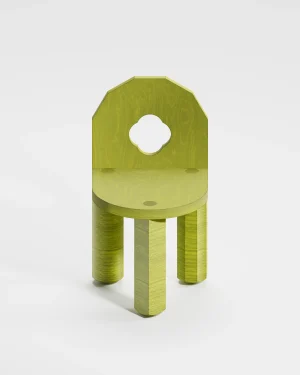
Bold Shkam Chair – Green
By SHAPE & SHADE
€333
Plywood dining chairs are built from thin layers of wood veneer, glued and pressed with the grain of each sheet running against the last, then cut and molded into seats, backs and sometimes legs in a single curved piece. Studios favor the material because it lets a chair bend where solid wood would crack, and because the pressing process can turn a sheet of birch or beech veneer into a seat shell with no joints to loosen over time. The result sits between wooden dining chairs cut from solid timber and the lighter, more sculptural shapes that lamination makes possible.
What plywood brings to a dining chair
Pressed plywood is strong for its weight, so a single curved shell can carry a sitter without the thick legs or stretchers that solid wood needs. The edges, where the layers show as thin stripes, are often left exposed rather than hidden, turning the manufacturing process into part of the look. Birch plywood tends toward a pale, even color that darkens slightly with age and light exposure; other species bring warmer tones.
Finishes, styles and the range on ADORNO
Plywood seats and backs appear bare and lacquered, stained to read closer to walnut or oak, or left raw so the cross-section grain stays visible at the edge. Some studios pair a plywood shell with an upholstered seat pad in cotton, leather or velvet, softening a material that is otherwise firm and slightly springy underfoot. Styles range from strict minimalist forms with no ornament beyond the curve of the shell, through contemporary and midimalist interpretations, to more eclectic or radical takes that twist or stack the plywood layers for effect. Most pieces are open editions, made as a standing design rather than a one-off, though unique pieces in plywood do surface where a studio has altered or hand-finished an individual shell. For the fuller range of plywood furniture beyond the dining table, every plywood piece on ADORNO is gathered in one place, and plywood seating specifically spans chairs, benches and stools worked in the same pressing and veneering techniques.
How to choose a plywood dining chair
Seat height should match the table: a standard dining table calls for a seat around 17 to 18 inches from the floor, with enough clearance under the apron for knees and thighs. Check the depth and curve of the backrest against how long people tend to sit at the table, since a shallow molded shell suits quick meals better than long evenings. Where the chair will be seen against existing wood floors or furniture, match or deliberately contrast the plywood's tone, since the exposed edge grain reads differently under warm and cool light.
- Bare or lightly oiled plywood for a pared-back, minimalist room
- Lacquered or stained shells where the chair needs to read closer to a solid wood piece
- Upholstered seat pads for a dining table used often, where comfort matters more than the shell's texture
Where these chairs sit well
Plywood's light weight makes these chairs easy to pull in and out, stack, or move between a kitchen table and a living room gathering, which is part of why they turn up as often as dining room dining chairs as they do around smaller eating nooks. The same lightness suits open-plan spaces where chairs get rearranged often rather than left in a fixed set. For a narrower look within the material, minimalist dining chairs in plywood tend to pair well with simple tables in oak or walnut.
Caring for plywood
Plywood resists warping better than solid wood but still reacts to sustained damp, so standing water should be wiped away rather than left to sit on a lacquered or bare surface. Direct sun will shift the color of an unfinished shell over the years, so rotating chairs around a table evens out any fading. A soft cloth and a dry wipe are usually enough; avoid abrasive cleaners on lacquered finishes, which can dull the surface faster than ordinary use. For the full set within the broader category, all dining chairs on ADORNO include plywood alongside solid wood, metal and upholstered options.
How do I choose a plywood dining chair?
Look at the edge of the seat or backrest, where the layered grain shows the plywood's strength. Consider how the curve meets your table height and how many chairs you need around it.
How do you care for plywood furniture?
Wipe with a dry or slightly damp cloth, keep it away from standing water, and avoid direct heat sources that can loosen the glue between layers. A coat of wax or oil, if the finish allows it, keeps the surface even over time.
Are plywood dining chairs sturdy enough for daily use?
Yes, plywood's layered construction distributes stress across the grain, which is why it bends into curved seats and backrests without splitting. Properly sealed, it holds up to daily sitting, shifting and stacking.
What is the standard height for a dining chair?
Most dining chairs sit between 17 and 19 inches from floor to seat, matching standard table heights of 28 to 30 inches. Specific measurements for a given piece can be confirmed by chatting with the maker on its page.
Do plywood dining chairs suit every dining room?
Plywood's warm, layered surface reads as understated rather than rustic, so it sits comfortably in minimalist, contemporary or eclectic rooms alike. It pairs with wood, metal or stone tables without competing for attention.
What happens if I need to return a plywood dining chair?
ADORNO offers insured worldwide shipping, a 14-day return policy excluding made-to-order pieces, a certificate of authenticity with every order, and a lowest-price guarantee.