










-

Knot – Accent Chair – Solid Ash Wood
By Luis Gimeno Design
€1.100 -
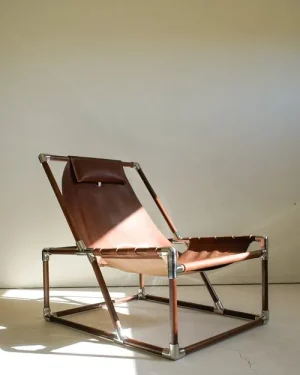
Marina Sling – Lounge Chair
By CHANDLER MCLELLAN
€2.588 -

Better Together Bench
By Studio Victor Hahner
€9.560 -
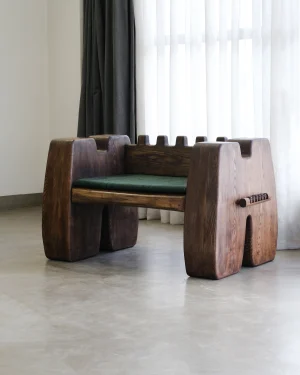
Takhat Armchair
By Shivangi Vasudeva
€5.000 -
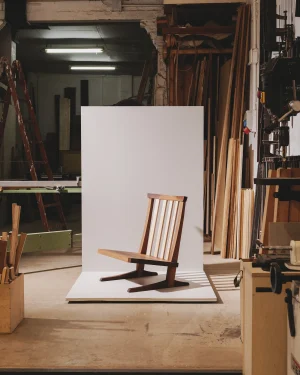
Naka Chair
By Mike Hausmann
€6.280 -

The Andes Huntsman Chair
By CHANDLER MCLELLAN
€3.695 -
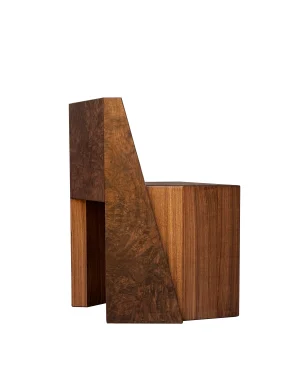
Koza – Accent Chair
By Pablo Sinan Design
€2.000 -

Split Accent Chair
By ASUL-STUDIO
€1.900 -

“your Skin” Chair
By Tributo
€2.180 -

Trigon Chair
By Mokko
€3.280 - €4.410 This product has multiple variants. The options may be chosen on the product page -
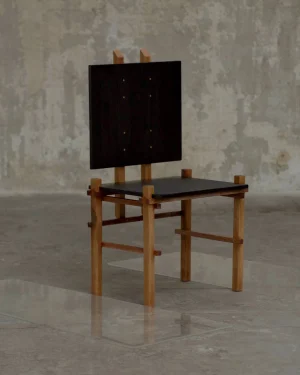
Lava – Symmetrical Wooden Chair
By Jaclyn Pappalardo
€1.285 -

Naka Chair
By Mike Hausmann
€6.280 -

Bow Chair
By Undress House
Price Upon Request -
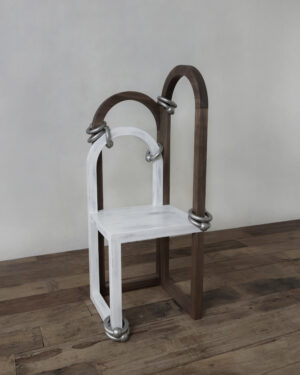
Linked Chair
By Undress House
Price Upon Request -
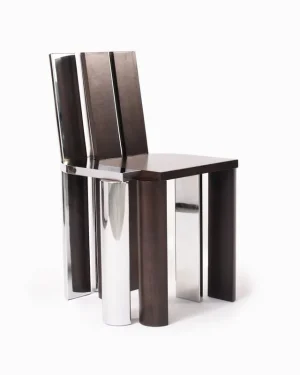
DV Chair – Chrome Edition
By Studio S II
Price Upon Request -

The Walky Chair
By Design VA
€3.995 - €5.740 This product has multiple variants. The options may be chosen on the product page -
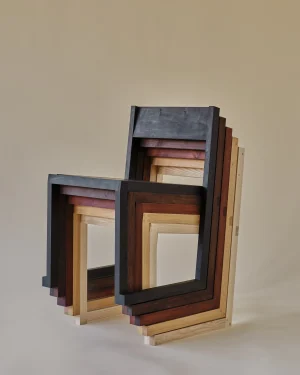
Stacking Chair
By Mock Studio
€1.200
Walnut accent chairs bring one of the most stable and richly colored hardwoods into a single seat built for daily use. Studios favor walnut for its tight grain and natural resistance to warping, shaping it through cabinetmaking, joinery and hand or machine carving into frames that hold their line for decades. The wood's chocolate-brown heartwood and pale sapwood edge give each chair a depth that darkens slightly with light and handling over the years.
What defines walnut in a chair frame
Walnut sits between oak and maple in hardness, dense enough to hold a carved detail or a slim tapered leg without splitting, yet workable enough for steam bending and tight joinery. Its grain runs straighter than oak's, which lets makers carve arms, backs and stretchers with less tear-out and a smoother finish. Left with an oil or light wax finish, the surface stays matte and lets the grain read clearly; a lacquer or satin coat deepens the brown and adds a harder shell against daily wear.
How it's worked, and what else sits alongside it
Across the chairs grouped under accent chairs, walnut rarely stands alone. Seats and backs are often finished in leather or upholstered fabric over a wood-carved or joined frame, while some studios pair solid walnut with steel, aluminum or stainless steel for a slimmer leg or a visible structural detail. Finishes run from matte and bronze-toned hardware to ivory or off-white upholstery that sets off the darker wood tone, and styles span mid-century modern silhouettes, rustic and brutalist frames, minimalist lines and more eclectic, sculptural takes. Editions vary too: some frames come from open runs, others as limited editions or unique, one-off pieces where the carving or joinery marks each chair as distinct. For the full range of wood species and finishes used across this shape, the wooden accent chairs group is worth a look alongside this one.
Choosing a chair: scale, height and finish
An accent chair works best when its scale answers the room rather than fighting it: a low, wide-armed walnut frame reads as restful in a lounge corner, while a narrower, upright carved chair suits a hallway or a small reading nook. Seat height on most accent chairs sits close to standard dining height, so check it against a side table or sofa arm before placing one nearby. Matte oil finishes show fingerprints and light scuffs less than a glossy lacquer, which matters in a high-traffic spot; a darker walnut tone also hides daily wear better than a pale one.
- Pair a carved or steam-bent frame with plain upholstery so the joinery stays the visual focus.
- Keep a one-off or limited-edition chair away from direct sun and heat vents, which dry and fade walnut faster than a shaded spot.
- In a living room, set the chair at an angle to the main seating rather than square against it, so it reads as a distinct piece rather than an extra sofa seat.
Where walnut accent chairs sit well
These chairs suit a living room corner, a bedroom reading spot or a study desk equally, since the wood's warmth works with both soft furnishings and harder surfaces like stone or metal. For seating grouped by room rather than material, the living room accent chairs group covers that placement directly.
Caring for a walnut frame
Dust walnut with a dry or barely damp cloth, since standing water and harsh cleaners can lift an oil or wax finish and dull the grain beneath it. Keep the wood away from direct heat sources, which pull moisture from the timber and can cause joints to loosen over time. A light coat of furniture wax once or twice a year keeps an oiled finish fed and the color even. For other walnut seating built along the same lines, see the full range of walnut chairs, or the broader set of walnut pieces working across tables, storage and lighting.
How do I choose a walnut accent chair?
Look at the grain and joinery first, since these show the quality of the wood and the maker's hand. Consider how the frame's tone sits against your existing floors and furniture before scale or upholstery.
How do you care for walnut furniture?
Keep walnut away from direct sun and steady heat, which dry and fade the wood over time. Dust with a soft cloth and apply oil or wax occasionally to keep the grain fed and the surface even.
Does walnut darken or change color over time?
Yes, walnut deepens from a warm brown toward a richer, darker tone as it ages and is exposed to light. This patina is part of the wood's character, not a flaw to avoid.
What size is a standard accent chair?
Most accent chairs sit around 17 to 18 inches at seat height, close to standard dining height, with overall widths varying by frame and arm design. A maker can confirm exact dimensions through Chat with the maker on the piece's page.
Which rooms suit a walnut accent chair?
Walnut's warmth works in living rooms, bedrooms and reading corners, anywhere it can stand apart from the main seating. The wood's density and finish also hold up well in daily use.
What happens if I need to return a walnut accent chair?
Returns are accepted within 14 days, though made-to-order pieces are excluded. Shipping is insured and worldwide, and each piece arrives with a certificate of authenticity.