-

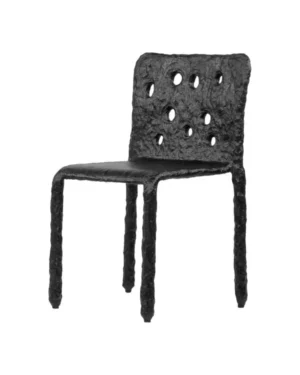
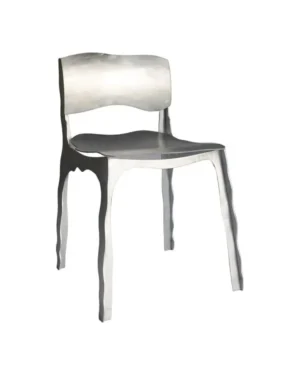
Honey – Squiggle Oak Wood Chair
By Deya
€1.492 -

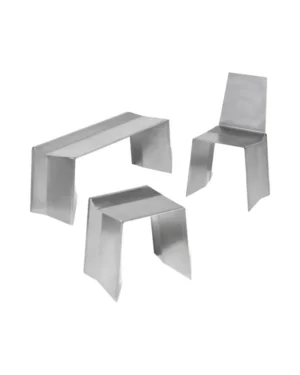
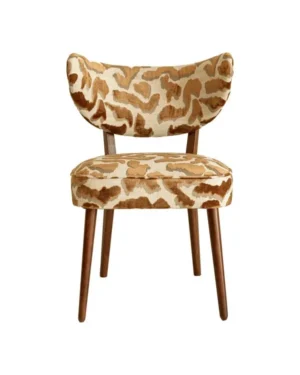
Xb-70 V Armchair
By Mantas Lesauskas
€2.400 -
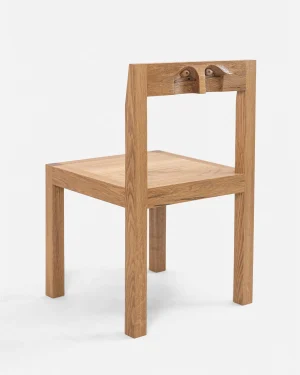
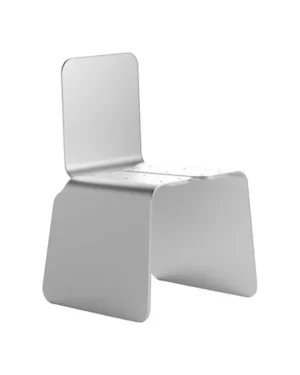
Stele – Oak Wood Chair
By Molor Tumen-Ulzii
€3.000 -

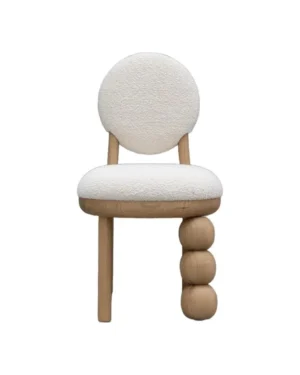
The Three Ball Leg Chair
By Joana Teixeira
€2.200 -

Ginkgo Chair
By Luke Crouch Studio
€2.550 -
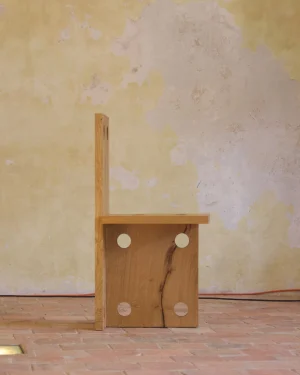 In stock
Sensitive Wood – Domino Chair
By Vital Lainé
€1.000 -

Poppy – Sculptural Oak Chair
By Deya
€1.640 -
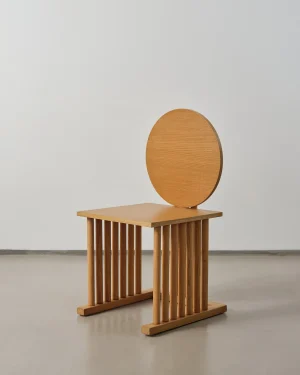
Stoa Chair
By Studio Mohs
€1.322 -

2-bloom Bench
By Luke Crouch Studio
€4.090 -
 In stock
Post & Rung Chair
By Luke Crouch Studio
€1.550 -

Angi Chair
By by.aman
€950 -
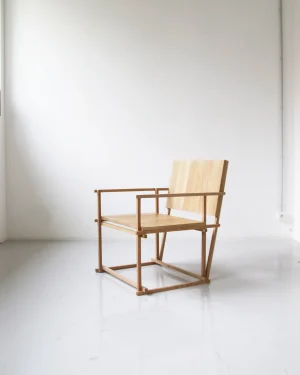
Arles Armchair
By Lahana Alice
€1.390 -
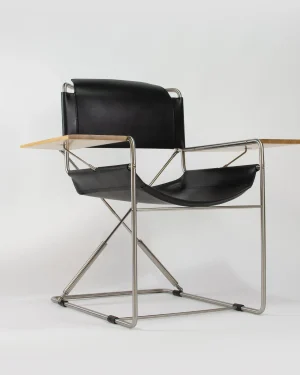 In stock
Pneumatic Chair 2
By Szostak Atelier
€5.990 This product has multiple variants. The options may be chosen on the product page -

Ginkgo Counter Stool
By Luke Crouch Studio
€2.350 -
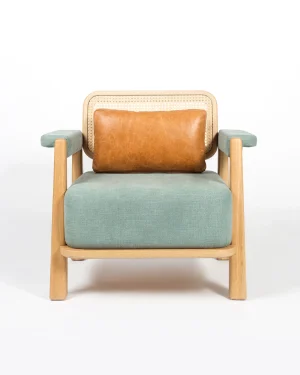
Toledo Armchair
By Comité de Proyectos
€3.000 - €3.600 This product has multiple variants. The options may be chosen on the product page -
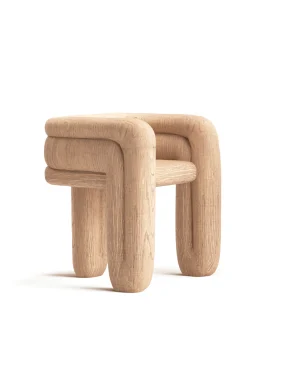
Enigma – Oak Chair
By Alter Ego Studio
€6.300 - €7.000 This product has multiple variants. The options may be chosen on the product page -
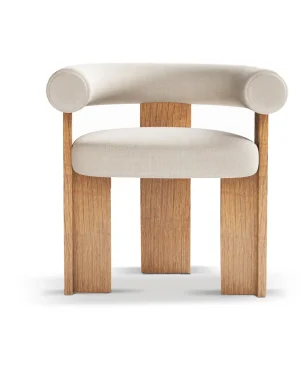
Cassette – Upholstered Armchair
By Alter Ego Studio
€2.215 -
 In stock
O Chair – Oak Dining Chair
By Vital Lainé
€800 -

Type Chair – Oak Wood
By René Otto
€1.345 -
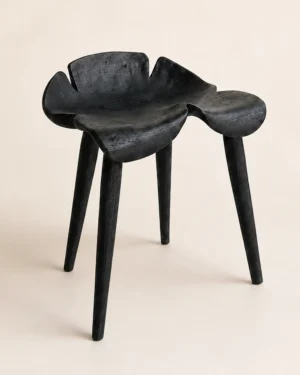
Flower Stool
By Luke Crouch Studio
€2.150 -
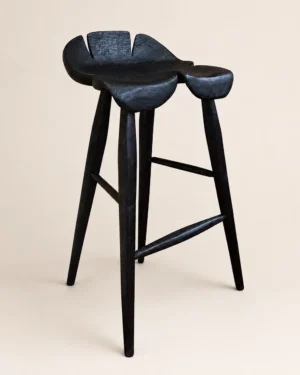
Flower Counter Stool
By Luke Crouch Studio
€2.450 -
 In stock
Non – Rocking Chair
By Vital Lainé
€800 -

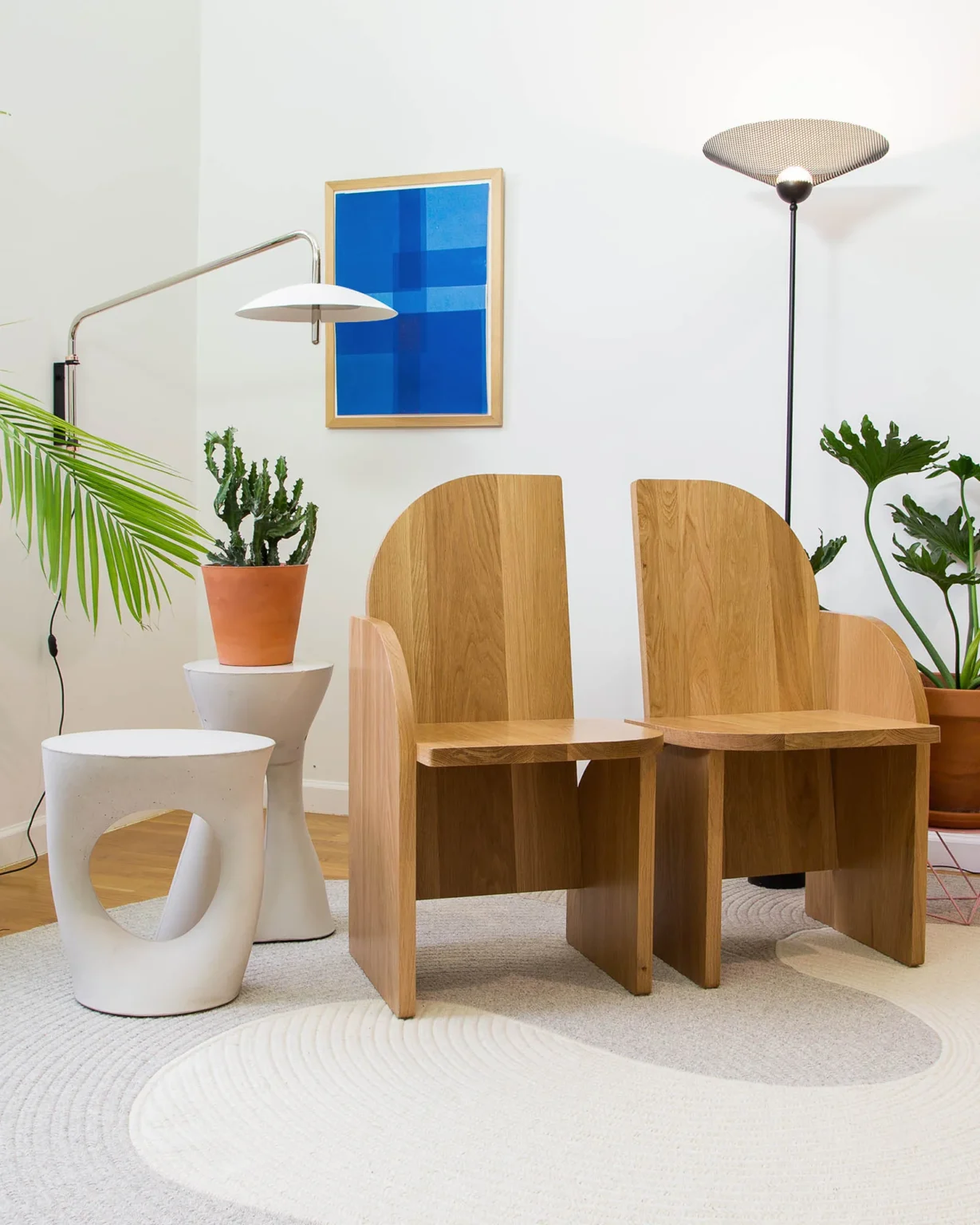
Pair Of Bluff Side Chairs – White Oak
By Luft Tanaka Studio
€6.750 -

Trigon Chair
By Mokko
€3.280 - €4.410 This product has multiple variants. The options may be chosen on the product page -
 In stock
Fision Oak & Steel Chair
By Toro Manifesto
€2.450 -

Split Accent Chair
By ASUL-STUDIO
€1.900 -
 In stock
Gavrinis – Oak Wood Chair
By Vital Lainé
€1.000 -

Angulo Burnt Oak Chair
By Toro Manifesto
€1.780 -
 Sold
Kabiki Chair
By Daniel Couttolenc
€4.325 -
 Sold
Kabiki Rocking Stool
By Daniel Couttolenc
€4.450 -

The Walky Chair
By Design VA
€3.995 - €5.740 This product has multiple variants. The options may be chosen on the product page -
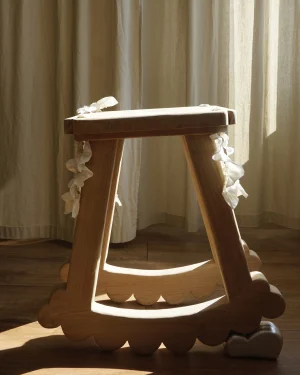
Halinka Stool
By Basia Pruszyńska
Price Upon Request
Oak wood accent chairs bring a dense, straight-grained hardwood into a piece built for a single seat and a strong presence. Studios working in solid oak and red oak favor joinery and wood carving over fasteners, shaping legs, arms and backrests so the grain runs with the structure rather than against it. Some frames are steam bent for curved arms or backrests, others left square and brutalist in profile, but the wood itself stays recognizable: pale to warm brown, tight grained, heavy in the hand.
What oak brings to a chair
Oak is ring-porous and dense, which is why it has anchored furniture and flooring for centuries without losing structural integrity. The grain shows as long, straight lines interrupted by medullary rays that catch light differently depending on how the board was cut. Left unfinished or given only a matte oil, it darkens slowly with sun and handling; sealed or stained, it can read caramel, light brown or near black while keeping its texture legible under the finish.
Because oak is hard and slow to compress, chairs built from it hold tight joints for years and resist the wobble that softer woods develop at the leg-to-seat connection. That same density means an oak accent chair carries real weight, both physically and visually. It is not a piece you move room to room on a whim.
The range of finishes and styles on ADORNO
Within oak wood accent chairs, the finish does most of the stylistic work. A few directions recur:
- Matte or bronze-toned oils that keep the surface close to raw wood, suited to minimalist and sustainable-leaning work.
- Darker stains in brown or black that push the same frame toward a neo-industrial or contemporary register.
- Upholstered or tufted seats and backs, where the oak frame is left exposed as structure and the fabric carries the color.
Some studios pair oak with steel or aluminum legs and stretchers, a contrast of warm wood against cool metal that reads as contemporary or art deco depending on proportion. Editions vary by maker: a chair may be an open edition produced in series, a limited edition tied to a run of a fixed size, or a unique piece where the wood carving or joinery was never repeated. Where a listing names one of these, it reflects that specific piece rather than the category as a whole.
How to choose a wooden accent chair
Start with scale. An oak accent chair with a wide, carved frame needs floor space around it to read as a seat rather than an obstacle; a narrower, steam-bent profile sits more easily beside a sofa or in a bedroom corner. Seat height should match what the chair is for: a touch lower for a reading chair pulled close to a lamp, closer to standard dining height if it will double as extra seating at a table.
Finish matters as much as shape. A matte or raw oil finish shows fingerprints and water marks more readily than a sealed stain, so consider where the chair will live before choosing how open the grain stays. If you already own other wood pieces, look at an oak wood furniture grouping to see how tones compare side by side, since oak from different mills and finishing processes can shift noticeably in color.
Where these chairs work
Oak's weight and warmth suit rooms where the chair is meant to stay put: a living room corner, a bedroom reading spot, a hallway that needs one considered object rather than a row of seating. For dining contexts, pieces built to standard table height extend naturally from a set of dining room accent chairs, while lower, deeper frames belong among living room accent chairs.
Caring for an oak chair
Oak tolerates daily use well but still responds to its environment. Keep it out of direct, prolonged sun, which bleaches color unevenly, and away from radiators or vents that dry the wood and can open joints over time. Dust with a dry or barely damp cloth, and reapply oil finishes occasionally rather than waiting for the surface to look parched.
For a broader view of oak across other furniture types, the oak wood material page covers tables and casegoods alongside seating, and the full accent chairs category shows how these wood pieces sit against metal and upholstered alternatives.
How do I choose the right oak wood accent chair?
Look at the grain and tone first, then the silhouette, since oak ranges from pale and straight-grained to deeper, knottier cuts. Consider how the frame, whether carved, steam bent or joined, will sit against your existing furniture.
How do you care for an oak wood accent chair?
Dust with a dry or slightly damp cloth and keep oak away from direct heat and prolonged sun, which can dry or fade the wood. A light application of wood oil or wax once or twice a year keeps the grain fed.
Does oak wood change color or darken over time?
Yes, oak naturally ambers and deepens with light exposure and age, a process called patina. This is normal and often considered part of the material's character rather than a flaw.
What size is a standard accent chair, and will it fit my space?
Most accent chairs sit lower and smaller than dining chairs, built for a corner, bedside or reading nook rather than a table. Exact dimensions vary by piece, so check the specific listing or chat with the maker for measurements.
Which rooms suit an oak wood accent chair?
Oak's warmth works in living rooms, bedrooms and entryways, anywhere a single seat needs to hold its own without dominating the space. It also pairs well with other wood tones already in the room.
What are ADORNO's shipping, returns and authenticity policies?
Shipping is insured and worldwide. Returns are accepted within 14 days, excluding made-to-order pieces, and each chair ships with a certificate of authenticity alongside a lowest-price guarantee.