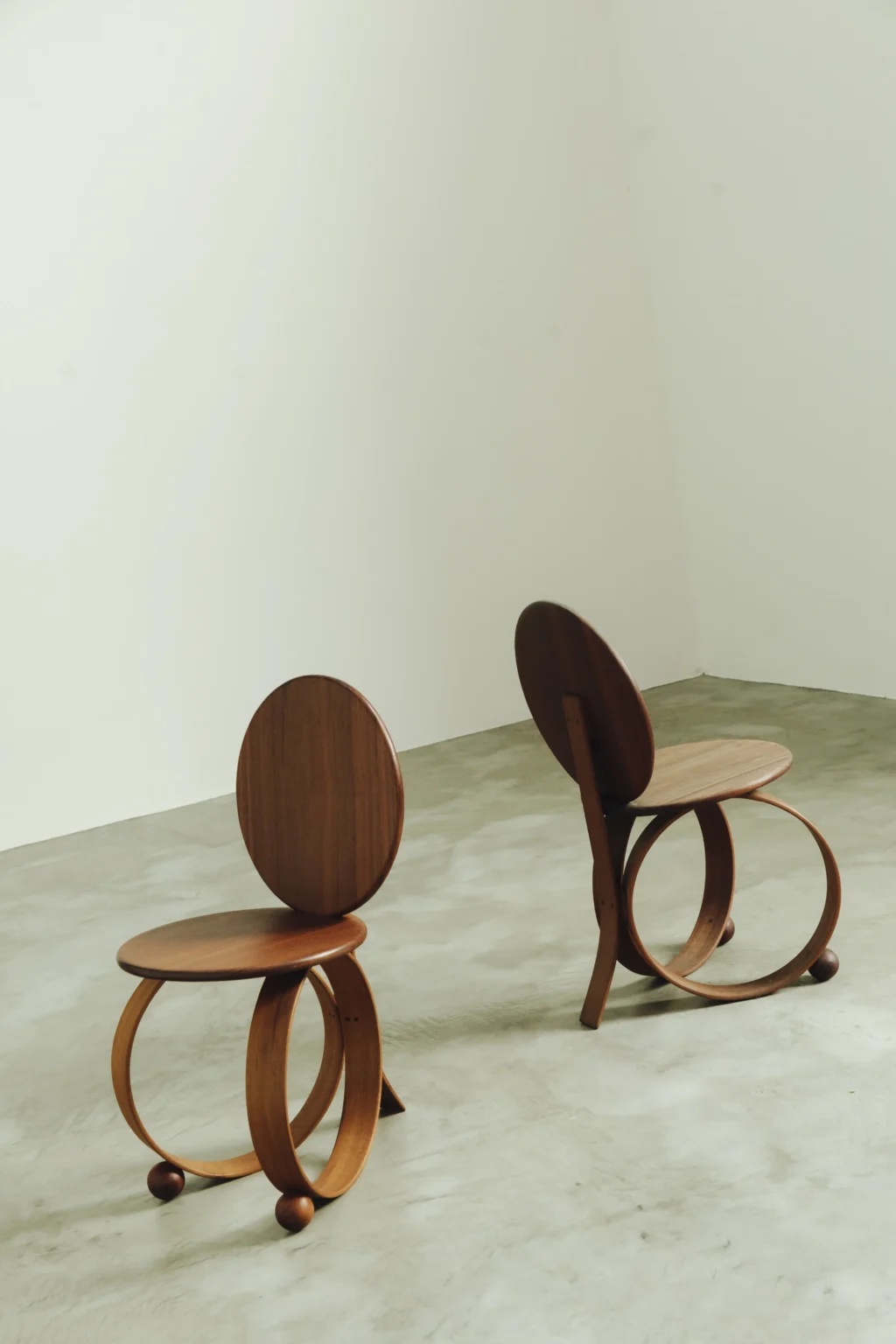








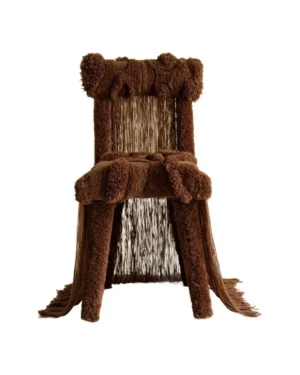
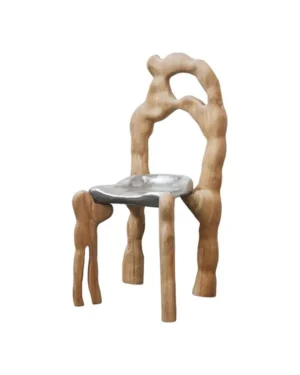
-
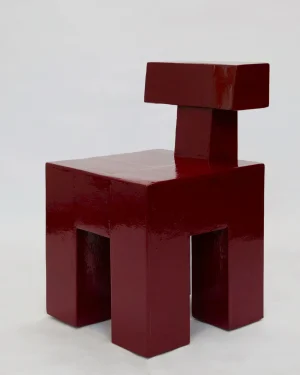
The Practice Chair
By Studio Fabius Clovis
€2.200 This product has multiple variants. The options may be chosen on the product page -
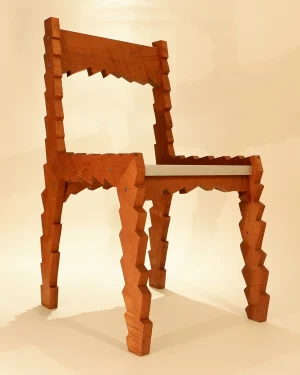
Shocking Chair – Stained Oak Wood Dining Chair
By Josh Page Studio
€940 -
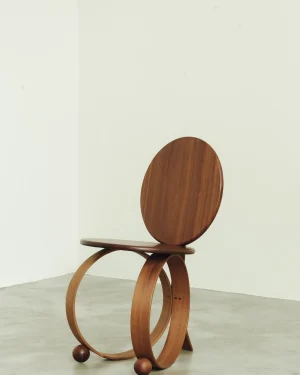
Yara – Bent Wood Chair
By PROSA
€3.200 -
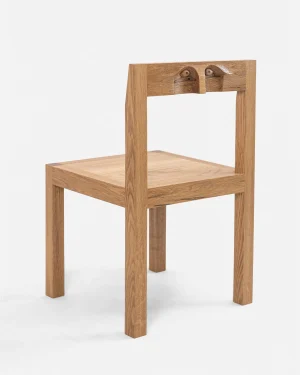
Stele – Oak Wood Chair
By Molor Tumen-Ulzii
€3.000 -
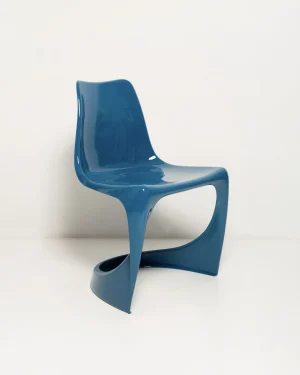
Sea Blue Cado Chair
By Vintola Studio
€900 -
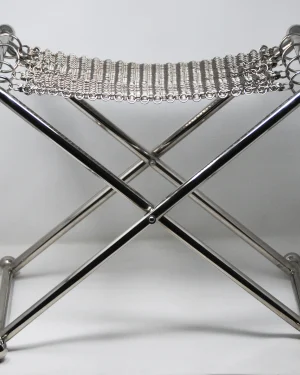
Chainmail Camping Stool
By Panorammma Atelier
€1.990 -
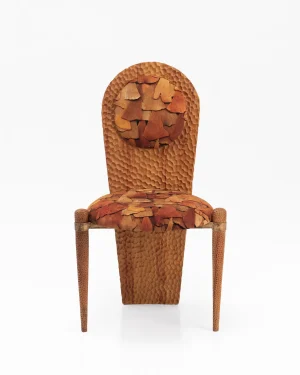
Naughty By Nature – Sculptural Chair
By Odditi
€1.180 -
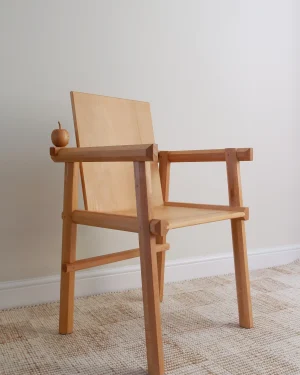
Apple Chair – Beech Wood Arm Chair
By Josh Page Studio
€1.710 -

Honey – Squiggle Oak Wood Chair
By Deya
€1.492 -
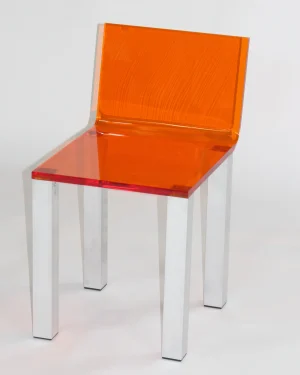 In stock
Acrilar – Acrylic Chair I
By Luiz Solano
€840 This product has multiple variants. The options may be chosen on the product page -
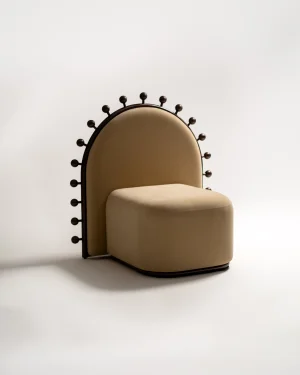
Medaillon Accent Chair
By Boo Design Studio
€3.927 -
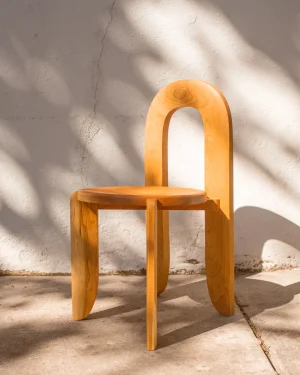
Con Pan
By Aileen De La Ree Valencia
€2.555 -
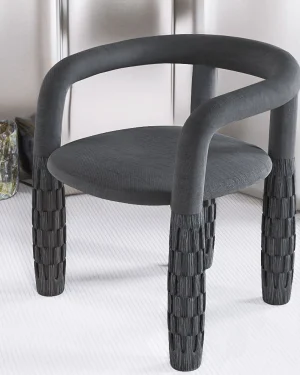
Mascot Armchair
By Alter Ego Studio
€4.580 This product has multiple variants. The options may be chosen on the product page -

Non – Rocking Chair
By Vital Lainé
€800 -

Fly Chair
By Tiago Curioni
€1.920 -
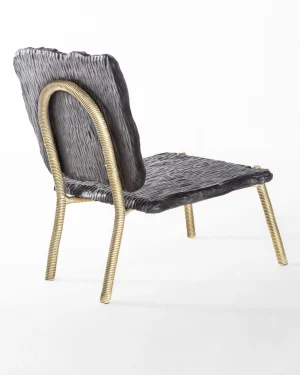
Lascas Chair
By Carol Gay
€8.500 -
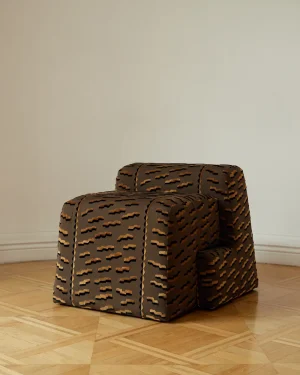
Valun Lounge Chair
By FURN OBJECT
€3.300 -
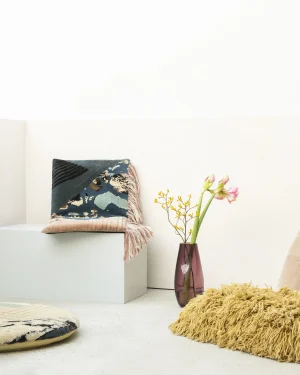
Freeplay Objects – Three-Piece Ensemble Floor Seats
By Lyk Carpet
€5.244 -
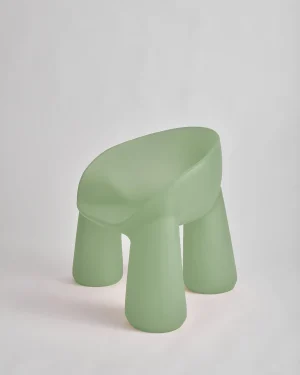
Jojo – Resin Chair
By Joyful Objects, Yes!
€4.500 This product has multiple variants. The options may be chosen on the product page -
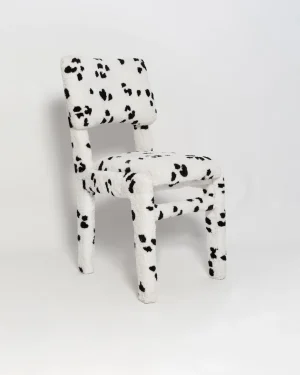
Cruella Dalmatian Chair Tufting Wool
By Vintola Studio
€1.600 -
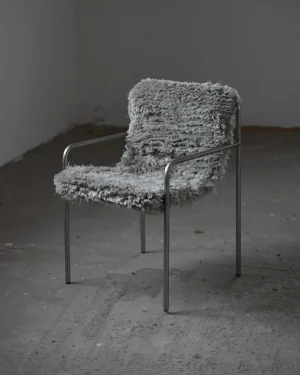
Dessert Shaggy – Steel Chair With Handmade Fabric
By SALAK Studio
€1.500 -
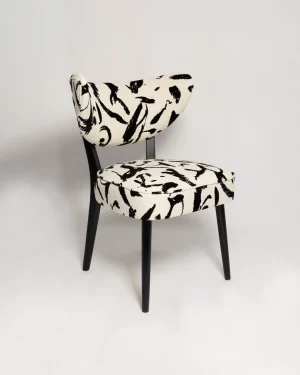
Retro Dining Chair
By Vintola Studio
€1.200 -
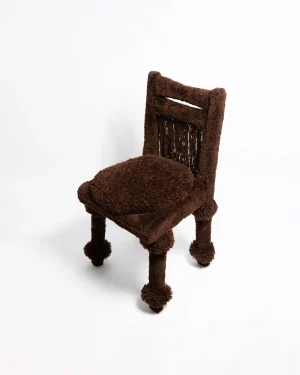
Poodle Tufting Chair
By Vintola Studio
€1.600 -

“Soft Non-Conformist” chair
By AaltoAalto Studio
€1.300 -
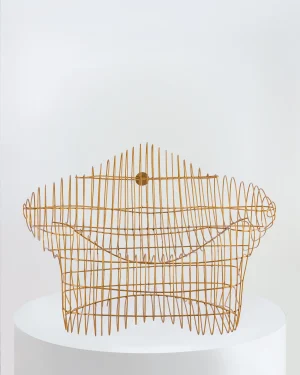
Starfish – Stainless Steel Lounge Chair
By Nama Home
€3.185 -
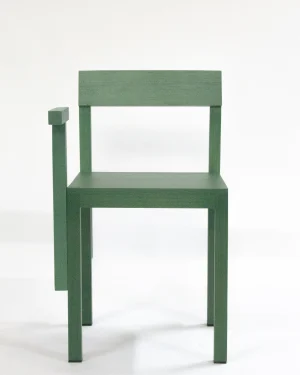
Sm1 – Tauari Colored Wood Chair
By Luiz Solano
€1.400 - €1.500 This product has multiple variants. The options may be chosen on the product page -
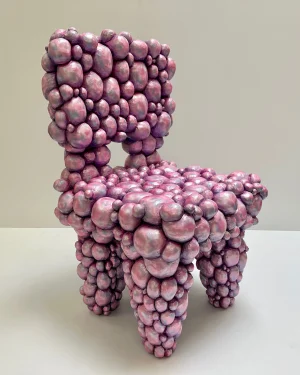
Only Impermanence Lasts
By Theo A. Rosenblum
€6.008 -
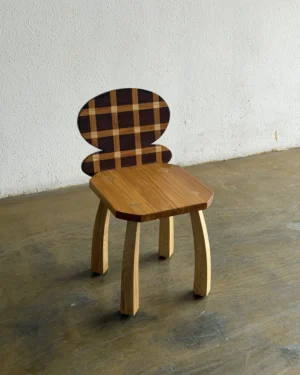
Bend Chair
By STUDIO KALLANG
€2.900 -
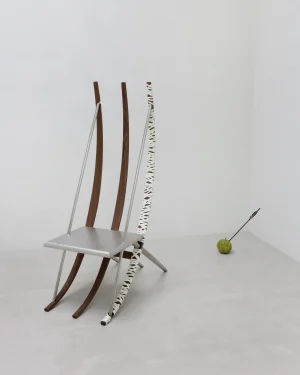
Bow Chair
By Undress House
Price Upon Request -

Frog Chair – Orange Matte
By David Čáp
€1.000 -
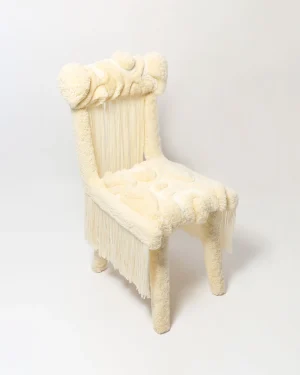
Afghan Hound Tufting Chair
By Vintola Studio
€4.000 -
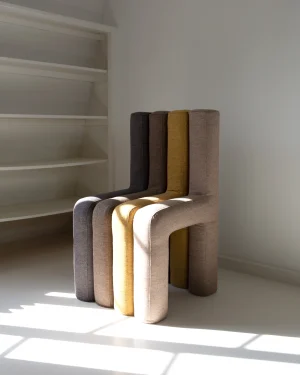
Meta Chair – Upholstered Modular Chair
By Jaclyn Pappalardo
€2.340 -

Ribbin Rocker
By Moneo Brock Studio
€4.000 -
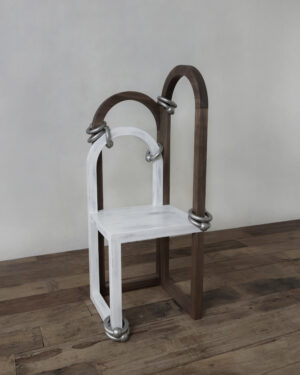
Linked Chair
By Undress House
Price Upon Request -

Cocar Chair: Handmade In Brazill With Braided Tucumã Straw And Cabreúva Wood
By YANKATU
€4.100 -

The Walky Chair
By Design VA
€3.995 - €5.740 This product has multiple variants. The options may be chosen on the product page -
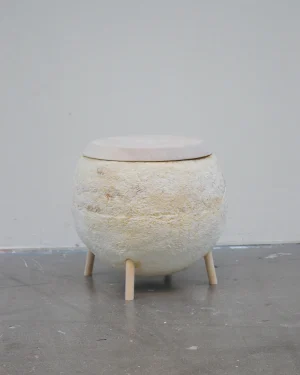
Spore – Mycelium Stool
By Olle Sahlqvist
€2.214 -

Fos Chair Flor
By Daniel Orozco Estudio
€2.238 -
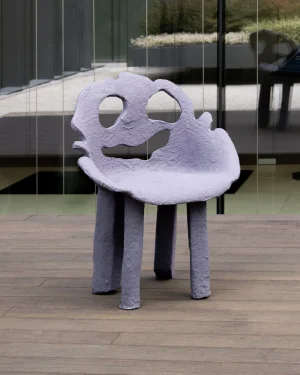
Violetta Accent Chair
By Jonathan Bocca
Price Upon Request -
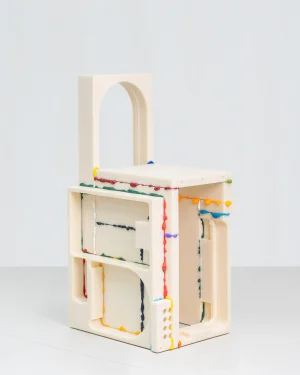
B. S. P Series “the Original”
By Atelier SOHN
Price Upon Request -
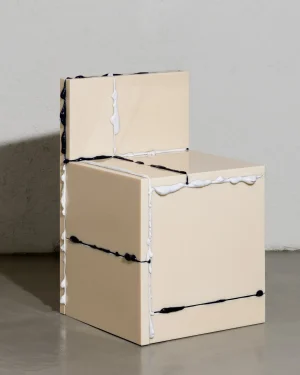
B. S. P Series – Recycled Plastic Chair
By Atelier SOHN
Price Upon Request
Eclectic accent chairs gather more than one material, period reference or way of working into a single frame, so a turned oak leg might carry a wool seat, or a bent aluminum arm might meet a hand-carved back. Studios working this way draw from mid-century joinery, Bauhaus geometry, Brutalist mass and industrial metalwork at once, then resolve the mix through tufting, weaving, painting or carving. The result reads as personal rather than matched, a chair built to stand apart from a set.
What defines an eclectic accent chair
There is no single silhouette here. A chair might pair a walnut frame with a bronze-finished steel stretcher, or set a caramel wool seat against a matte black base. What holds the category together is contrast handled with intent: one material softens another, one color grounds a brighter one, and the joinery or stitching is left visible rather than hidden.
Because the approach depends on combination rather than a fixed recipe, no two pieces behave quite the same way. Some lean toward the sculptural, with carved or welded forms that read as objects first and seats second. Others stay closer to a conventional chair but use an unexpected finish, a burgundy lacquer or an ivory boucle, to shift the mood of a room.
Materials, finishes and techniques in the range
Wood remains the most common base, usually oak or walnut, worked through cabinetmaking, joinery or wood carving and left in its natural light brown or deepened toward a darker stain. Stainless steel and aluminum appear where a studio wants a cooler counterpoint, often finished bronze or matte black and shaped through metalwork rather than casting. Wool, sheep wool especially, covers seats and backs in caramel, burgundy, yellow or ivory, applied by hand through tufting, textilework or weaving.
- Wood species: oak and walnut, generally joined or carved, shown in light brown, caramel or near-black finishes
- Metals: stainless steel and aluminum, welded or bent, left matte or finished in bronze or black
- Textiles: sheep wool and wool blends, tufted or woven in ivory, burgundy, caramel and yellow
- Editions: open editions for everyday use, alongside limited editions and unique pieces for anyone building a smaller, more considered room
Anyone drawn to the wood side of this range, specifically, will find a dedicated set of wooden accent chairs, while the metal equivalents sit under metal accent chairs.
How to choose one
Scale matters before color does. A chair with a wide carved back or a bulky steel frame needs floor space around it to read as a piece rather than an obstacle, while a slimmer wool-seated frame can sit close to a sofa or in a narrow gap between windows. Seat height should match how the chair will be used: a touch lower for a reading corner, closer to standard dining height if it will pull up to a table.
Finish decides how hard the chair works in a room. A matte black or bronze metal frame tends to recede, letting a bright wool seat carry the attention, while a natural oak or walnut frame with a muted textile holds its own without competing with other furniture. Think about what the chair will sit against, a plain wall, a patterned rug, another chair, before settling on color.
Rooms these chairs suit
Living rooms take to eclectic accent chairs most readily, where one striking frame can anchor a seating group built otherwise from plainer pieces. A single chair also carries weight in a bedroom reading corner, an entry that needs a point of interest, or a home office where a desk chair alone would feel too utilitarian. Anyone furnishing a full living space can see how these chairs sit among related seating and surfaces under living room accent chairs.
Caring for mixed materials
Each material in these chairs asks for its own handling. Oak and walnut want occasional oiling or waxing and protection from direct heat, which dries and cracks wood over time. Wool seating benefits from regular brushing and quick attention to spills, since wool resists stains well but holds odors if left damp. Steel and aluminum need only a dry cloth; moisture left to sit on a matte or bronze finish can dull it unevenly.
For a broader view of the full accent chair range before narrowing by material or room, see all accent chairs, and for every eclectic piece on ADORNO beyond seating, from case goods to lighting, visit the eclectic style page.
How do I choose an eclectic accent chair?
Look for a shape or material that breaks from the rest of the room, a carved wood frame, a wool seat, a bronze finish, and let it stand as its own statement rather than matching the set.
What materials are eclectic accent chairs made from?
Common choices include oak, walnut and teak wood, wool or sheep wool upholstery, and stainless steel or aluminum frames, often combined within a single chair for contrast.
How do I care for the wood, wool or metal on these chairs?
Dust wood with a dry cloth and keep it from direct heat, brush or vacuum wool seats, and wipe metal frames with a soft cloth to prevent fingerprints and tarnish.
What size is a typical accent chair?
Most accent chairs sit lower and smaller than a dining chair, built for lounging rather than table height. Exact dimensions vary by design, so chat with the maker on the piece's page.
Which rooms suit an eclectic accent chair?
Living rooms, bedrooms and reading corners all work, anywhere a single seat can hold its own against patterned rugs, art or mixed furniture styles.
What are ADORNO's shipping, returns and authenticity policies?
Shipping is insured and worldwide. Returns are accepted within 14 days, excluding made-to-order pieces. Every chair ships with a certificate of authenticity, backed by a lowest-price guarantee.