









-
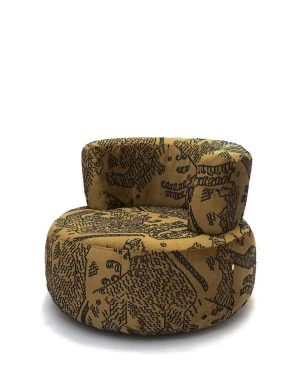
Object051 – Dedar Fabric Armchair
By NG DESIGN
€2.095 -
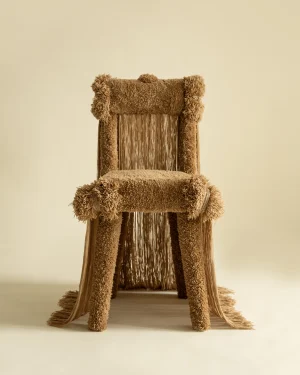
Tufting Brown Chair
By Vintola Studio
€2.500 -

Tufting Dark Brown Chair
By Vintola Studio
€2.500 -
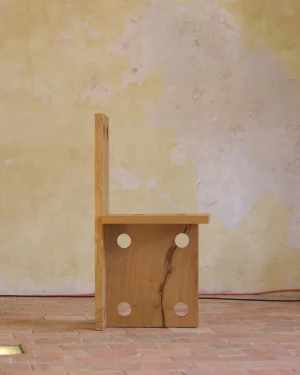
Sensitive Wood – Domino Chair
By Vital Lainé
€1.000 -
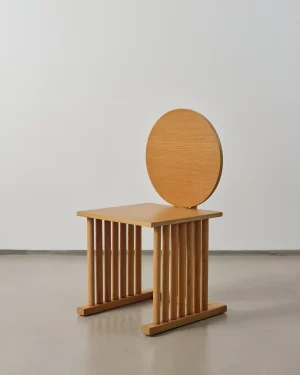
Stoa Chair
By Studio Mohs
€1.322 -
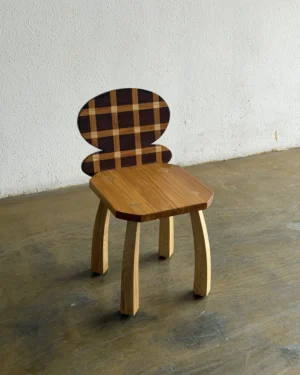
Bend Chair
By STUDIO KALLANG
€2.900 -
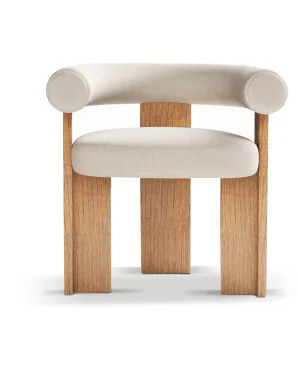
Cassette – Upholstered Armchair
By Alter Ego Studio
€2.215 -
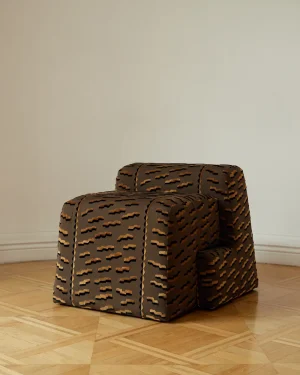
Valun Lounge Chair
By FURN OBJECT
€3.300 -
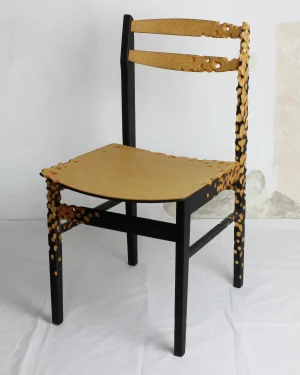
N1 Chair
By Gábor Góbi
€1.990 -
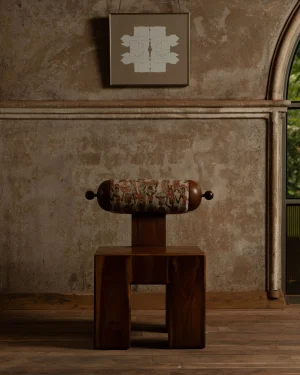
Akeru Chair / Numbered Edition Of 10
By WANNAS
Price Upon Request
Beige and brown accent chairs bring together wood tones and woven textiles in a single, quiet palette. Studios working in oak and teak turn frames through joinery, while others build seats from plywood or soft upholstery finished with tufting. The result sits between furniture and object, warm enough to anchor a room without pulling focus from what surrounds it.
What defines this color pairing
Beige and brown read as a family rather than a contrast. Light oak or raw cotton upholstery supplies the beige, while dark walnut stain, tanned leather, or a deeper wool weave carries the brown. Because the two tones sit close on the same spectrum, a chair in this range tends to blend into a room's existing wood and textile choices rather than compete with them.
Materials, finishes, and techniques found here
Oak and teak dominate the frames, chosen for density and for the way both woods darken slightly with age and light exposure. Plywood appears where a studio wants a curved or molded shell, pressed rather than joined by hand. Upholstered seats draw on wool, cotton, and viscose, finished through tufting that holds the fabric in place and adds surface texture without pattern.
Technique varies with material. Wood and cabinetmaking produce the joinery that holds a frame square over years of use, while textilework and upholstery shape the seat itself. Some chairs carry marquetry or hand-building details on arms or backs, though these are the exception rather than the rule in a beige and brown range.
Styles and editions to expect
The range spans several design languages. Mid-century modern chairs favor tapered legs and visible wood grain; Bauhaus pieces strip the frame to its structural lines; brutalist and art deco interpretations lean heavier, with blocky forms or faceted upholstery panels. Eclectic and maximalist studios mix these references, pairing a traditional joinery technique with an unexpected seat shape.
Production runs differ by studio as well. Some chairs come from open editions, made to a standing design whenever ordered. Others are limited editions, produced in a fixed run and not repeated once sold. A smaller number are unique pieces, each one built once and not duplicated, usually where hand-building or marquetry makes repetition impractical.
Choosing a chair for scale and placement
Seat height and arm width matter more than style once a chair has to share a room. A low, deep seat suits a reading corner or bedroom, where the chair is meant to be sat in for longer stretches. A higher, more upright frame works better near a dining table or entry, where the chair is used briefly and needs to tuck away cleanly.
- Measure the floor space with the chair's full footprint, including any swivel or recline clearance.
- Match the wood tone to existing flooring or cabinetry rather than to other furniture, since floors cover more visual area.
- Keep upholstery texture in mind: a nubby wool reads heavier than a smooth cotton weave, even in the same brown.
These chairs suit living rooms as a second seat beside a sofa, and work equally well in a dining room where a single accent chair breaks up a run of matching seats. A bedroom corner or home office takes one just as readily, provided the scale suits the space.
Care for wood and upholstered surfaces
Oak and teak frames want occasional oiling or waxing to keep the surface from drying out, and should sit away from direct heat sources that pull moisture from the grain. Wool and cotton upholstery benefits from regular vacuuming and prompt blotting of spills, since both fibers hold stains if left to set. Viscose is more delicate still and is best kept out of direct sun, which can fade its sheen unevenly over time.
For a broader view of tone and material, the full range of beige and brown furniture extends the palette to tables and seating beyond chairs, including beige and brown seating more broadly and beige and brown side tables for pairing nearby. Anyone set on the wood itself can start instead from wooden accent chairs, or step back to accent chairs as a category before narrowing by color again through every beige and brown piece on ADORNO.
How do I choose a beige and brown accent chair?
Match the wood tone to existing furniture, then weigh upholstery against bare wood or wool for texture. Consider how the frame reads against your wall color before settling on a silhouette.
What materials and finishes do these chairs use?
Most pair oak or teak frames with wool, cotton or viscose upholstery, joined through traditional joinery and finished with tufting. Wipe wood with a dry cloth and vacuum upholstery to keep both looking even.
What size and seat height should an accent chair be?
Standard accent chairs sit around seventeen to eighteen inches off the floor, close to dining height, with arm height varying by frame. Check the piece's page or chat with the maker for exact measurements.
Which rooms suit beige and brown accent chairs?
Their warm, neutral tones work in living rooms, bedrooms and reading corners alike, and pair easily with both wood and upholstered furniture already in the space.
What is ADORNO's shipping and return policy?
Shipping is insured and worldwide. Returns are accepted within 14 days, except for made-to-order pieces, and every chair arrives with a certificate of authenticity.
Can I order a beige and brown accent chair in a custom size or fabric?
Some studios take custom requests on dimensions or upholstery. Use Chat with the maker on the piece's page to confirm what is possible before ordering.