







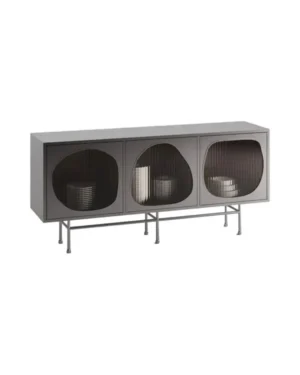














-
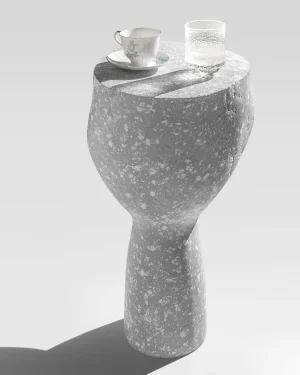
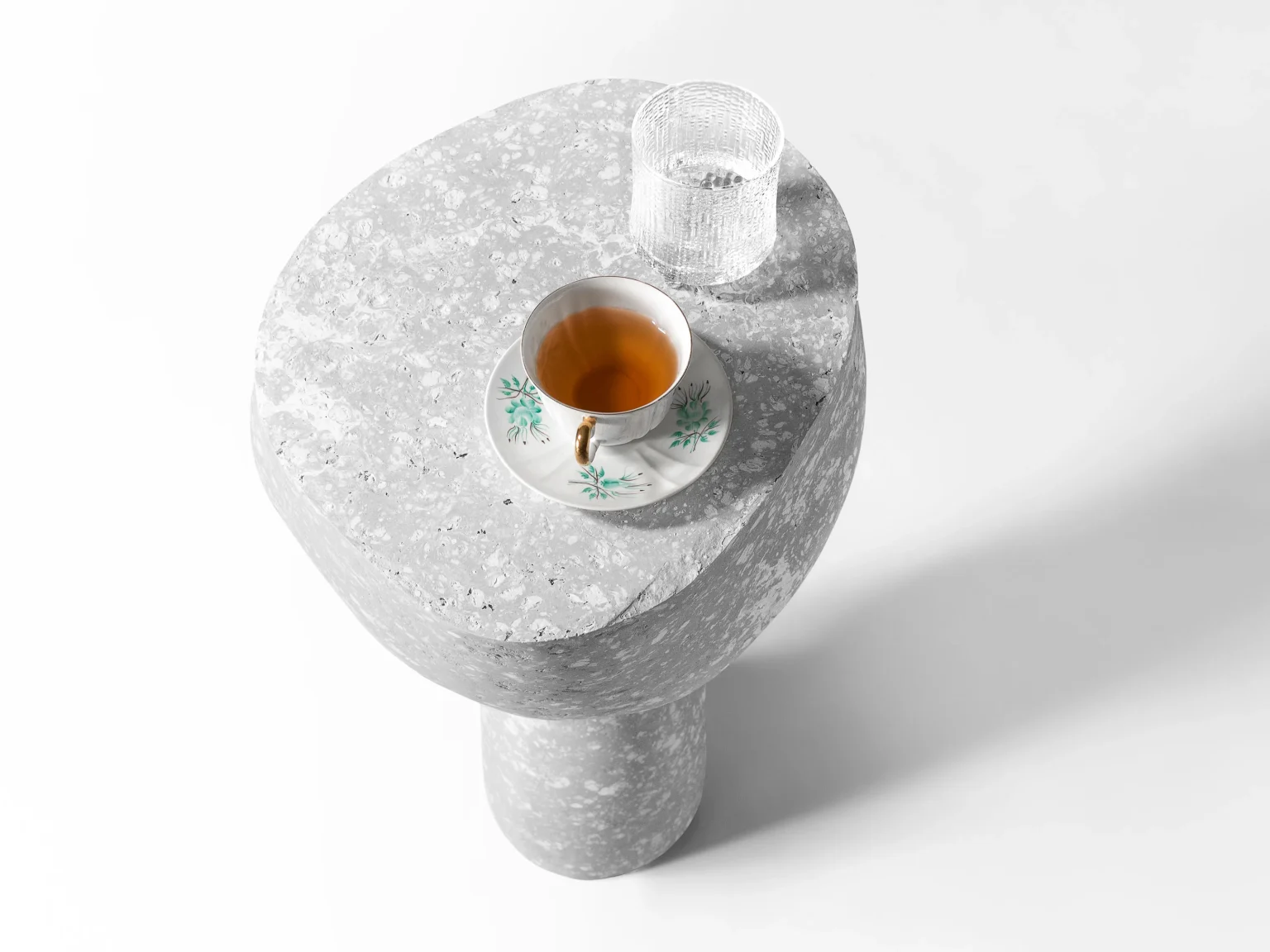
White Plinth Side Table in Paper Pulp and Cement
By Donatas Žukauskas
€1.050 -

Mono Dining Table
By Assimply Studio
€4.920 - €5.450 This product has multiple variants. The options may be chosen on the product page -

Windows of Bo Bardi Side Table in Tulip Wood
By Linde Freya Tangelder
€1.300 - €1.600 This product has multiple variants. The options may be chosen on the product page -
 In stock
“Ollain” Coffee Table
By Tellurico Design Studio
€5.856 -
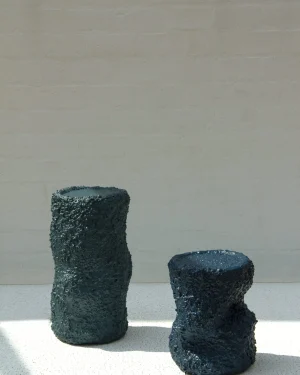
XS + XM Side Table in Special Composite Material
By Tellurico Design Studio
€3.870 -
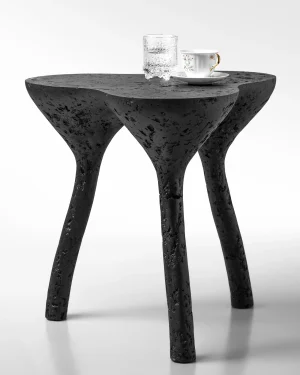
Solid Black Stone Coffee Table in Cast Stone
By Donatas Žukauskas
€1.450 -

Mono – Dining Table Long
By Assimply Studio
€5.820 -
 In stock
Strata Nebula – Stacked Coffee Table
By clasik.studio
€790 This product has multiple variants. The options may be chosen on the product page -
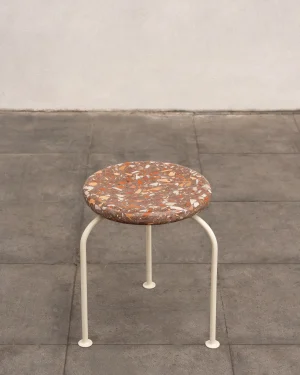
Brut – Terrazzo Stool
By Assimply Studio
€500 This product has multiple variants. The options may be chosen on the product page -
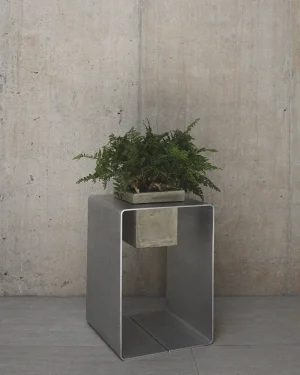
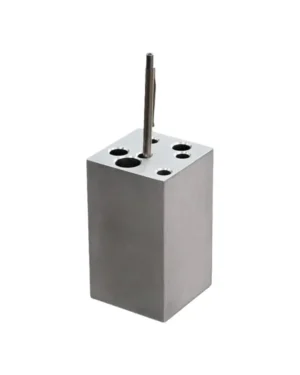
ST001-02 Side Table in Stainless Steel and Concrete
By NAVE
€990 -
 In stock
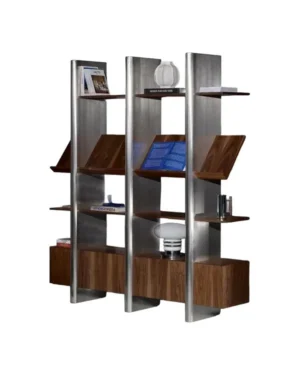
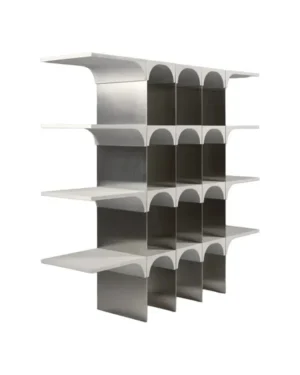
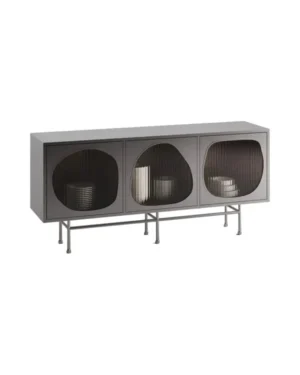
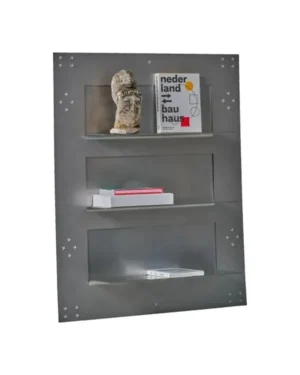
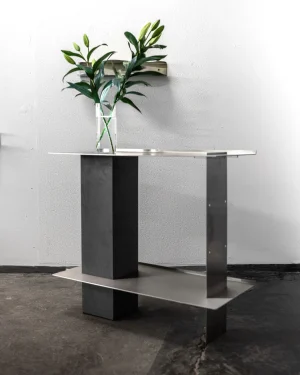
[moduline] Stainless Steel Sideboard
By case studios
€1.370 -
 In stock
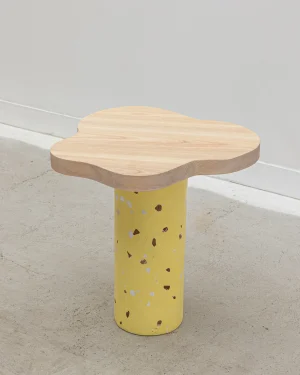
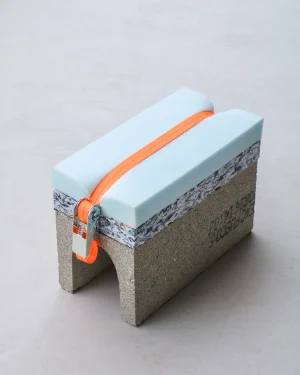
Esposcada 01 Side Table in Terrazzo and Ash Wood
By Pierre Klein
€1.600 -
 In stock
Le Rebond / Low Stool // Reimagined Textile
By FabBRICK
€672 -

Domino Dining Table
By Assimply Studio
€8.670 - €23.400 This product has multiple variants. The options may be chosen on the product page -
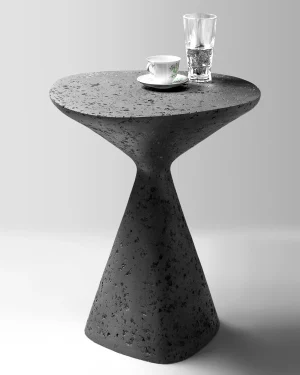
Black Mottled Side Table in Paper Pulp and Cement
By Donatas Žukauskas
€1.100 -
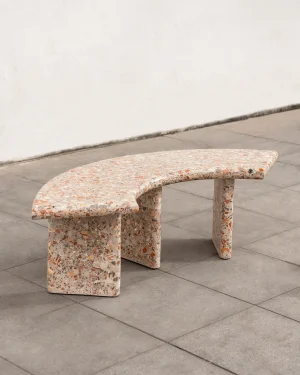
Brut – Terrazzo Bench
By Assimply Studio
€1.480 This product has multiple variants. The options may be chosen on the product page -

Solid Black Stone Console Table – Toki Series In Cast Stone By Donatas Zukauskas
By Donatas Žukauskas
€2.150 -

Dendê Dining Table
By Assimply Studio
€5.200 -
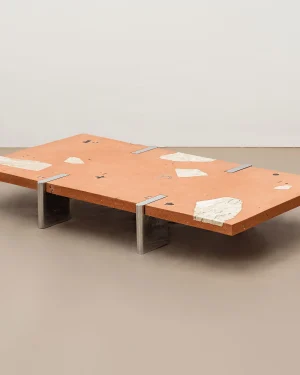
Coffee Table Nu
By Assimply Studio
€3.430 -
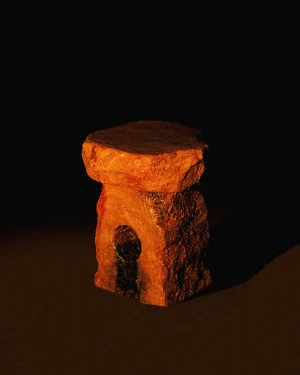 In stock
La Cauna – Escabèl 01 Stool
By Pierre Klein
€900 -
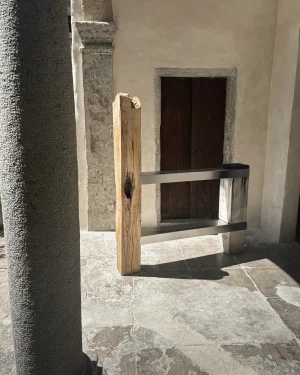 In stock
Ice Beech Wood Sideboard
By case studios
€1.810 -
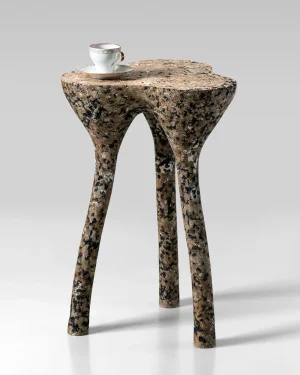
Beige Tripod Low Side Table in Paper Pulp and Cement
By Donatas Žukauskas
€1.100 -
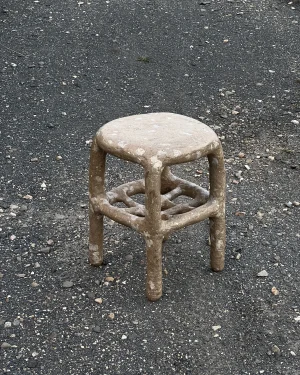 In stock
Brown “terazzo” Papier-mâché Stool & Table
By David Čáp
€600 -
 In stock
Parota Backgammon / Coffee Table
By NO AGE STUDIO
€4.000 -
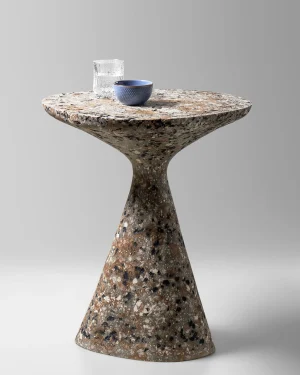
Beige Mottled Side Table in Paper Pulp and Cement
By Donatas Žukauskas
€1.100 -
 In stock
Coral Circle Side Table in Concrete
By clasik.studio
€1.350 -
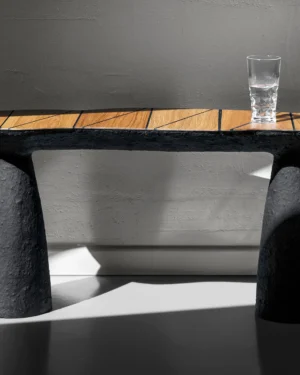
Sculptural Oak Bench – Brutalist And Wabi-sabi Minimalist Seating
By Donatas Žukauskas
€960 -
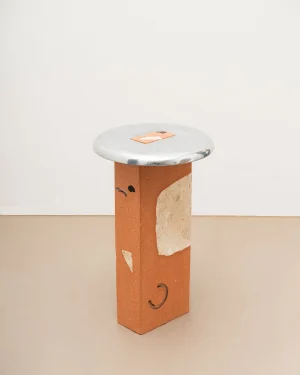
Nu Tall Side Table in Terrazzo and Cast Aluminum
By Assimply Studio
€1.650 -
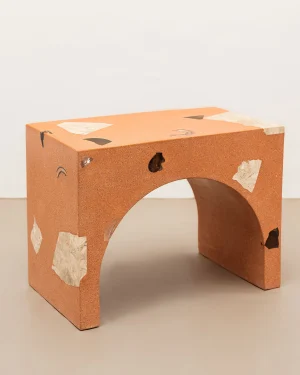
Terrazzo Stool Nu
By Assimply Studio
€1.050 -
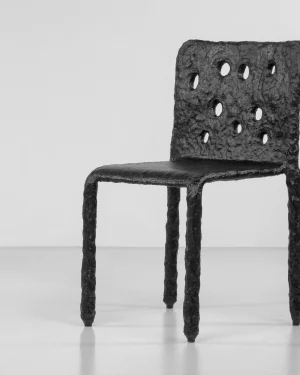 In stock
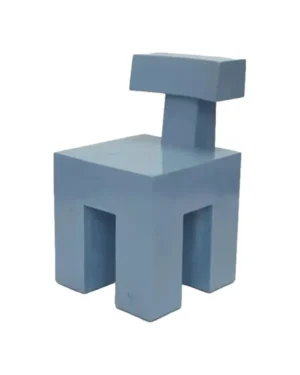
ZTISTA Chair
By FAINA
€1.900 This product has multiple variants. The options may be chosen on the product page -
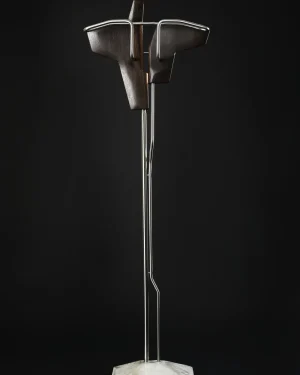
Gentleman’s Valet Stand Handcrafted in Wenge Wood
By Szostak Atelier
€9.000 -
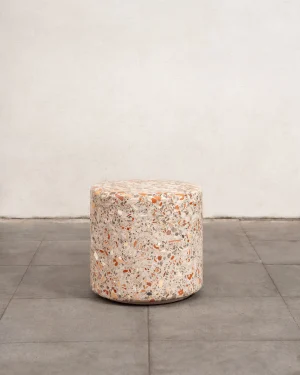
Brut Side Table in Terrazzo
By Assimply Studio
€900 This product has multiple variants. The options may be chosen on the product page -
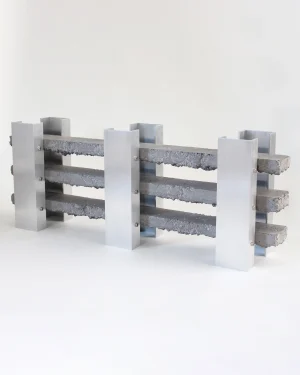
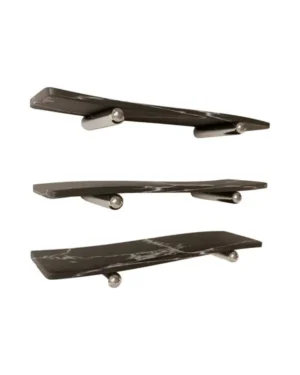
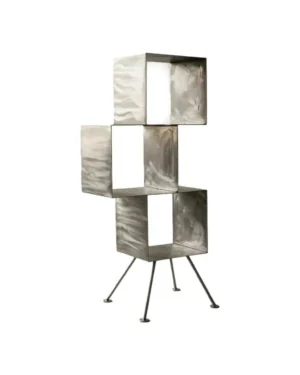
Junction Low Table & Shelves
By Lisanne Meester
€1.399 -
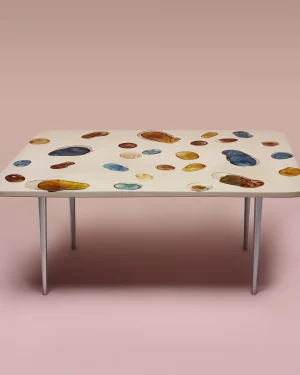
Plano – Terrazzo Dining Table
By Assimply Studio
€8.900 -
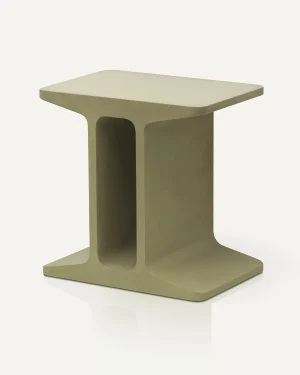 In stock
Intra Side Table in Pigmented Concrete
By Tom Robinson Studio
€1.420 This product has multiple variants. The options may be chosen on the product page -

Solid White Stone Low Coffee Table – Plinth Series In Cast Stone
By Donatas Žukauskas
€1.300 This product has multiple variants. The options may be chosen on the product page -
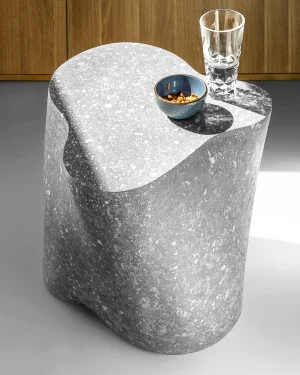
Solid White Stone Low Glass Top Coffee Table – Plinth Series In Cast Stone By Donatas Zukauskas
By Donatas Žukauskas
€1.300 - €1.450 This product has multiple variants. The options may be chosen on the product page -
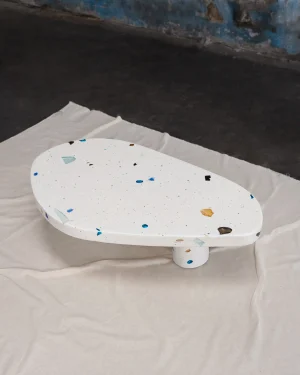
Mono Coffee Table
By Assimply Studio
€1.300 This product has multiple variants. The options may be chosen on the product page -

Black Still Column Side Table in Paper Pulp, Cement and Oak
By Donatas Žukauskas
€1.550 -

“Revolve” – No. 03 (no. 01/03)
By Flensted Mouritzen
€2.548 -
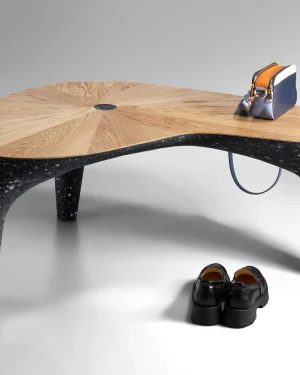
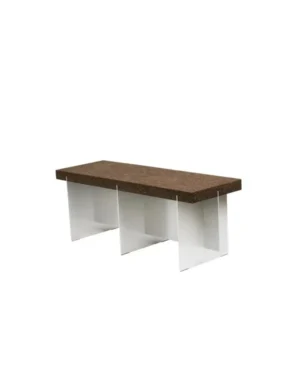
Solid Black Stone & Oak Bench – Ma Series In Cast Stone By Donatas Zukauskas
By Donatas Žukauskas
€4.100 -
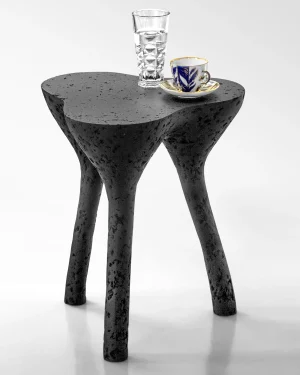
Black Tripod Low Side Table in Paper Pulp and Cement
By Donatas Žukauskas
€960 -
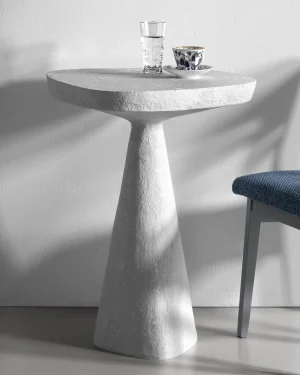
White Plinth High Side Table in Paper Pulp and Cement
By Donatas Žukauskas
€1.350 -
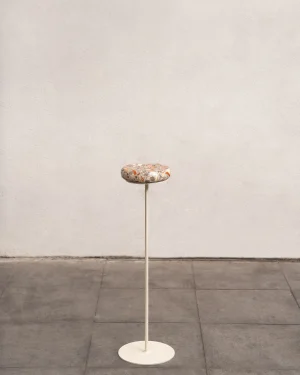
Brut Tall Side Table in Terrazzo
By Assimply Studio
€350 This product has multiple variants. The options may be chosen on the product page -
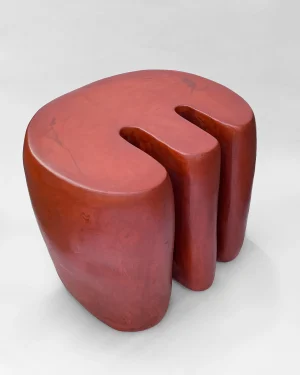
Organic Side Table in Gypsum
By Studio AOAO
€4.000 -
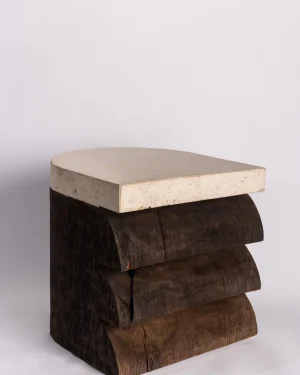
Durmiente Side Table in Reclaimed Wood and Cement
By Daniel Orozco Estudio
€1.218 -
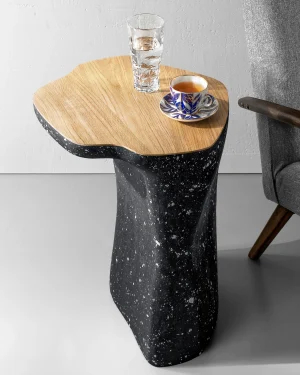
Black Still Form Side Table in Paper Pulp, Cement and Oak
By Donatas Žukauskas
€920 -
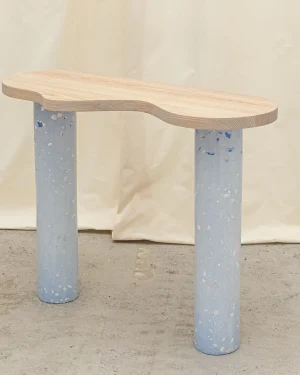 In stock
Esposcada 02 – Console Table
By Pierre Klein
€2.300 -

“Revolve” – No. 01 (no. 01/03)
By Flensted Mouritzen
€2.100 -
 In stock
“Revolve” – No. 04 (no. 01/03)
By Flensted Mouritzen
€2.988 -

Revolve No. 06 Side Table in Scagliola and Natural Wax
By Flensted Mouritzen
€2.988 -
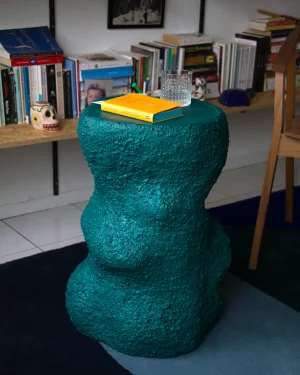 In stock
Ollain M Side Table in Special Composite Material
By Tellurico Design Studio
€2.500 -
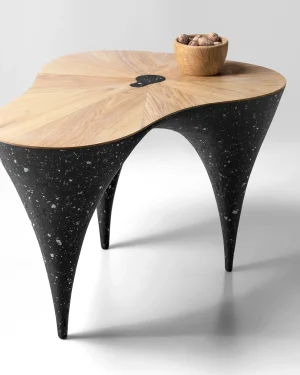
Solid Black Stone & Oak Poise Coffee Table – Still Series In Cast Stone By Donatas Zukauskas
By Donatas Žukauskas
€2.450 -

Mono – Coffee Table Grande
By Assimply Studio
€1.720
Concrete furniture is defined by a cast material rather than a joined one: studios pour wet mixes into molds, let them cure, and release a solid, mineral form with no frame or fasteners underneath. The weight is real, the surface carries the fingerprint of its mold, and the result sits closer to architecture than to conventional furniture-making. Across tables, stools, benches and consoles, concrete brings a gray or near-black mass into a room that most other materials cannot match.
What defines concrete as a furniture material
Concrete is a mix of cement, aggregate and water that hardens through a chemical reaction rather than drying out. That reaction is what gives it compressive strength and a flat, mineral surface that reads as gray, beige-gray or near-black depending on the aggregate and pigment used. It carries weight well, resists scratching, and holds its form without warping the way wood can.
Because it is cast rather than cut or turned, concrete furniture often shows the seams, grain or texture of its mold: a faint linear pattern from formwork boards, a smooth face where a steel mold was used, small air pockets left deliberately visible. Studios lean into this rather than polishing it away, so the surface of a concrete table or stool tends to feel closer to a quarried stone than a finished manufactured good.
The range of concrete pieces found here
Within furniture cast or finished in concrete, the material itself varies: some pieces are pure concrete, others combine it with stone, recycled aggregate, fiber-cement or a stainless steel frame for structural support. Color tends to stay within gray, black, beige and brown, with occasional pigmented runs in red, green or blue where a studio has added mineral dye to the mix.
Stylistically, concrete furniture spans several directions at once. Some studios keep forms brutalist and blocky, letting the raw mass speak for itself; others work in a quieter minimalist or wabi-sabi register, smoothing edges and leaving visible imperfections as a mark of the hand-building process. A smaller group pushes into maximalism or eclectic combinations, pairing cast concrete with oak wood, painted surfaces or paper elements. Editions vary too: some designs are produced as open editions, others as limited runs, and some exist as unique pieces where no two casts are identical.
How to choose a concrete piece
Scale and weight come first with this material. A concrete side table or stool is usually meant to stay put once placed, so measure the floor space and any weight limits on upper floors before committing to a larger form.
- Height: match the piece to its function first, coffee-table height for a low concrete slab, standard seat height for a stool or bench.
- Finish: a smooth cast face suits a quieter room, while a board-marked or rough aggregate surface adds texture to a sparer space.
- Placement: concrete pairs well with wood, metal and stone, so consider what else sits nearby before choosing a pigment or aggregate tone.
For a lighter alternative in the same catalog, wooden furniture offers the warmth concrete does not, while metal furniture gives a comparable sense of permanence with less mass.
Where it sits and how to care for it
Concrete furniture suits rooms built to carry weight and tolerate a cool, mineral presence: entryways, living rooms, and outdoor or covered terraces where a material built for structural use feels at home. In a living room, a cast concrete table anchors a seating group in a way that lighter materials cannot.
Untreated concrete is porous, so it can stain from wine, oil or standing water and will show marks over time rather than hiding them. A sealed or waxed surface resists this better and simply needs a damp cloth for regular cleaning; avoid acidic cleaners, which can etch the surface. Those small changes over years, rather than flaws, are part of what gives each concrete piece its own record of use. For the full range of cast and composite work, see every concrete piece on ADORNO, or narrow by form among concrete tables.
How do I choose a piece of concrete furniture?
Consider weight and placement first, since concrete pieces are heavy and meant to stay put. Match the finish, cast smooth or left raw, to the room's other surfaces and light.
Does concrete furniture need special care?
Wipe with a damp cloth and avoid acidic cleaners, which can etch the surface. Sealed concrete resists stains and moisture better than unsealed, so check the finish before placing it near water or food.
Will concrete furniture crack or stain over time?
Hairline cracks can appear as concrete cures and settles, and most makers consider this part of the material's character rather than a flaw. Sealing helps reduce staining from oil, wine, or water.
How heavy is concrete furniture and can it be moved easily?
Concrete pieces carry significant weight, often requiring two people or equipment to move. Plan its final position in advance, since repositioning later takes more effort than with wood or metal.
Which rooms suit concrete furniture best?
Concrete anchors living rooms, entryways, and outdoor spaces where its weight and texture read as permanent. Sealed pieces also hold up well in kitchens and bathrooms exposed to moisture.
What about shipping, returns, and authenticity when buying from ADORNO?
Shipping is insured and worldwide, with a 14-day return policy excluding made-to-order pieces. Every piece includes a certificate of authenticity, and ADORNO offers a lowest-price guarantee.