-
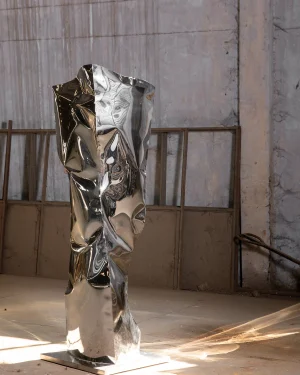
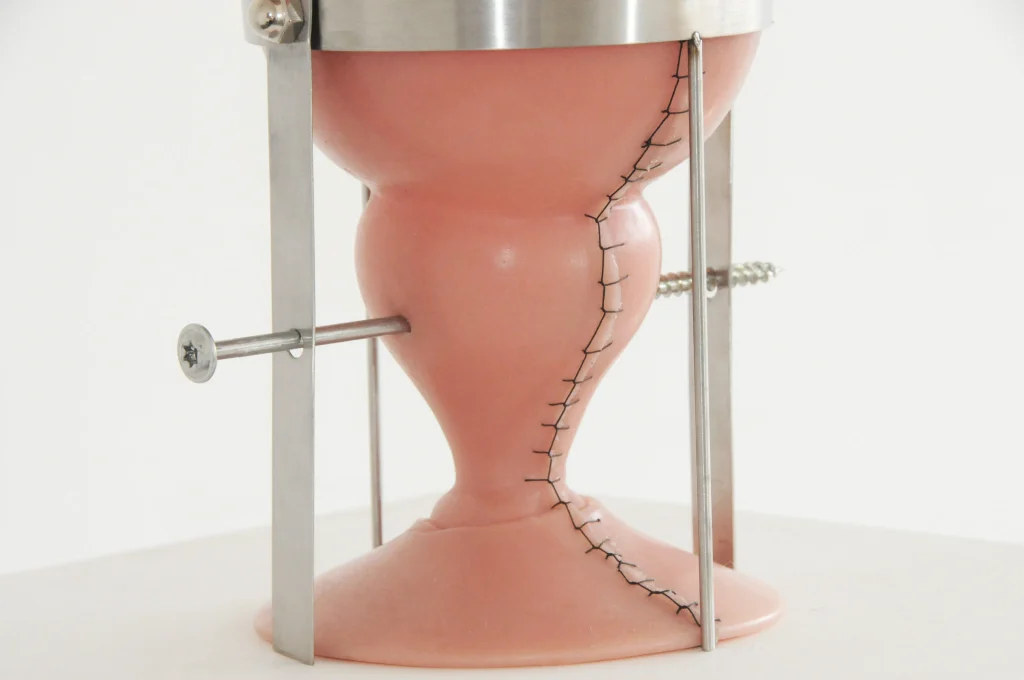
Monolith – Stainless Steel Floor Sculpture
By Nitush and Aroosh
€7.150 -
 In stock
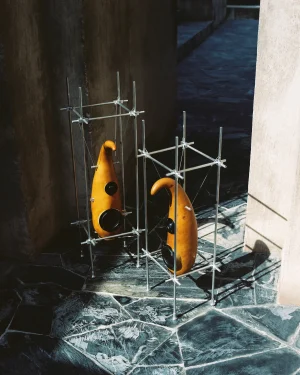
Wua-g I Speakers
By POL AGUSTI
€7.400 -
 In stock
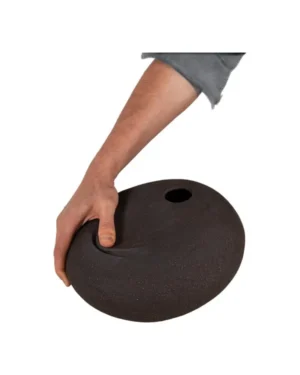
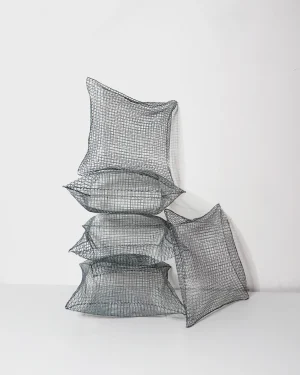
Softcore Pillow
By Deon Rubi
€500 -
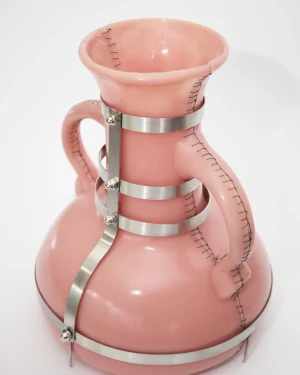
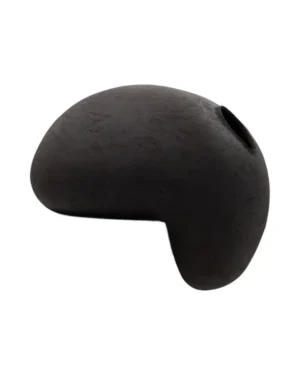
Soft Vase Sculptural Vessel
By Panorammma Atelier
€5.800 -
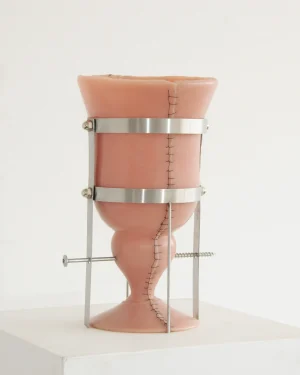
Soft Goblet Sculptural Vessel
By Panorammma Atelier
€4.800 -
 In stock
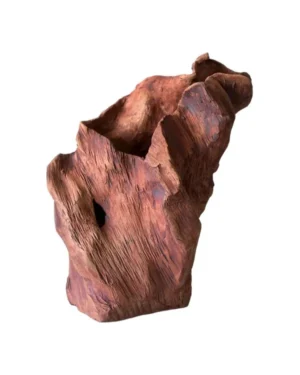
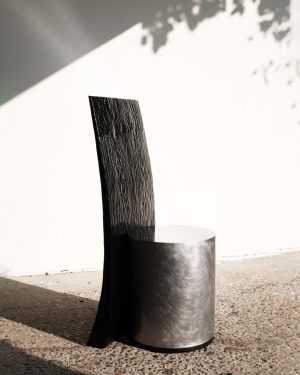
Yunseul Series – Stroke Sculpture No. 02
By Woohyun Han
€2.800 -

Pecan – Wood / Steel Sculptural Shelf
By SALAK Studio
€3.000 -
 In stock
Mosaic Umbrella Sculpture
By Undress House
€6.800 -

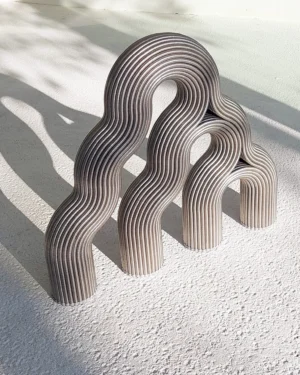
Line Of Memories Sculpture
By WANNAS
€16.200 -
 In stock
“flux” Sculpture
By JAN PAUL
€4.975 -
 In stock
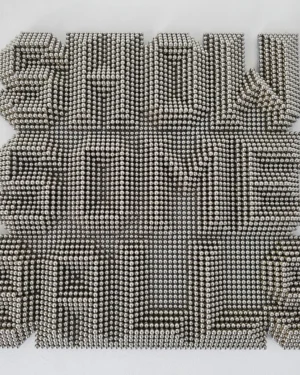
“showsomeballs” Wall Mounted Heavy Metal Sculpture.
By JAN PAUL
€3.578 -
 In stock
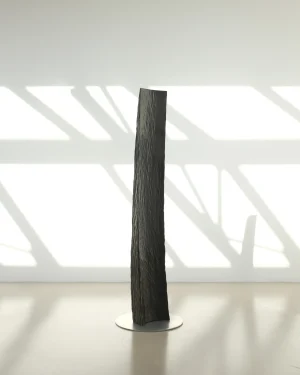
Yunseul Series – Stroke Sculpture
By Woohyun Han
Price Upon Request -
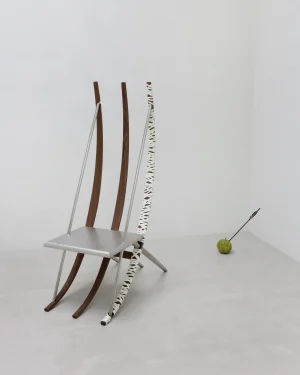
Bow Chair
By Undress House
Price Upon Request -
 In stock
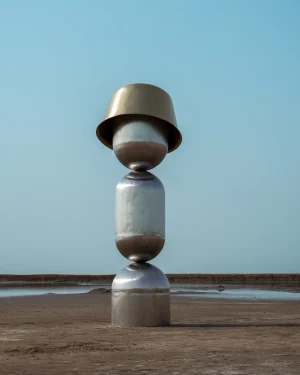
Meiso – Floor Sculpture
By WANNAS
Price Upon Request
Steel sculptures carry the density and cool surface of the metal into a room with no function to justify them beyond presence. The studios working in this material shape sheet, bar, and cast steel through welding, grinding, forging, or mould pouring, then finish the surface by hand. What results sits between object and furniture piece, something to walk around rather than use, and it holds that shape for decades.
What Steel Brings to a Sculpture
Steel is dense and rigid, so a small steel sculpture reads heavier than its size suggests and a tall one rarely needs a wide base to stay settled. The surface takes almost any finish: a brushed silver that catches light along its edges, a flat matte that absorbs it, or a blackened patina that reads closer to charcoal than metal. Some studios pair steel with brass, letting the warmer metal mark an edge or a joint against the colder gray.
Finishes, Techniques, and Editions Found Here
Across the steel sculptures on ADORNO, the recurring finishes are matte black, brushed silver, and ivory or beige paint over the metal, sometimes set against a stainless steel body for contrast. The working methods are metalwork, sculpting, mould making, and hand assembly, often combined on a single piece where a cast element meets a welded one. Editions vary: some pieces are one-offs signed off by a single maker, others come in small limited runs, and some are produced as open editions without a fixed count.
- Finishes: matte black, brushed or polished silver, blackened patina, brass accents
- Techniques: metalwork, sculpting, mould making, hand assembly
- Editions: unique pieces, limited editions, open editions
Steel sculptures sit within a wider set of sculptures from independent designers, alongside ceramic, cast glass, and carved wood forms, and steel itself turns up well beyond sculpture across steel pieces in other categories, from lighting to tables.
Choosing a Steel Sculpture for a Room
Scale decides how a steel sculpture is read before anything else does. A tabletop piece needs a surface sturdy enough to carry real weight, while a floor-standing one asks for clearance on all sides so its outline stays legible from across the room. Height matters against sightlines: something meant to be seen while seated should sit lower than eye level when standing, not above it.
Finish follows light. A polished or brushed surface will throw reflections near a window or under a pendant, which suits a room where movement and change are welcome; a matte or blackened finish holds still and works where the wall or floor behind it is already busy. Placement should give the piece a plain background, a wall, a floor, or a shelf that does not compete with its edges.
Where Steel Sculptures Sit in a Room
Living rooms and entryways take a steel sculpture well because both allow walking around an object rather than past it. Studies and dining rooms suit smaller, tabletop-scale pieces that sit near books or glassware without dominating the surface. The material reads naturally within brutalist, neo-industrial, and futuristic interiors, but a single matte or blackened piece also settles into a Japandi room built from wood and stoneware, where it stands as the one hard, cold note. Pieces with a contemporary sculptural language tend to read as comfortably in a period apartment as in a new build.
Caring for a Steel Sculpture
Stainless steel resists corrosion and needs only a dry or barely damp cloth to keep its surface clear of fingerprints and dust. Raw or blackened steel is less forgiving: moisture left standing can bring rust or lift a patina, so these pieces are better kept away from damp sills and wiped dry rather than washed. Avoid abrasive cloths or household cleaners on matte and painted finishes, since they dull the surface faster than ordinary dust does.
Steel sculptures sit alongside other pieces made from the same metal, including steel furniture and steel accessories, both built from the same logic of welding, forging, and finishing that shapes the sculptures themselves.
How do I choose a steel sculpture?
Consider the finish first: raw or blackened steel reads industrial, polished or brushed steel reads sharper and more reflective. Weight and base matter too, since steel pieces often anchor a surface rather than sit lightly on it.
How do you care for a steel sculpture?
Wipe with a dry or slightly damp cloth, and keep raw steel away from damp rooms where it can develop surface rust. Stainless and treated steel resist corrosion and need only occasional dusting.
Will a steel sculpture rust over time?
Raw or blackened steel can develop a patina or light rust if exposed to moisture, which some owners prefer as part of its aging. Stainless steel and powder-coated finishes stay stable with minimal upkeep.
What size steel sculpture should I get?
Steel sculptures range from small tabletop forms to floor-standing pieces that carry weight in a room. For exact dimensions, chat with the maker on the piece's page.
Which rooms suit a steel sculpture?
Their density and often dark or metallic finish suit entryways, studies, and living rooms where a single object needs to hold its own against furniture and light.
What happens if I need to return or ship a steel sculpture?
Shipping is insured and worldwide, and most pieces can be returned within 14 days, though made-to-order sculptures are excluded. Each comes with a certificate of authenticity and ADORNO's lowest-price guarantee.