
-
 In stock
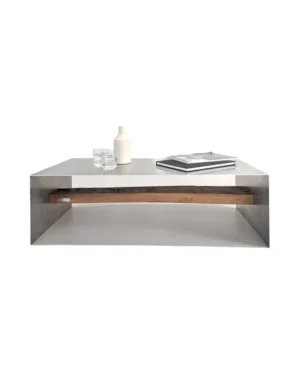
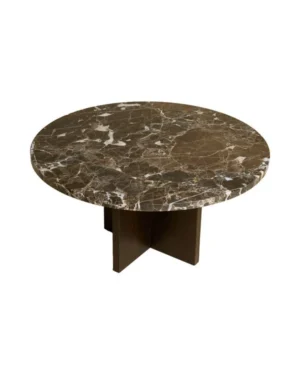
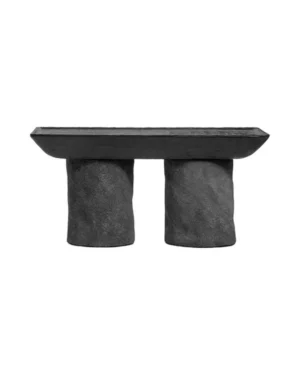
Plano Massiva — Ebony Wood And Cast Aluminum Coffee Table
By DONÓ Design
€3.178 -
 In stock
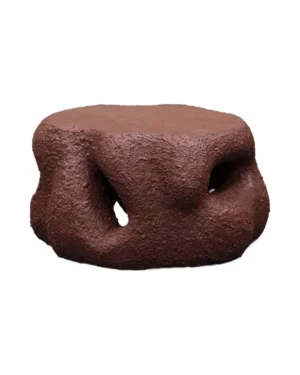
Down To Earth – Hand-sculpted Red Earth Stone Coffee Table
By Odditi
€6.480 -
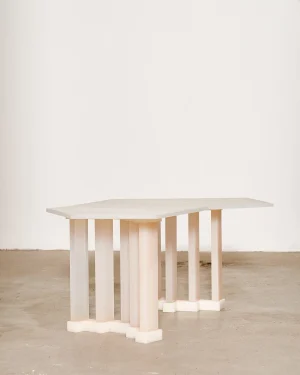
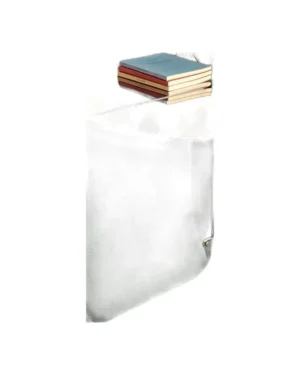
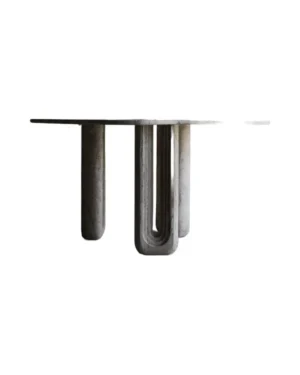
Vanishing Point – Table
By Ragna Ragnarsdottir
€4.000 -
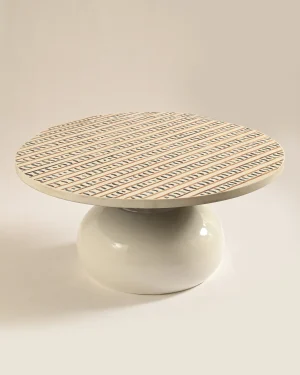
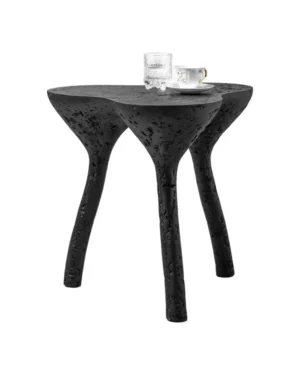
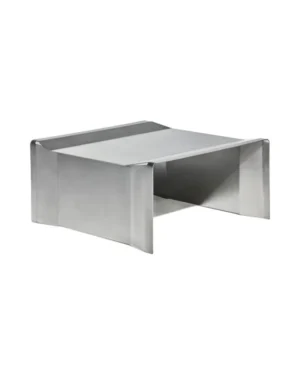
Sambhal – Cast Aluminum & Resin Coffee Table
By LMNOH
€1.800 -
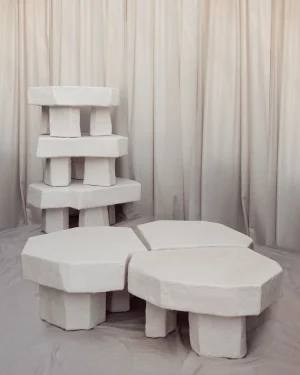
Ruins Coffee Table 3.0
By Szymon Keller
€6.455 -
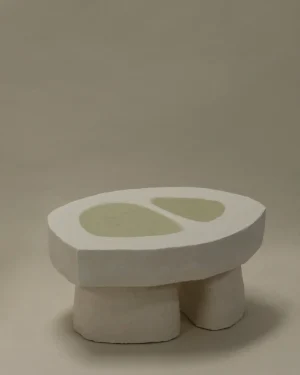
Ruins Coffee Table 2.0
By Szymon Keller
€3.546 -

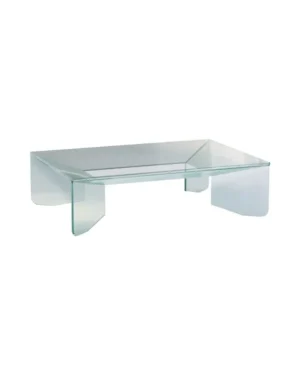
Shoreline Coffee Table
By Rollo Studio
€6.940 -
 In stock
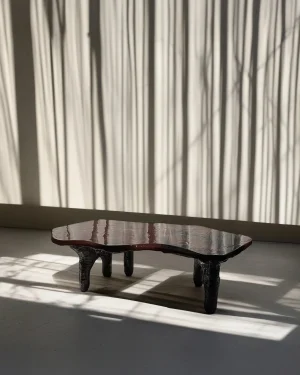
Eros Coffee Table
By aeny studio
Price Upon Request -

Candy – Round Coffee Table
By Luis Gimeno Design
€11.000 This product has multiple variants. The options may be chosen on the product page -

Candy – Square Coffee Table
By Luis Gimeno Design
€12.000 This product has multiple variants. The options may be chosen on the product page -
 In stock
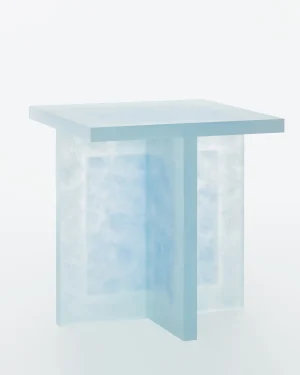
Opaque Weight – Coffee Table
By Sangwoo Son
Price Upon Request
Modern Coffee Tables
Modern coffee tables are an essential part of any living room, providing both functionality and style. These tables serve as focal points, enhancing the overall decor while offering a surface for everything from drinks to decorative items. With a wide range of materials, styles, and designs available, modern coffee tables can suit any aesthetic, whether you're going for minimalist, mid-century modern, or something more eclectic. Let’s explore the different types of modern coffee tables, the materials they are made from, and how they fit into various design styles.
What Are Modern Coffee Tables and Why Do You Need One?
Modern coffee tables act as versatile centerpieces, unifying living rooms through diverse designs and materials. From bold sculptural forms to understated functional pieces, they balance aesthetic impact with practical use. These adaptable furnishings complement various seating arrangements, express personal style, and provide essential surfaces for both everyday items and curated displays, enhancing the room's overall ambiance.
How Do Contemporary Coffee Tables Enhance Your Living Room?
Contemporary coffee tables elevate living rooms with streamlined designs and fresh aesthetics. They define spaces, add visual interest, provide functionality, and reflect personal style. Whether featuring a glass top for lightness, a metal frame for industrial chic, or a wooden surface for warmth, these tables bring a modern touch to living areas.
Unique Coffee Tables for Creative Interiors
Unique contemporary coffee tables add personality and character to living spaces. These pieces go beyond conventional designs, often doubling as functional art. From abstract shapes to custom-built creations, unique coffee tables become conversation starters and room focal points. Consider tables with unconventional materials like resin, concrete, or mixed media for a truly distinctive look.
Coffee Tables by Material: Choosing the Right Look and Feel
The material of your coffee table significantly influences its style and functionality. Each material brings its own characteristics, affecting durability, maintenance needs, and visual impact. Wood offers warmth and versatility, metal provides sleekness and durability, glass creates openness, and clay adds artistic touch.
Why Choose Wooden Modern Coffee Tables?
Wooden coffee tables offer timeless appeal and versatility. They bring warmth and natural beauty to interiors, suiting both contemporary and traditional designs. Quality wood tables can last for generations and are available in numerous types and finishes. Their unique grain patterns add natural interest, and they adapt well to various decor styles.
- Mid-century modern coffee tables often use wood for their organic shapes and clean lines, reflecting the elegance of mid-century design.
- For a more rustic or Scandinavian look, opt for reclaimed or natural wood coffee tables that emphasize texture and craftsmanship.
Metal Coffee Tables for a Modern Edge
Metal coffee tables bring a contemporary edge to living spaces. Associated with industrial or minimalist styles, they offer sleekness and durability. Metal tables withstand heavy use, resist damage, and provide a cutting-edge look. They suit urban, industrial, and minimalist designs, and can be softened by pairing with wood or glass accents.
- Metal coffee tables are perfect for urban, industrial designs, where functionality and durability are prioritized.
- Pair a metal coffee table with wood or glass accents to soften the look and create a balanced, modern feel.
What Makes Glass Coffee Tables So Popular?
Glass coffee tables are favorites in modern and minimalist interiors. They create an open, airy atmosphere, particularly beneficial in smaller spaces. Transparent surfaces make rooms feel larger and brighter by reflecting light. Glass complements various design styles and color schemes while being easy to clean and maintain.
- For contemporary spaces, opt for glass coffee tables featuring sleek metal frames or geometric bases.
- Pair a glass top with a metal or wood base for added stability and aesthetic appeal.
Clay Coffee Tables: A Unique Touch
Ceramic coffee tables bring an artistic, earthy feel to living spaces. These handcrafted pieces often feature organic shapes and muted tones, adding texture and uniqueness. Each piece is often handmade, ensuring individuality. Clay tables bring a natural aesthetic and textural interest to rooms, suiting bohemian, rustic, and eclectic designs.
- A clay coffee table works well in bohemian or rustic designs, where the focus is on natural materials and handcrafted decor.
- Pair with soft furnishings in natural tones to create a cohesive, warm living space.
Design Styles for Modern Coffee Tables
Coffee table designs should complement living room aesthetics. Options range from clean, minimalist lines to bold, eclectic forms. Popular styles include mid-century modern, minimalist, Scandinavian, and rustic, each offering distinct characteristics to suit various interior preferences.
Mid-Century Modern Coffee Tables: Timeless Appeal
Mid-century modern coffee tables remain popular for their blend of simplicity and sophistication. They feature tapered legs, organic shapes, warm wood finishes, and functional designs. These tables work well in both minimalist and eclectic spaces, offering timeless appeal that bridges past and present design trends.
- A mid-century modern coffee table made from walnut or teak pairs beautifully with vintage-inspired interiors.
- This style works well in both minimalist and eclectic spaces, offering timeless appeal that blends function with form.
Minimalist Coffee Tables: Clean and Simple
Minimalist coffee tables focus on simplicity, featuring geometric shapes, neutral colors, and minimal detailing. They emphasize function, with each element serving a purpose. Materials like glass, metal, or light wood maintain clean lines. These tables are ideal for smaller spaces or open-concept living rooms seeking an uncluttered look.
- Opt for materials like glass, metal, or light wood to maintain the clean lines of a minimalist modern coffee table.
- Keep the design simple, with a focus on functionality—ideal for smaller spaces or open-concept living rooms.
Scandinavian Coffee Tables: Natural and Functional
Scandinavian design emphasizes simplicity, functionality, and natural materials. Scandinavian coffee tables typically feature light wood finishes, clean lines, and functional elements like storage options. Their minimalist aesthetic creates bright, inviting living spaces while maximizing functionality.
- Choose light wood finishes, such as birch or pine, to enhance the brightness of your living area.
- Scandinavian tables often incorporate storage options, making them both stylish and functional.
Rustic Coffee Tables: Warm and Inviting
Rustic modern coffee tables bring warmth and character to living spaces. They often feature reclaimed or distressed wood, sturdy construction, and natural finishes that highlight wood grain and imperfections. These tables work well in eclectic or bohemian spaces, where texture and craftsmanship are valued.
- Pair with leather sofas and cozy textiles to create a warm, inviting atmosphere.
What Are Unique Contemporary Coffee Tables?
Unique contemporary coffee tables make bold statements in modern interiors. They often feature unconventional shapes, innovative materials, artistic elements, and customization options. These tables are perfect for adding creative touches to living spaces, serving as conversation pieces and focal points.
- Look for unique cool coffee tables that use materials like concrete, resin, or abstract metal frames to add a modern, artistic element to your room.
- Consider unique custom coffee tables if you want a one-of-a-kind piece that reflects your personal style and taste.
Why Choose an Abstract Coffee Table Design?
Abstract coffee tables break away from traditional forms, featuring radical designs and unexpected elements. They're ideal for creative, contemporary spaces that push design boundaries. With sculptural forms, mixed materials, asymmetrical designs, and bold colors or finishes, these tables make strong visual statements.
- Pair an abstract coffee table with minimalist furniture to allow the table to stand out as a focal point.
Coffee Tables for Every Room and Purpose
Modern coffee table designs extend beyond living rooms, enhancing bedrooms, home offices, and outdoor spaces. Their versatility allows them to serve multiple purposes in various areas of the home.
Can Modern Coffee Tables Be Used in Bedrooms?
Modern coffee tables can serve as stylish and functional additions to bedrooms. Placed at the foot of the bed or near a reading nook, these tables offer additional surface space, spots for breakfast trays or laptop use, extra storage, and design elements that tie the room's aesthetic together.
- Choose a sleek contemporary coffee table for a modern, clean bedroom look.
- Opt for a unique table design if you want to add a creative touch to your sleeping space.
How Do Coffee Tables Work in Outdoor Spaces?
Outdoor coffee tables made from weather-resistant materials provide functionality while maintaining a sleek aesthetic in outdoor living areas. Options include metal, concrete, treated wood, and composite materials. These tables enhance patios or decks, providing surfaces for drinks, snacks, or decor while complementing outdoor furniture designs.
- A unique cool coffee table can enhance a modern patio, combining outdoor durability with indoor style.
- Consider materials that can withstand weather elements but still align with your aesthetic, such as treated wood or composite materials.
What Makes Coffee Tables with Modern Design Stand Out?
Coffee tables with modern design are characterized by clean lines, innovative materials, multifunctionality, and minimalist aesthetics. They blend easily into modern living spaces, offering both practicality and style. These tables often include storage or transformable features, focusing on essential forms and functions.
How to Find Unique Custom Coffee Tables?
Custom coffee tables offer ultimate personalization. To find unique pieces, consider collaborating with local artisans or designers, exploring online marketplaces specializing in custom furniture, repurposing unusual objects into table bases, or mixing materials for one-of-a-kind combinations.
- Opt for unique materials like reclaimed wood, concrete, or mixed-media designs to create a coffee table that is truly one-of-a-kind.
- Custom coffee tables are perfect for those who want to express their personal style and have a unique focal point in their living room.
Why Choose ADORNO for Modern Coffee Tables?
ADORNO curates an exceptional selection of modern and unique coffee tables. Our collection features premium quality pieces from renowned designers, ranging from minimalist to bold statement pieces. We offer innovative materials and designs not found in mainstream stores, with expert curation ensuring high standards of craftsmanship and design.
How Does ADORNO Curate Unique Coffee Tables?
ADORNO's curation process focuses on sourcing from top designers globally, evaluating each piece for design innovation and quality craftsmanship, selecting tables that enhance living spaces functionally and aesthetically, and offering a diverse range to suit various interior styles and preferences. Our carefully chosen collection ensures that each coffee table is not just furniture, but a design statement.
Shop Now to explore ADORNO’s selection of modern coffee tables and find the perfect piece for your home.