-
 In stock
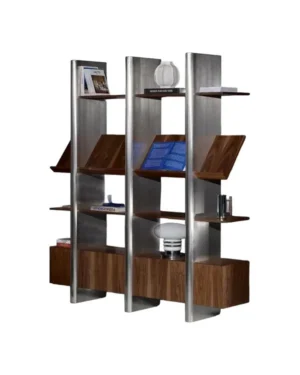
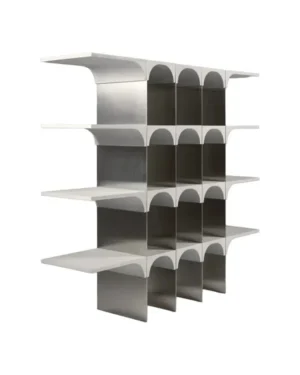
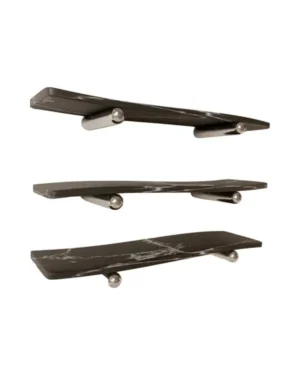
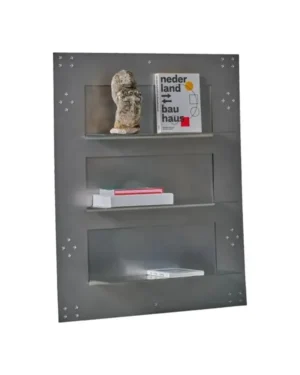
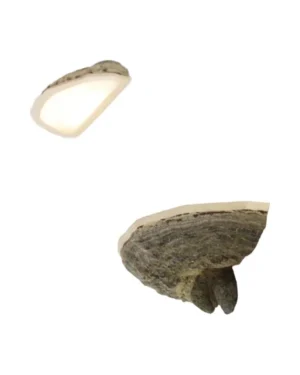
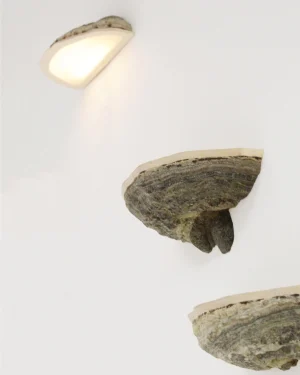
Ticka – Fungi Wall Shelf
By Olle Sahlqvist
€250 - €450 This product has multiple variants. The options may be chosen on the product page -

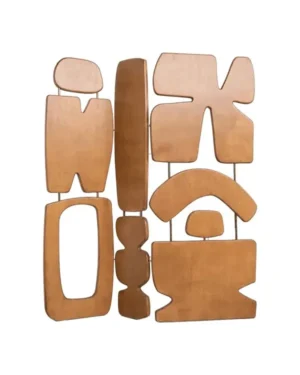
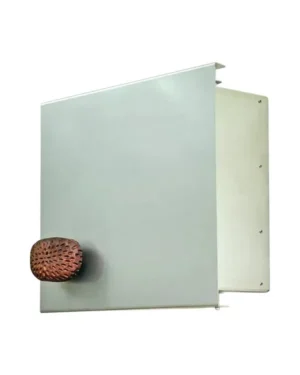
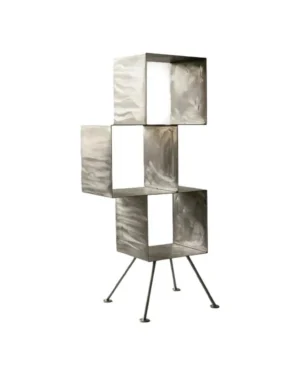
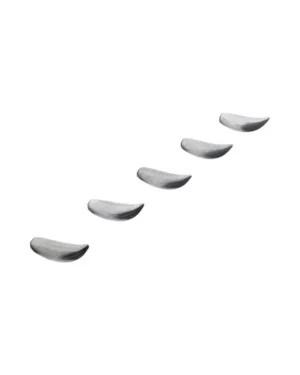
Elements Set (fire, Earth, Water And Air)
By Daniel Couttolenc
€6.150 -
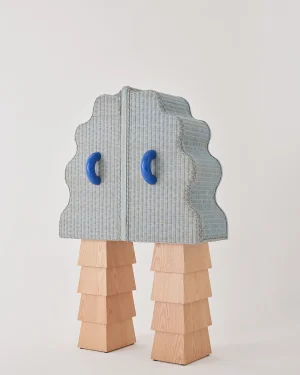
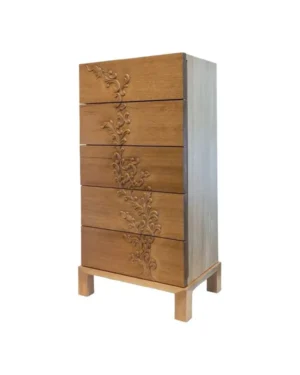
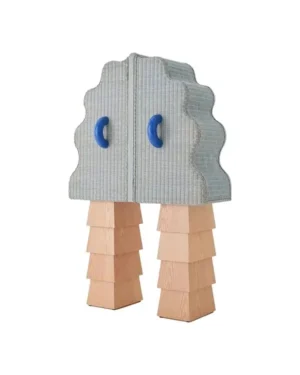
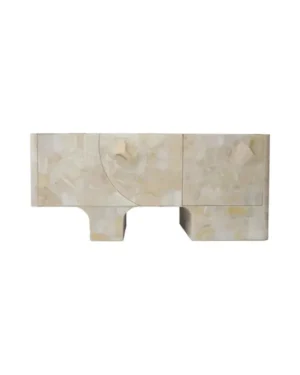
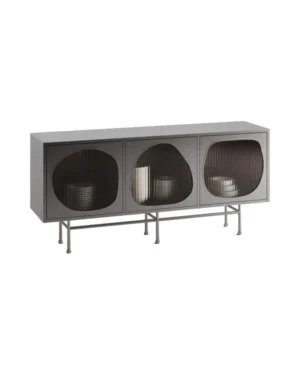
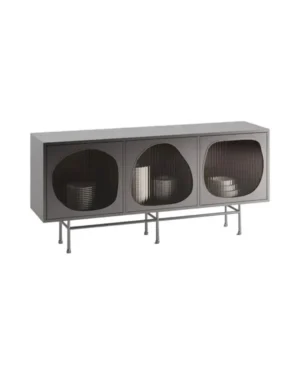
Ventura Cabinet
By Joyful Objects, Yes!
€6.900 This product has multiple variants. The options may be chosen on the product page -
 In stock
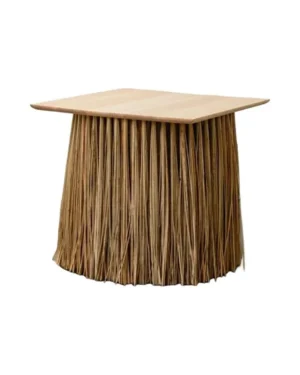
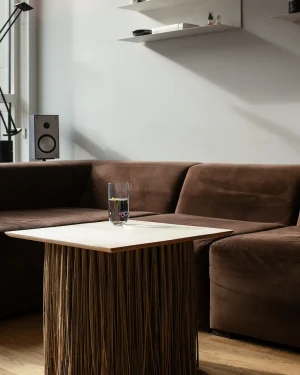
Brush Side Table in Ash Wood and Bamboo
By Calen Knauf Studio
€2.018 - €2.523 This product has multiple variants. The options may be chosen on the product page -
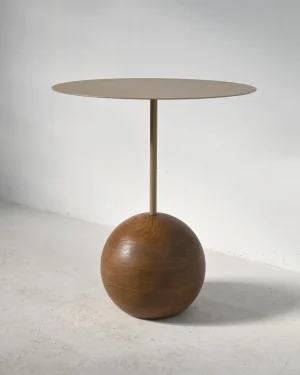
An Su Side Table in Steel and Ash Wood
By SALAK Studio
€690 -
 In stock
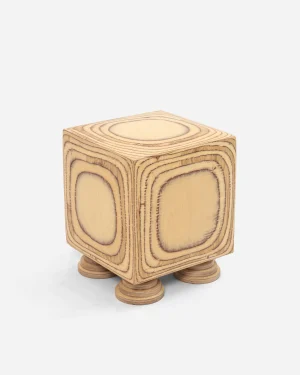
Boxy Stool No. 1
By Molor Tumen-Ulzii
€1.500 -

“Potro” Stool
By piedrafuego
€270 -
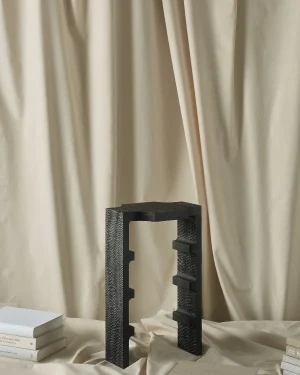 In stock
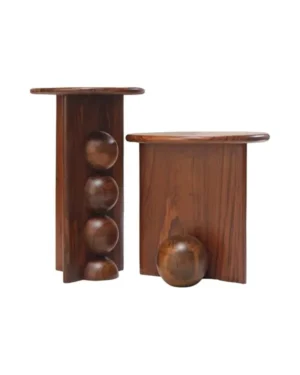
Side Book Side Table in Hand-Carved Walnut
By Mantas Lesauskas
€3.200 - €3.300 This product has multiple variants. The options may be chosen on the product page -
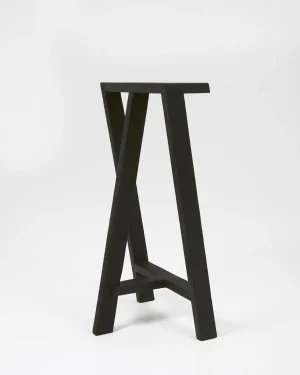 In stock
Pausa – Minimalistic Wooden Bar Stool
By Pierre-Emmanuel Vandeputte
€179 - €319 This product has multiple variants. The options may be chosen on the product page -
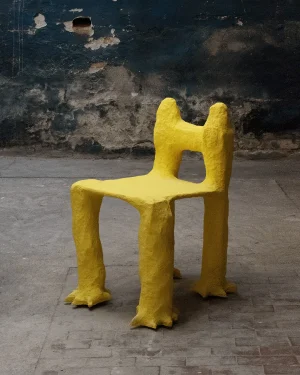 In stock
Zampa
By Jonathan Bocca
€2.700 -

Nemo and Dory Side Table in Reclaimed Teak Wood
By Studio Indigene
€1.600 -

Isolation Coffee Table in Cork and Burnt Pine
By Vital Lainé
€1.800 -

Bombs Pouf
By hermhaus
€1.060 - €1.140 This product has multiple variants. The options may be chosen on the product page -
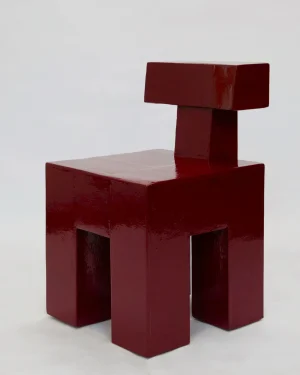
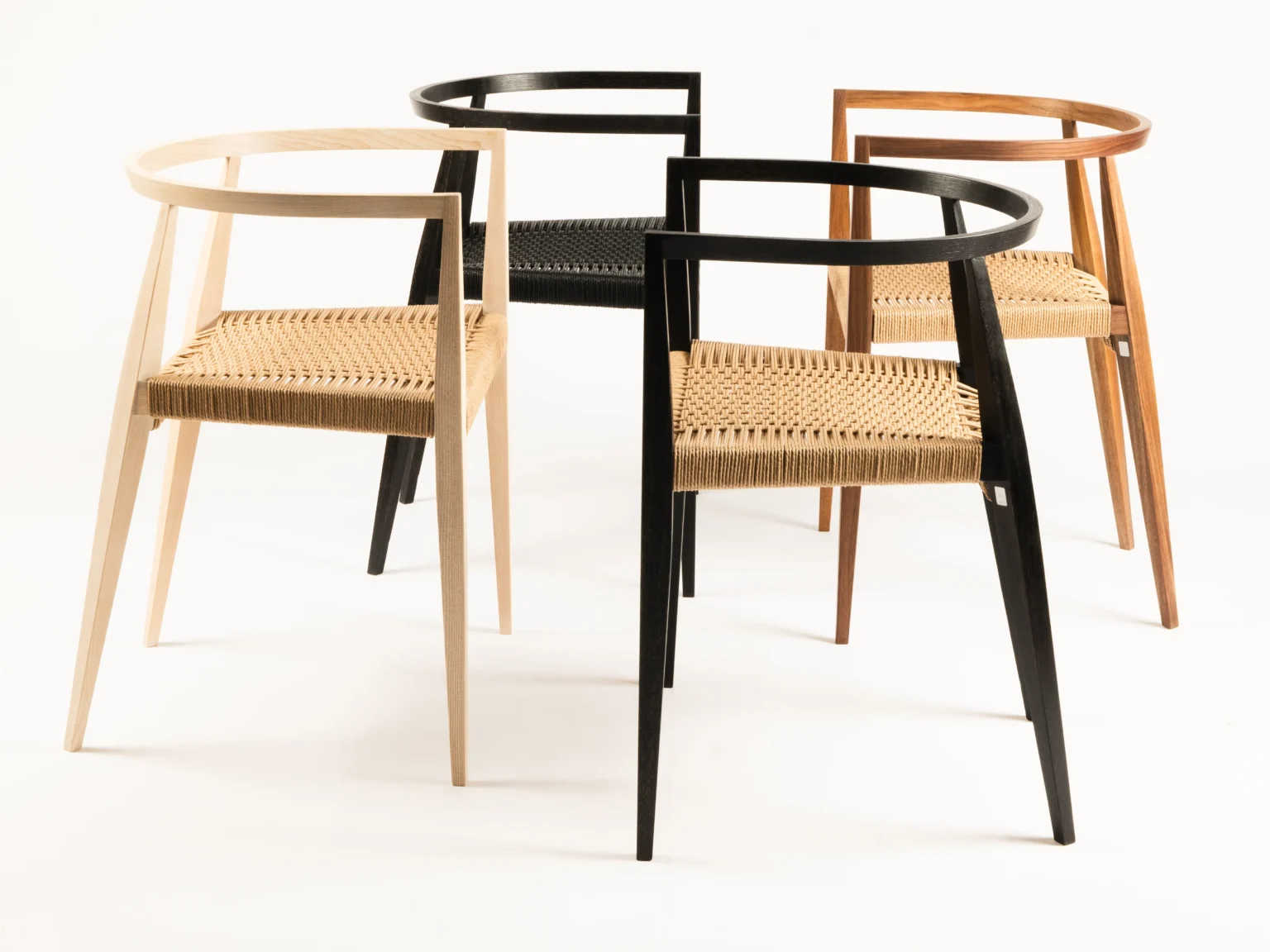
The Practice Chair
By Studio Fabius Clovis
€2.200 This product has multiple variants. The options may be chosen on the product page -

Cork X 01 Side Table in Cork and Aluminum
By Robert Megel
€599 -

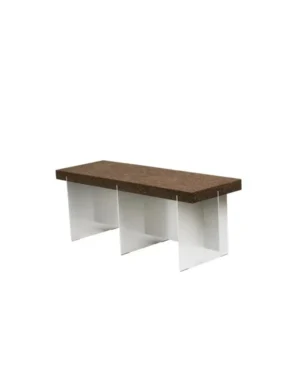
Cork X | Bench 01 – Cork / Metal Bench
By Robert Megel
€1.499 -
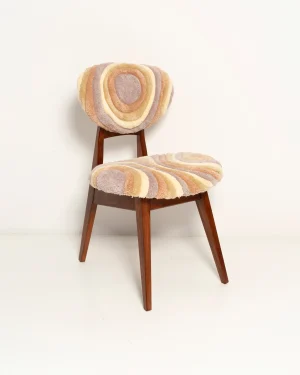
Mid Century Mushroom Chair Hand Tufting Beige Wool
By Vintola Studio
€1.600 -
 In stock
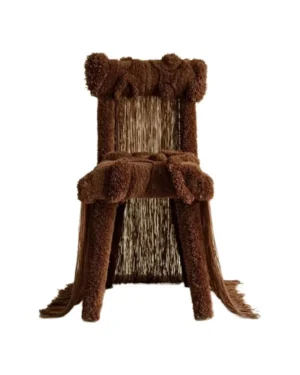
“your Skin” Chair
By Tributo
€2.180 -

Windows of Bo Bardi Side Table in Tulip Wood
By Linde Freya Tangelder
€1.300 - €1.600 This product has multiple variants. The options may be chosen on the product page -

Slant Book Stand – Marble, Brass and Oak Wood
By VAUST Studio
€6.600 -
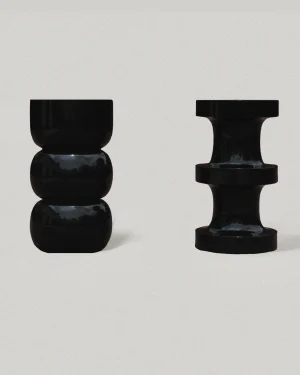
Chess Stool Set/ Sculptural Side Table
By Panorammma Atelier
€1.835 -

TRN Model 3 Side Table in Solid Ash Wood
By Pani Jurek STUDIO
€1.065 This product has multiple variants. The options may be chosen on the product page -
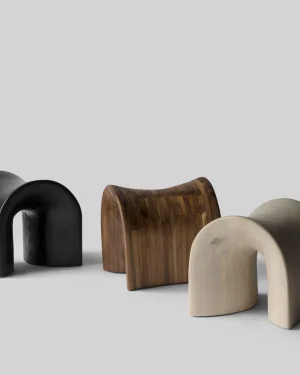
Toro – Modern Minimalist Wooden Stool
By Daniel Couttolenc
€2.850 This product has multiple variants. The options may be chosen on the product page -
 In stock
Cubo Side Table in Birch Plywood
By Edoardo Lietti Studio
€800 -
 In stock
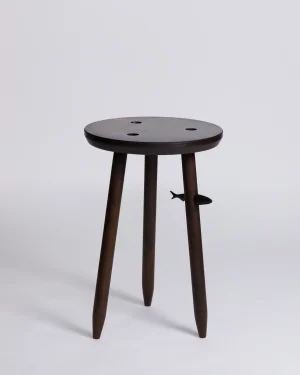
Cardume Low Stool
By Andreas Anwander
€500 This product has multiple variants. The options may be chosen on the product page -

Aster Side Table In Parota Wood
By Daniel Couttolenc
€1.975 -

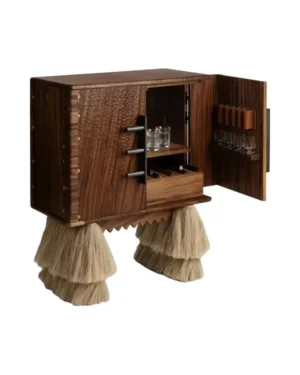
Vilma Display Cabinet
By Comité de Proyectos
€15.800 -

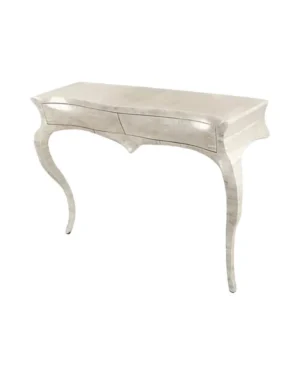
Ventura Console Table in Solid Oak
By Joyful Objects, Yes!
€4.500 -
 In stock
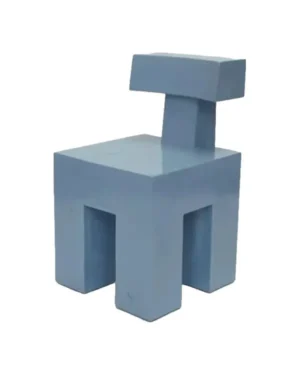
N1 Cena — Sky-blue Wood And Aluminum Stool
By DONÓ Design
€2.100 -

N2 Cena — Sky-blue Wood And Aluminum Stool
By DONÓ Design
€2.600 -
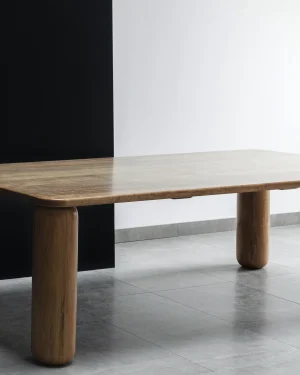
Well Grounded Dining Table in Solid Wood
By Laluz Handcraft
€5.040 -
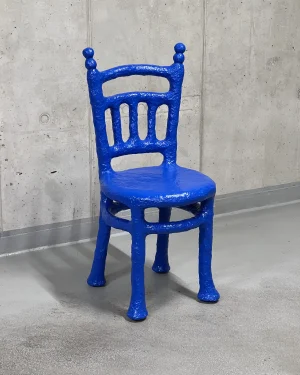
Blue Papier-mâché Chess Chair
By David Čáp
€1.000 -
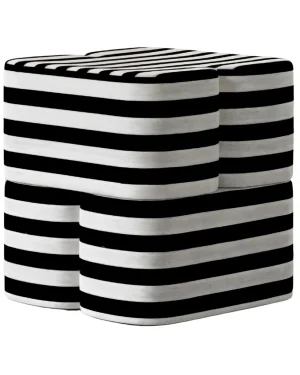
Ori Pouf
By hermhaus
€726 This product has multiple variants. The options may be chosen on the product page -
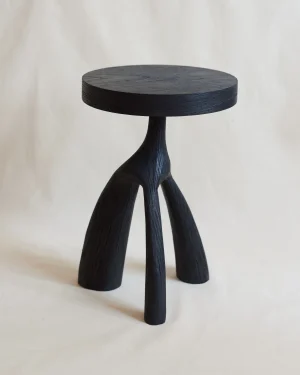 In stock
Tecolli Side Table In Burnt Oak Wood
By LØRDAG & SØNDAG
€940 -
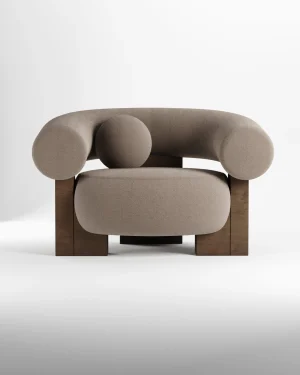
Cassette – Upholstered Lounge Chair
By Alter Ego Studio
€5.860 -
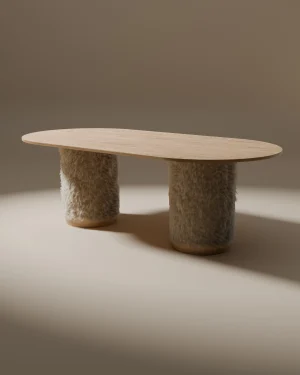
Cacu Dining Table in Oak, MDF and Fur
By Joana Teixeira
€4.250 -

Amorous Stool
By Molor Tumen-Ulzii
€4.000 -

Mamun Nightstand in Solid Teak
By STUDIO KALLANG
€1.450 -

Coklat Side Table in Teak and Sungkai Wood
By STUDIO KALLANG
€1.450 -

Honey – Squiggle Oak Wood Chair
By Deya
€1.492 -
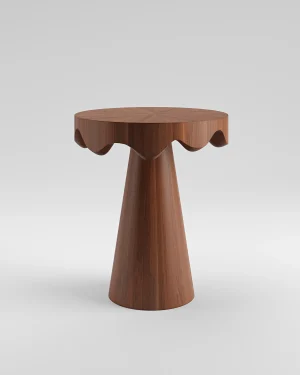
Dripotlé Side Table in Mahogany
By Studio TOOJ
€4.500 -
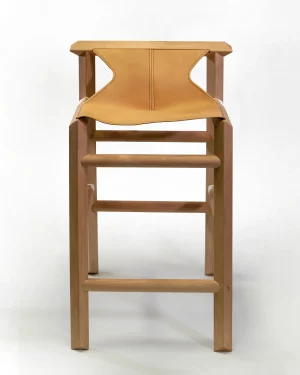
1903 – Cognac Leather And Wood Barstool
By espina corona
€890 -
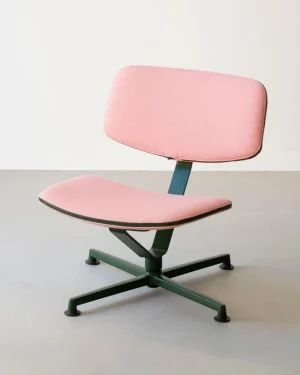 In stock
Arba – Aluminum & Steel Lounge Chair
By raawii
€1.276 This product has multiple variants. The options may be chosen on the product page -
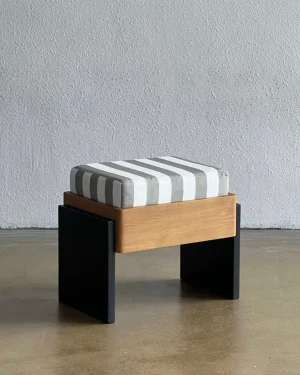
Striped Teak Ottoman
By STUDIO KALLANG
€1.025 -
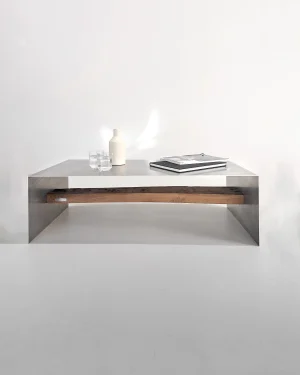 In stock
Matted Aluminum Coffee Table in Aluminum and Oak
By case studios
€660 -
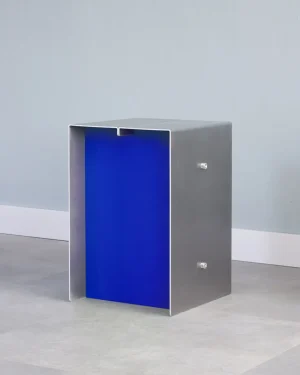
Core Aluminum Side Table / Stool
By Lisanne Meester
€399 This product has multiple variants. The options may be chosen on the product page -

The Hotel Console Table in Imbuia Wood and Brass
By am.o atelier
€3.509 -
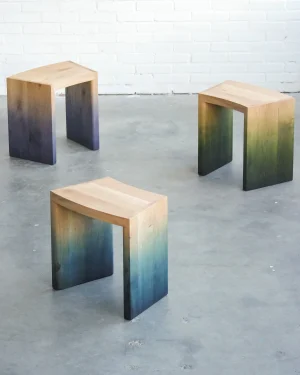 In stock
Dawn – Stool
By Studio Onno Adriaanse
€732 This product has multiple variants. The options may be chosen on the product page -
 In stock
Matted Aluminum Coffee Table in Aluminum and Blackwood
By case studios
€719 -
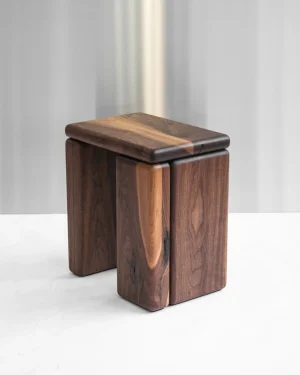
Timber – Walnut Stool
By Studio Onno Adriaanse
€992 -
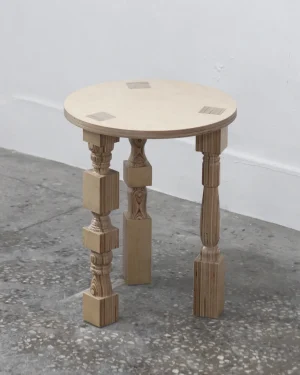 In stock
Ply Stool – Birch Plywood
By STUDIO KIMBYUNGSUB
€850 -
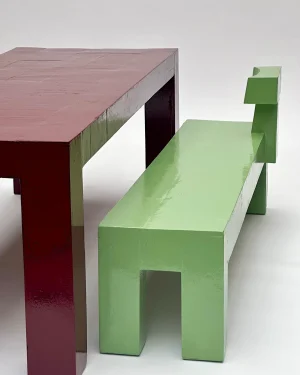
Practice Bench – Upcycled Wood
By Studio Fabius Clovis
€3.300 -
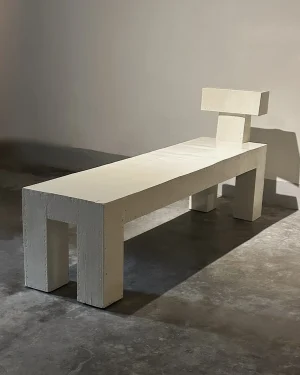
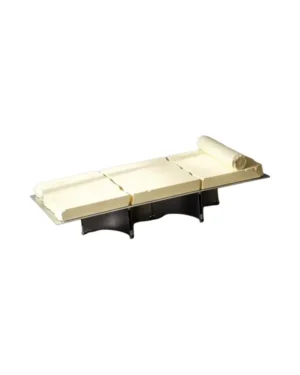
Practice Chaise Lounge
By Studio Fabius Clovis
€2.728 -
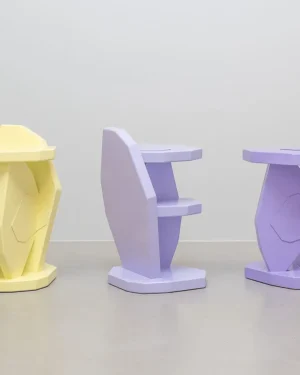
Patched Side Table in Painted Birch and Aluminum
By Jacob Mathias Egeberg
€1.300 This product has multiple variants. The options may be chosen on the product page
Wooden furniture on ADORNO gathers pieces worked in pine, ash, birch, parota and oak, each one shaped by independent studios who choose their wood for grain, weight and the way it ages. Some pieces are turned on a lathe, some are carved by hand, others are joined with traditional cabinetmaking methods that leave no need for screws or glue. The material carries its own history into a room, and no two boards read quite the same.
What defines wood as a material for furniture
Wood holds grain, knots and color variation that no two boards repeat exactly, so a pine cabinet or an oak bench carries a surface that shifts across its length. Softwoods like pine mark and dent more readily, picking up a history of use. Hardwoods such as oak and ash resist wear better and carry more weight, which is why they turn up often in table legs and chair frames that take daily strain.
Color in raw wood runs from the pale cream of birch to the deep red-brown of some parota cuts, and a finish can push that further toward beige, black, brown or ivory without hiding the grain underneath. Open-pored oils let the surface breathe and darken slightly with light exposure. Painted or lacquered finishes seal the surface and hold a flatter, more even color over time.
The range of wood, finish and technique found here
Alongside solid wood, studios bring in textile and cork to pair with timber frames, through upholstery, weaving or biofabrication, so a wooden base might sit under a woven seat or a cork-topped stool. Technique varies as much as material: wood carving and woodturning shape solid sections by hand, joinery holds frames together without hardware, and cabinetmaking brings panels and veneers into cabinets and case pieces.
- Styles run from minimalist and mid-century lines to rustic, brutalist, coastal, boho chic and eclectic pieces, each treating the same timber differently.
- Editions include open editions made to order, limited runs produced in small numbers, and unique pieces that exist as single examples.
For a wider view across every timber, finish and technique on offer, the full range of wood pieces on ADORNO sits alongside everything else made in the material, not just furniture.
How to choose a wooden table, chair or cabinet
Start with scale: a dining table needs enough surface and legroom for the chairs drawn up to it, while a side table should sit low enough not to compete with a sofa arm. Standard seat heights and table heights give a starting point, but the visual weight of the wood matters too — a thick oak slab reads heavier than a slim birch frame even at the same footprint.
Finish affects both look and upkeep. A matte oil finish shows wear more honestly and asks for more maintenance; a sealed lacquer resists spills but can show scratches more sharply against the color underneath. Placement near a window changes things further, since direct sun will shift the tone of any wood finish over the years.
Where wooden pieces sit in a room
A wooden dining table or set of chairs anchors a dining area and tends to outlast the furniture placed around it. In the living room, a wood-framed shelf, console or seat carries less visual weight than upholstered pieces nearby, which keeps the room from feeling closed in. The range of living room furniture shows how often wood frames, legs and tabletops turn up in these settings. Wooden lamps, side tables and small objects work well as anchors across bedrooms, hallways and studies, bringing the same material language into smaller spaces.
Caring for wooden furniture
Most wood pieces need only a dry or barely damp cloth and protection from standing water, which can swell the grain or leave marks on an open-pored finish. Keeping wooden furniture out of direct, constant sun slows the color shift that comes with UV exposure, though some warming of tone is normal and often welcomed as the piece settles into a room. Oiled surfaces benefit from an occasional reapplication to keep the wood from drying out, while sealed or lacquered pieces mainly need protection from scratching.
To see the full spread of pieces made in this material, the furniture category covers every kind alongside wood, while wooden tables and wooden seating narrow the search to specific kinds of pieces built from the same timber.
How do I choose the right wooden furniture piece?
Start with the wood itself: oak and ash carry weight and suit daily use, while lighter woods like pine or birch work well for smaller or occasional pieces. Match the grain and tone to what already sits in the room.
How do I care for wooden furniture?
Keep wood away from direct heat and prolonged damp, and wipe spills promptly to avoid staining. A periodic wax or oil treatment keeps the grain fed and the surface resistant to wear.
What size table or chair height is standard?
Dining tables typically stand around 28 to 30 inches high, with chairs around 18 inches to the seat. Wooden pieces follow these norms, though dimensions vary by maker and can be confirmed with Chat with the maker on the piece's page.
Which rooms suit wooden furniture best?
Wood anchors living rooms and dining spaces where it takes daily contact, and softens bedrooms with warmth that textiles and metal cannot match. Oak and ash hold up in high-traffic areas, while lighter woods suit calmer corners.
Can I order a wooden piece in a custom size or finish?
Some studios take custom requests for sizing, wood type, or finish. Chat with the maker on the piece's page to confirm what is possible.
How does shipping, returns, and authenticity work on ADORNO?
Shipping is insured and worldwide. Returns are accepted within 14 days, except on made-to-order pieces, and every purchase includes a certificate of authenticity alongside a lowest-price guarantee.