 Comet Floor Lamp in Brass and Marble - White
 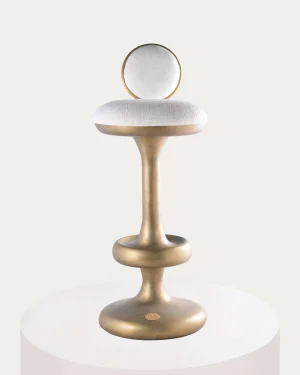 Atom Barstool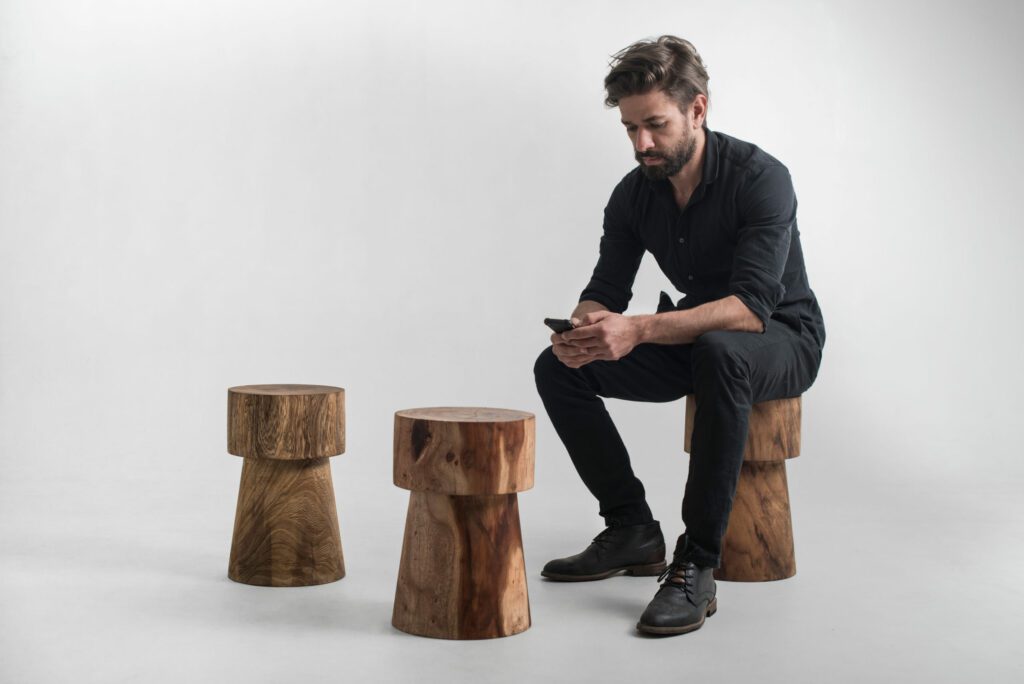





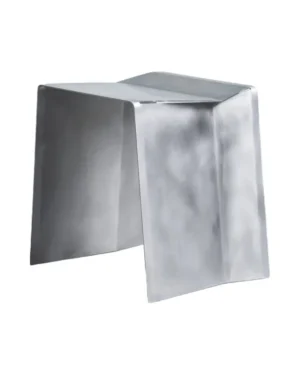
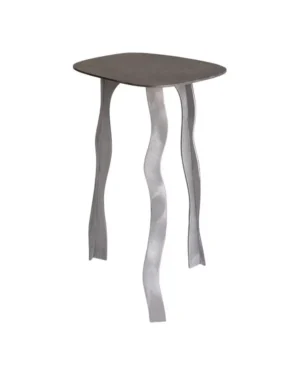
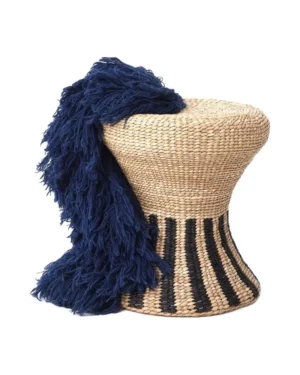
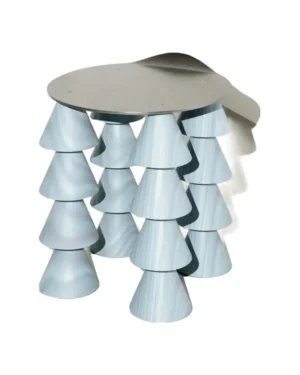
-
 In stock
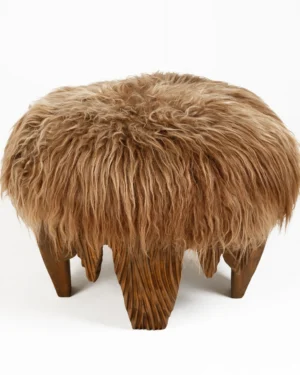
El Topo Sculptural Ottoman In Natural Acacia & Icelandic Sheepskin
By Odditi
€1.090 -
 In stock
New Shoes Stool
By Studio Ebba Lindgren
€700 -

“Potro” Stool
By piedrafuego
€270 -

Elements Set (fire, Earth, Water And Air)
By Daniel Couttolenc
€6.150 -
 In stock
Bruno – Modern Bar Stool In Argentine Solid Wood
By Costantini Design
€1.980 This product has multiple variants. The options may be chosen on the product page -
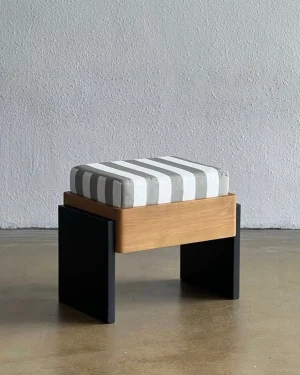
Striped Teak Ottoman
By STUDIO KALLANG
€1.025 -
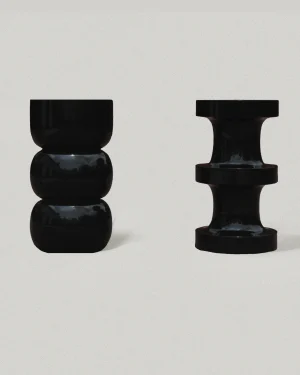
Chess Stool Set/ Sculptural Side Table
By Panorammma Atelier
€1.835 -
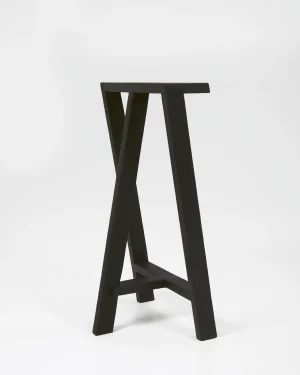 In stock
Pausa – Minimalistic Wooden Bar Stool
By Pierre-Emmanuel Vandeputte
€179 - €319 This product has multiple variants. The options may be chosen on the product page -
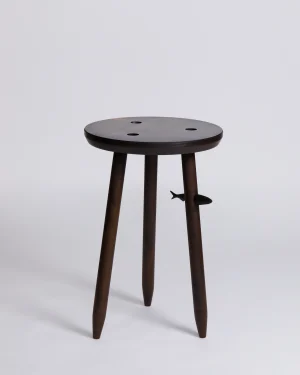 In stock
Cardume Low Stool
By Andreas Anwander
€500 This product has multiple variants. The options may be chosen on the product page -
 In stock
N1 Cena — Sky-blue Wood And Aluminum Stool
By DONÓ Design
€2.100 -

N2 Cena — Sky-blue Wood And Aluminum Stool
By DONÓ Design
€2.600 -
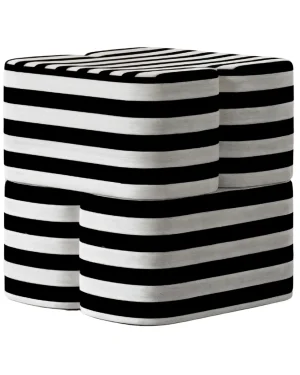
Ori Pouf
By hermhaus
€726 This product has multiple variants. The options may be chosen on the product page -

Bombs Pouf
By hermhaus
€1.060 - €1.140 This product has multiple variants. The options may be chosen on the product page -
 In stock
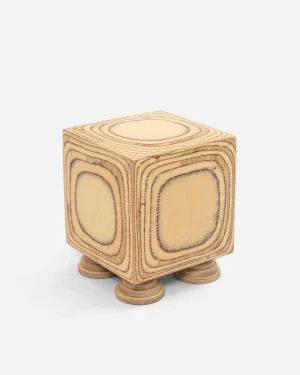
Boxy Stool No. 1
By Molor Tumen-Ulzii
€1.200 -
 In stock
Knot Low Stool / Side Table In Solid Ash Wood
By Luis Gimeno Design
€800 -

Broken Wing Stool
By Obscure Objects
€290 -
 In stock
Knot – Stool / Side Table – Solid Ash Wood
By Luis Gimeno Design
€800 -
 In stock
Knot – Stool / Side Table – Solid Ash Wood
By Luis Gimeno Design
€890 -
 In stock
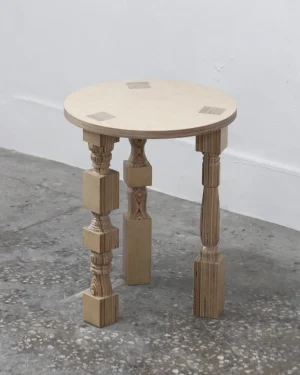
Ply Stool – Birch Plywood
By STUDIO KIMBYUNGSUB
€850 -
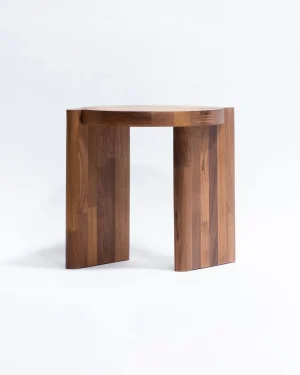
Shift Stool – Walnut
By Studio Yann Gandon
€690 -

Thorn Stool, Sapele Mahogany Wood
By Josh Page Studio
€760 -

The Memory Stool
By COSEINCORSO
€780 This product has multiple variants. The options may be chosen on the product page -
In stock
New Shoes Stool
By Studio Ebba Lindgren
€700 -

Succession stool
By FARG & BLANCHE
€4.500 -
 In stock
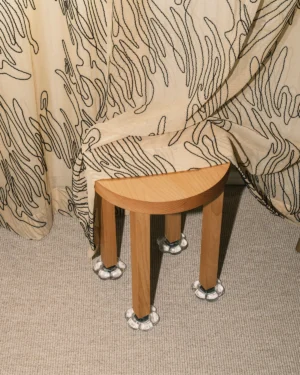
New Shoes Stool
By Studio Ebba Lindgren
€800 -
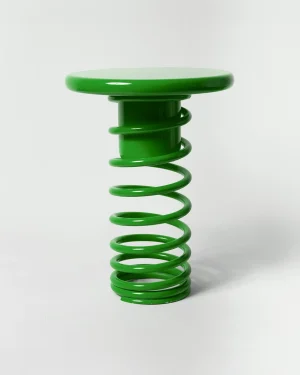
Twist Stool
By Yet Design Studio
€1.200 This product has multiple variants. The options may be chosen on the product page -

Stratum Mushroom Stool
By Arisaa
€680 -
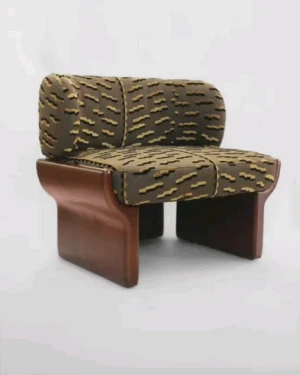
Lucky Armchair Tiger Mountain
By Alter Ego Studio
€5.220 -

Corolla Stool/side Table
By Luis Gimeno Design
€1.100 This product has multiple variants. The options may be chosen on the product page -

Cork X | Chair 01 – Cork / Metal Stool
By Robert Megel
€699 -
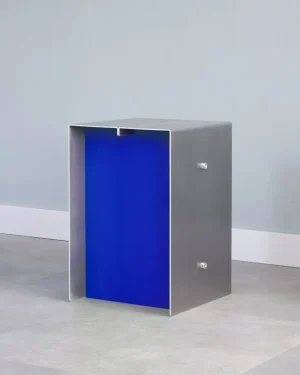
Core Aluminum Side Table / Stool
By Lisanne Meester
€399 This product has multiple variants. The options may be chosen on the product page -
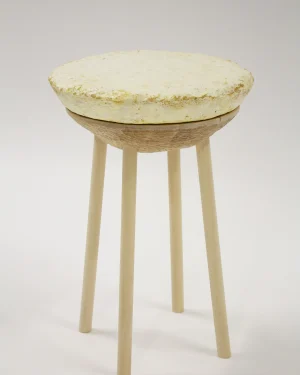 In stock
Mystool – Mycelium Stool
By Olle Sahlqvist
€1.900 -

Dahlia Stool/side Table
By Luis Gimeno Design
€990 This product has multiple variants. The options may be chosen on the product page -

Cassette – Upholstered Bar Chair
By Alter Ego Studio
€2.880 -
 In stock
Anuk Stool
By Heaps & Woods
€1.344 -
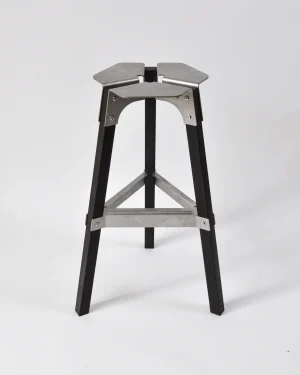
Trinity300 High Stool – Matte Stainless Steel & Ebonized Oak Wood
By MLK Furniture
€1.290 -

Ginkgo Chair
By Luke Crouch Studio
€2.550 -
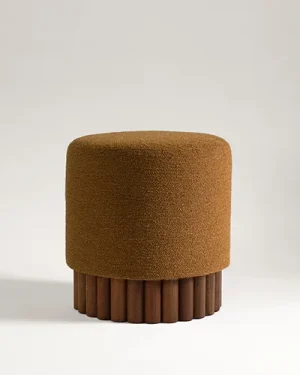
Loto Pouf In Boucle
By Peca Mobiliario
€1.553 - €1.627 This product has multiple variants. The options may be chosen on the product page -
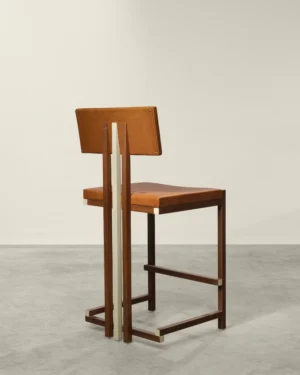 In stock
Amigo Bar Stool
By Fi
€1.450 -

Origo Low Stool
By ASUL-STUDIO
€1.250 -
 In stock
Valentina Low Stool
By Heaps & Woods
€1.344 -
 In stock
Bruna Low Stool
By Heaps & Woods
€1.344 -
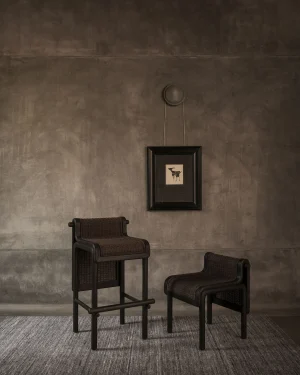
Rahi Stools
By Project 810
€1.200 - €1.500 This product has multiple variants. The options may be chosen on the product page -

Windows of Bo Bardi – Butter
By Linde Freya Tangelder
€1.300 -
 In stock
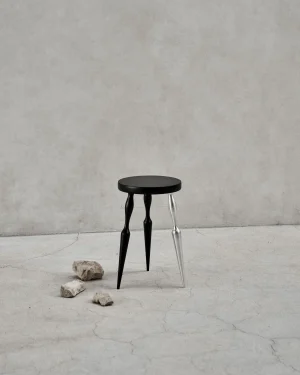
One Silver Legged Stool – Black / White
By Undress House
€800 This product has multiple variants. The options may be chosen on the product page -
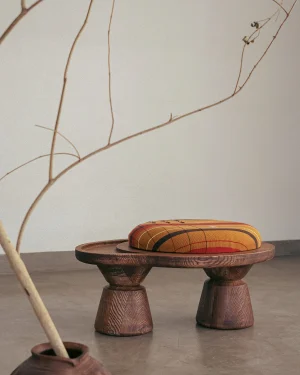
Müra Ottoman
By Shivangi Vasudeva
€2.100 -

Junco Stool
By Daniel Couttolenc
€1.500 This product has multiple variants. The options may be chosen on the product page -

Kudu Low Stool
By Arisaa
€700 -
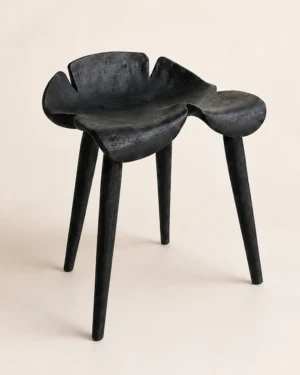
Flower Stool
By Luke Crouch Studio
€2.150 -
 In stock
Nala Stool
By Heaps & Woods
€1.343 -
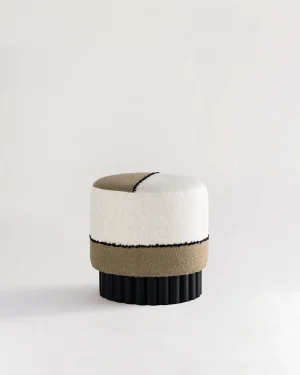
Ensamble Pouf
By Peca Mobiliario
€2.070 - €2.517 This product has multiple variants. The options may be chosen on the product page -
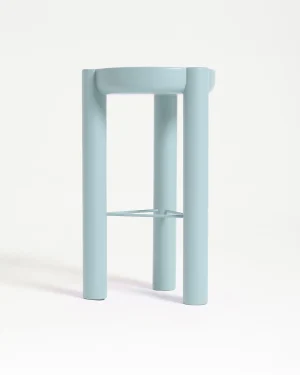
Pillar Bar Stool 3 Legged Wood
By Yet Design Studio
€830 This product has multiple variants. The options may be chosen on the product page -
 In stock
Retro Bar Stool
By Vintola Studio
€800 -
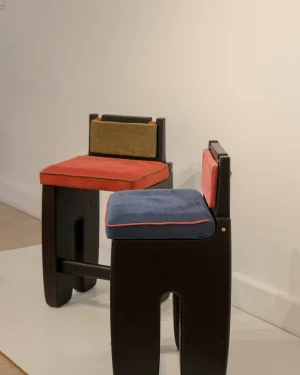
Takhat Counter Stool
By Shivangi Vasudeva
€1.750 This product has multiple variants. The options may be chosen on the product page
Wooden stools bring the grain, weight and warmth of solid timber into a room, each one shaped by a studio working in oak, teak, birch, maple or another species through cabinetmaking, turning or carving. What defines them is the material itself: a cut of wood that carries its own figure, density and color, worked into a seat that holds weight on three or four honest legs. No two boards look quite alike, so no two stools do either.
What Wood Brings to a Stool
Oak is dense and ring-marked, aging to a deeper amber as it takes light and handling over years. Teak carries natural oils that resist moisture, which is why it turns up in stools meant for kitchens or covered outdoor spaces. Birch and maple run paler and finer-grained, often left raw or lightly oiled so the wood keeps breathing rather than sealing under a heavy lacquer.
Parota, a species favored for its wide slabs and irregular grain, tends to appear in stools turned or carved from a single block, where the live edge or knot is left visible rather than sanded away. White oak falls between the two: close-grained like oak, but lighter and cooler in tone. All of these darken slightly with age and sunlight, part of what makes a wooden stool read as lived-with rather than static.
Species, Finish and Technique Across the Range
Within wooden stools on ADORNO, the range spans oak, parota, birch, teak, white oak and maple, in finishes from pale and raw to ochre, cognac, ivory or black stains, sometimes paired with woven cane or upholstered seats. Technique varies as widely as the wood: some stools are turned on a lathe, some joined through traditional cabinetmaking, others carved by hand or built up with metalwork legs under a timber seat. A smaller number come from digital fabrication or 3D printing used alongside wood components, a newer counterpoint to older joinery.
Editions vary too. Some stools are produced as open editions, repeatable over time, while others are unique pieces, a single stool cut from a single board that will not be made again. The full range of timber furniture, including tables and case pieces worked in the same species, sits under every wood piece on ADORNO, alongside wooden seating more broadly for chairs and benches in the same materials.
How to Choose a Wooden Stool
Start with scale: a stool should sit low enough to tuck under a counter or table lip but high enough that knees clear the underside comfortably. Standard counter and bar heights are a useful anchor, but measure the surface it will sit against rather than trusting a size label alone.
- Match the finish to the room's light: pale birch or maple brightens a dim corner, while dark oak or walnut-toned stains ground a bright one.
- Choose solid joinery or a single-block carve for a stool that will be moved often, since turned or carved legs tend to hold up better than thin dowels under repeated shifting.
- Consider grain direction and visible knots as part of the look, not a flaw to avoid.
Where Wooden Stools Fit
A wooden stool works as extra seating at a kitchen island, a perch at a home bar, or a side table substitute next to a sofa or bed. In open-plan spaces it can move between rooms without clashing, since timber reads as neutral against most upholstery and flooring. For a seating group built entirely around wood tones, pair it with pieces from living room stools or set it beside a matching table from wooden tables.
Caring for Wood Stools
Wipe spills promptly, since standing water can raise grain or leave rings on an oiled surface. An occasional pass with a wood-appropriate oil keeps raw or lightly finished pieces from drying out, particularly in heated interiors through winter. Keep stools out of direct, sustained sun where possible, since uneven light exposure will shade timber unevenly over time, and avoid stacking heavy weight on one edge of a single-block seat.
How do I choose a wooden stool?
Match the wood tone to nearby furniture, oak and maple read lighter, teak and walnut darker, and check the seat height against your counter or table before deciding on a shape.
How do I care for a wooden stool?
Wipe with a dry or slightly damp cloth, keep it away from direct heat and standing water, and oil or wax occasionally if the finish is open-grained to stop drying or cracking.
What height stool do I need?
Counter height generally suits 34 to 36 inch counters, bar height suits 40 to 42 inch surfaces, and a lower stool works best beside a standard dining table or as extra seating.
Where do wooden stools work best?
Kitchens, home bars, and living rooms all take a wooden stool well, since the material pairs with stone, tile, and textile surfaces without competing for attention.
Can I order a custom size or finish?
Some makers take custom requests on size, wood type, or finish. Chat with the maker on the piece's page to confirm what is possible.
What about shipping, returns, and authenticity?
Shipping is insured and worldwide. Returns are accepted within 14 days, except made-to-order pieces, and every stool arrives with a certificate of authenticity.