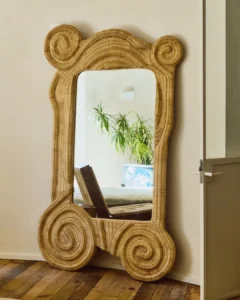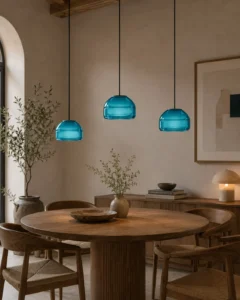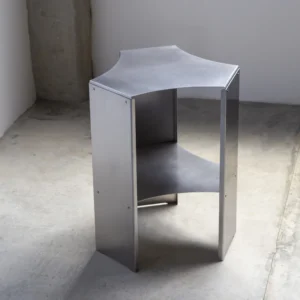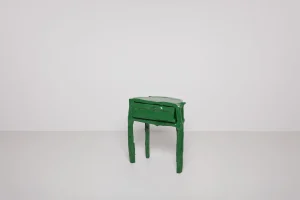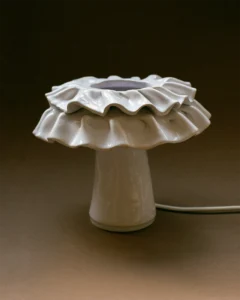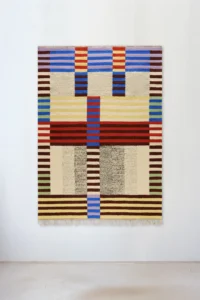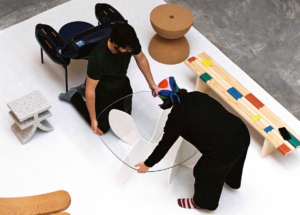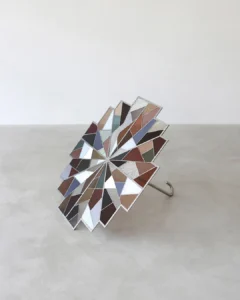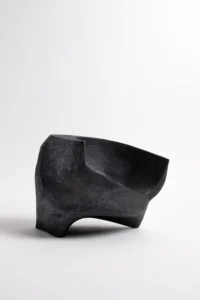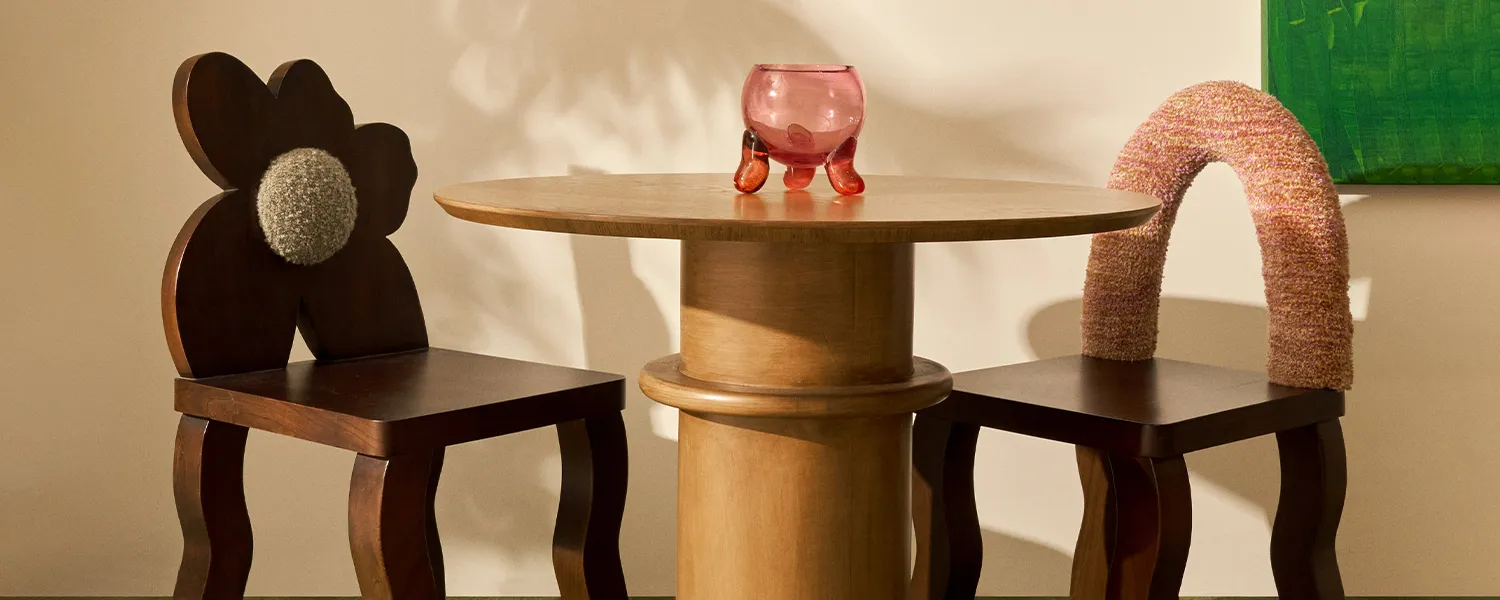
We are witnessing a significant shift in the interior design world, characterized by a heightened focus on customization and personalized pieces. As identity becomes increasingly important in our living spaces, many are turning to thrifting and collecting as a means to express individuality and create unique environments. This evolution reflects a desire for authenticity and connection, moving away from uniformity and rigid aesthetics toward a more personal and intentional style. Designers are now making more precise decisions that focus on how furniture contributes to a room’s overall feel, not just how it looks.
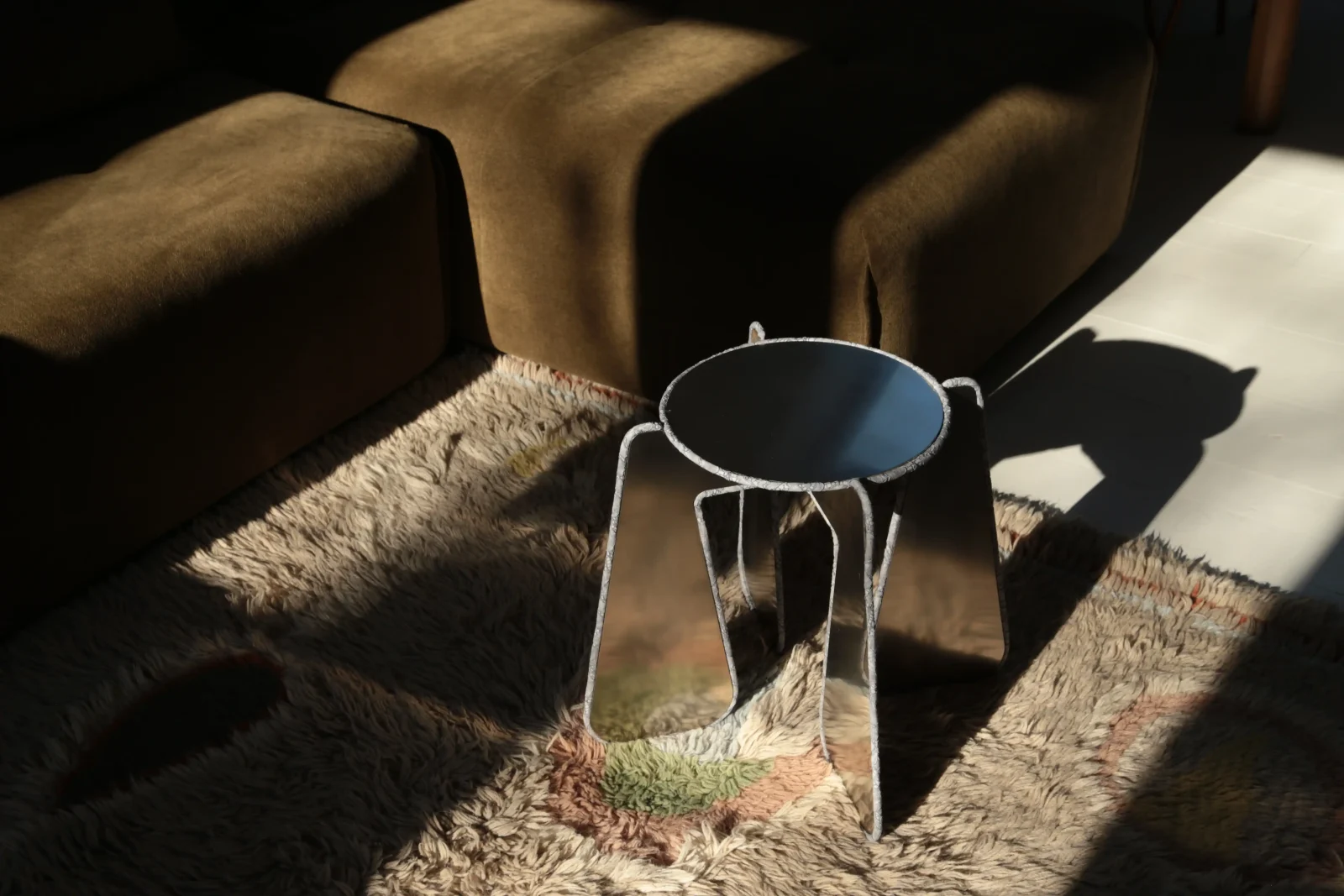
We have seen a number of signals, both subtle and more obvious, that point in this direction. After years shaped by millennial grey, and at a time when so much feels increasingly less human, there is a growing pull toward objects that carry some trace of authorship. The renewed interest in curio cabinets, largely absent from the design conversation for years, says something. So does the continued rise of thrifting, or the return of more eclectic interiors. Taken together, these shifts point toward a clearer preference for spaces that feel assembled rather than prescribed. Below are five ways interior designers are thinking about furniture at the moment.

1. Emphasis on Usage Over Perfection
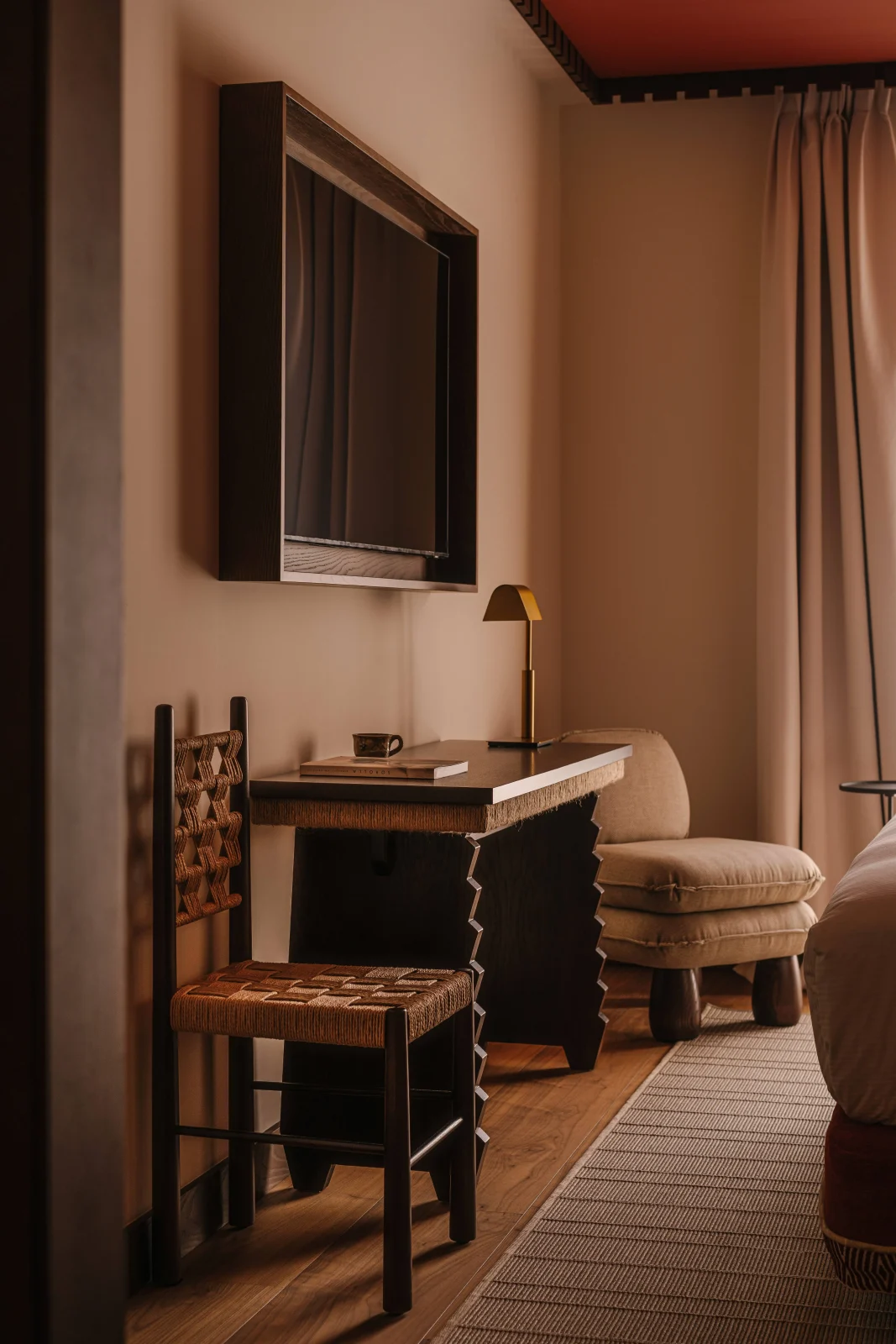
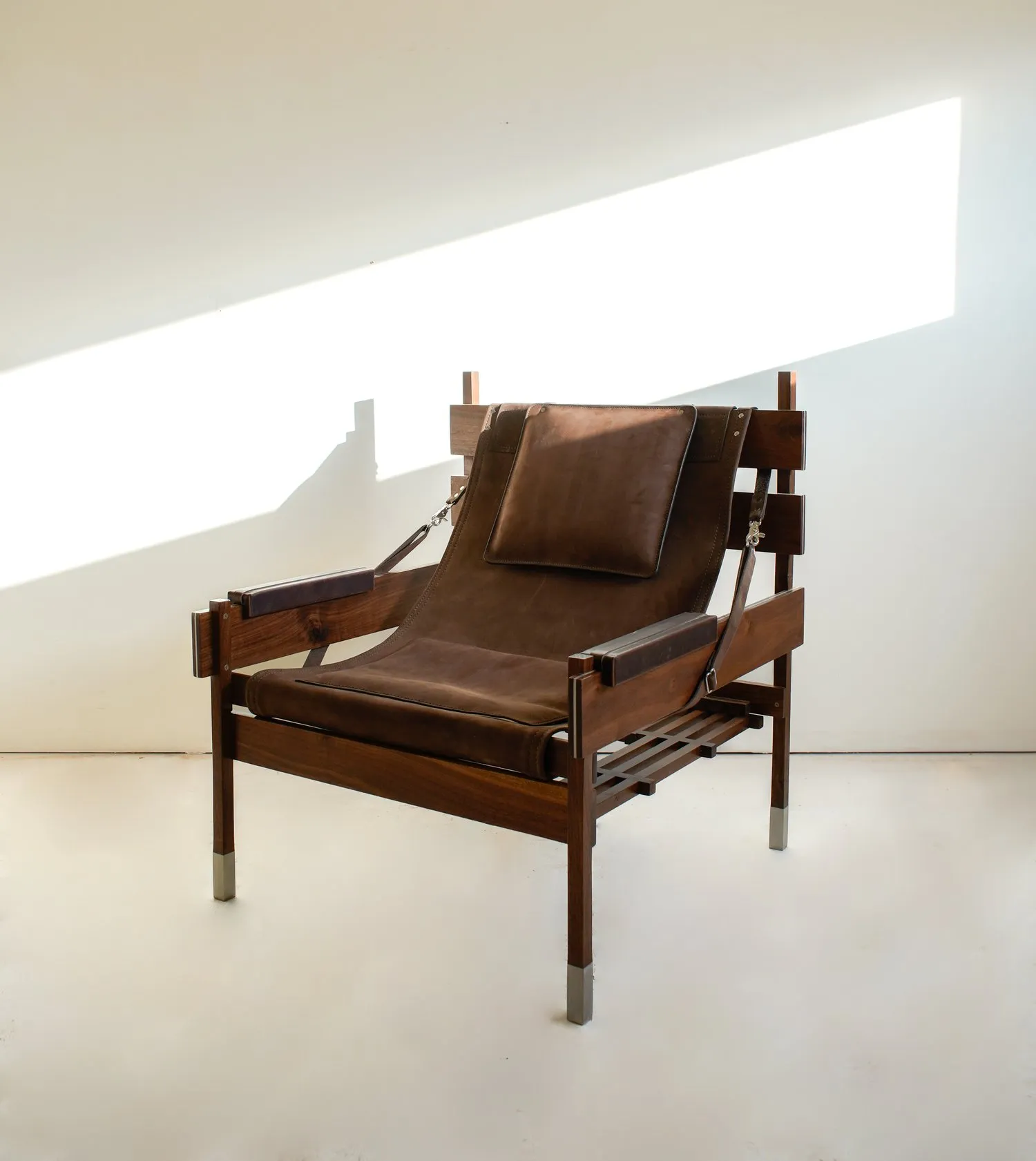
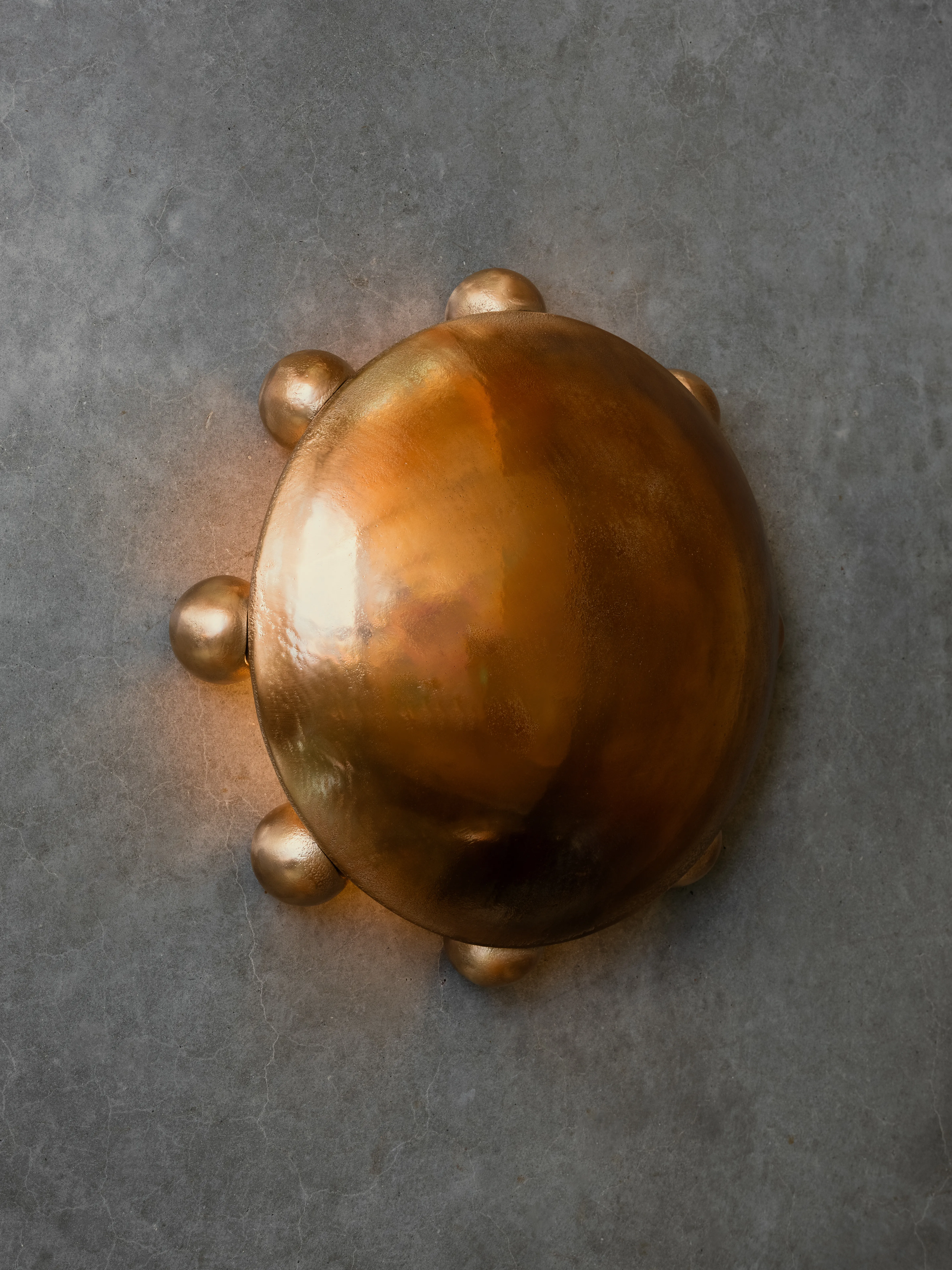
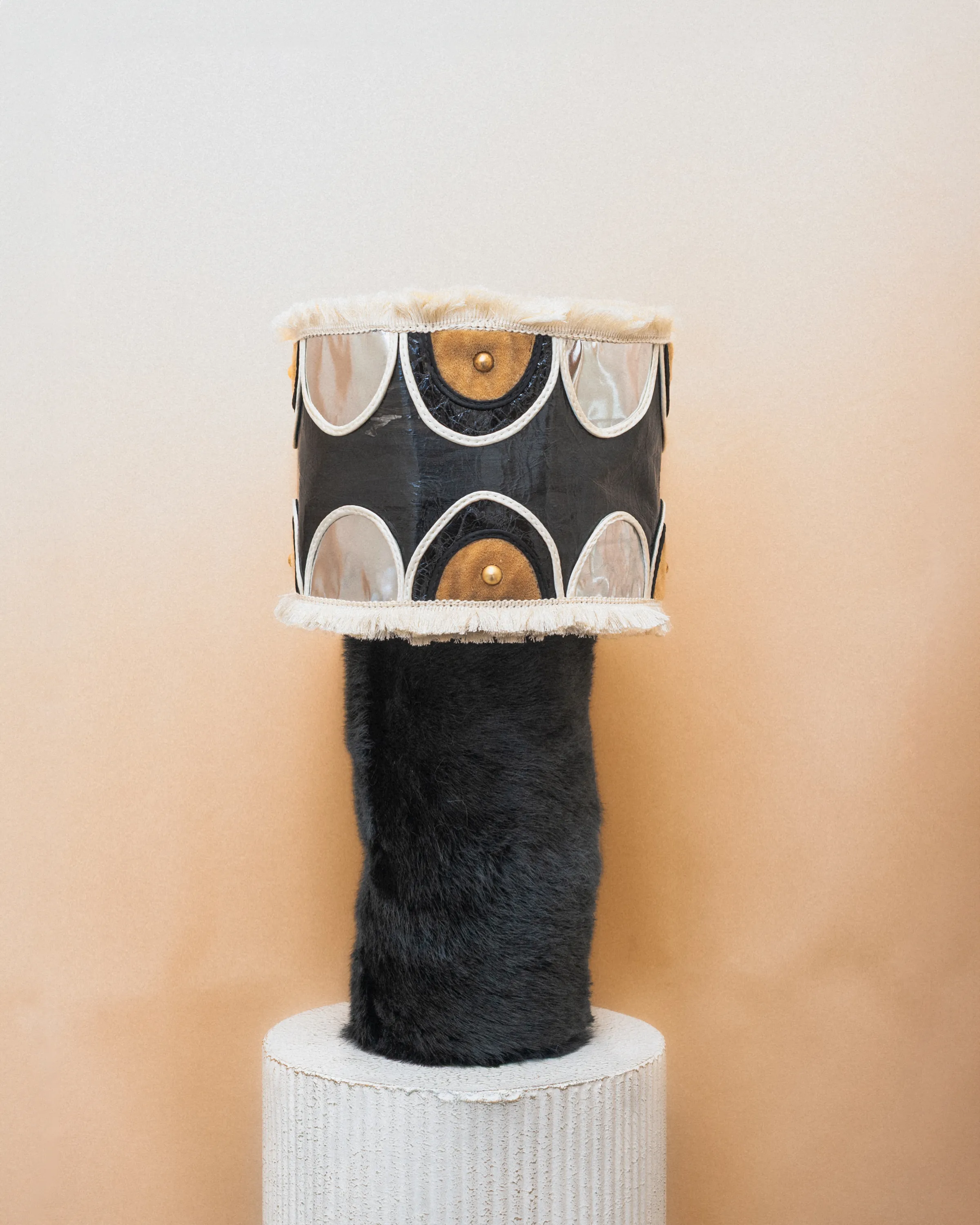
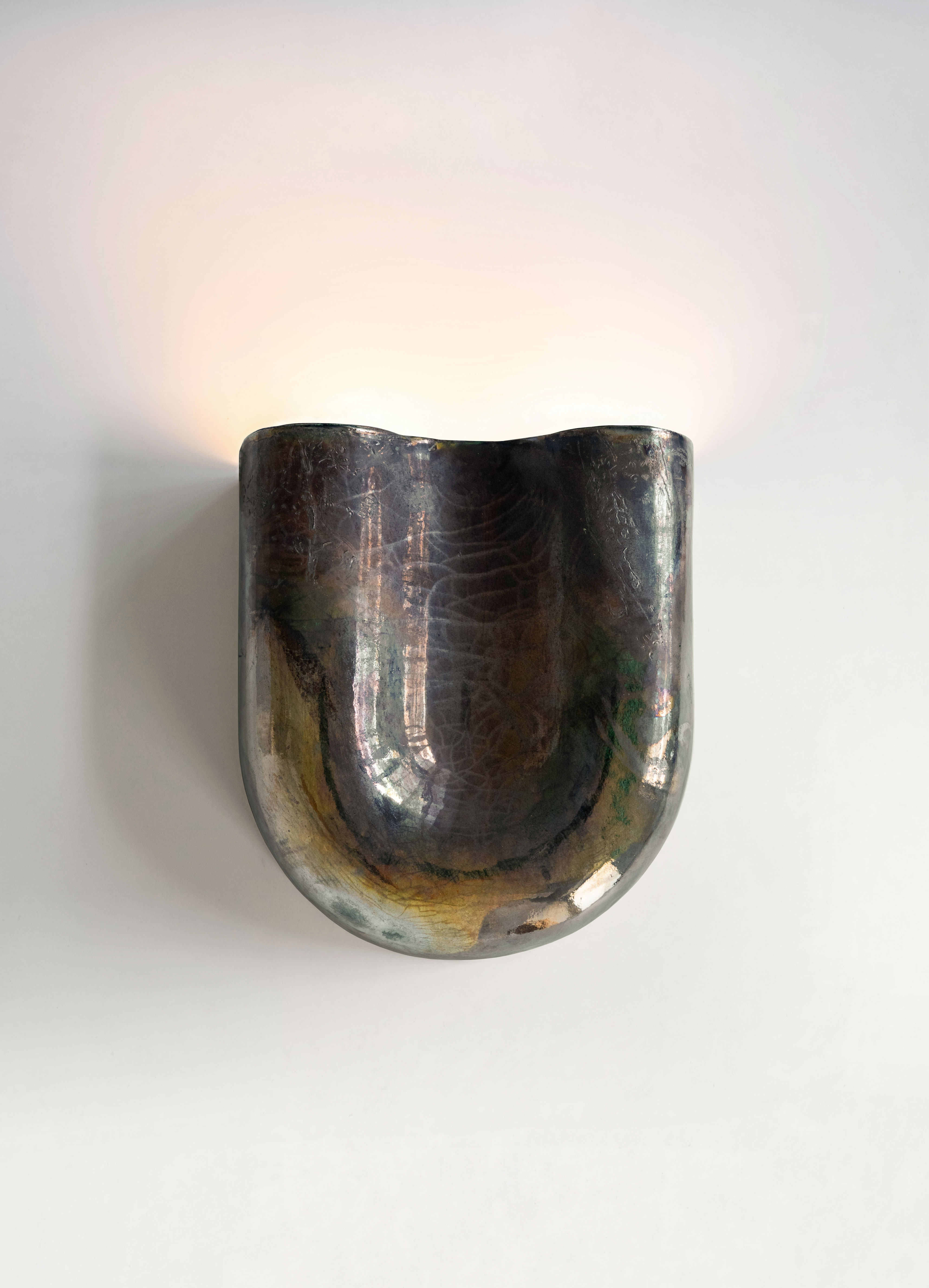
Designers are prioritizing furniture that feels natural and lived-in. Instead of seeking that perfect, picture-ready look, they are choosing pieces that exhibit – or will eventually exhibit – signs of use and wear. At ADORNO, there has been a clear interest in materials like leather that will soften and crease over time, metals that develop patina, and textile-based works where the hand remains visible. Collectors, buyers and designers are all hoping to create spaces that feel authentic, inviting occupants to use and enjoy them fully.
2. Warmth and Comfort as Key Features
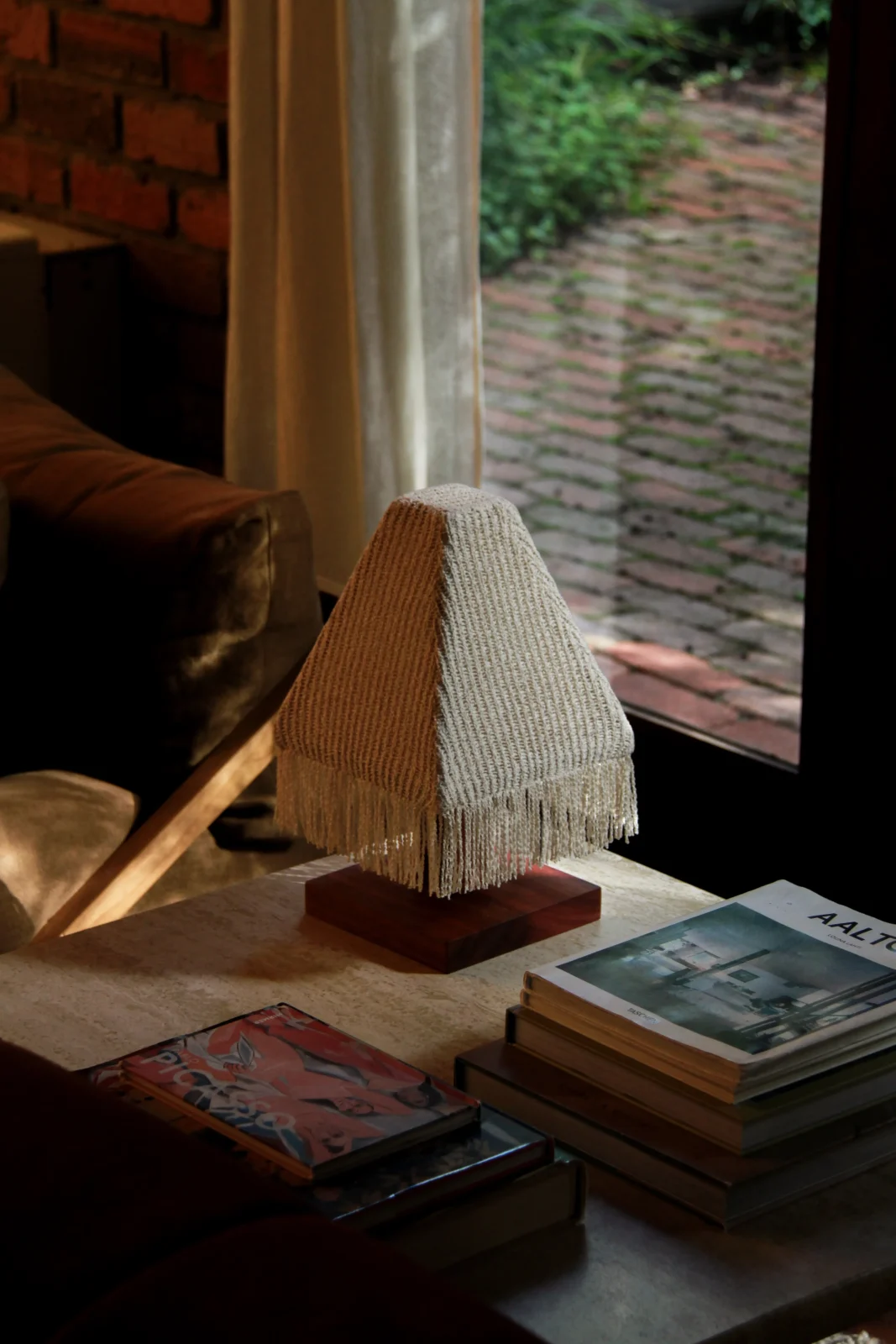
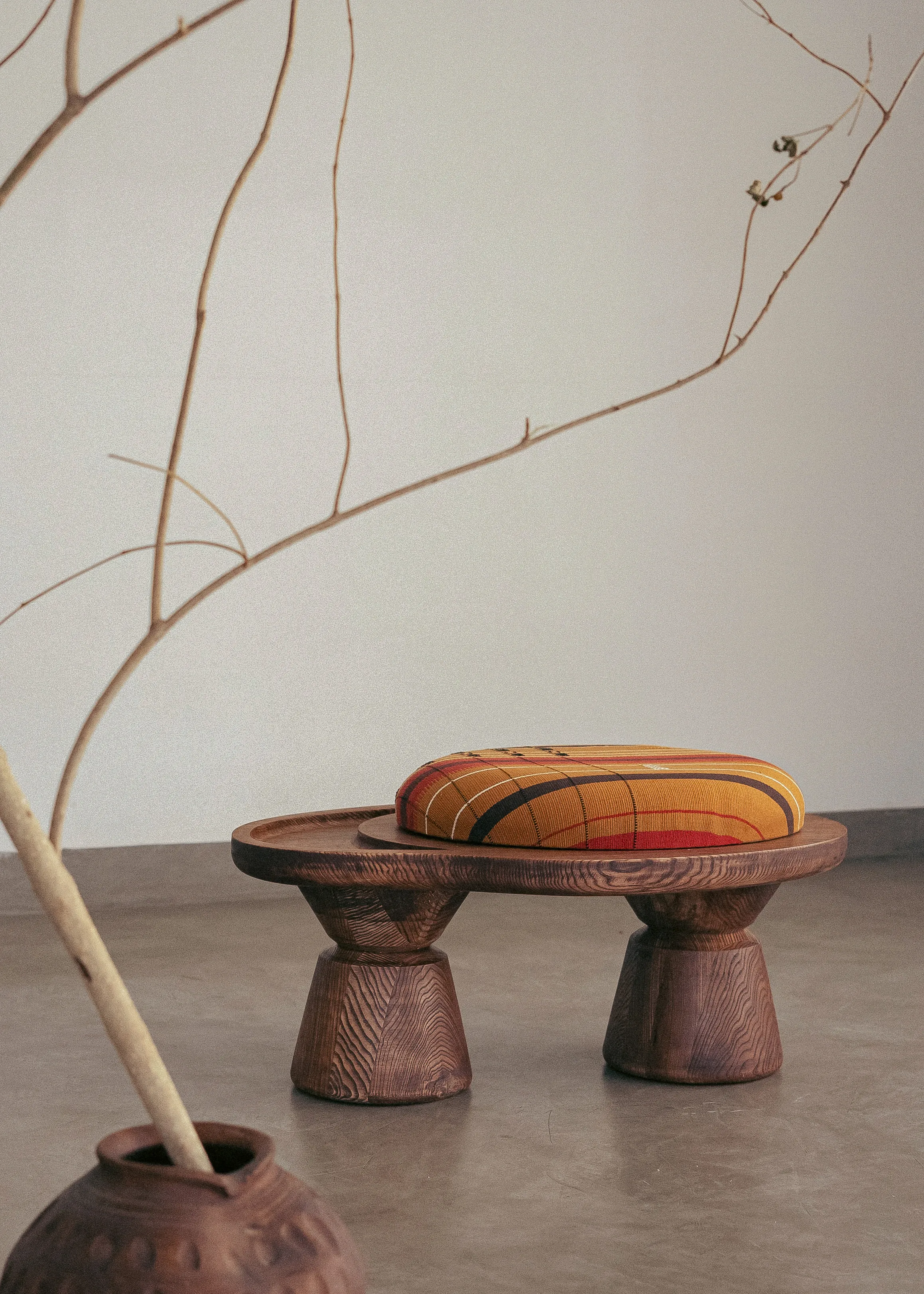
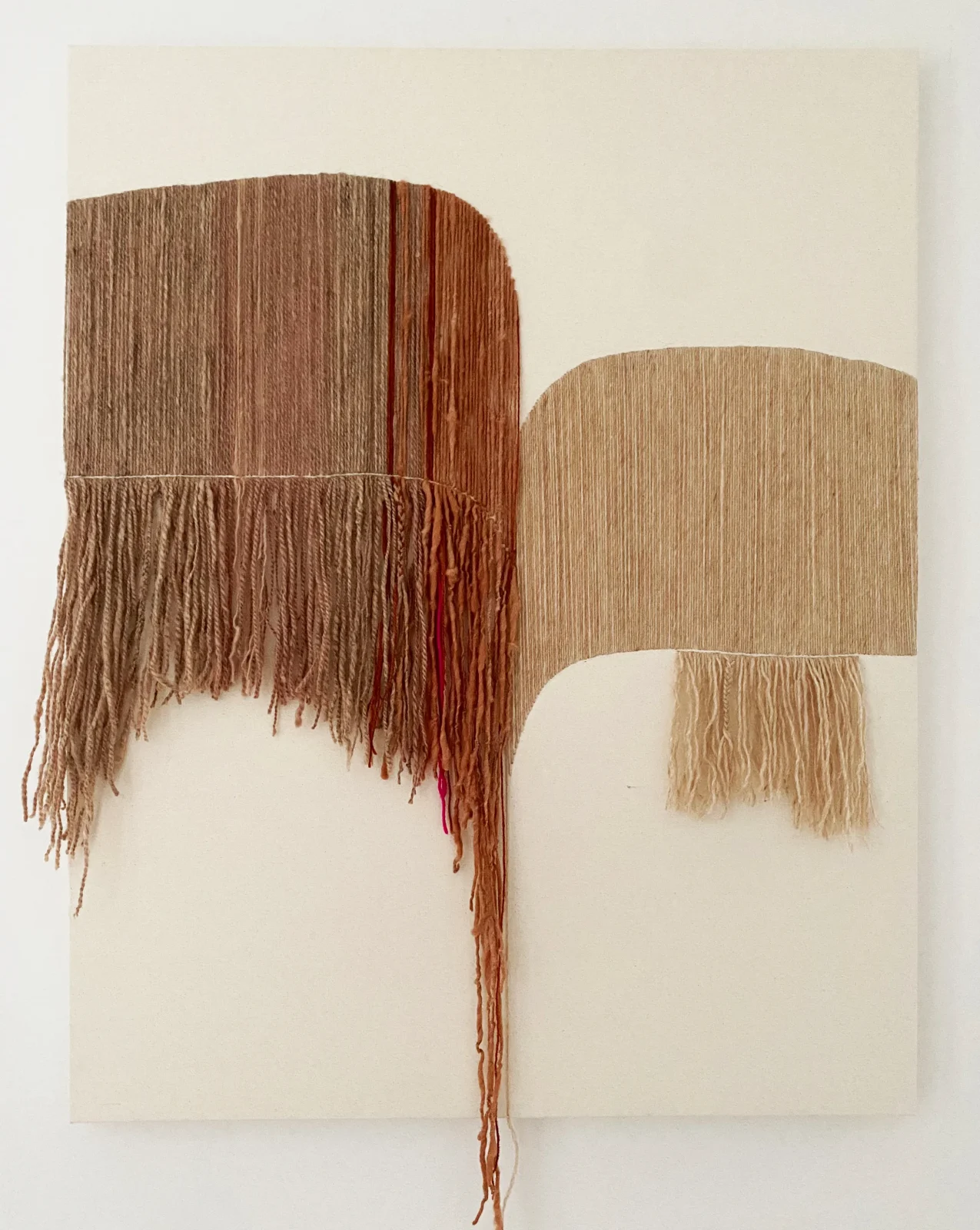
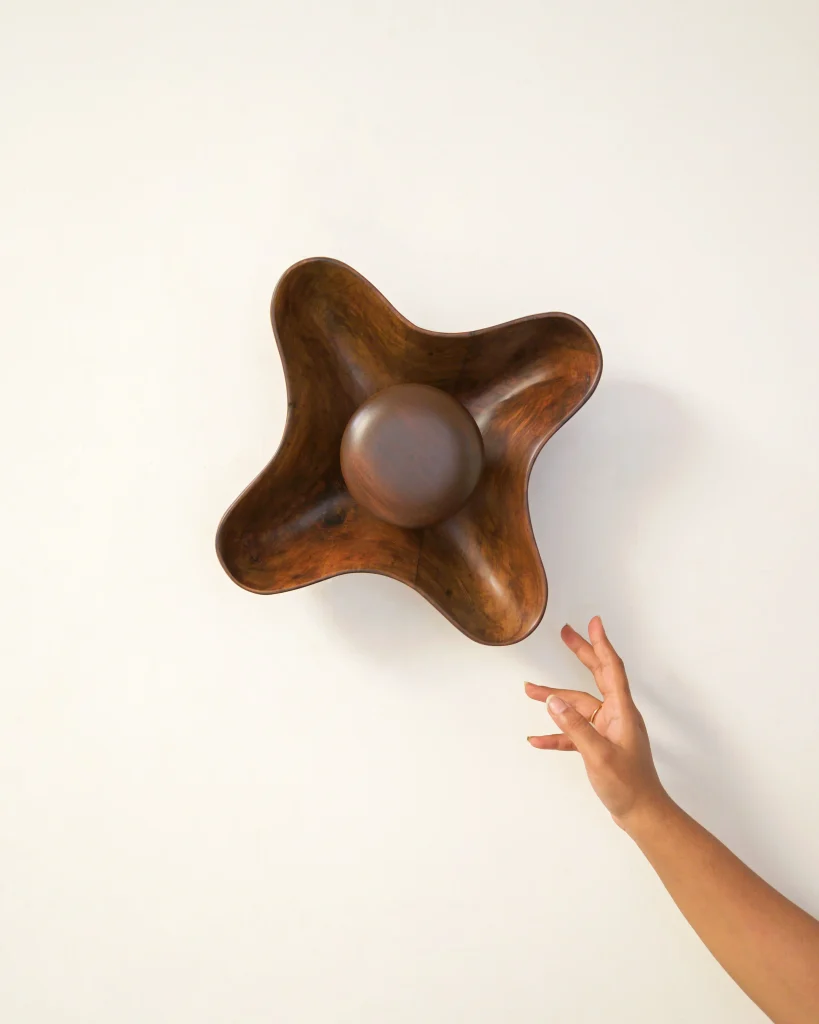
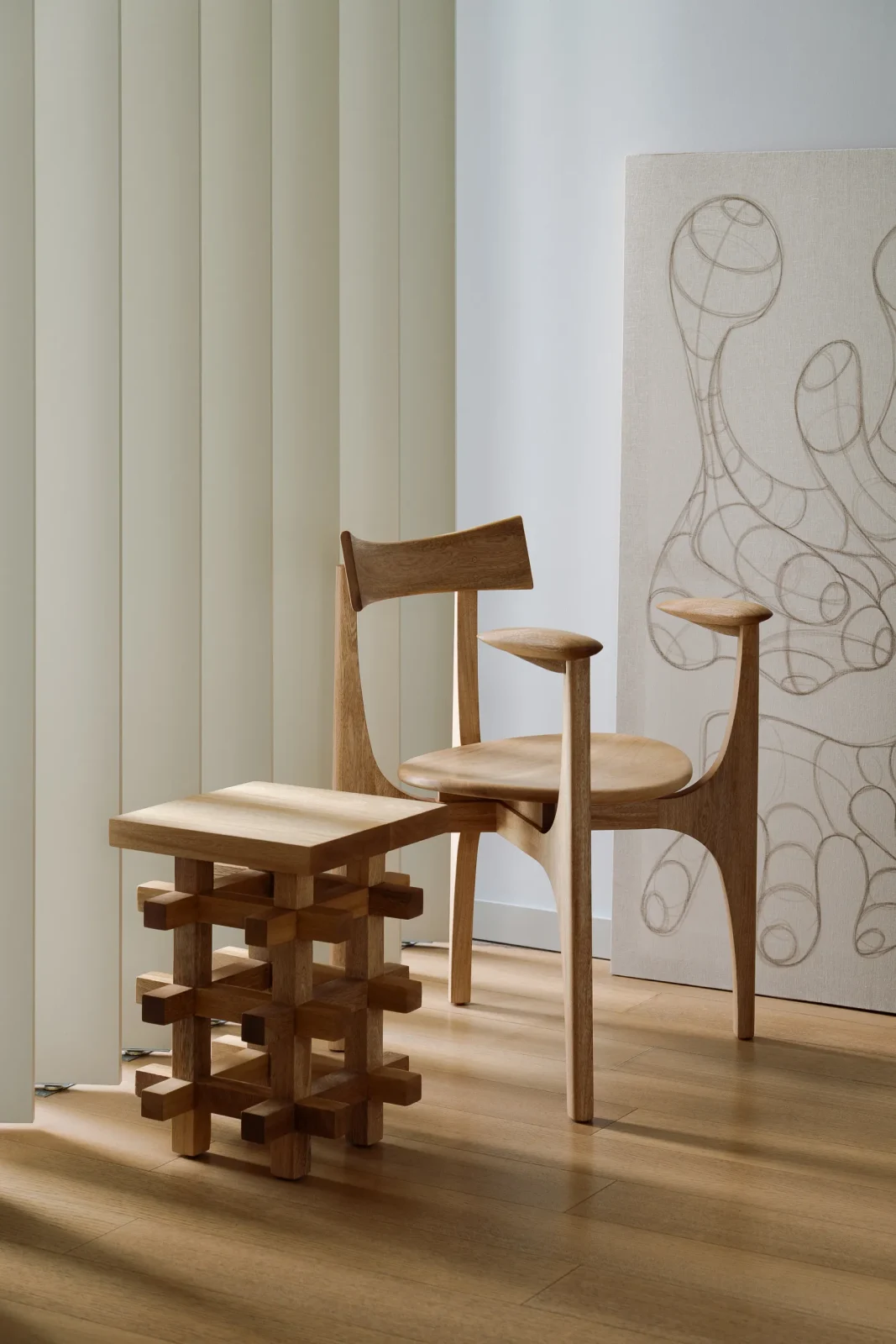
There has been an ongoing notable shift away from stark, cold interiors that may read well in photos but feel closer to Airbnb listings or condo showrooms than lived-in spaces. Designers are leaning into spaces more infused with warmth and comfort. We’ve seen an increase in wood in general, with an emphasis on darker woods, woven textiles on the floor, on sofas and on the walls, and small touches through decor that make a space feel more lived in. The focus is shifting toward how a room feels to spend time in, not just how it reads at a glance.



3. Material Choices that Embrace Imperfection
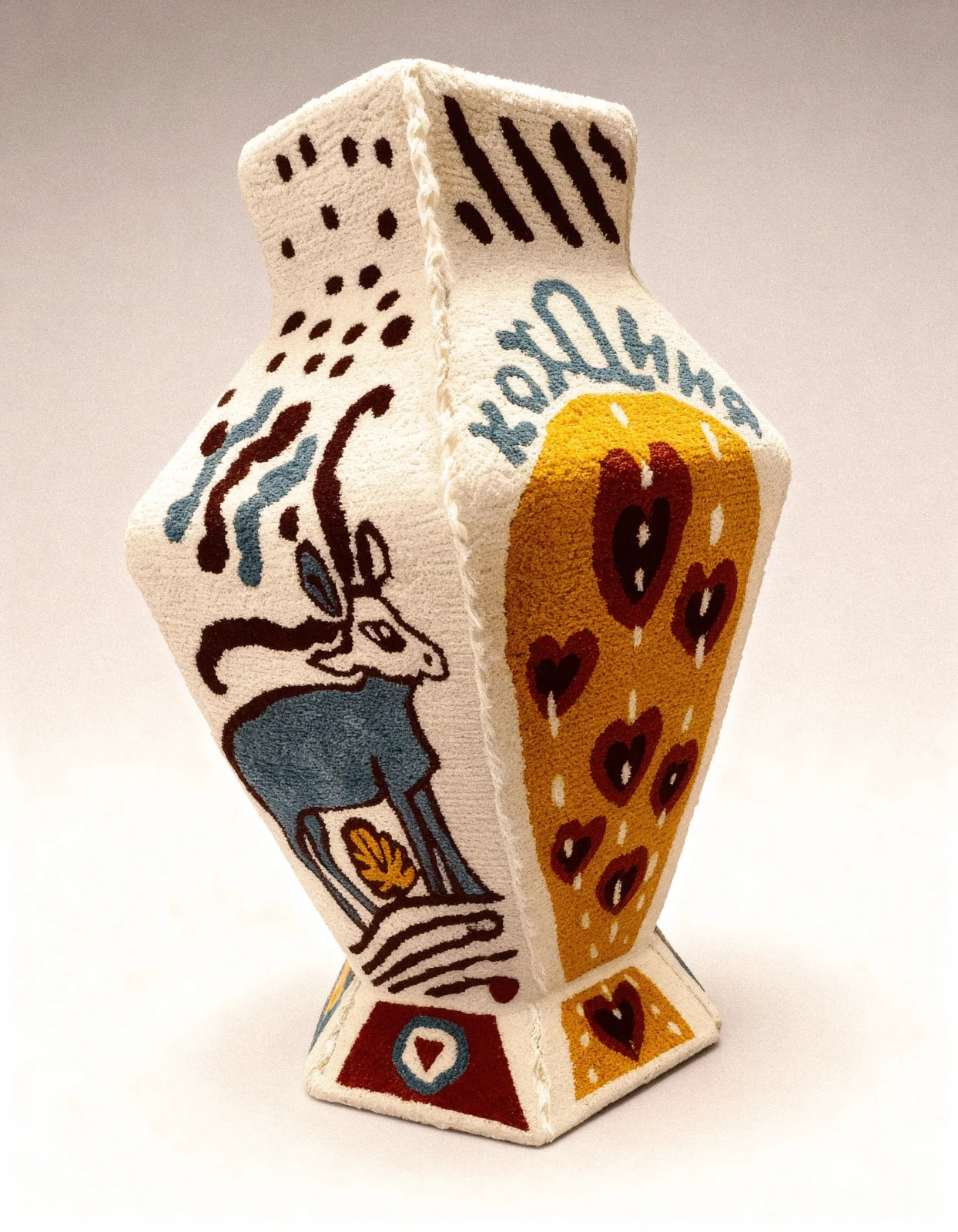
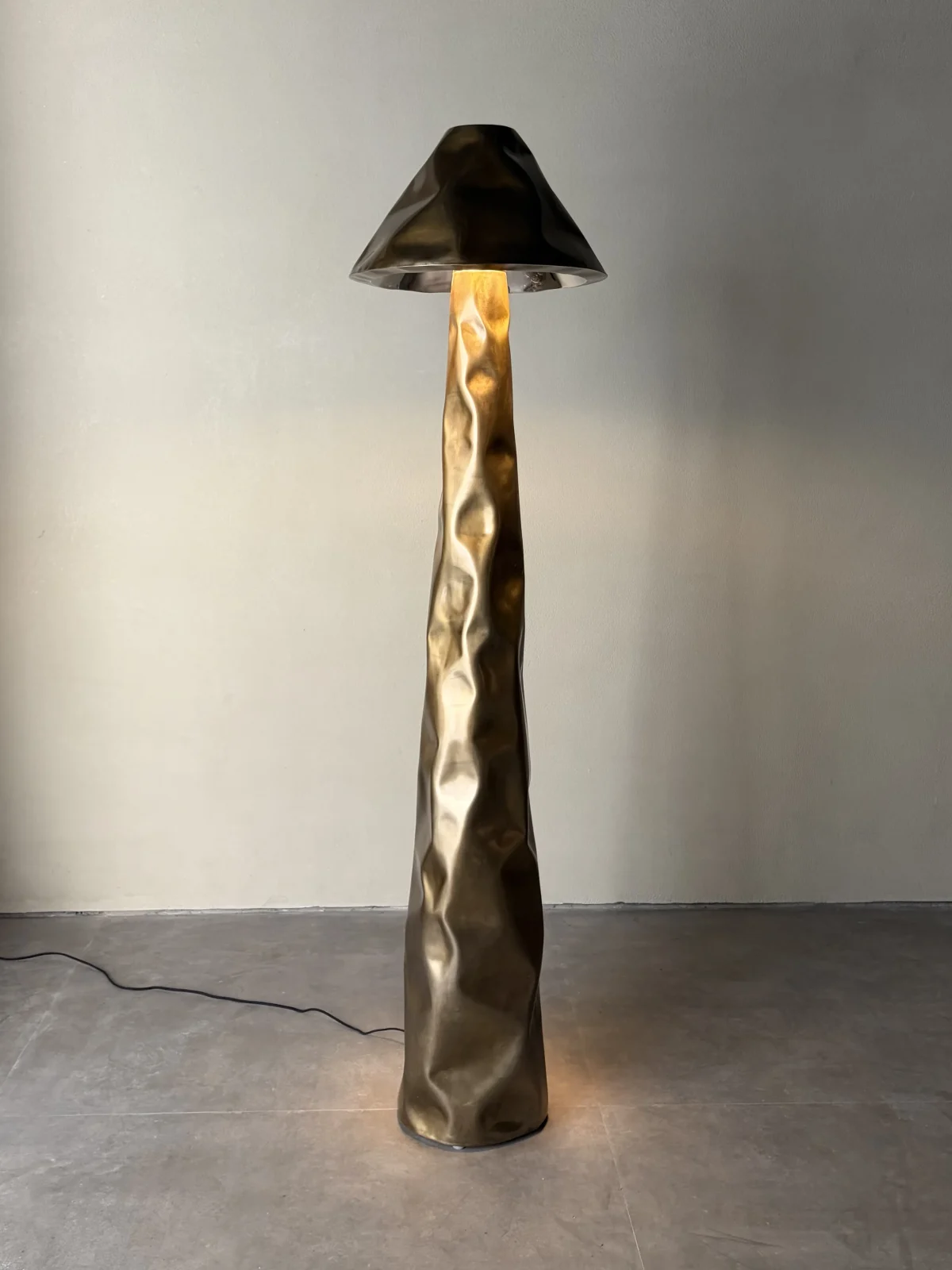
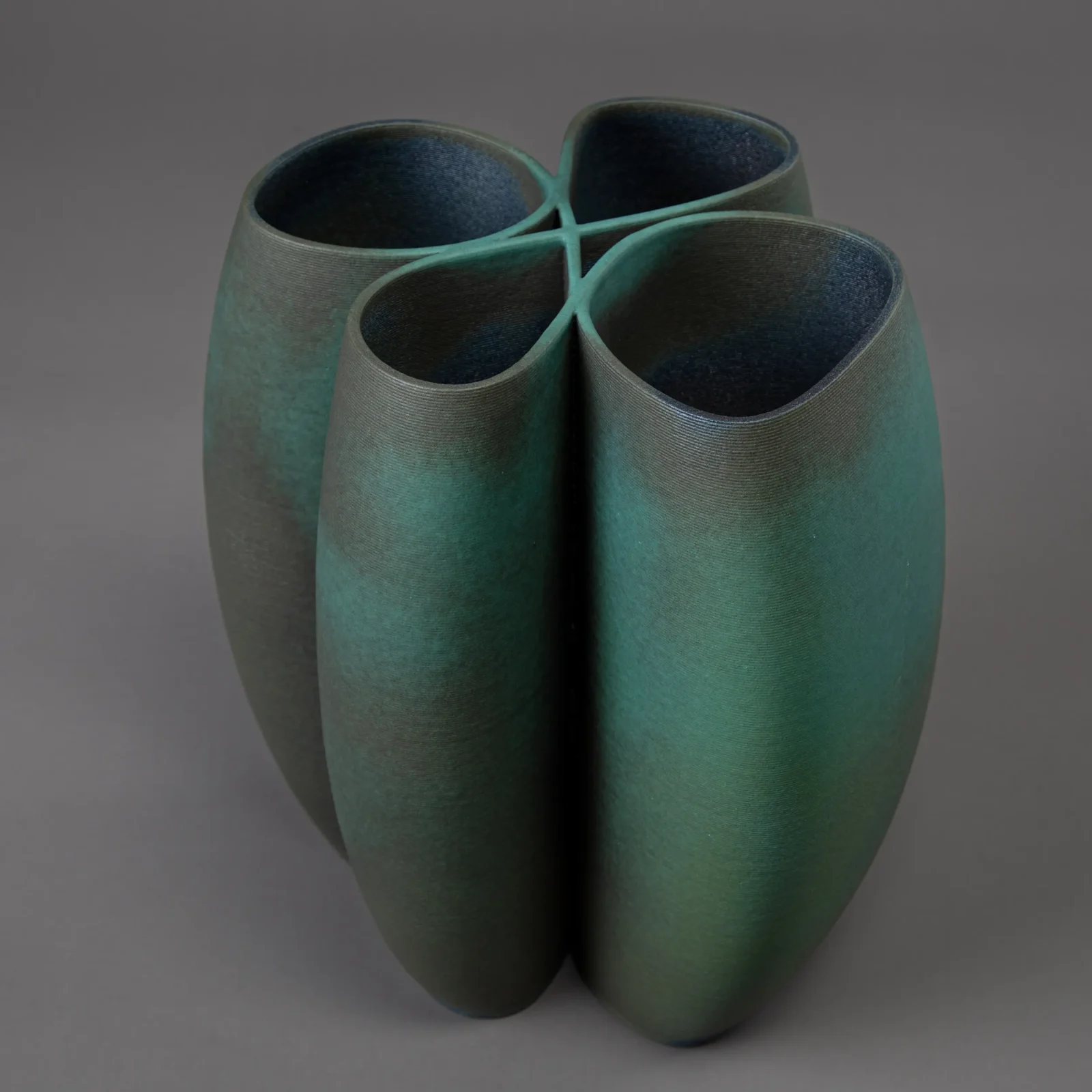
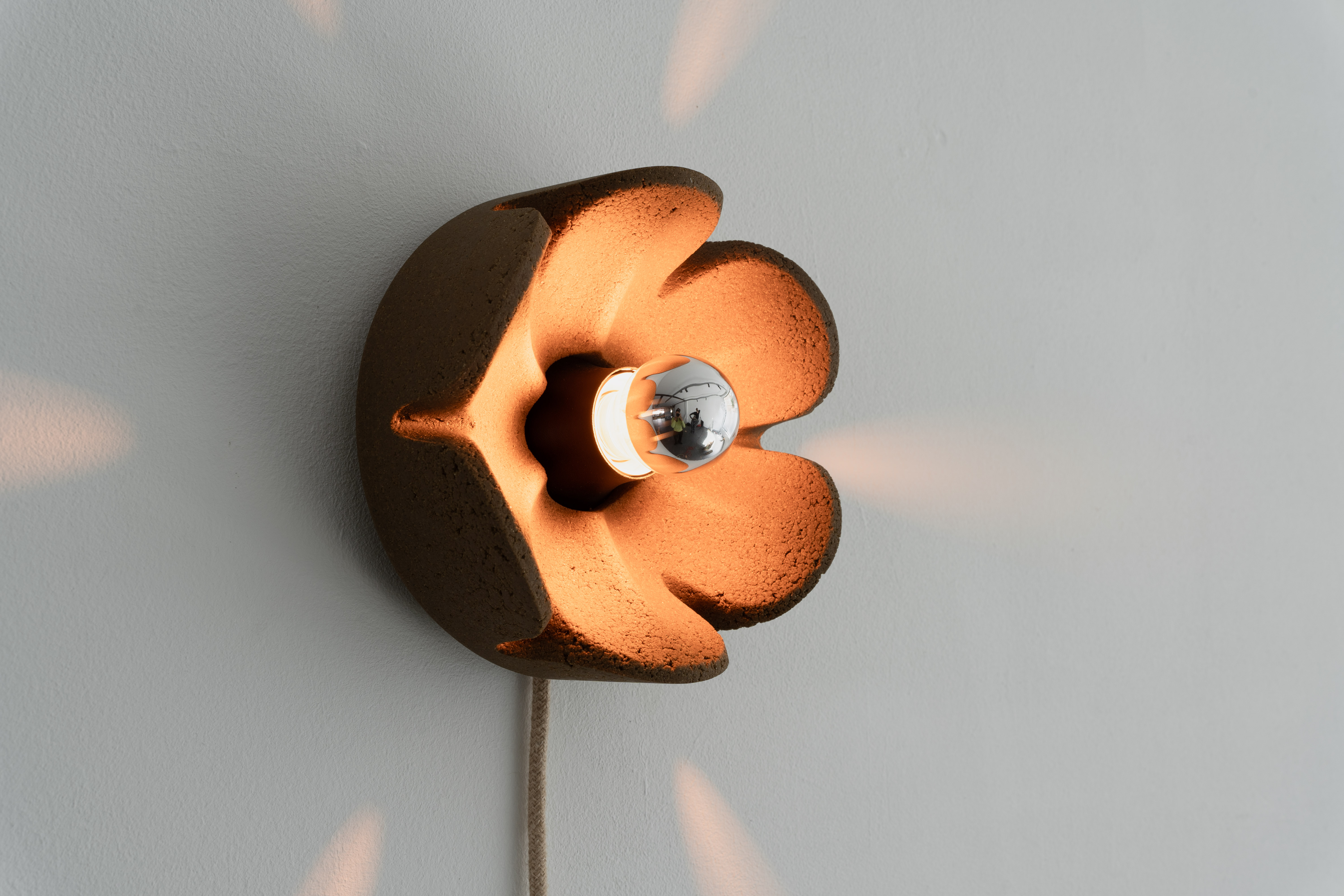
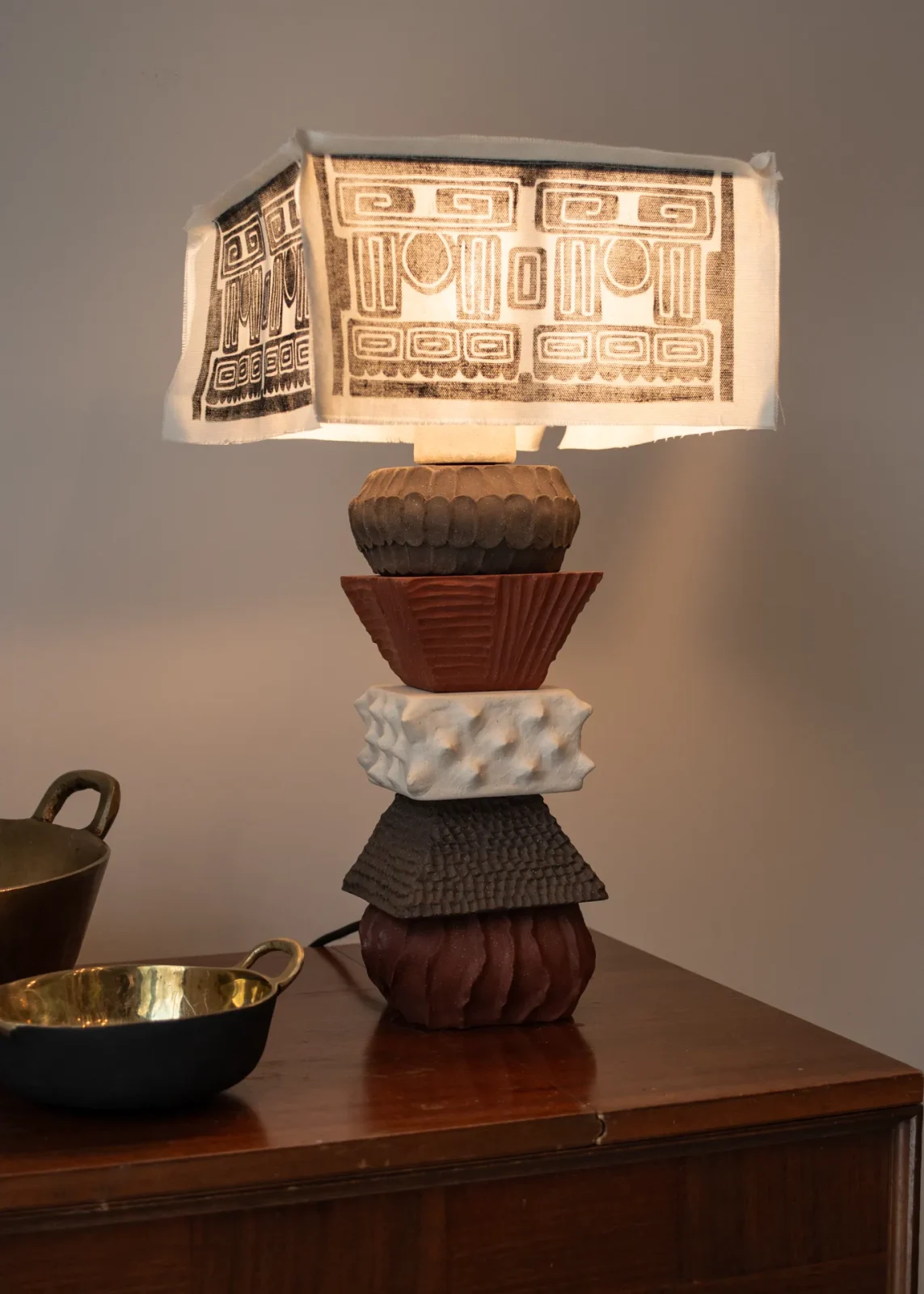
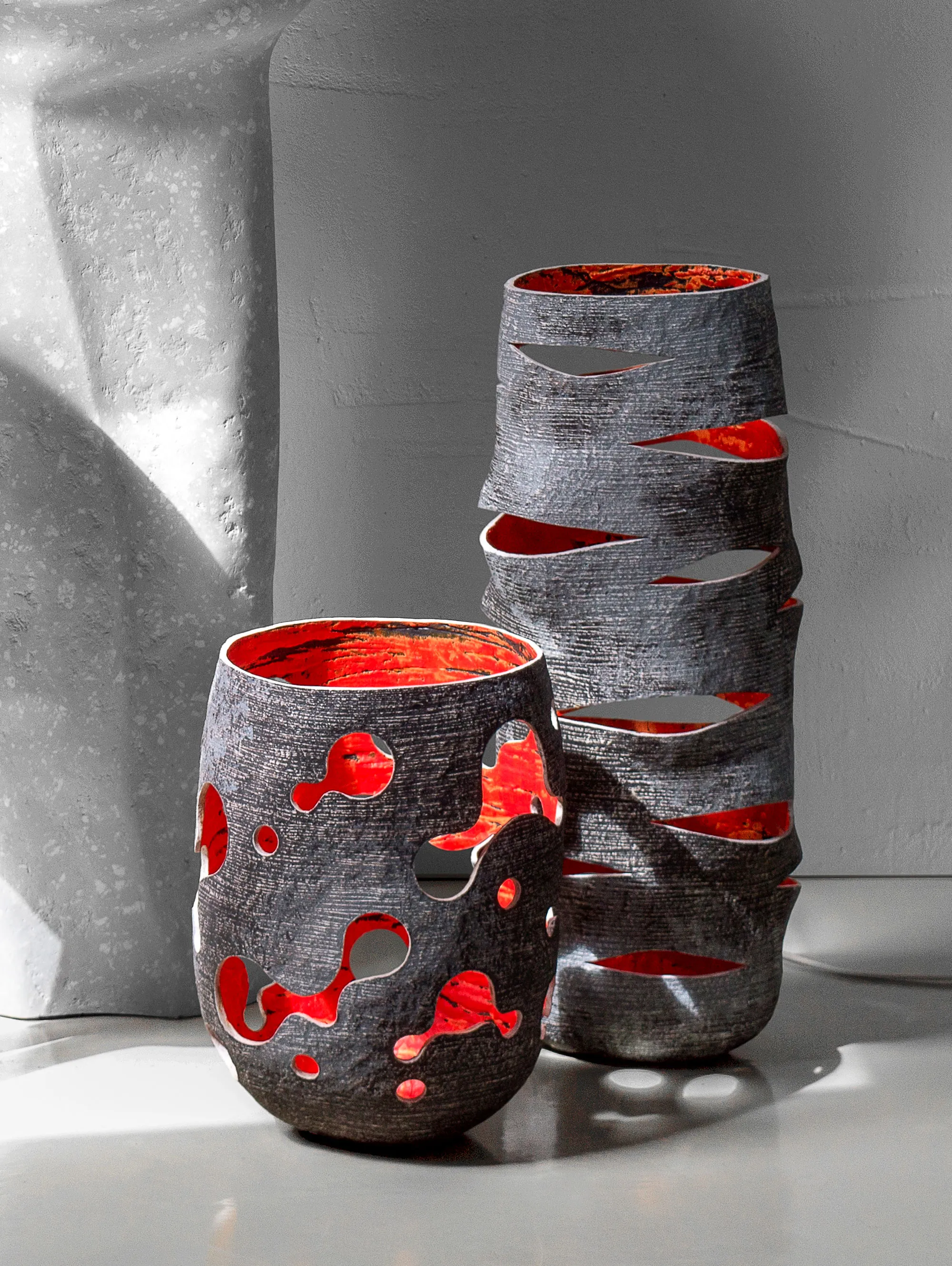
Material selection has also grown more discerning, favoring those that embrace imperfections and natural characteristics. Designers are drawn to darker woods, stone, ceramics, and metals that develop a patina over time. The emphasis is on authenticity through the use of materials that tell a story through their flaws. Designers are keen on unrefined finishes that highlight the beauty of nature, adding depth and texture to a space. Biophilic and boho-leaning interiors are returning in this context, both drawing on natural materials and a willingness to accept imperfection as part of the overall composition.
4. Intentional Layering of Objects
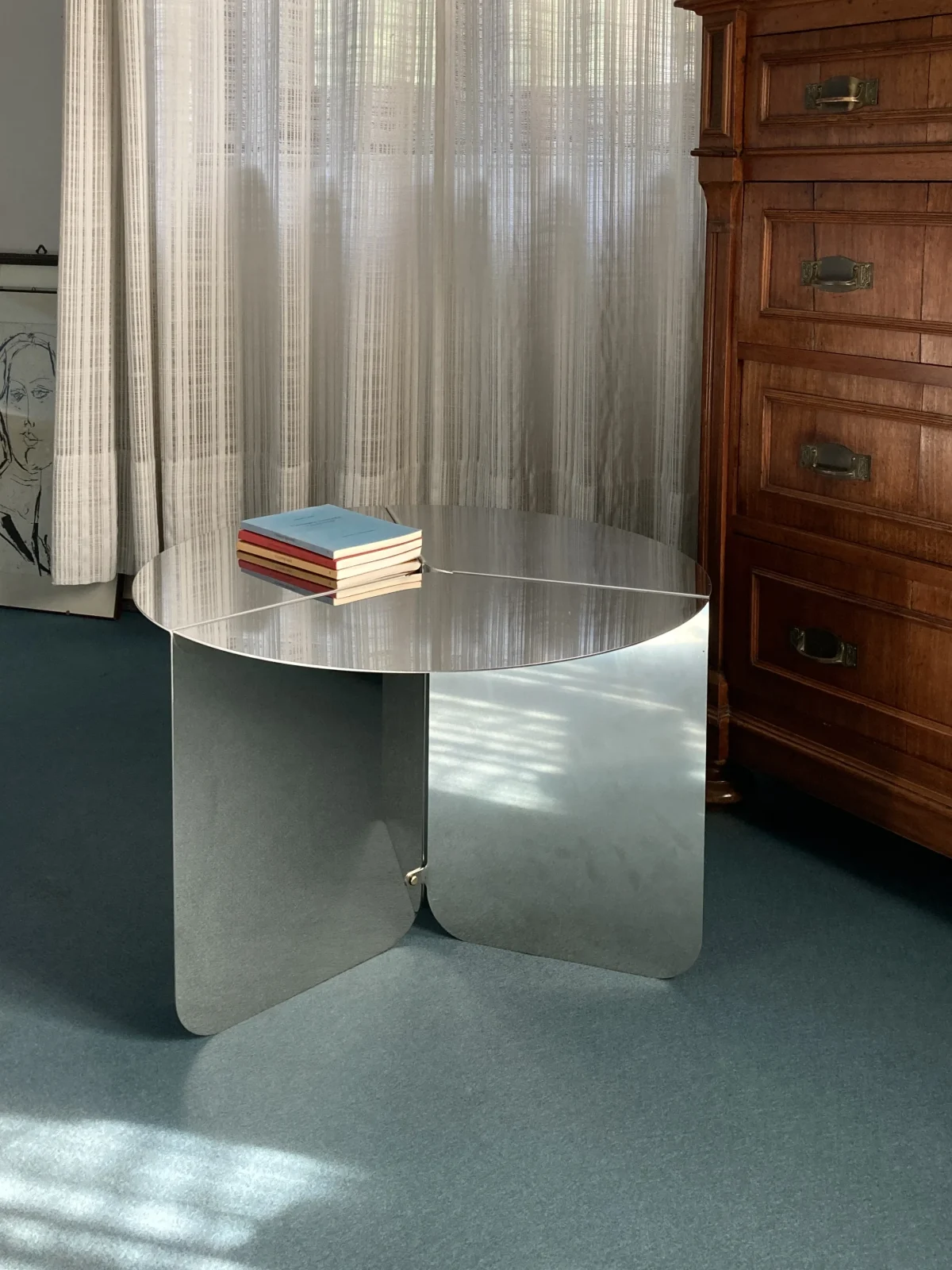
Furniture is moving away from static arrangements and toward something more flexible. Designers are building rooms through layers, adding and adjusting over time rather than fixing everything in place from the start. Side tables, accent chairs, and smaller ceramic pieces are playing a larger role here. These are items that can shift position, be replaced, or be added without disrupting the rest of the space. This approach is making interiors feel more collected. Less like a single decision, more like something that develops gradually through use and change.

5. Individuality over Complete Sets
Today’s market sees a preference for sourcing individual items rather than buying complete rooms. Designers are encouraging clients to select pieces that resonate personally, allowing for a curated mix that reflects their unique style. This trend fosters creativity in choosing items that harmonize while still offering distinctive personalities.
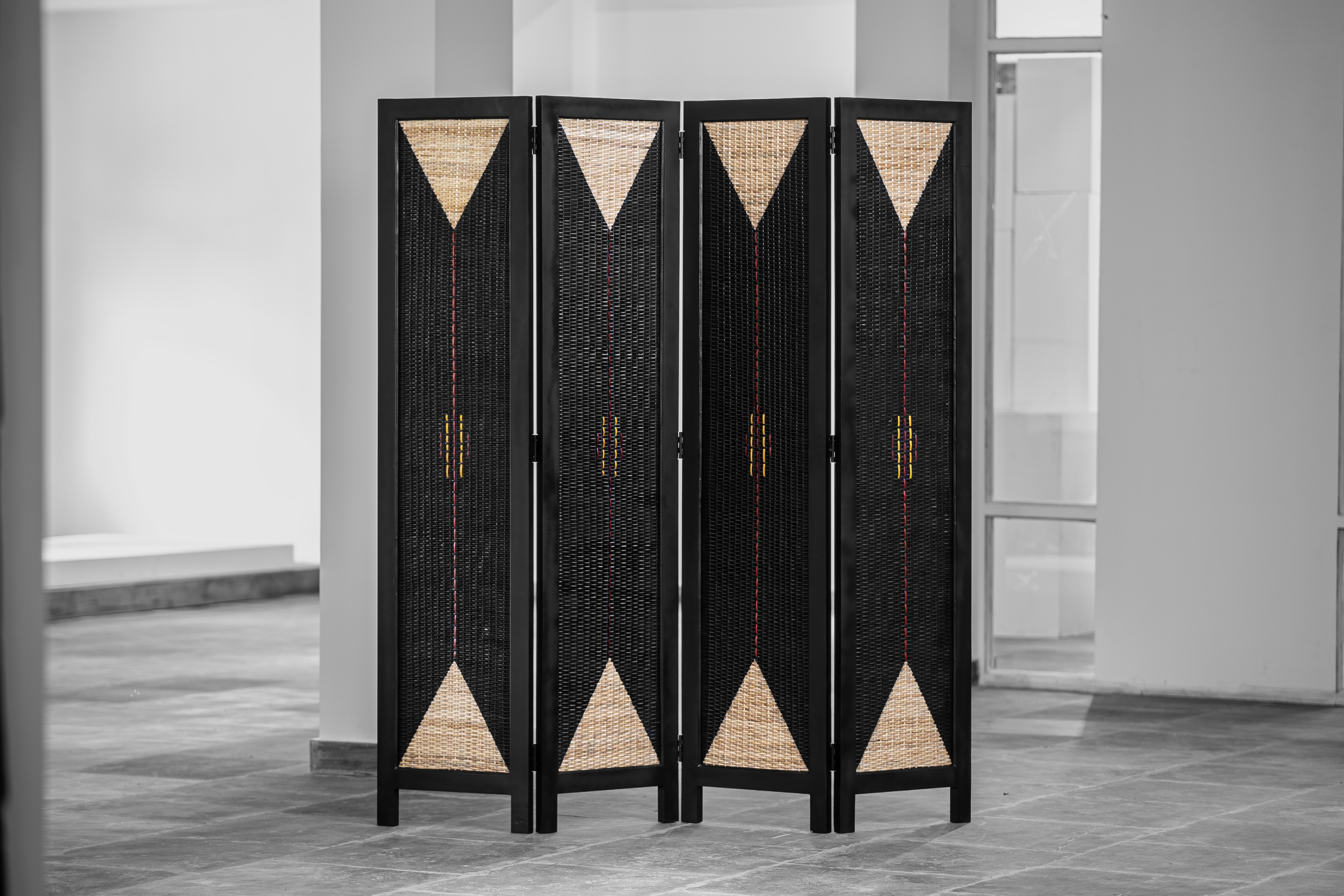
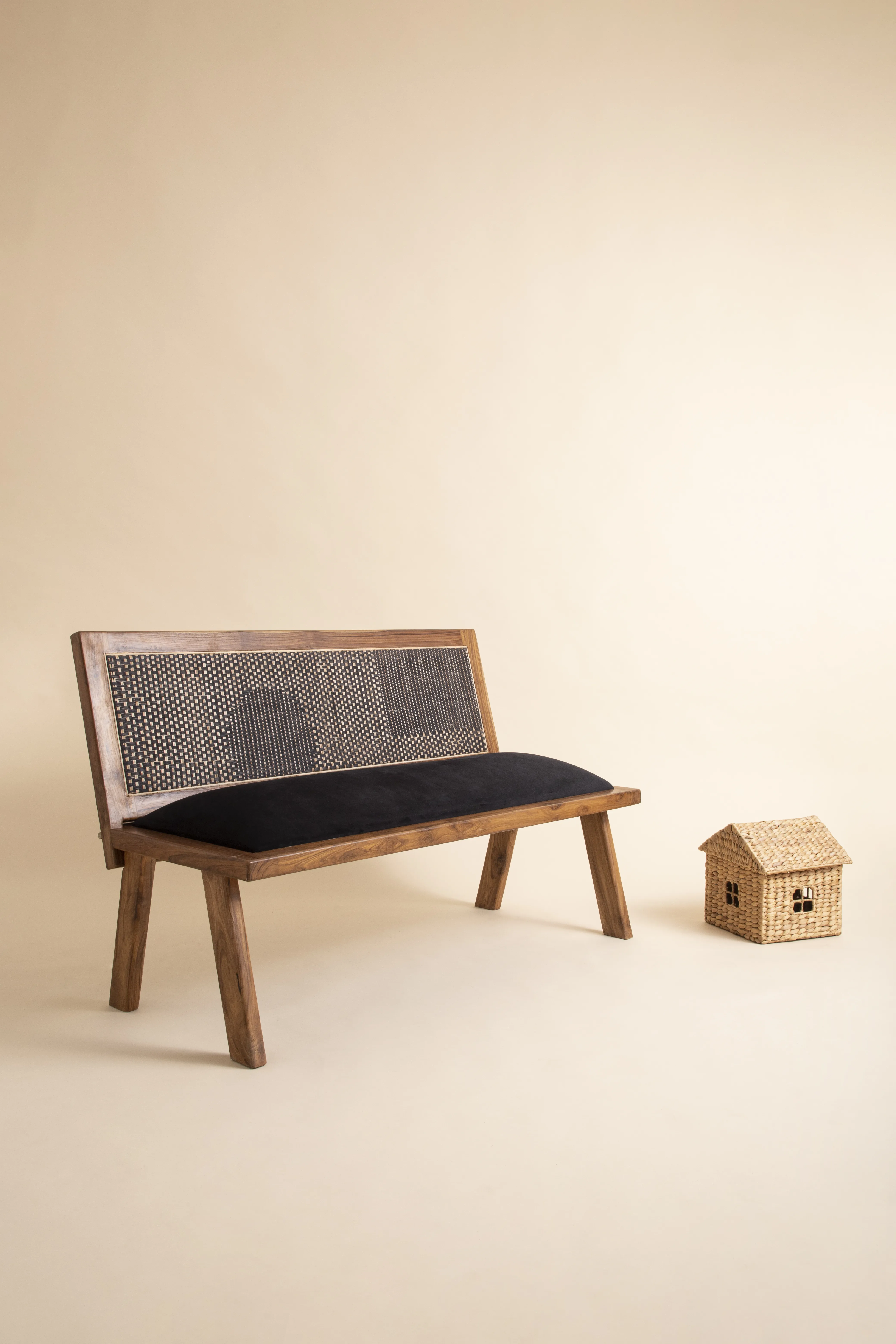
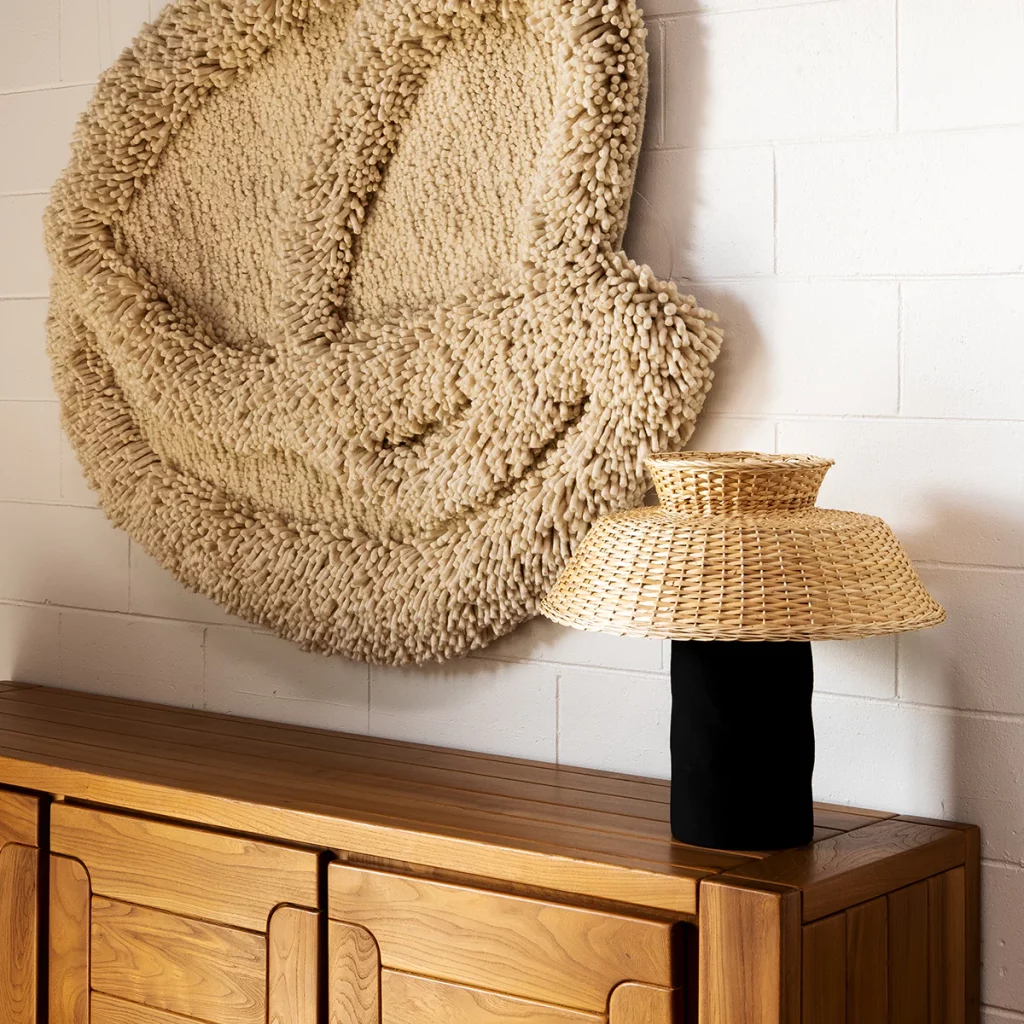
Taken together, these shifts point to a different way of building a room. Less about completing a space all at once, more about making decisions that hold up over time. Pieces are chosen for how they live, how they age, and how they sit alongside what is already there.
At ADORNO, we are seeing this clearly across collectors, buyers, and interior designers we work with. There is a growing focus on sourcing pieces that feel specific, with a clear sense of authorship and origin. This is where an online gallery like ADORNO becomes increasingly relevant, offering access to unique, global, collectible design that supports this more personal and considered approach to interiors.
Products by Tag

“Potro” Stool

Single Medium-sized Viie Vases 2.0

Onda Sconce in Raku White Ceramic
Jam – Earthenware Vase
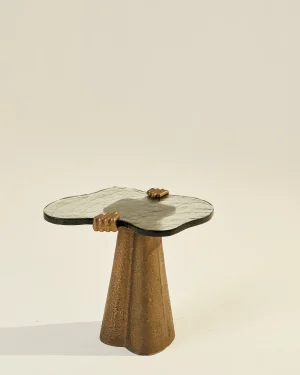
Paws Side Table in Cast Aluminum and Cast Glass
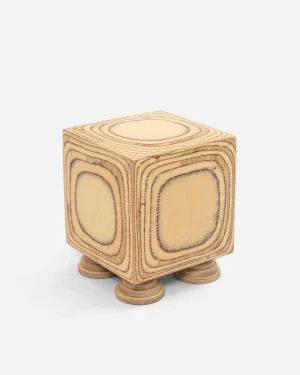
Boxy Stool No. 1

Lámpara Regina Table Lamp In Wood
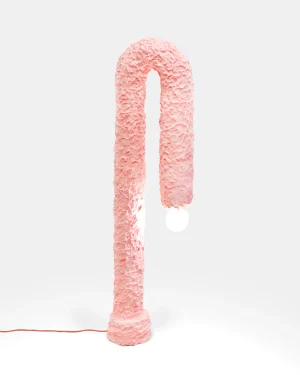
Lampadulure Pink Floor Lamp in Metal

Bombs Pouf
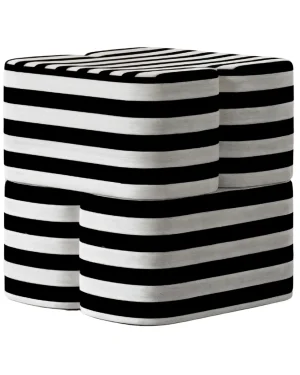
Ori Pouf
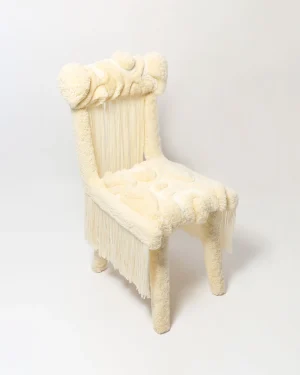
Afghan Hound Tufting Chair
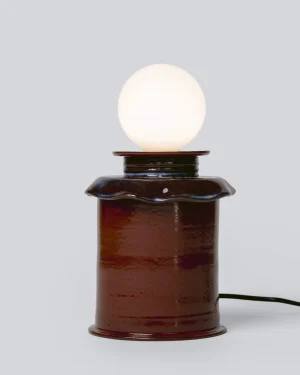
Baby Tutu Table Lamp in Glazed Stoneware
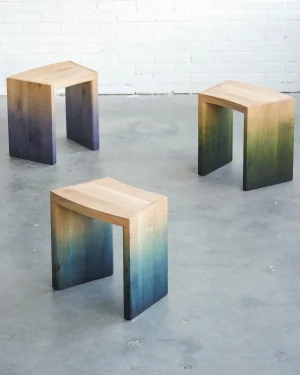
Dawn – Stool
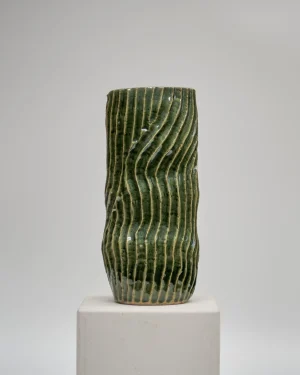
Round And Round | Green On Grey With Lines | Vase #7-7-24
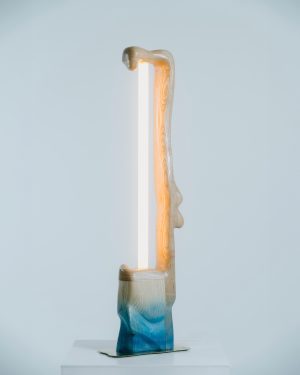
Blueprint Table Lamp in Ash Wood and Brass
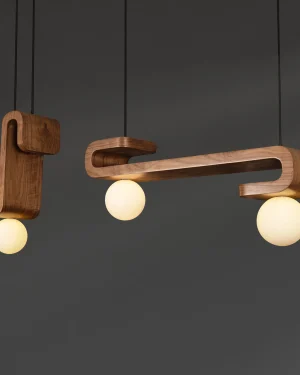
Esse Ceiling Lamp in Wood