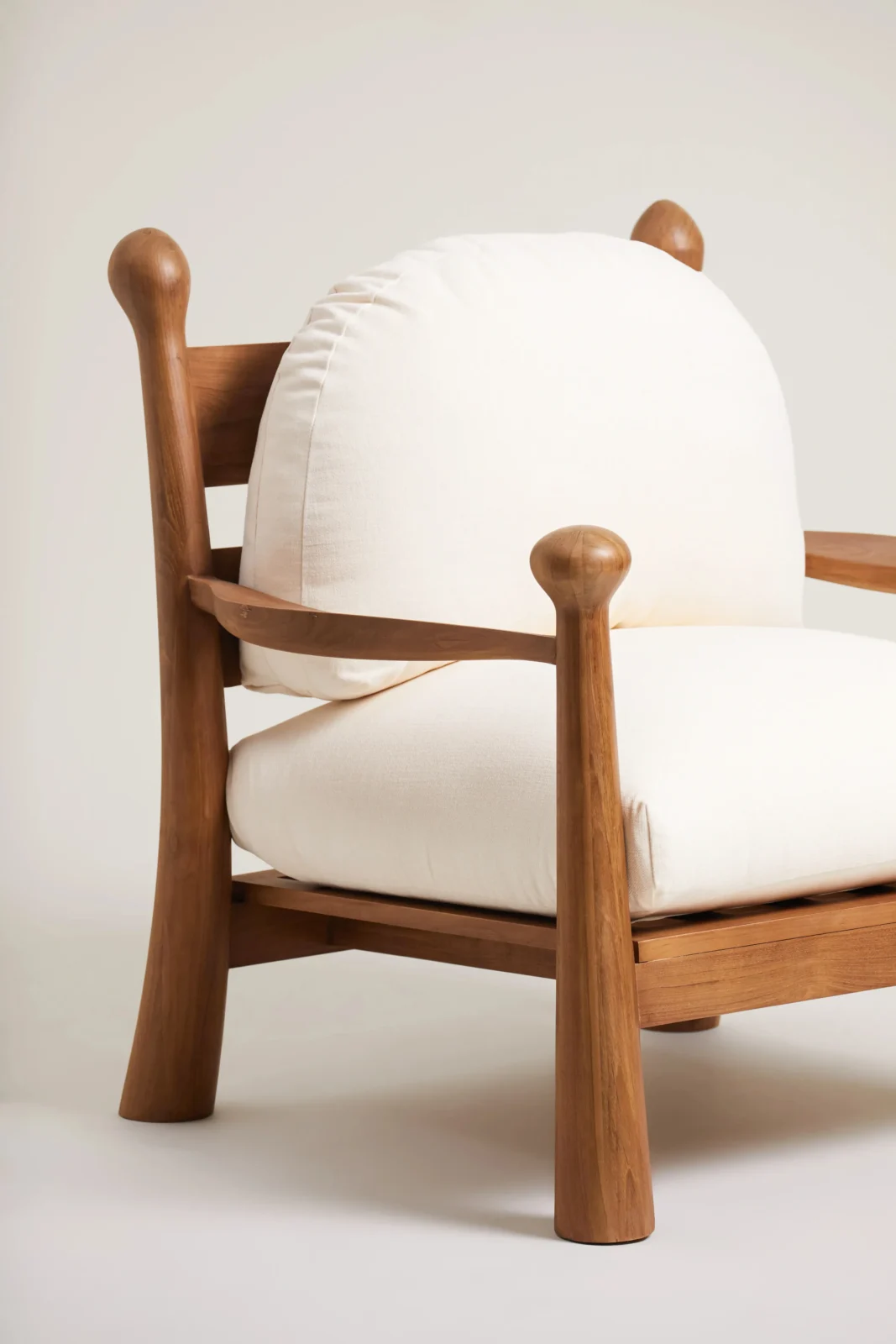
There are only a few things a chair can do. Everything else — the wings, the barrels, the bentwood, the names — is variation on how it does them.
Most guides to chair types are lists. Fifty names in alphabetical order, each with a sentence, and no explanation of why a barrel chair and a tub chair are nearly the same object or what actually separates a club chair from a bergère. That format is easy to write and hard to use, because it tells you what things are called without telling you how to tell them apart.
A more useful approach is to work from the four things that vary. Every chair ever made can be described by its intended posture, its back, its arms, and its base — and once you can read those four, the names become obvious rather than something to memorize. What follows sorts chairs that way, then covers the twentieth-century designs worth knowing by name, the period styles, the dimensions that decide whether a chair works in a room, and a short glossary at the end for quick reference.
How chairs are actually classified
Four variables account for nearly every distinction in the vocabulary.
- Posture. How upright the sitter is meant to be, which follows from seat height and the angle between seat and back. This is the deepest division: a dining chair and a lounge chair are different categories of object, not different styles.
- Back. Height, shape, and whether it is solid, open, or made of spindles or slats.
- Arms. Present, absent, or partial. The single most common source of naming confusion.
- Base. Four legs, a pedestal, a cantilever, a sled, a swivel column, or rockers.
Consequently a chair described as a “swivel barrel accent chair” is telling you three of the four: a barrel back, a swivel base, and lounge posture. Nothing about it is mysterious once you know the grammar.
Chairs by posture
Posture is set by two measurements: how high the seat sits, and how far the back reclines from vertical. Together they decide what the chair is for.
Upright: dining and side chairs
Seat around 18 inches from the floor, back close to vertical, seat shallow enough that you sit forward rather than settling in. This is the working posture — eating, writing, talking across a table. A side chair is simply a dining-height chair with no arms, and the term exists because armless chairs can be pushed fully under a table and lined along a wall. A dining chair with arms is a carver or host chair, traditionally placed at the head of the table.
Semi-reclined: lounge and easy chairs
Seat lower, usually 15 to 16 inches, and considerably deeper at 22 to 24 inches, with the back raked. You sit back into a lounge chair rather than on it, which is why it cannot double as a dining chair however comfortable it looks. Easy chair is the older English term for the same thing. An occasional chair is a lighter version meant to be moved around a room rather than to hold a fixed position.
Reclining and rocking
A recliner changes its own geometry: the back drops and usually a footrest rises, so the posture is adjustable rather than fixed. A rocking chair keeps a fixed posture but moves the whole chair on curved runners, while a glider achieves similar motion on a fixed base so it does not travel across the floor. Notably, a rocker’s runners are what make it unsuitable for rugs with any pile, since they compress and eventually mark the fibers.
Perched: stools and counter seating
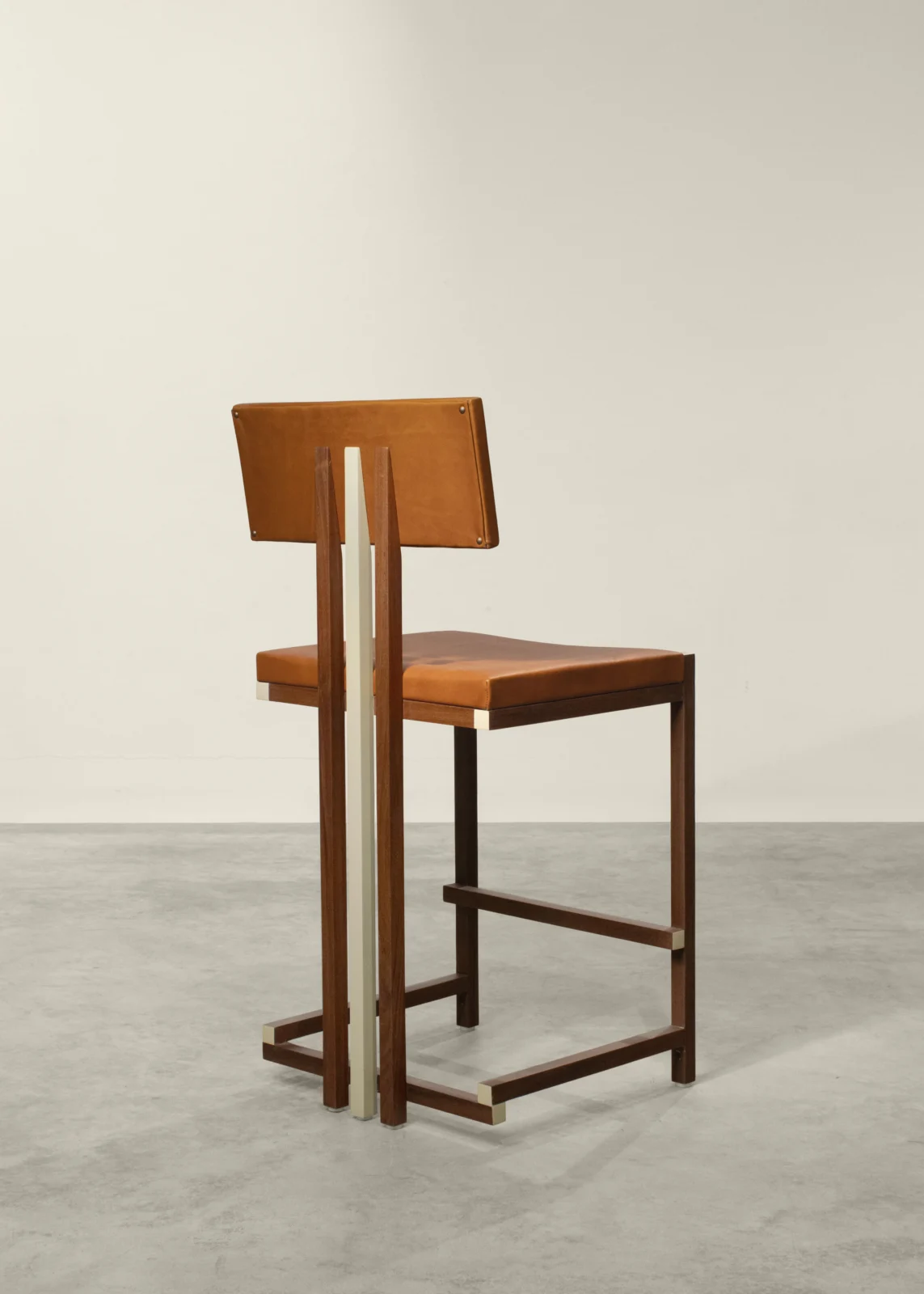
Above about 22 inches the sitter is perching rather than sitting, with weight partly on the feet. That is the whole category of stools, counter chairs and bar chairs, and it is also why a footrest matters more as the seat gets higher — without one, the legs have nowhere to go.
Working: task and specialist chairs
Task chairs hold an upright working posture with adjustable height and support, usually on casters. Adjacent specialist forms tilt the pelvis forward instead: a kneeling chair divides weight between the seat and shins, a saddle chair straddles like a horse, and a drafting chair is simply a task chair built tall enough for a raised surface with a foot ring added. Our home office guide covers the wider setup these sit in.
Chairs by back and arms
Most of the names people struggle with live here. Almost all of them describe an upholstered lounge chair, and the differences are smaller than the separate vocabularies suggest.
The upholstered family
- Armchair. The parent term. Any chair with arms, though in practice it implies an upholstered lounge chair.
- Club chair. Low, deep, heavily upholstered, with a back no higher than the sitter’s shoulders and thick padded arms at roughly the same height. It came out of French gentlemen’s clubs in the late nineteenth century, originally in leather. Compact and enveloping rather than tall.
- Wingback. A tall back with panels — the wings — projecting forward at head height. They existed to trap heat from a fire and block drafts, which is why the form is seventeenth-century English and reads as formal now.
- Barrel chair. The back curves continuously around into the arms, forming a rounded shell. No distinct join between back and arm, which is the test.
- Tub chair. Effectively the same idea at lower height, with a shallower curved back. In practice the terms overlap heavily; barrel usually implies a taller, more upright shell.
- Slipper chair. Armless, upholstered, with a low seat and a tall back. Made originally for bedrooms, where the absence of arms let a person dress. Its low seat is the identifying feature.
- Bergère. French, eighteenth-century, with an exposed wooden frame, closed upholstered sides, and a loose seat cushion. The visible wood is what separates it from a club chair.
- Chesterfield chair. Deep button tufting, rolled arms level with the back. Matches the sofa of the same name.
- Chair and a half. Not a style but a size — roughly one and a half seat widths, for one person with room to curl up.
Open and wooden backs
- Spindle back. Vertical turned rods between seat and top rail.
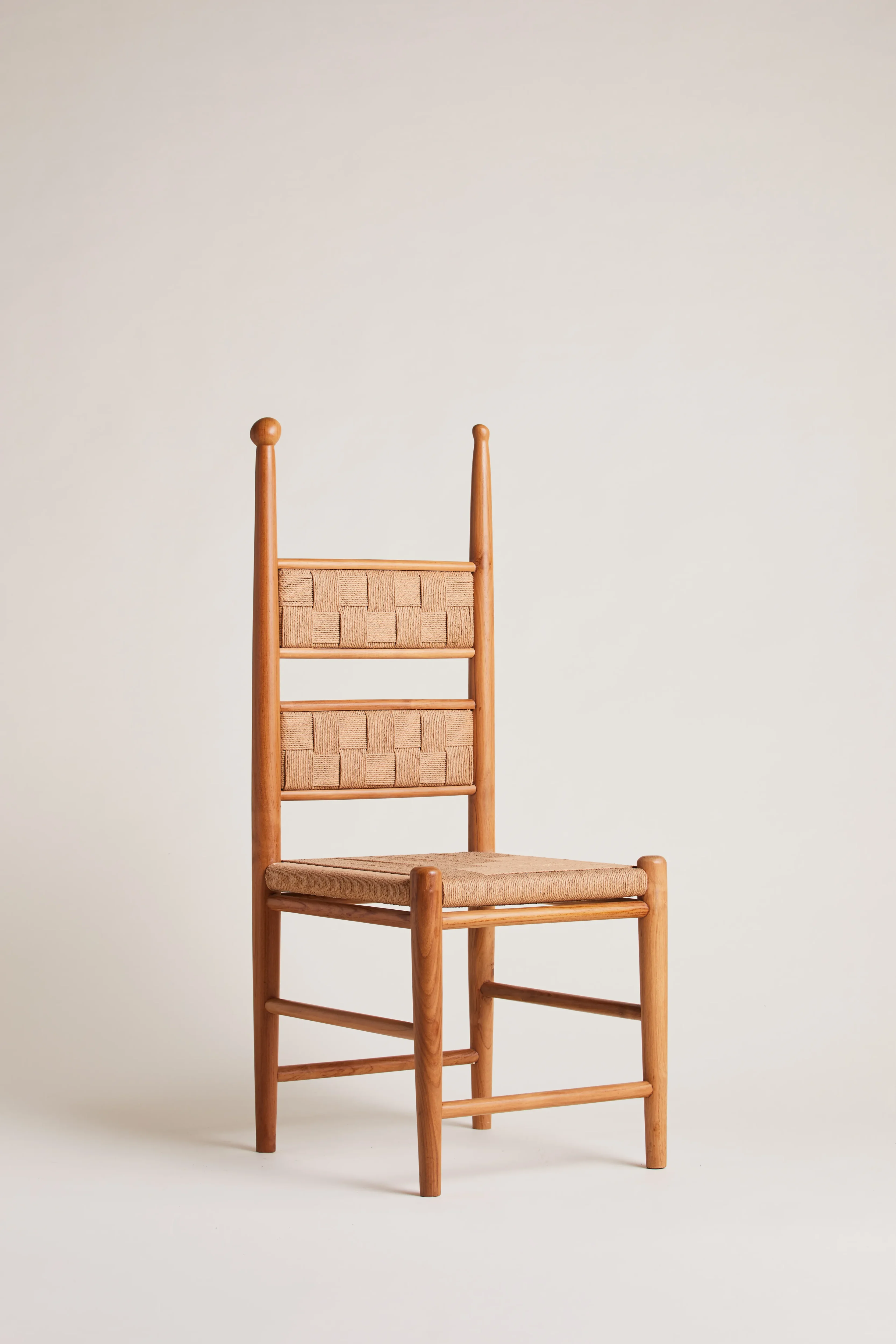
- Ladder back. Horizontal slats climbing the back like rungs.
- Windsor. Spindles socketed directly into a solid shaped seat, with legs socketed into the underside of the same seat. The seat, not the back, is the structural heart of a Windsor — that is what distinguishes it.
- Cross back or X-back. Two diagonals crossing in the back panel. Common in farmhouse and French country dining.
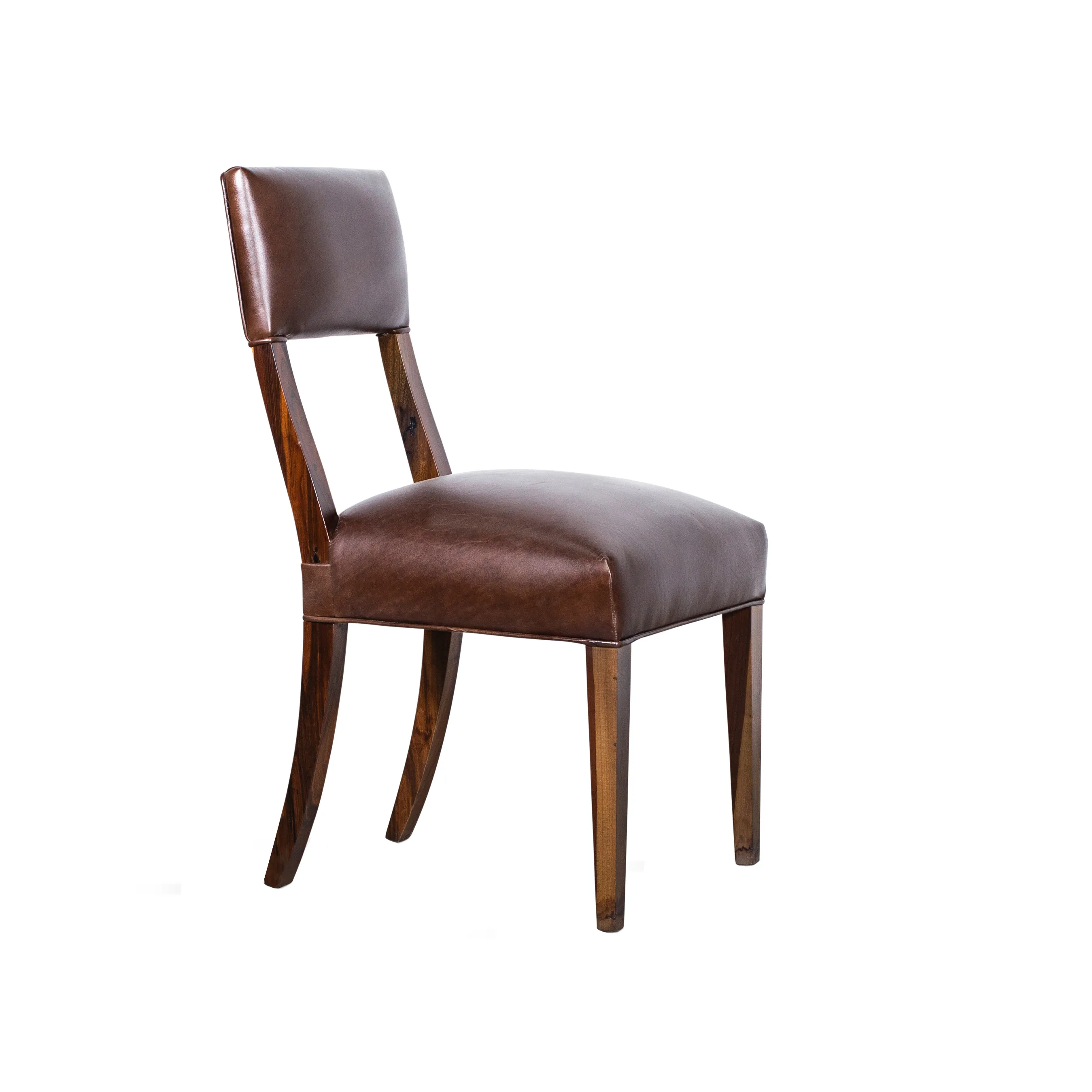
- Parsons chair. A fully upholstered dining chair with a straight high back and no arms, named for the Parsons School of Design. Squared, simple, and usually the most anonymous chair at a table by design.
- Balloon back. A rounded, waisted back shaped like its name. Victorian.

Chairs by base and structure
The base is where chair design gets genuinely interesting, because it is the part that engineering changed.
Four legs is the default and needs no explanation. Pedestal chairs replace them with a single central column and a spreading foot, which frees the space under the seat entirely. A swivel adds rotation on that column, and a sled base uses two continuous runners instead of four points, spreading weight so the chair does not sink into carpet.
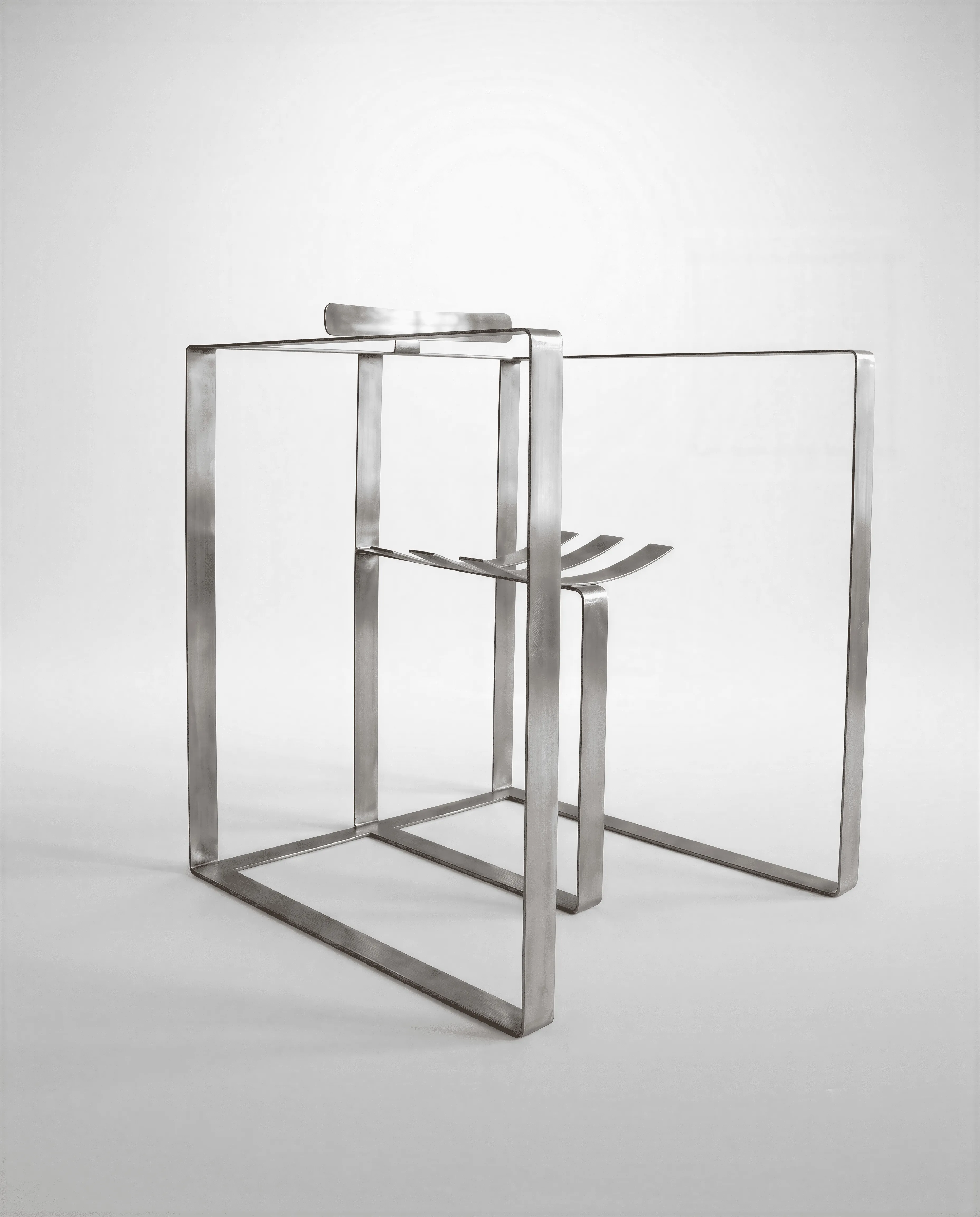
Cantilever chairs are the significant one. A cantilever has no back legs at all: the seat projects from a frame supported only at the front, so the sitter’s weight is carried by the spring of the material. Mart Stam built the first in 1926 and Marcel Breuer and Mies van der Rohe developed it, and it was only possible because tubular steel could flex without failing. Consequently the cantilever is the clearest example of a chair type created by a material rather than by a taste.
Bentwood is the other material-driven category. Michael Thonet worked out how to steam and bend solid beech into curves in the 1850s, which meant a chair could be made from a handful of bent rods instead of dozens of carved joints. His No. 14 was shipped flat in parts and became the most-produced chair in history. Furthermore, almost every café and bistro chair still descends from it.
Lounge and accent chairs
A lounge chair is defined by posture; an accent chair is defined by its job in a room. The two overlap constantly, which is why the terms are used interchangeably and shouldn’t be.
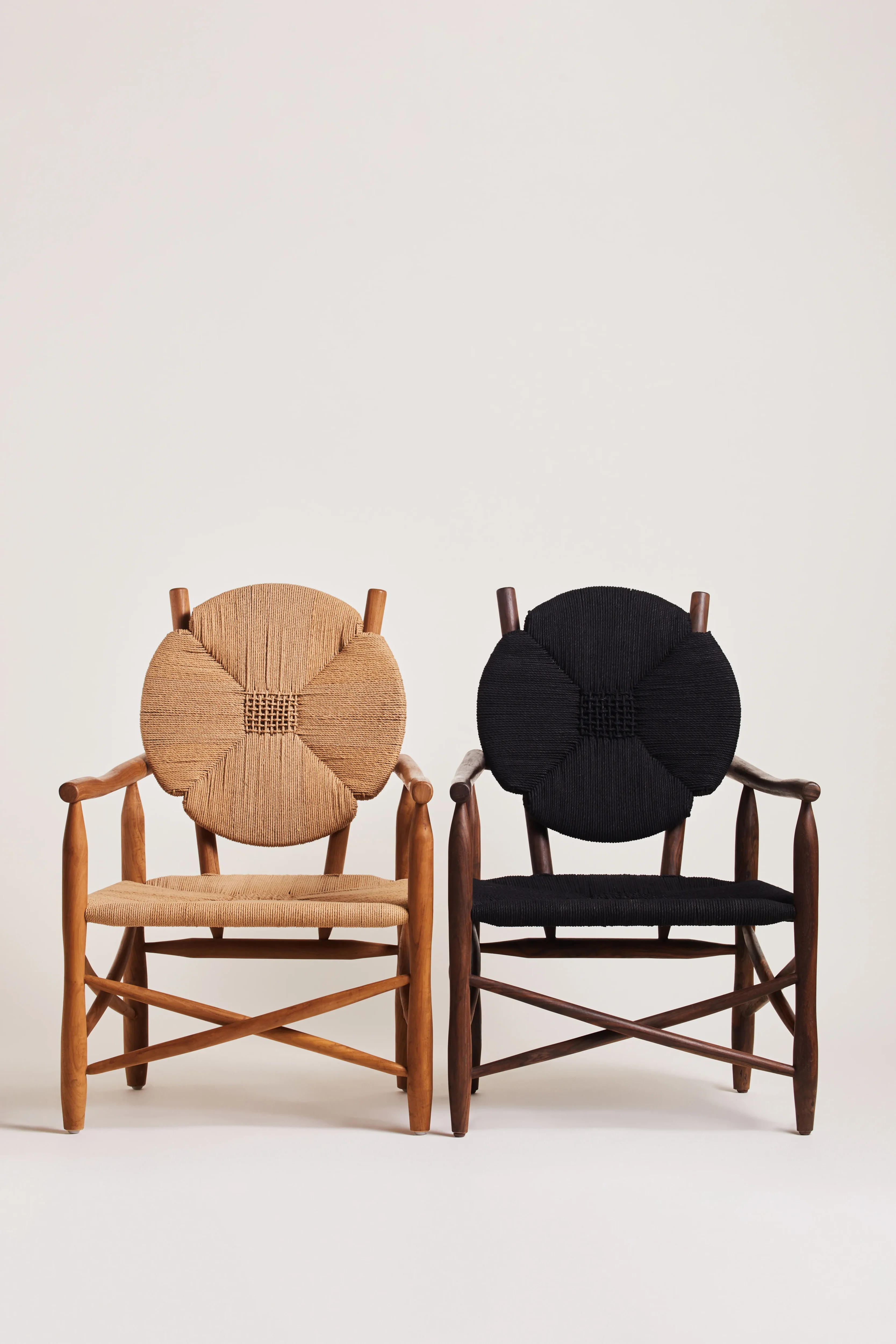
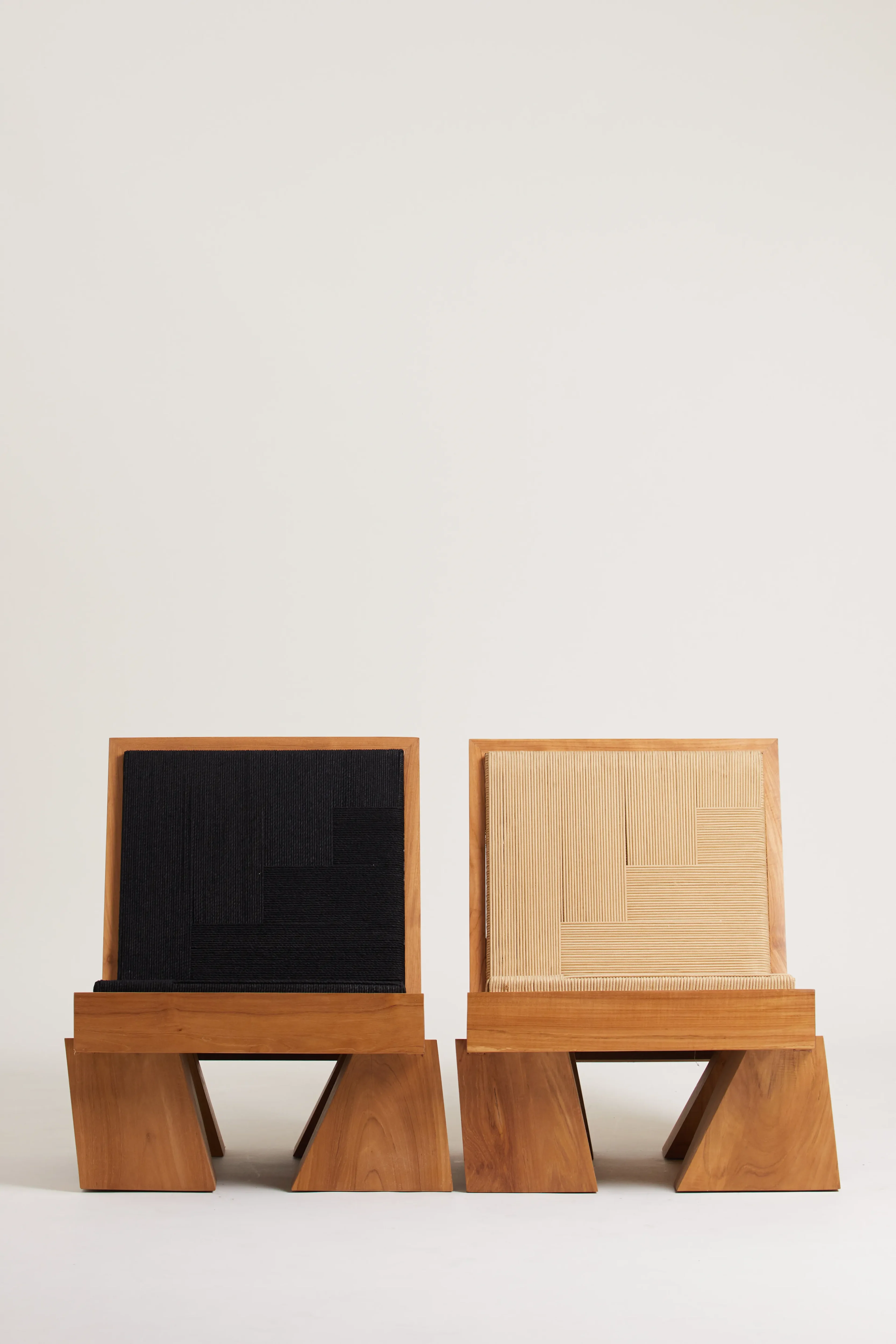
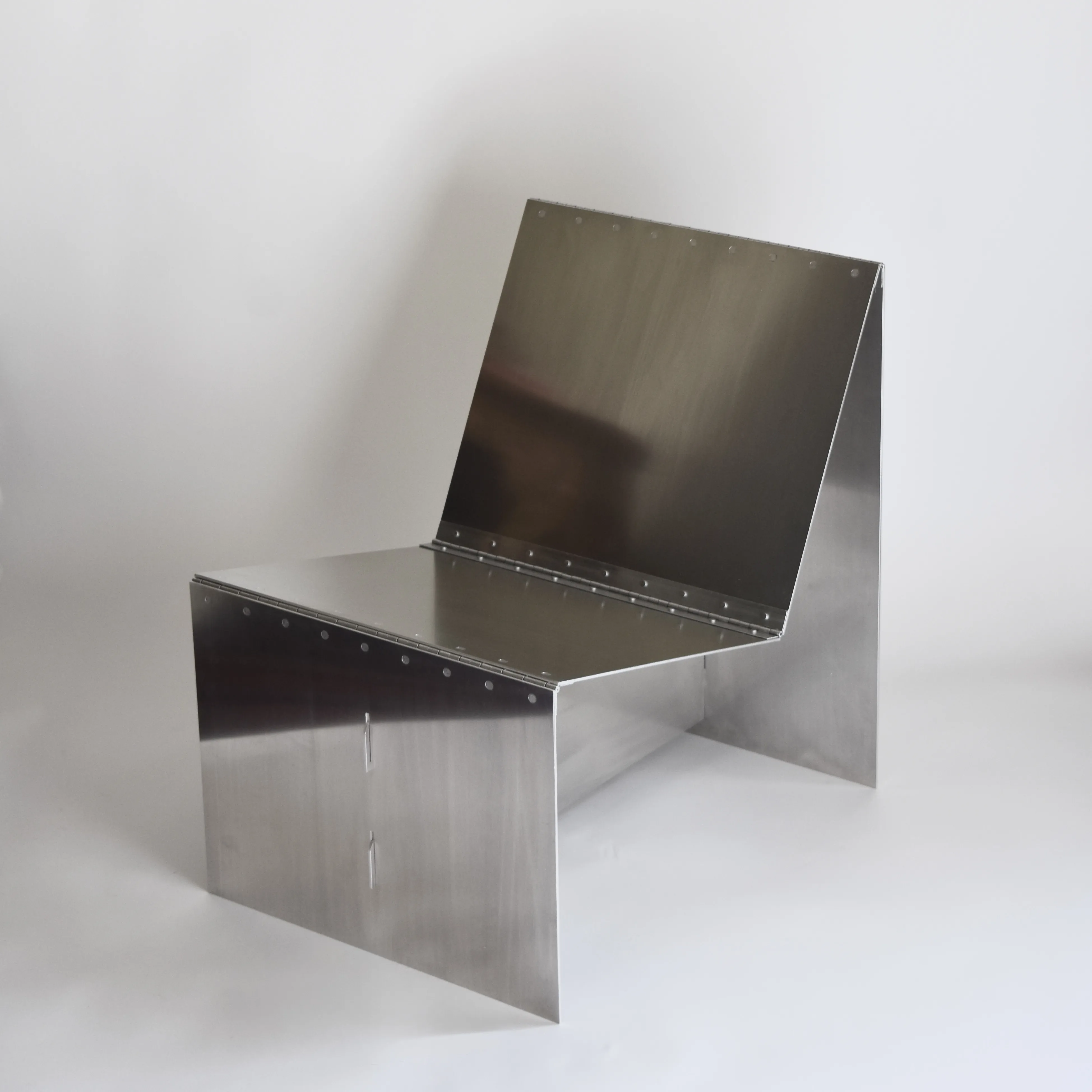
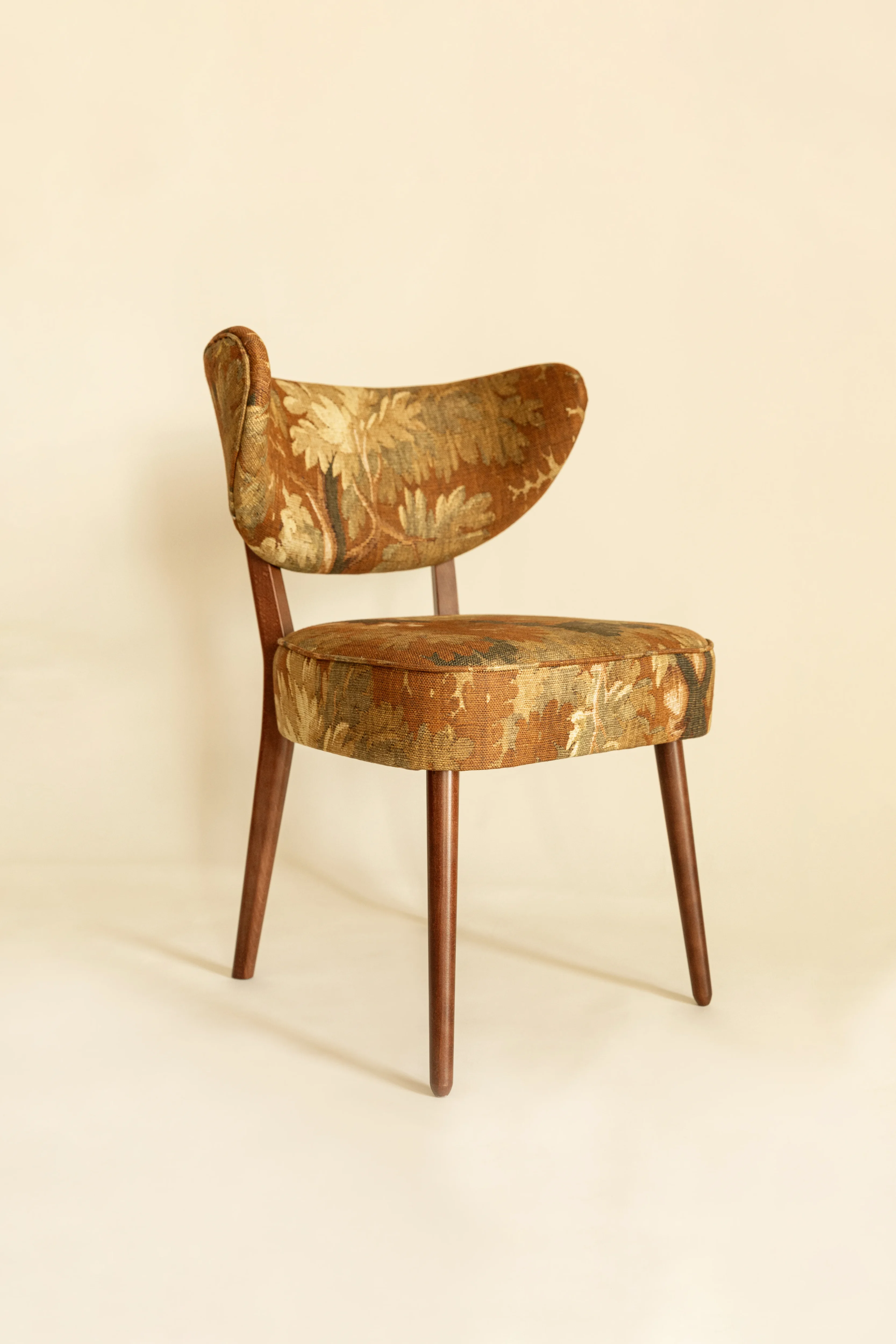
An accent chair exists to be looked at as much as sat in. It is usually the one seat in a room that does not match anything else, and it earns that position by having a shape, material or color the rest of the furniture does not. Therefore the useful question is not whether a chair is comfortable in the abstract but how long it needs to be comfortable for: a reading chair holds someone for two hours and needs depth, lumbar support and a seat low enough to stretch out from, while a chair beside a console is occupied for ten minutes and can prioritize form. We go further into the category in accent chairs that finish the thought, and into the pared-back end of it in our look at minimalist chairs.
Dining chairs
Dining chairs are the type where practical constraints bite hardest, because they have to work as a set, fit under a table, and be sat on by people of different sizes for the length of a meal.
Three rules cover most of it. Allow 24 inches of table width per person, which is what determines how many chairs a table actually seats. Leave 10 to 12 inches between the seat and the underside of the table — a 30-inch table with an 18-inch seat gives you 12, which is why those are the standard figures. And check the arm height against the table apron before buying anything with arms, since a carver that will not slide under is a daily irritation. Our dining room guide covers table sizing in more depth.
Beyond that, dining chairs divide by back type — spindle, ladder, cross, upholstered Parsons, molded shell — and by whether they stack, which matters more in small apartments than anyone admits. Mixing is also entirely legitimate: a common approach is armless side chairs along the sides with two different carvers at the ends.
Stools and counter seating
Stool height is the one place where getting the number wrong makes the seat unusable, and the two standards are close enough to confuse.
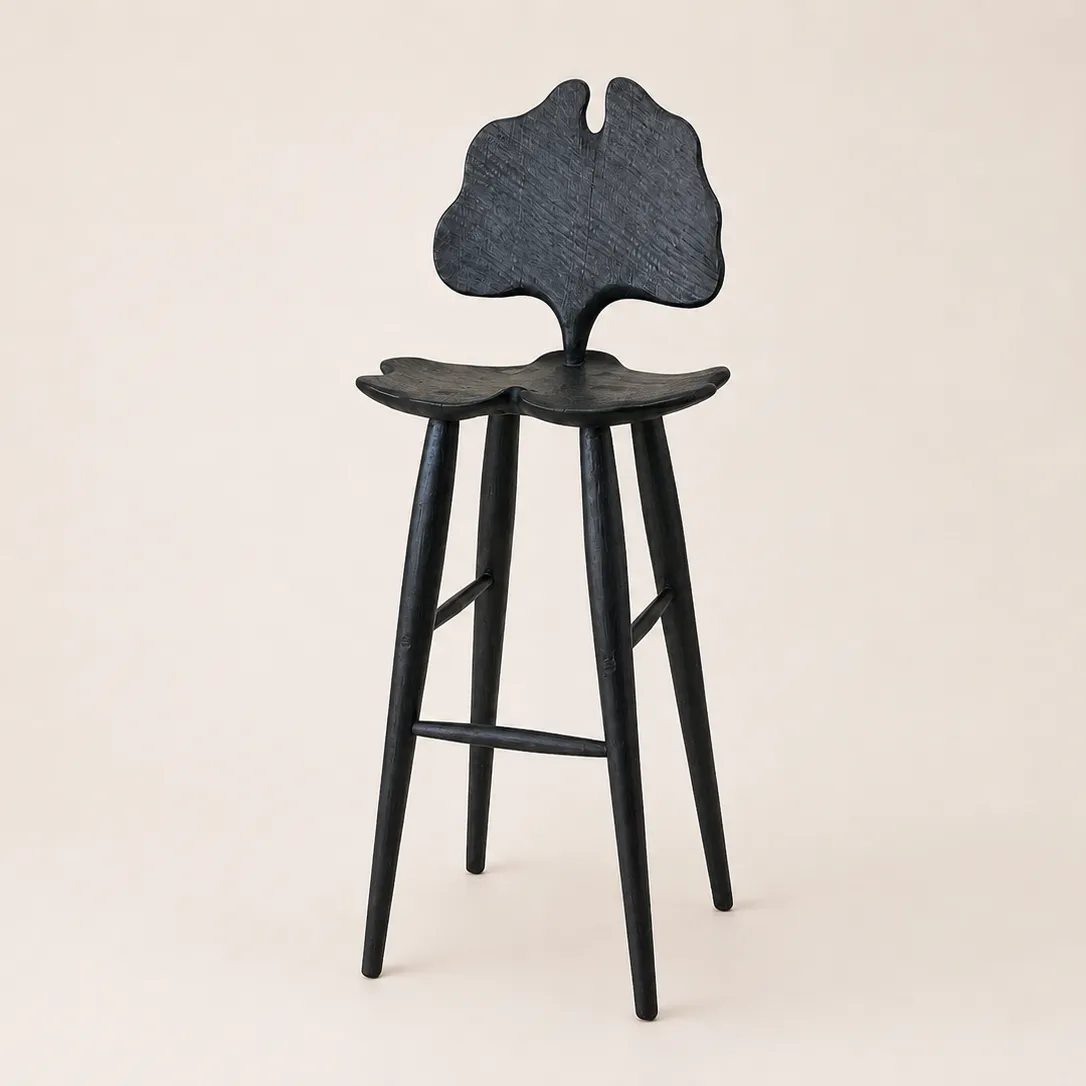
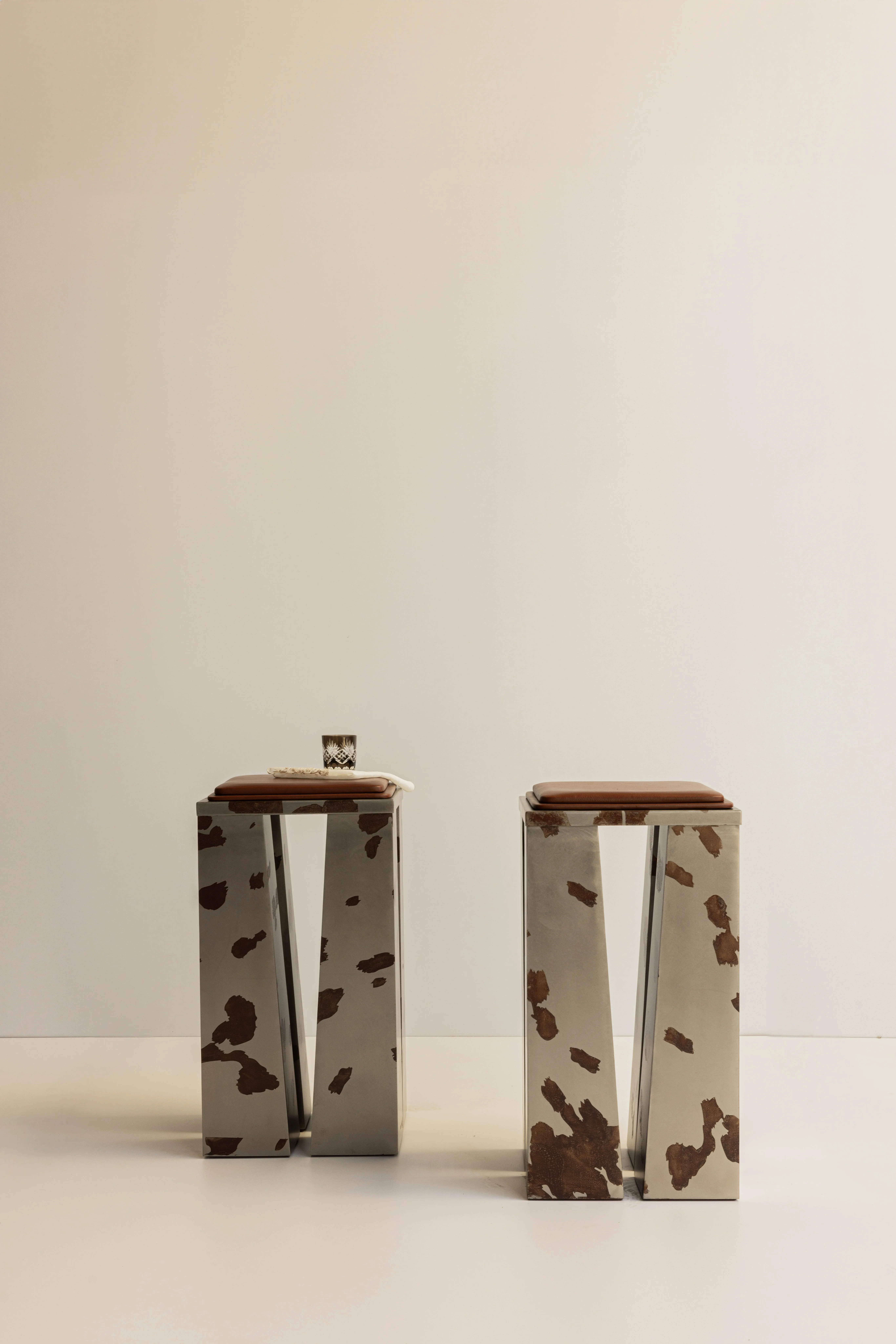
- Counter height: counter 34 to 36 inches, stool seat 24 to 26 inches.
- Bar height: bar 40 to 42 inches, stool seat 28 to 30 inches.
- Table height: table 28 to 30 inches, seat 17 to 19 inches — an ordinary chair.
The rule underneath all three is the same: leave 10 to 12 inches between seat and surface. Allow 26 to 30 inches of counter width per stool so shoulders do not touch, and prefer a footrest on anything above 26 inches. Meanwhile, backless stools tuck away and suit tight kitchens, while low-back and swivel versions are what people actually sit on for a whole meal. There is a wider survey in our round-up of versatile stools.
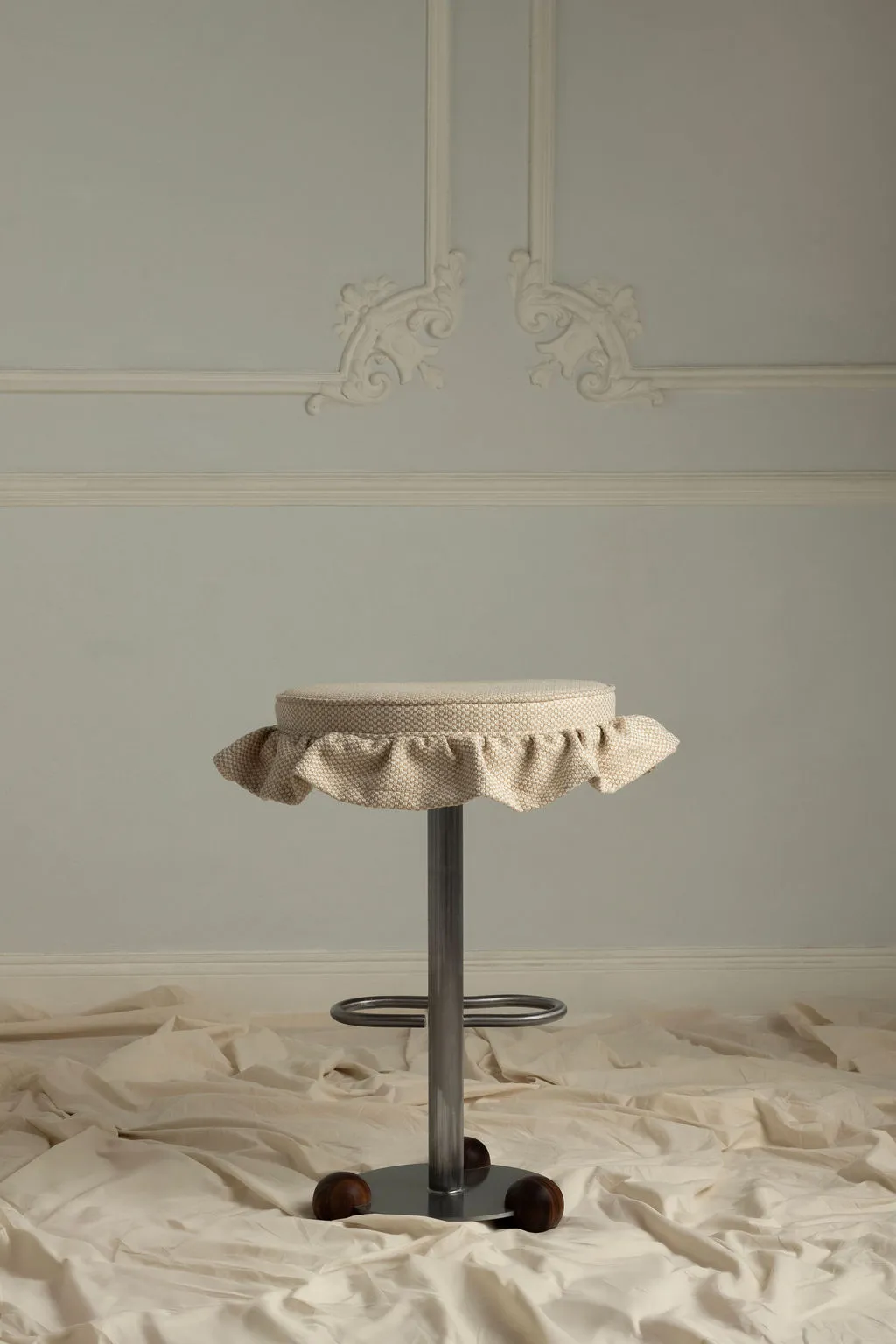
Twentieth-century designs worth knowing by name
A handful of chairs are referred to by name rather than by type, and knowing them is most of what design literacy in seating amounts to.
- Wishbone (CH24). Hans Wegner, 1949. A steam-bent top rail, a Y-shaped back splat, and a hand-woven paper cord seat. Its name comes from the splat’s shape.
- Butterfly (BKF). Ferrari-Hardoy, Kurchan and Bonet, 1938. A sling of leather or canvas hung from a folded steel rod frame. Structure and upholstery are the same two parts.
- Egg. Arne Jacobsen, 1958, for the Royal Hotel in Copenhagen. A curved shell that wraps past the shoulders to create acoustic privacy in a public room, which is what it was actually designed to do.
- Ball or Globe. Eero Aarnio, 1963. A sphere cut open on a swivel base — the same enclosure idea taken further.
- Bubble. Aarnio again, 1968, in clear acrylic and suspended from a ceiling chain rather than standing on a base.
- Shell. A whole family rather than one chair: a single molded seat-and-back in plywood, fiberglass or plastic on a separate base. Charles and Ray Eames made it the dominant form of the postwar era.
- Ghost (Louis Ghost). Philippe Starck, 2002. A Louis XVI silhouette in one piece of transparent polycarbonate — a period style rendered invisible.
- Wassily. Marcel Breuer, 1925. Tubular steel and leather straps, and the chair that proved a frame could be drawn in the air rather than built in mass.
- LC2 and LC4. Le Corbusier with Charlotte Perriand and Pierre Jeanneret, 1928. Cushions set into an exposed steel cage; the LC4 is the reclining chaise version.
- Barcelona. Mies van der Rohe, 1929. Crossed steel blades and buttoned leather, designed for a pavilion rather than a living room.
- Panton. Verner Panton, 1967. The first chair molded in a single piece of plastic with no joints at all.
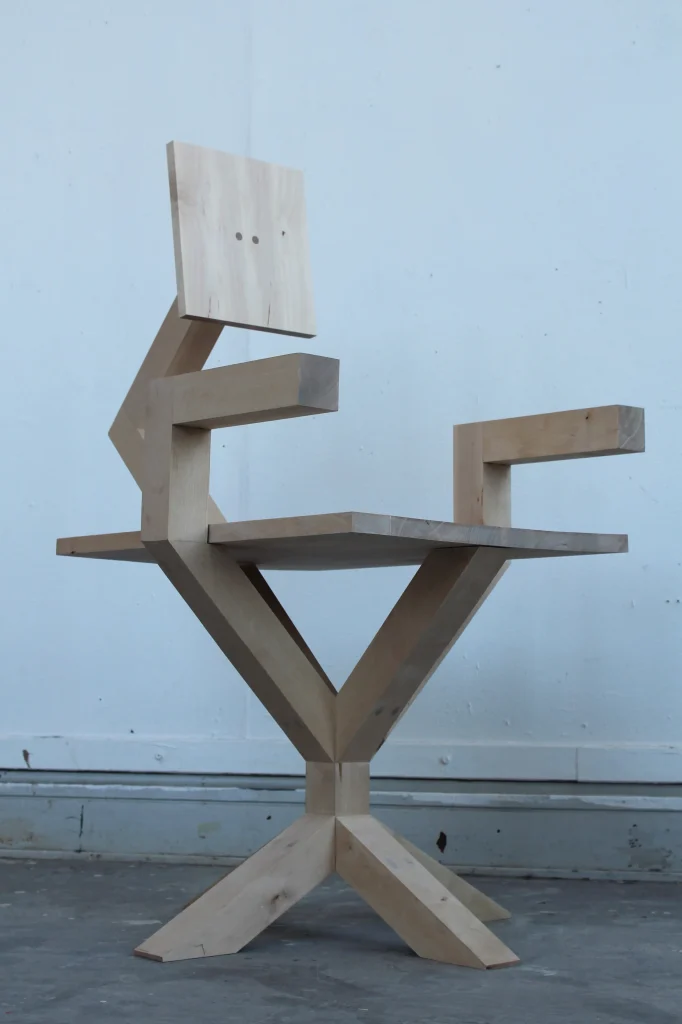
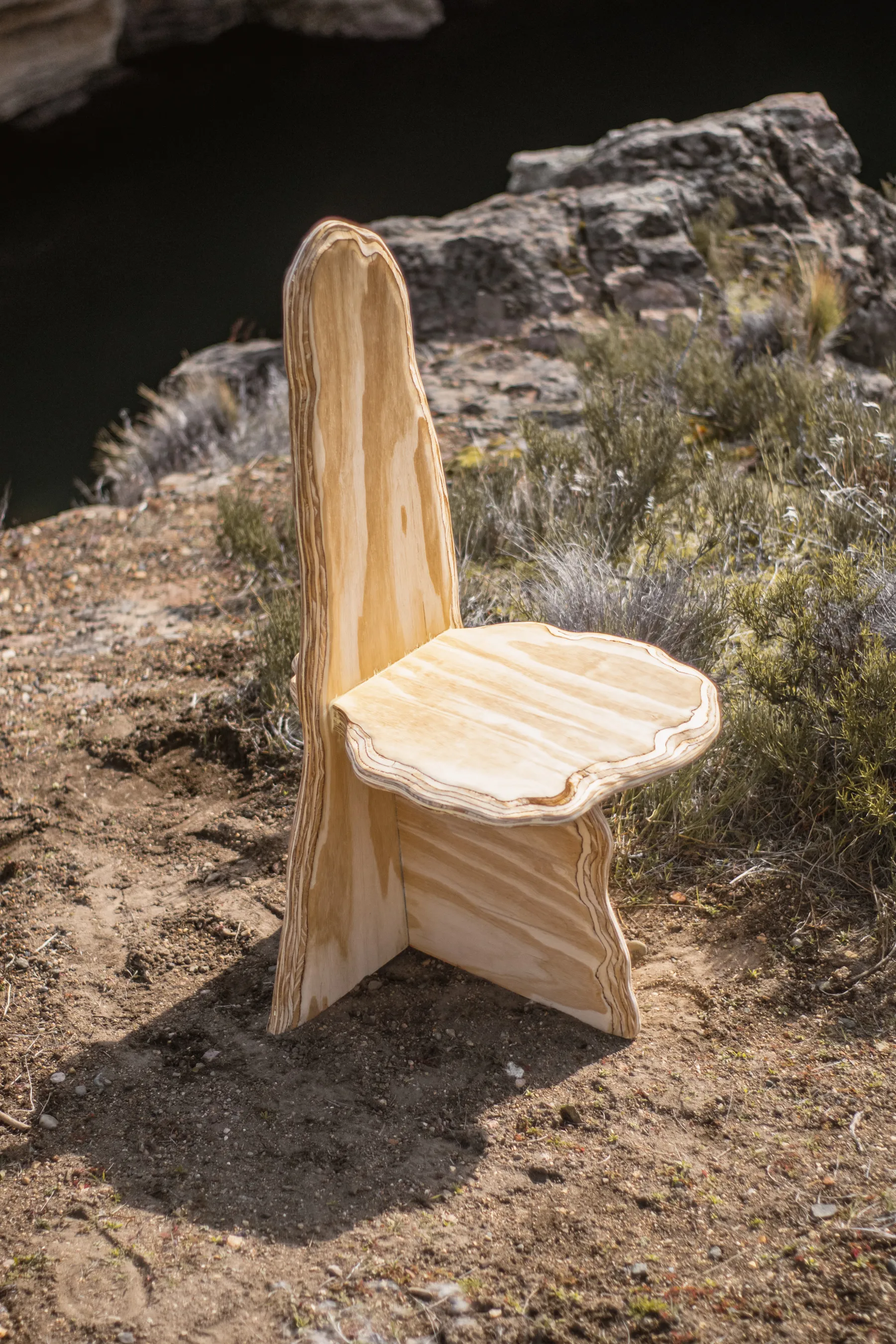
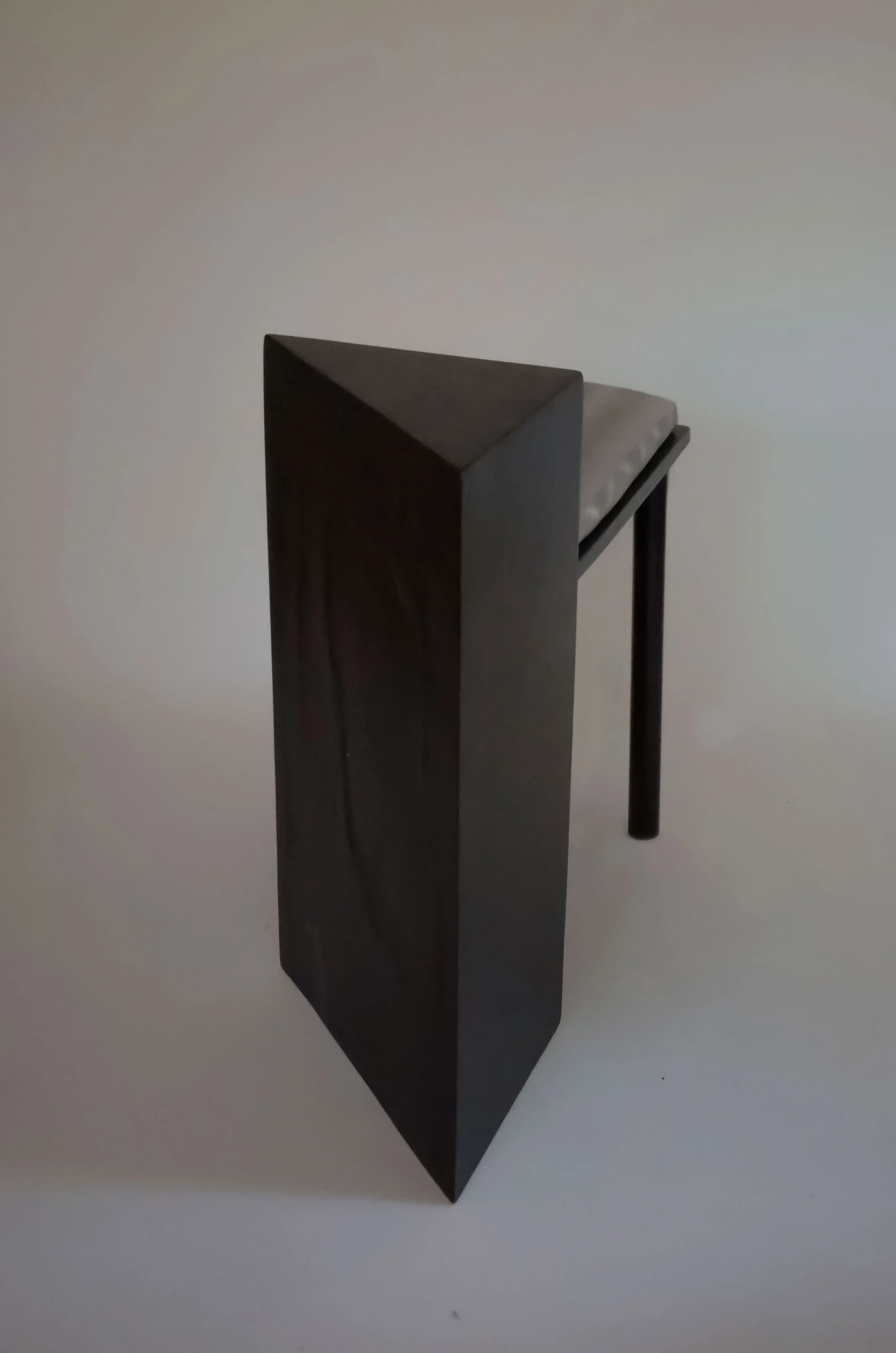
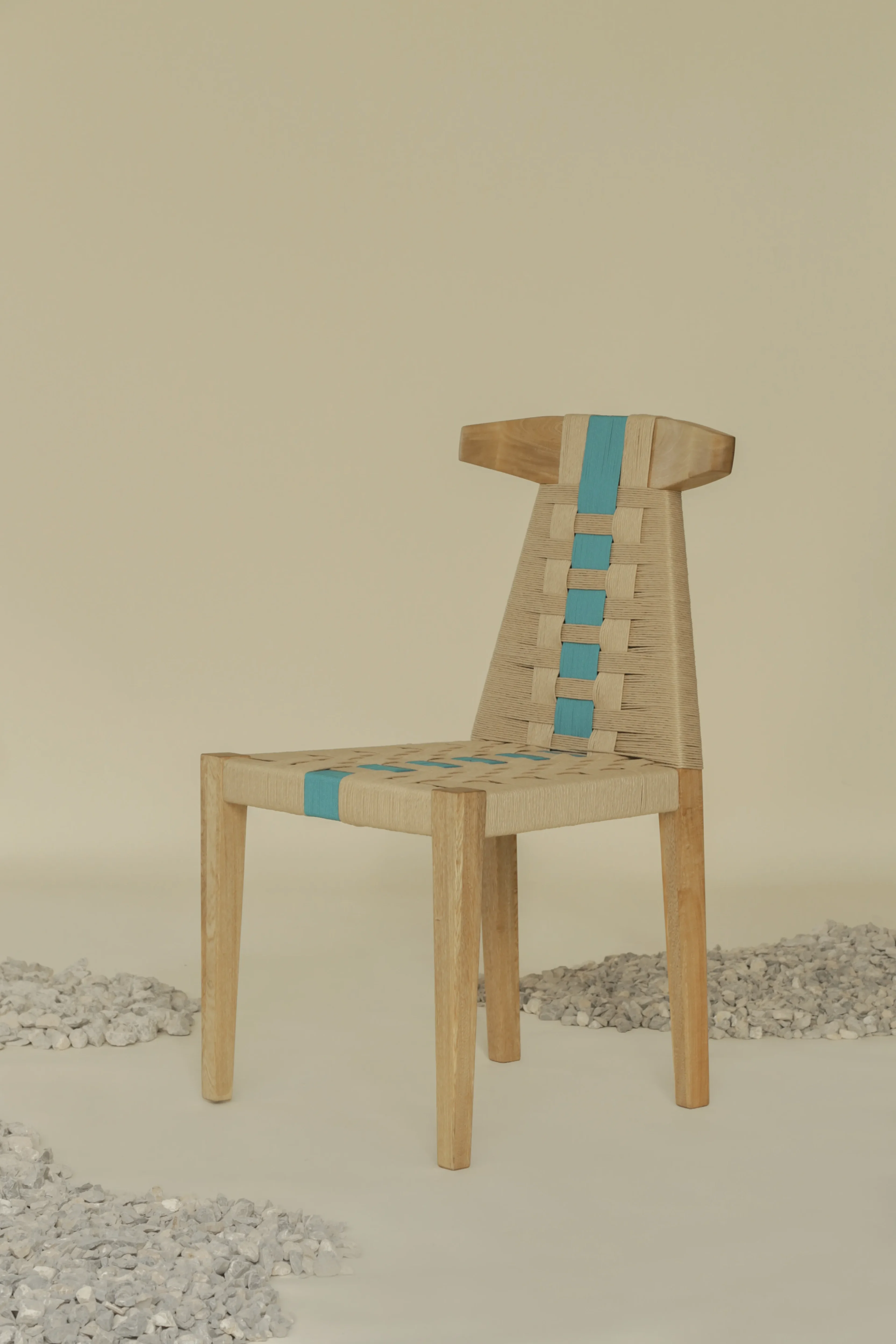
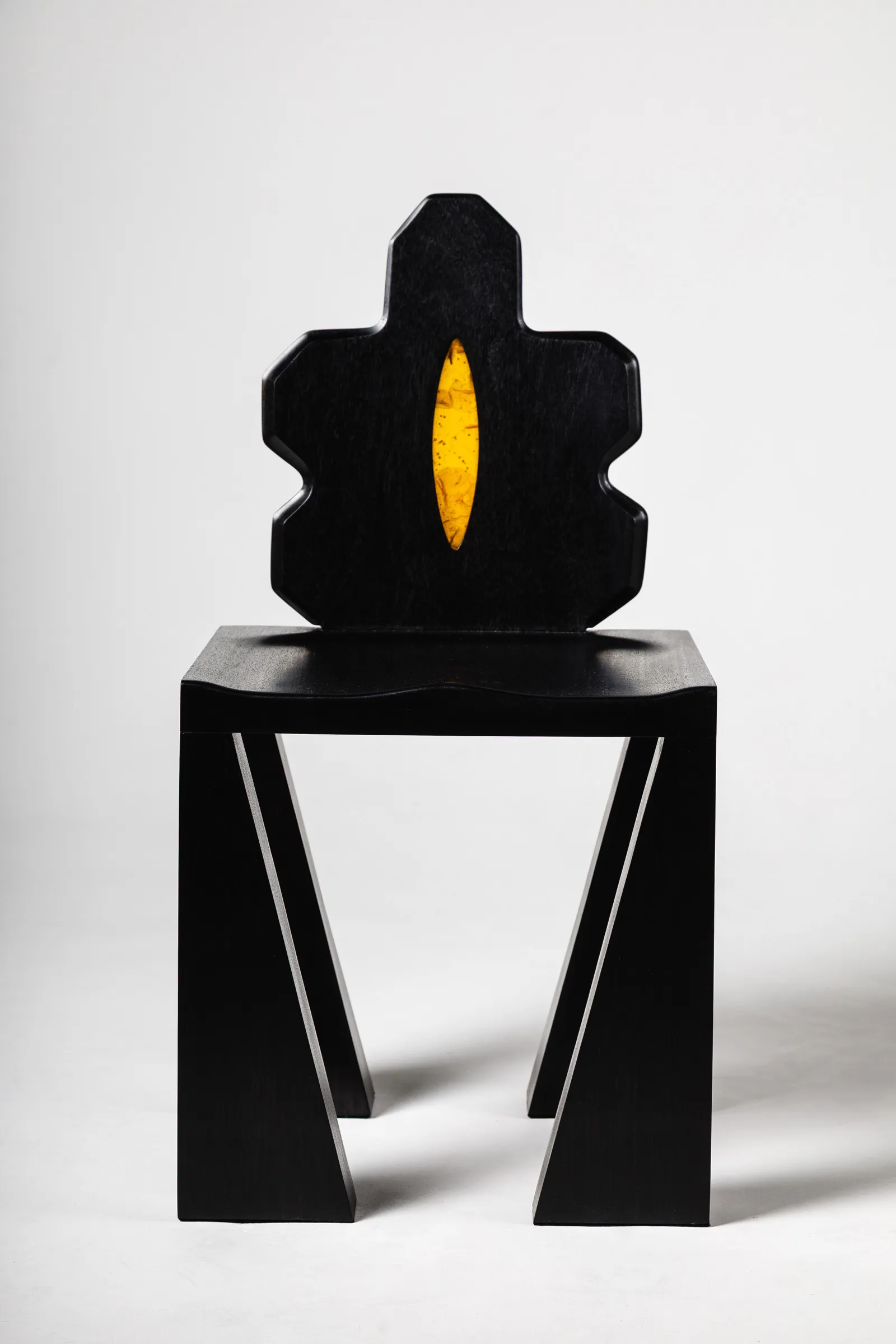
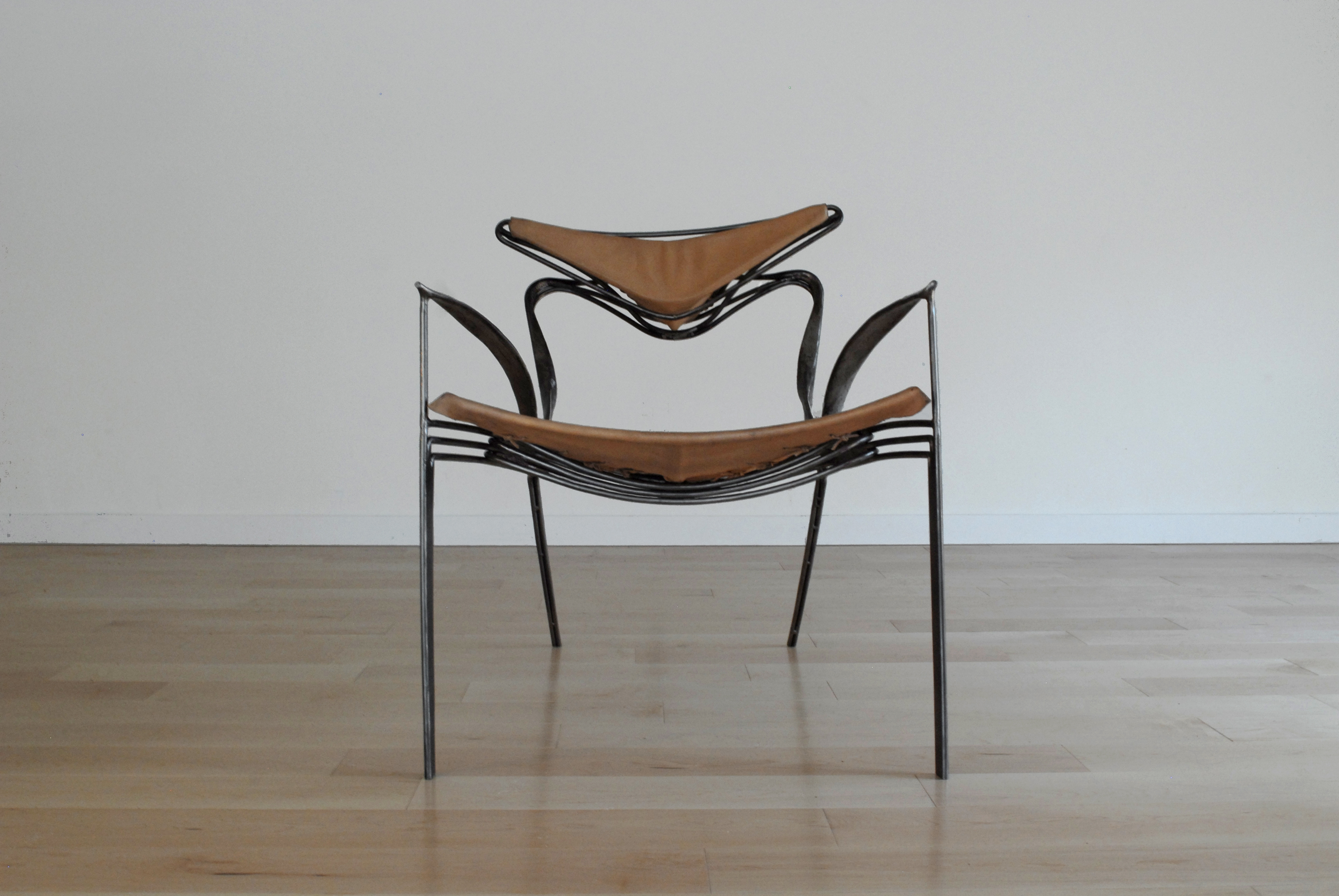
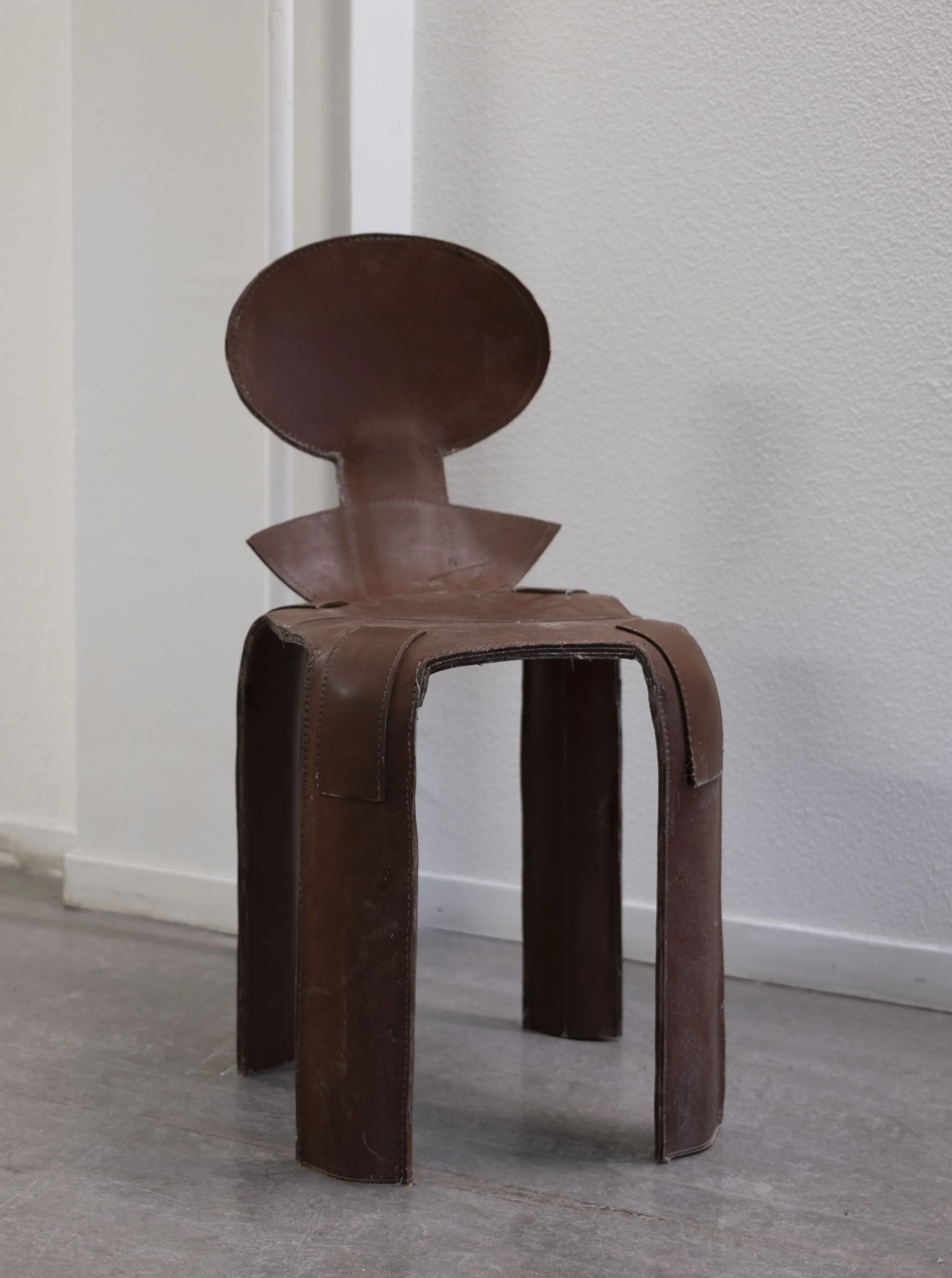
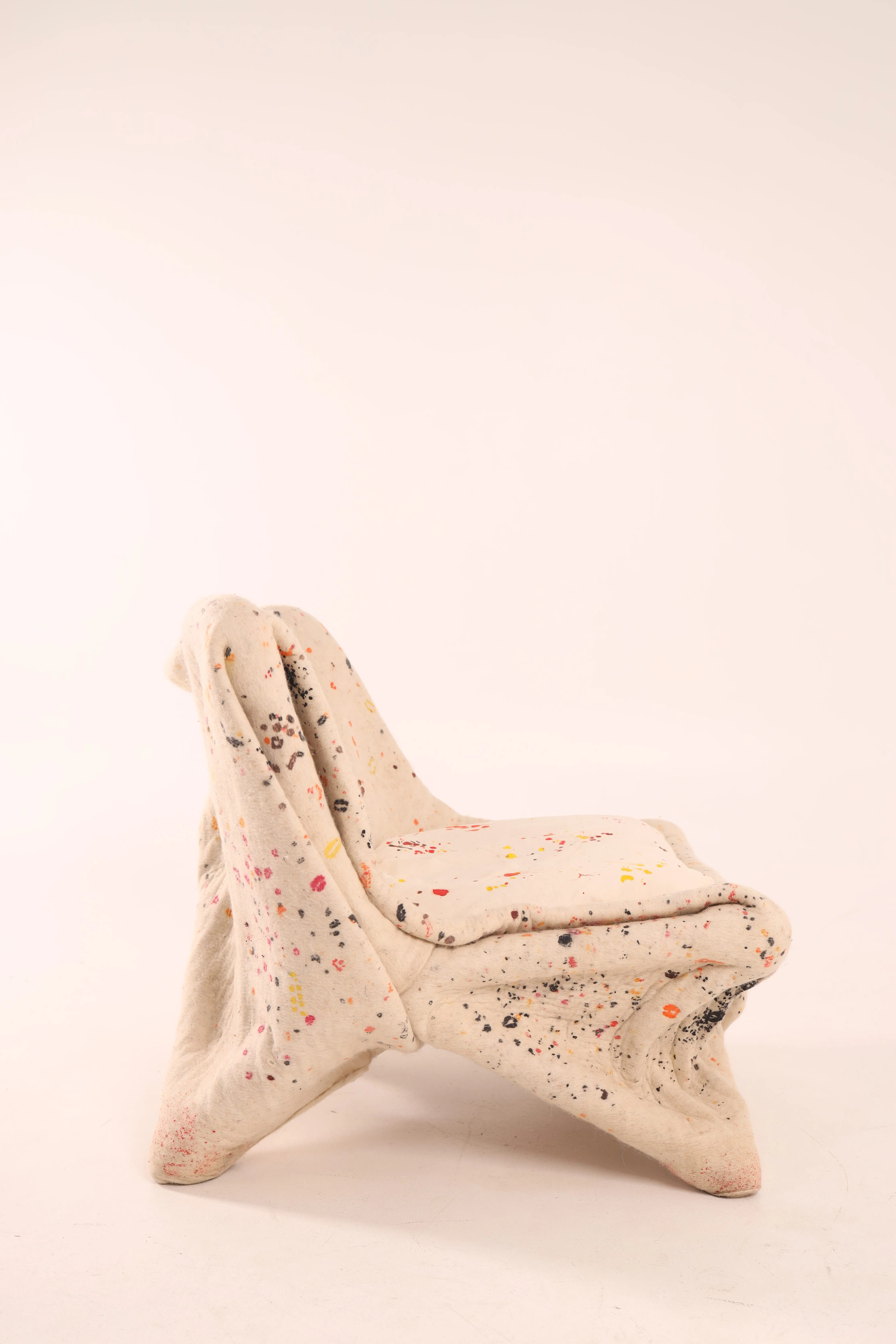
What that lineage produced is a working assumption that a chair can be a sculptural proposition first and a seat second — which is where most contemporary studio seating still sits.
Period and antique styles
Period names describe ornament and leg shape more than structure, and a few markers identify most of them quickly. Our guide to furniture styles across every era and region sets out the wider context.
- Queen Anne. Early eighteenth century. Cabriole legs curving out then in, a solid vase-shaped back splat, minimal carving.
- Chippendale. Mid eighteenth century. Cabriole legs often ending in a ball-and-claw foot, and a pierced, carved back splat — the openwork is the tell.
- Windsor. Eighteenth century onward, English and American. Spindles and legs socketed into a solid saddle-shaped seat.
- Bentwood. From the 1850s. Steam-bent beech in continuous curves, few parts, no carving.
- Victorian. Later nineteenth century. Heavier proportions, balloon backs, deep buttoning, dark finishes.
- Morris chair. 1860s, from William Morris’s firm. An early reclining armchair with an adjustable pegged back and loose cushions, and the ancestor of the Arts and Crafts armchair.
- Art Deco. 1920s and 30s. Geometric volumes, exotic veneers, sweeping curved arms.
- Mid-century modern. Roughly 1945 to 1965. Tapered legs, often splayed, low backs, light frames, molded plywood or plastic shells, and a general absence of ornament — covered at length in mid century modern furniture.
Two practical notes on older chairs. Joints in an antique are usually mortise-and-tenon or doweled and can be reglued, which is why a wobbling antique is repairable and a wobbling glued-plywood chair often is not. And original upholstery is worth keeping where it survives, since reupholstering can reduce the value of a documented piece considerably.
Materials, and what they do
Material decides how a chair ages, how heavy it is, and how it behaves under a body.
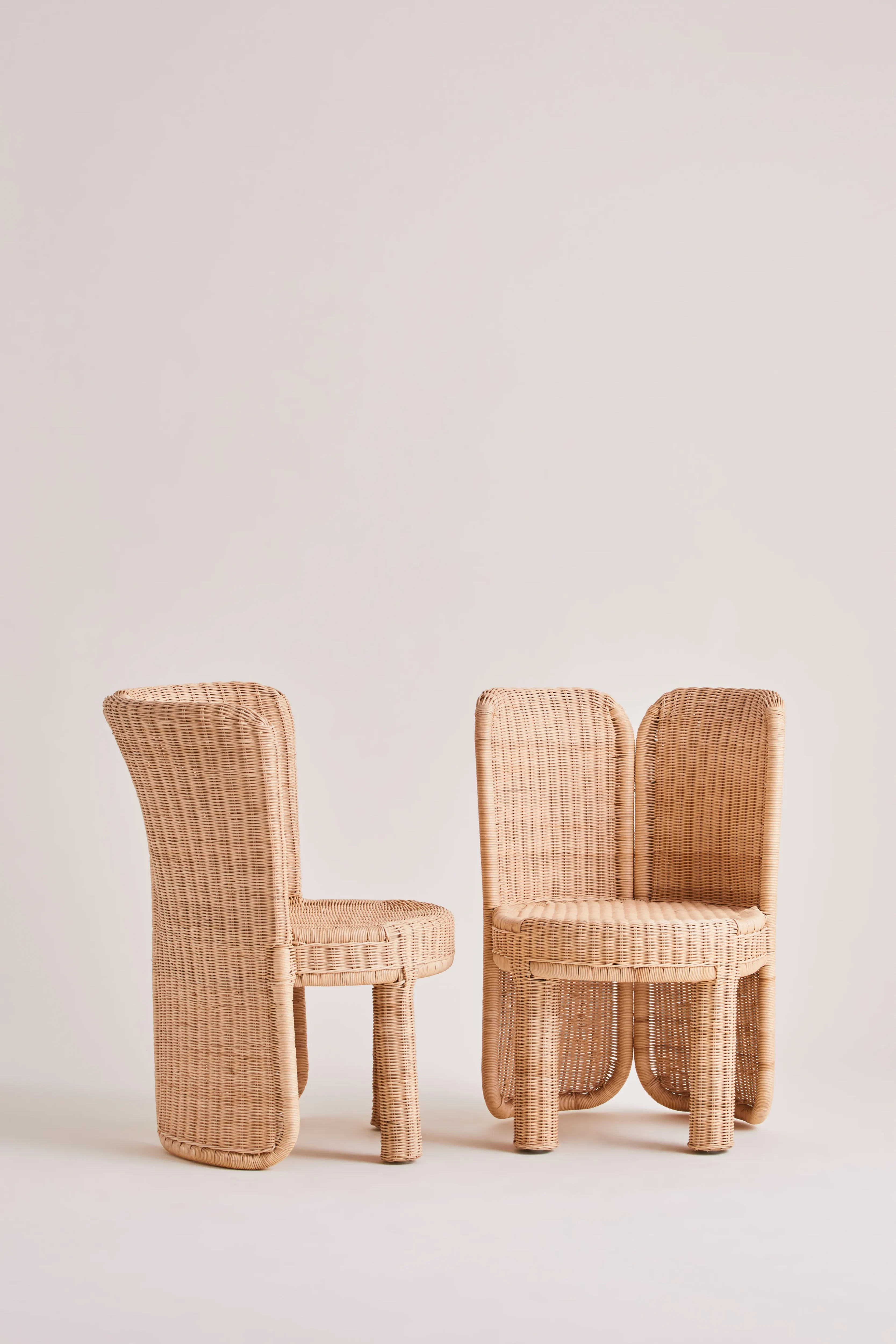
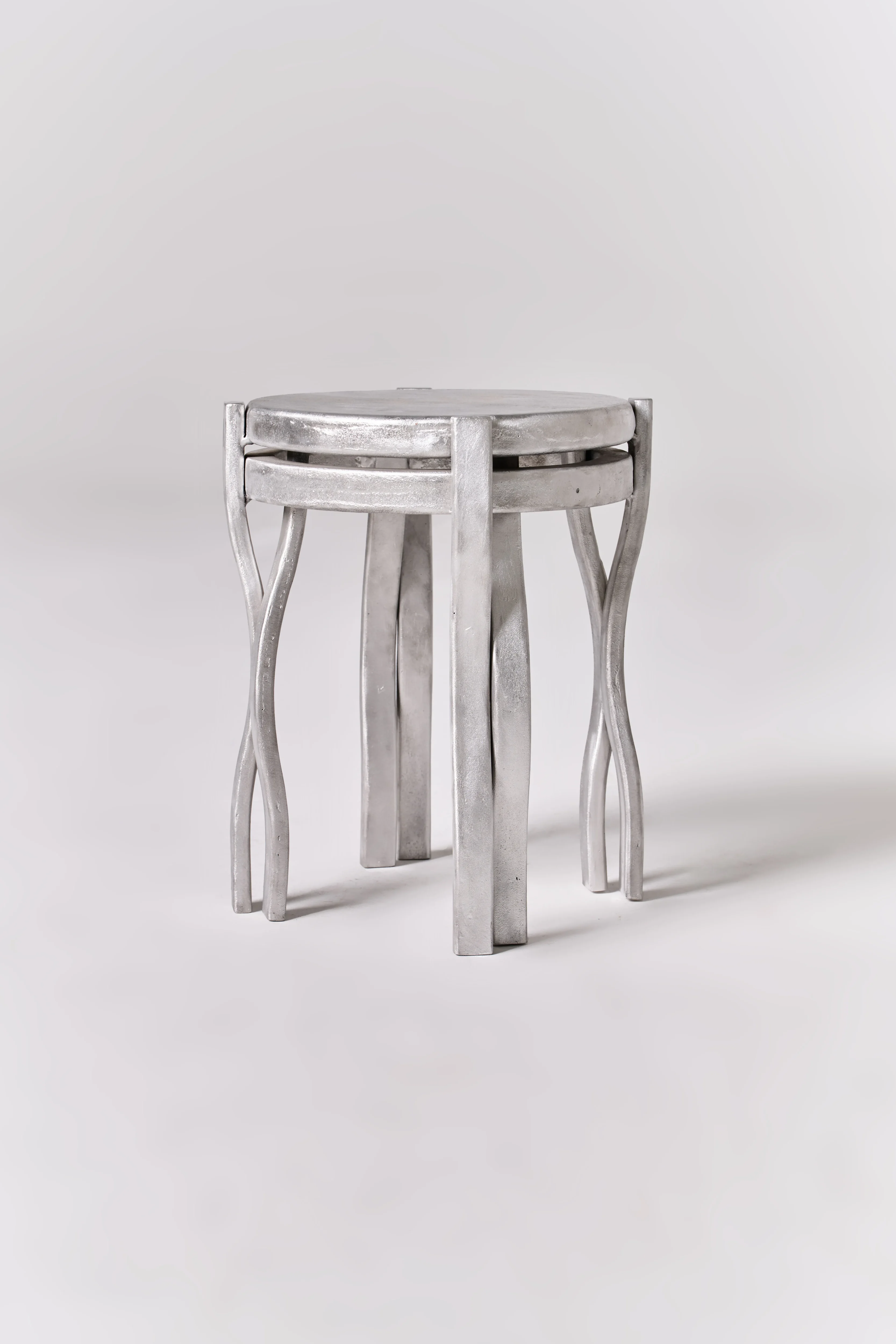
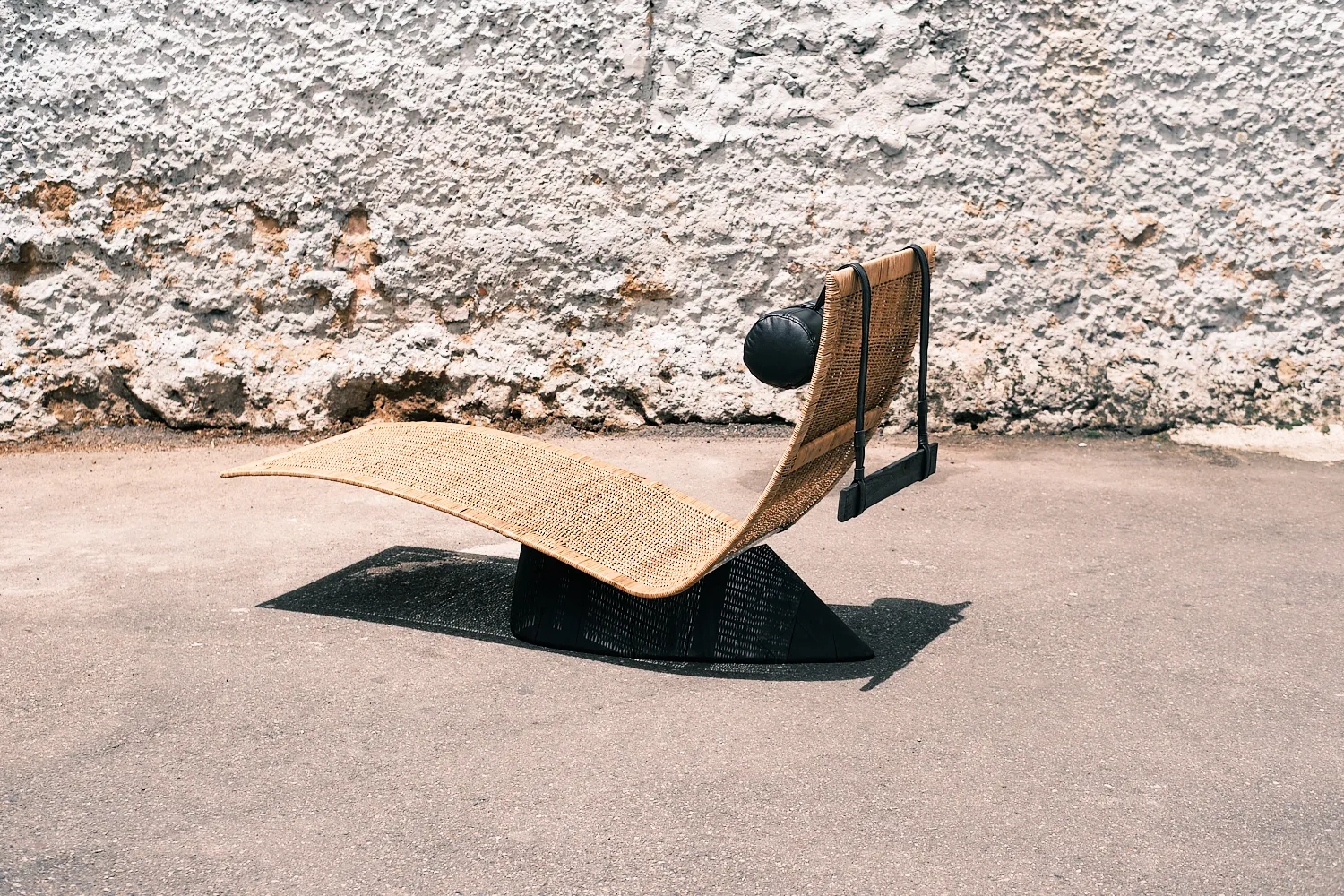
Solid wood is repairable and stiffens a frame, which is why dining chairs are still mostly made of it — there is more on the material in the evergreen appeal of wood seating. Molded plywood flexes slightly under weight, so a shell can be comfortable without padding. Tubular steel made the cantilever possible and keeps frames visually thin. Cast and sheet aluminum is light and takes a strong form. Cane, rattan and woven paper cord give a seat that breathes and yields, and they are repairable by a specialist rather than replaceable. Leather stretches and patinates; wool resists soil and recovers from compression; synthetic weaves handle sun and rain outdoors where natural fiber will not.
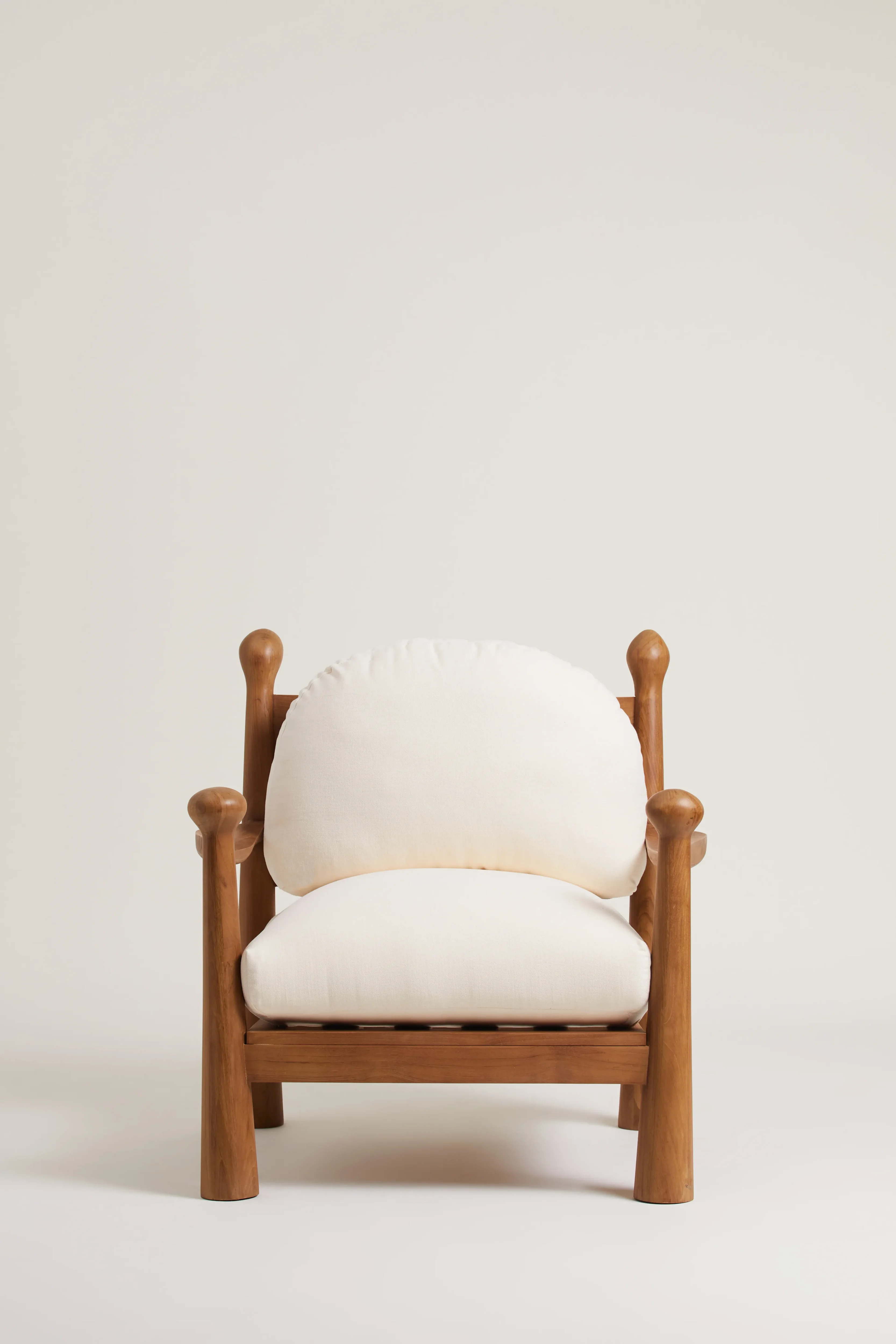
For outdoor seating specifically, the material question is the whole question: teak and powder-coated aluminum tolerate weather for decades, while untreated softwood and mild steel do not last a season unprotected. Our selection of outdoor lounge chairs goes into the specifics.
Dimensions that matter
- Standard chair seat height: 17 to 19 inches, with 18 inches the usual figure.
- Lounge chair seat height: 15 to 16 inches, and a seat depth of 22 to 24 inches.
- Seat to table clearance: 10 to 12 inches.
- Table width per person: 24 inches.
- Counter stool seat: 24 to 26 inches for a 34 to 36 inch counter.
- Bar stool seat: 28 to 30 inches for a 40 to 42 inch bar.
- Dining chair width: 18 to 20 inches, and 22 or more with arms.
- Clearance behind a dining chair: 36 inches to stand up and walk past.
- Typical weight capacity: around 250 pounds for a standard chair, 300 or more for a well-built or task chair. Manufacturers state it; older chairs rarely do.
Quick glossary
- Accent chair — a single chair chosen to stand apart from the rest of a room’s seating.
- Bergère — French armchair with an exposed wood frame, closed sides and a loose cushion.
- Bistro chair — light café chair, usually bentwood or a metal frame with woven seat, made to stack outdoors.
- Cantilever chair — a chair with no back legs, the seat supported by the spring of the frame.
- Club chair — low, deep, fully upholstered armchair with a shoulder-height back.
- Parsons chair — armless, fully upholstered dining chair with a straight high back.
- Recliner — a chair whose back angle, and usually footrest, adjust.
- Saddle chair — a straddled seat that tilts the pelvis forward to open the hips.
- Side chair — an armless chair at dining height.
- Slipper chair — armless upholstered chair with a low seat and tall back.
- Wingback — tall-backed armchair with forward-projecting panels at head height.
Frequently asked questions
What is a club chair?
A club chair is a low, deep, fully upholstered armchair with a back no higher than the sitter’s shoulders and thick padded arms at about the same height. It originated in French gentlemen’s clubs in the late nineteenth century, usually in leather. What distinguishes it from a wingback is the low back; what distinguishes it from a bergère is that the frame is entirely covered.
What is a side chair?
A side chair is a chair at dining height with no arms. The name comes from the practice of placing armless chairs along the sides of a table and against walls, since they push fully under a table and take up less width. A dining chair with arms is called a carver or host chair.
What is a parsons chair?
A Parsons chair is an armless dining chair, fully upholstered including the legs or with simple exposed legs, and a straight high back. It was developed at the Parsons School of Design in the 1930s to be as plain as possible, so it would sit at a table without competing with anything else in the room.
What are cantilever chairs?
A cantilever chair has no back legs. The seat projects forward from a frame supported only at the front, so the sitter’s weight is carried by the flex of the material rather than by four points on the floor. Mart Stam built the first in 1926, and Marcel Breuer and Mies van der Rohe developed it; the form only became possible with tubular steel, which bends without failing.
What is the difference between a barrel chair and a tub chair?
Both have a back that curves continuously into the arms with no visible join. In practice a barrel chair is taller and more upright, while a tub chair is lower with a shallower curve. The terms are used interchangeably by most retailers, so the measurements matter more than the label.
What is standard chair height?
A standard chair seat sits 17 to 19 inches from the floor, most commonly 18 inches, which pairs with a 28 to 30 inch table to leave 10 to 12 inches of clearance. Lounge chairs sit lower at 15 to 16 inches, counter stools at 24 to 26 inches, and bar stools at 28 to 30 inches.
How many chairs fit around a table?
Allow 24 inches of table edge per person. A 72-inch rectangular table therefore seats three per side comfortably, plus one at each end if the width allows. Anything under about 21 inches per person and elbows touch through the meal.
What is an accent chair?
An accent chair is defined by its role rather than its shape: it is the seat in a room deliberately chosen not to match the sofa or the dining set. Any silhouette can be an accent chair — club, barrel, slipper, shell — as long as it is doing that job.
Reading a chair rather than naming it
The vocabulary looks large because it accumulated over four centuries in several languages, and much of it duplicates itself. Underneath, the questions are always the same four: what posture is this for, what is the back doing, does it have arms, and what is holding it up. Answer those and the name follows, whether the chair in front of you is a Windsor, a cantilever or something a studio made last year.
That is also the most useful way to buy one. A chair that fits the posture you need it for, at a seat height that suits the table or the room it goes into, made from something repairable, will outlast any amount of interest in what category it belongs to.