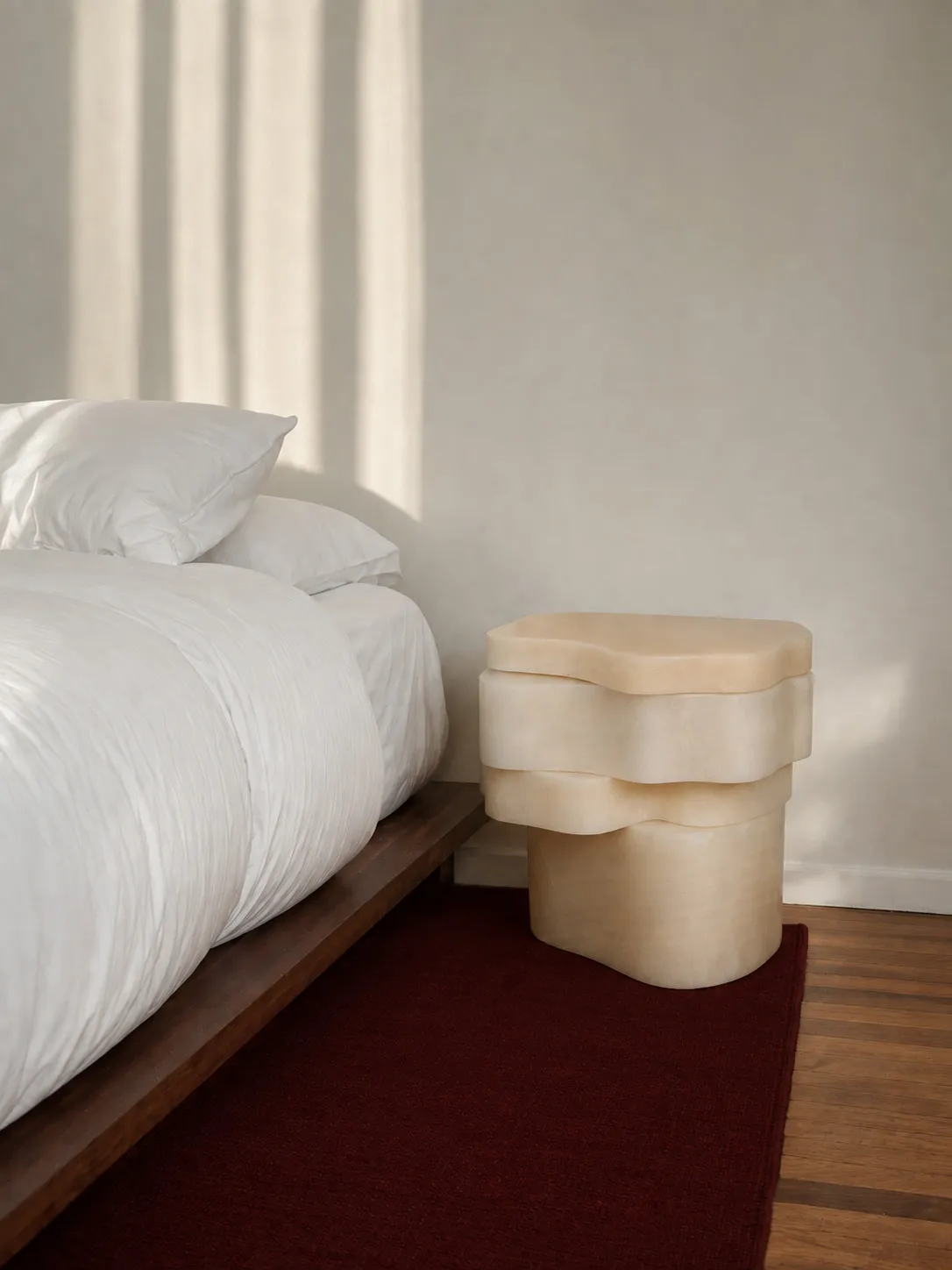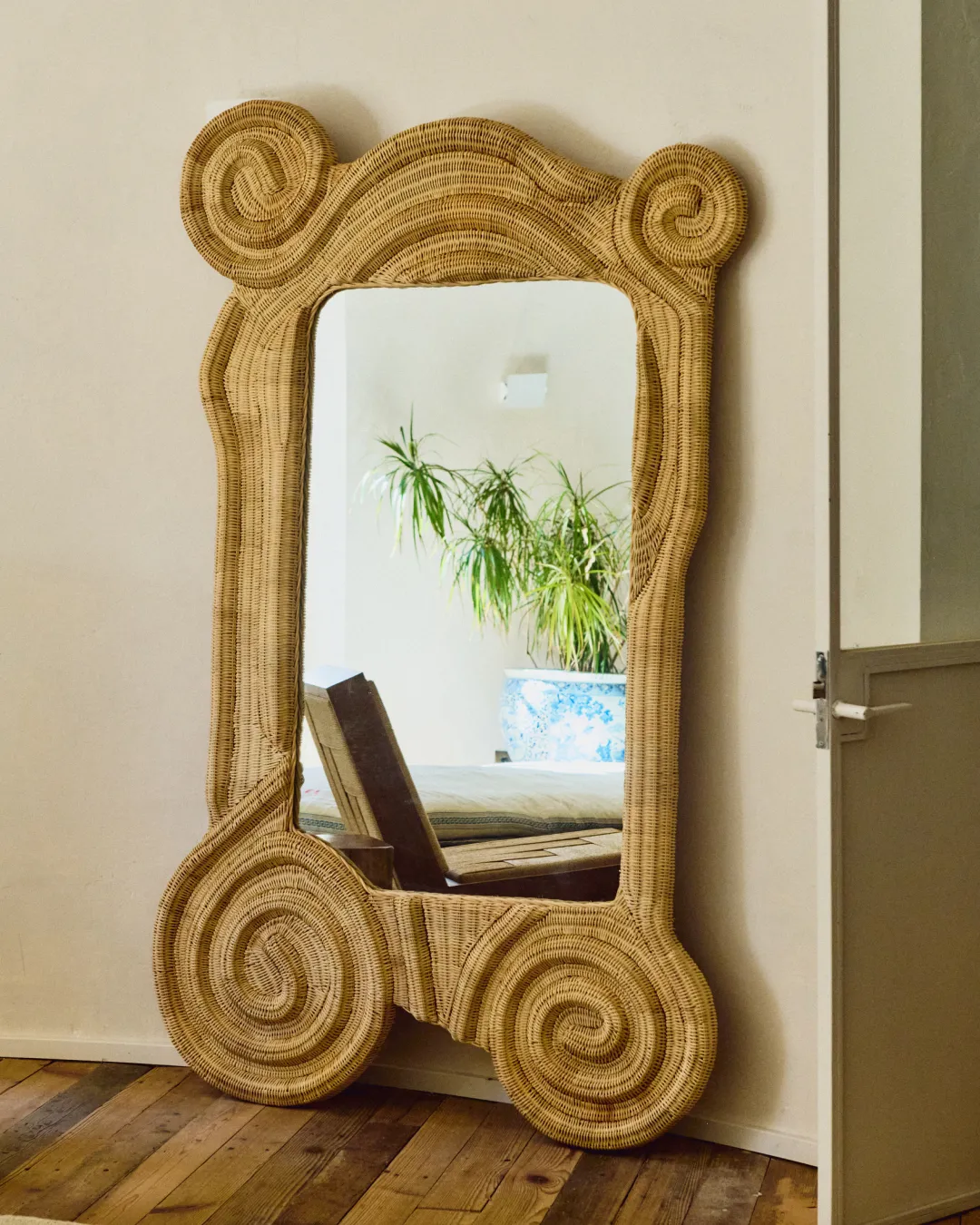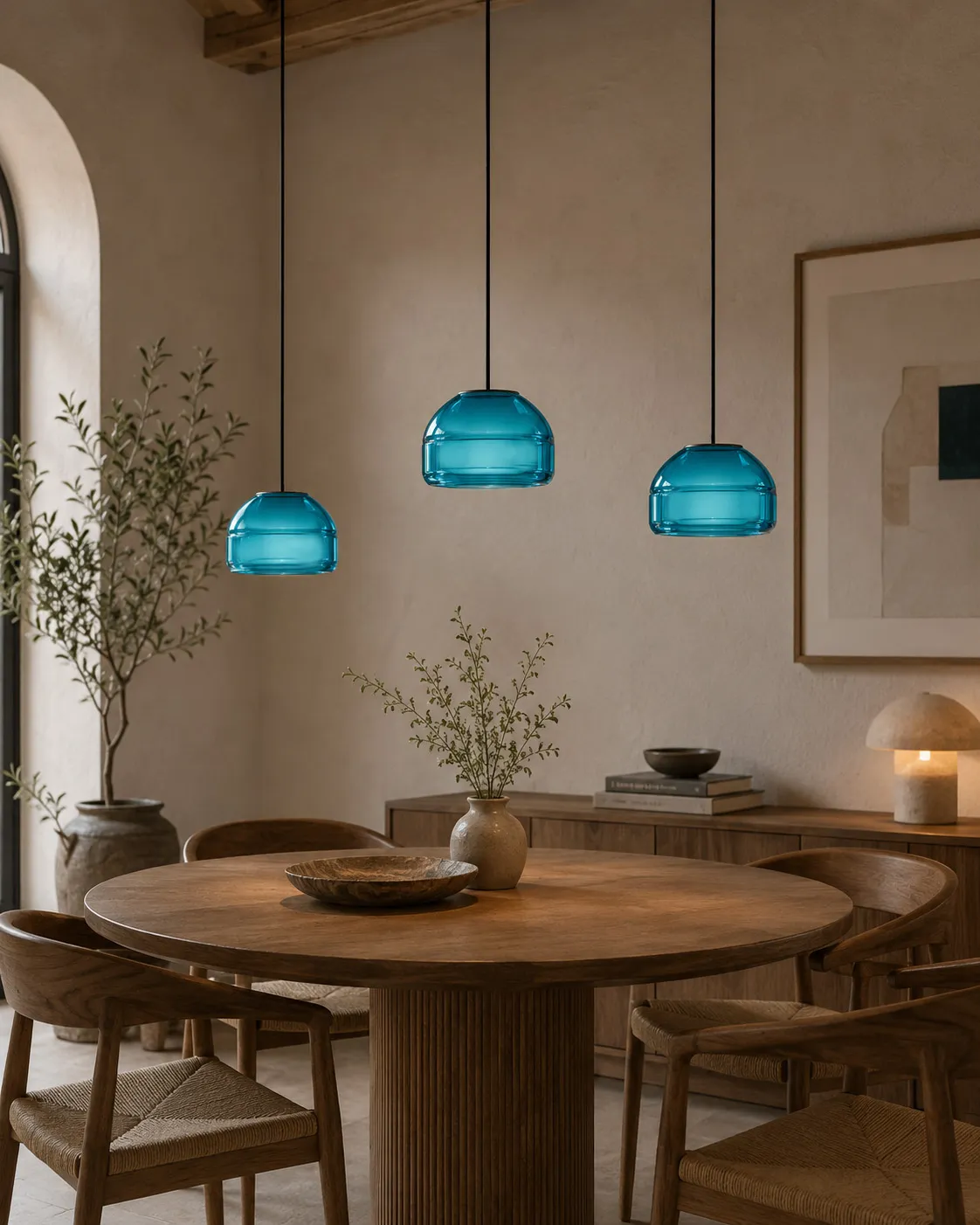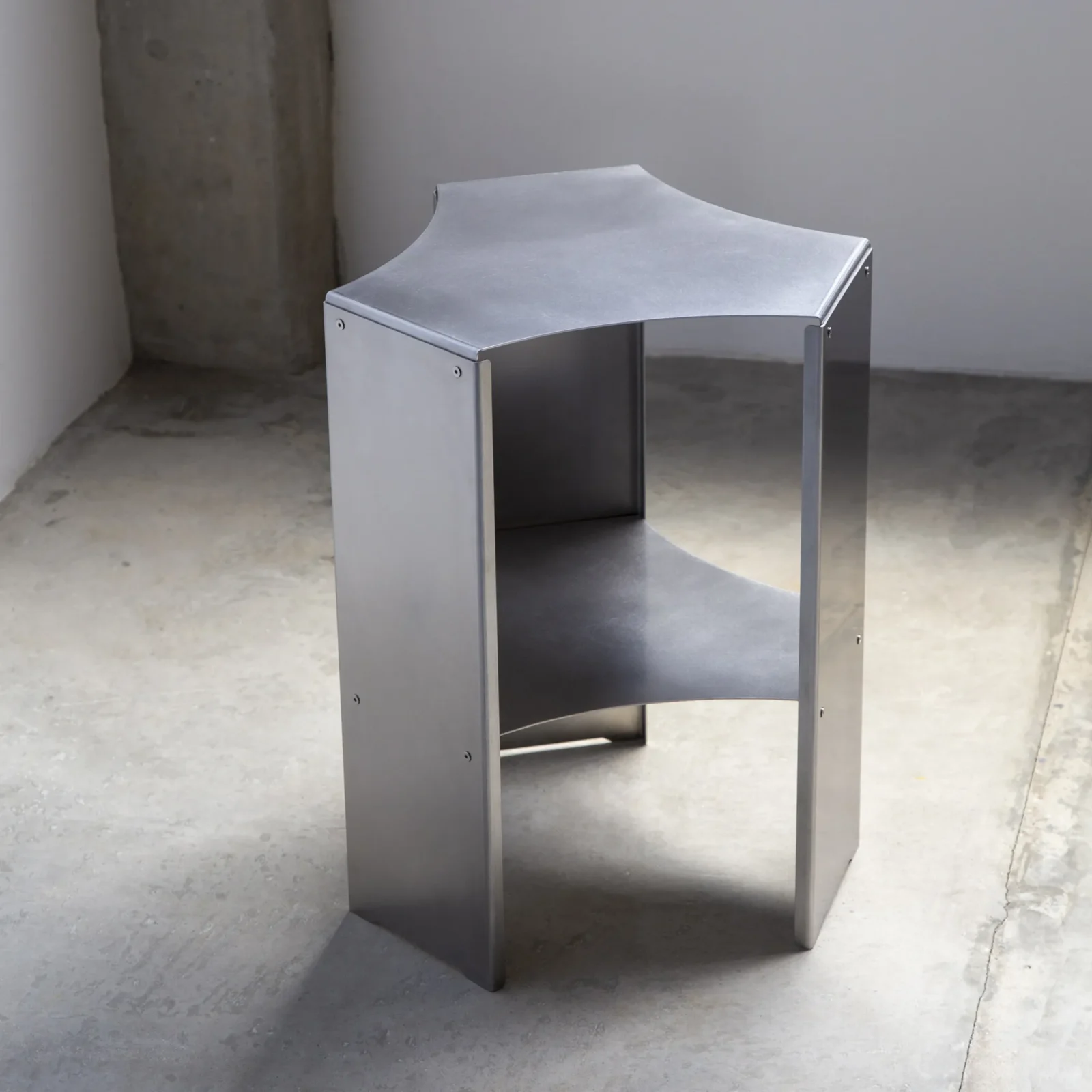
A chair can do very little, or it can do everything. The minimalist ones tend to do everything.
The term “minimalist” is among the most overused in furniture. It appears on flat-pack boxes and in marketing copy for pieces that are, at best, inexpensive and, at worst, simply plain. But there is a version of minimalism that earns its name — a reduction arrived at through genuine decision-making, where each element of the chair is there because it must be. These are the pieces that hold a room together without announcing themselves. They have presence, not volume. They are defined by what was left out as much as what remains.
Indeed, the most compelling minimalist chairs come from designers who understand that restraint is a form of effort, not an avoidance of it. The profiles are spare, the materials exposed, the joints legible. Consequently, the chair becomes an object you continue to notice — in morning light, against a plain wall, positioned at the head of a dining table. What follows is a selection of eight such pieces, each validated by real traction on ADORNO and chosen for how well they demonstrate what a minimalist chair can genuinely be.
What makes a minimalist chair
Minimalism in accent chairs is not a style so much as a discipline. The reference points are well-established — the Shaker tradition of eliminating ornament in favour of honest material and form; the postwar Bauhaus inheritance of structural clarity; the Scandinavian furniture tradition that refused to separate beauty from daily use. Notably, each of these traditions arrives at a different kind of minimalism. The Shaker chair is pared, almost austere. The Bauhaus version tends toward the geometric. The Scandinavian toward the organic and warm. What they share is the same insistence: nothing here that should not be here.
Furthermore, a minimalist chair carries a particular demand on its material. When there is no upholstery to soften, no elaborate finish to distract, the wood, steel, or bioplastic must carry the full weight of the object’s character. Grain matters. Surface matters. The quality of a joint, the arc of a backrest, the diameter of a leg — these become the whole vocabulary. As a result, minimalist chairs tend to be made by people who think carefully about both form and material in the same breath.
Types and styles of minimalist chair
Not all minimalist chairs resolve the same way. The structural minimalist — often seen in the dining chair tradition — strips the form to frame, seat, and back, leaving the joinery visible as a design element in itself. The monolithic minimalist, by contrast, treats the chair as a single continuous volume: no visible joint, no interruption of surface. Meanwhile, the material minimalist proceeds differently again — using one material throughout, allowing that consistency of substance to do the work that variety of form might otherwise do.
Then there is the accent chair that is minimalist in silhouette but conceptually charged — where the simplicity of the outline holds an idea rather than an absence of one. Several pieces in this selection belong to that last category. They are not minimalist because nothing was considered. They are minimalist because everything was.
Be Careful Chair by Ryan Mercer
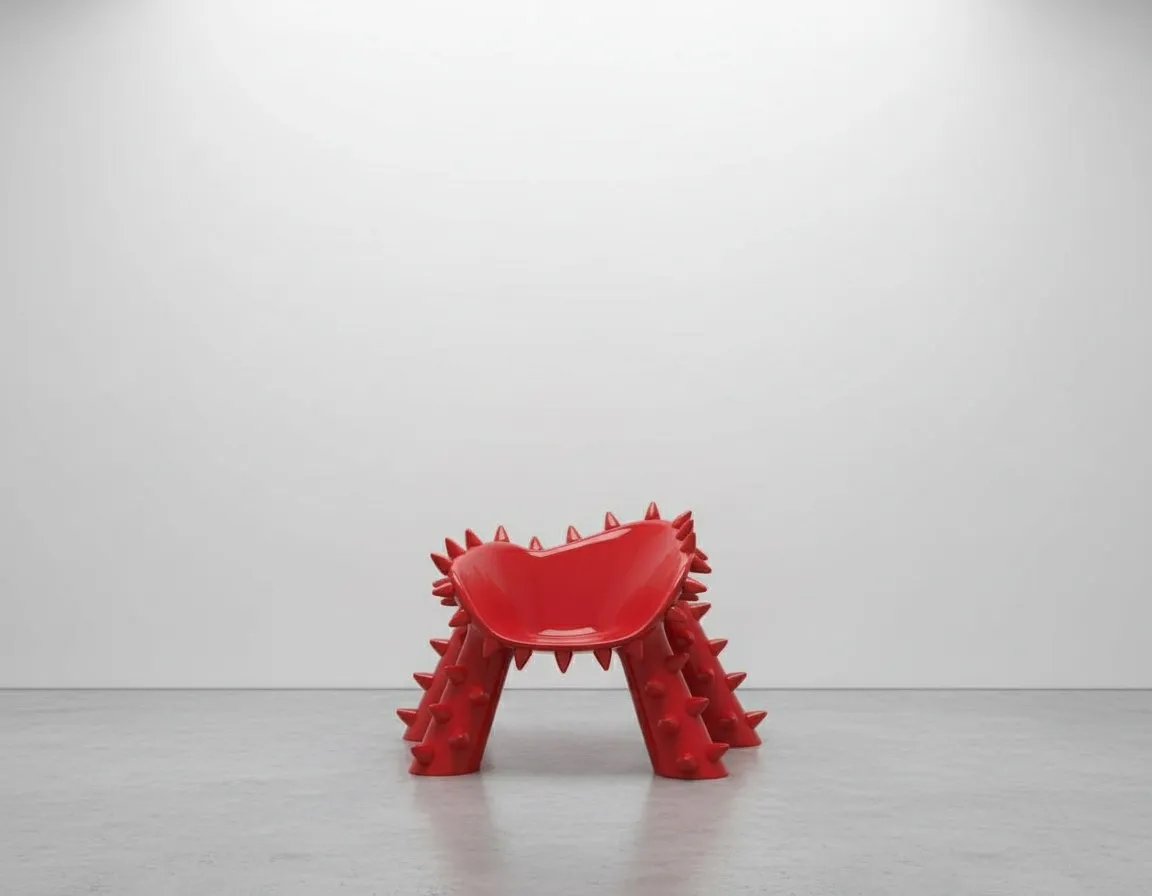
Cast in resin and finished in high-gloss, the Be Careful Chair is a 1-of-1 piece built from epoxy clay, foam, and a great deal of hand labour — each spike individually shaped, sanded, and sealed by the maker. The silhouette is, in fact, a minimalist one: a clean seat, a clean back. It is the surface that carries the tension, turning restraint of form into intensity of detail. By contrast to most chairs that invite without condition, this one holds its own terms clearly. Moreover, the name does the same work as the object — an instruction that is also a description of the experience of looking at it.
Knot – Accent Chair – Solid Ash Wood by Luis Gimeno Design

Shaped from solid ash, the Knot chair arrives from a Spanish studio that treats wood as something to be read as much as used. The backrest takes its form from the logic of a knot — a compressed, taut gesture held in timber. Each chair is assembled and finished by hand, which means the grain falls differently from piece to piece, and the warm walnut tone carries the variation that makes wood worth working with. Notably, the structure is completely legible: no hidden fixings, no applied surface, nothing between the material and the room. Accordingly, it sits well in spare living room or dining room settings where a single chair carries real weight.
Gi Armchair by PROSA
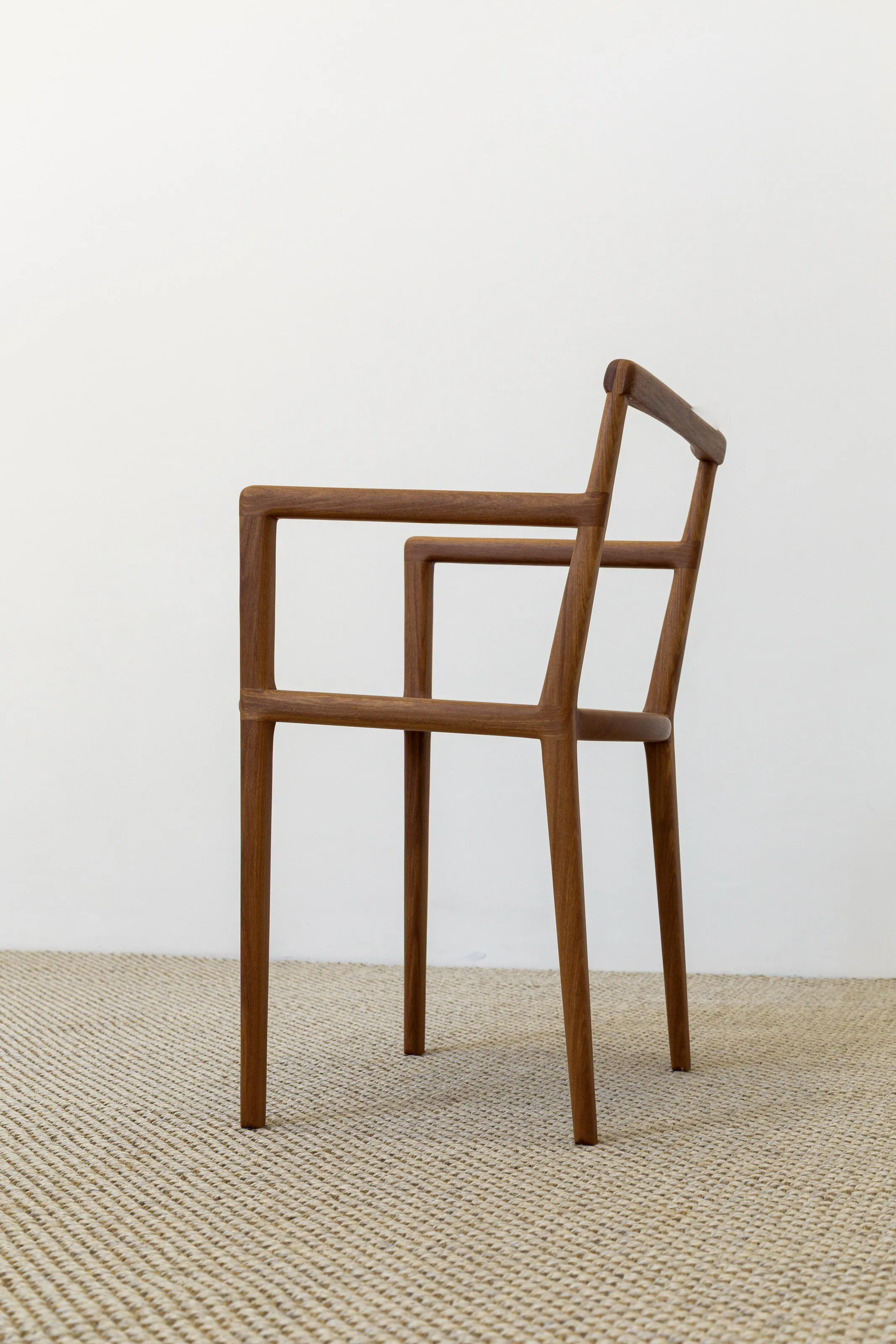
The Gi Armchair, first shown at São Paulo Design Week 2022, is built entirely through traditional joinery — no fasteners, no adhesives beyond what the wood demands. The frame is slender and rounded, pushing against the limits of what timber can hold without breaking the minimalist silhouette. Armrests arrive in this latest edition, extending the gesture of the seat outward without disrupting the overall lightness of the form. Furthermore, the proportions are considered closely: the chair is small enough to avoid dominating a room, yet resolved enough to anchor a corner or a dining table setting. Indeed, it is the kind of piece that reads clearly from across a room while revealing more the closer you sit to it. Made in contemporary Brazil, available in solid wood.
La Curva – Minimalist Wood Chair by Jaclyn Pappalardo
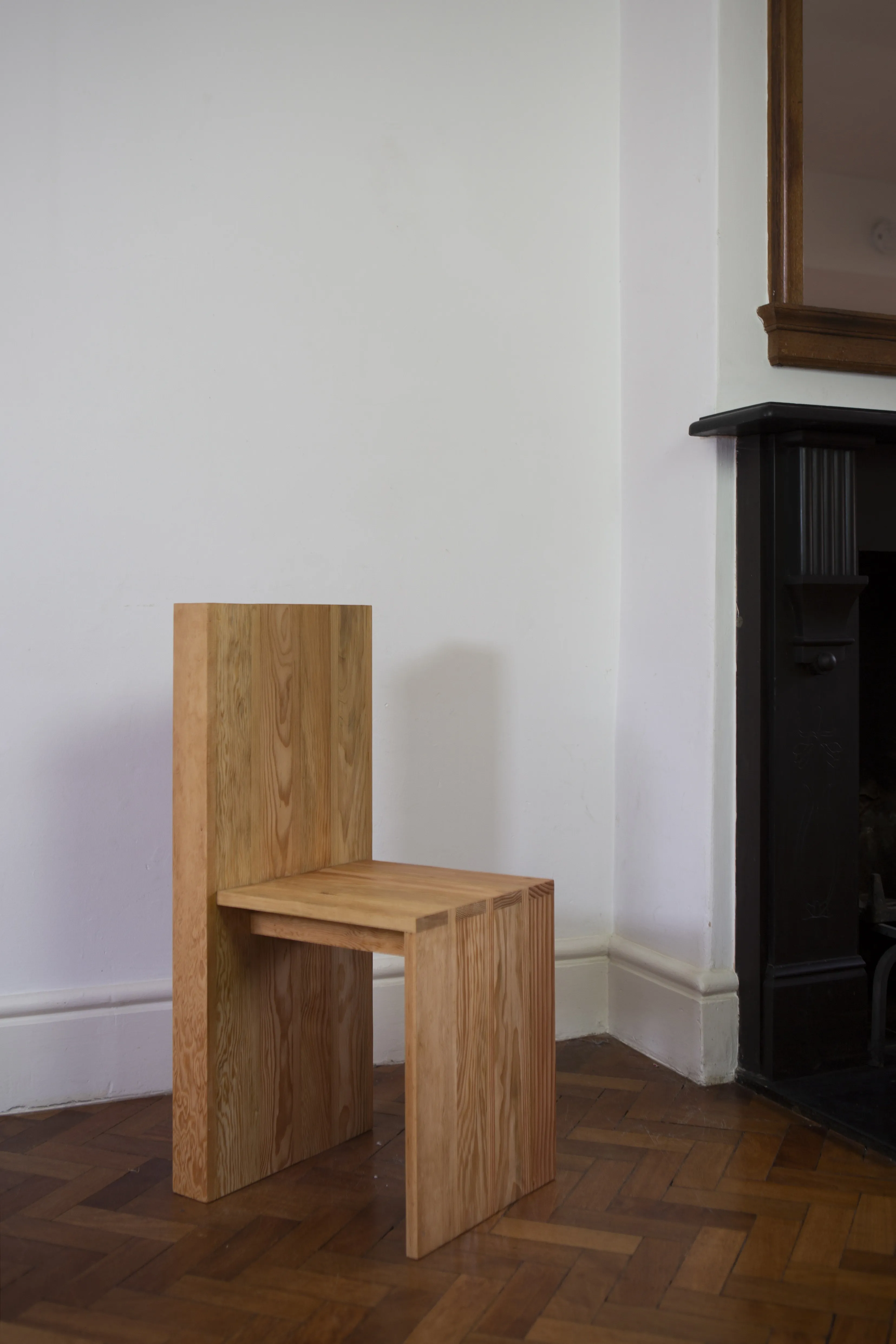
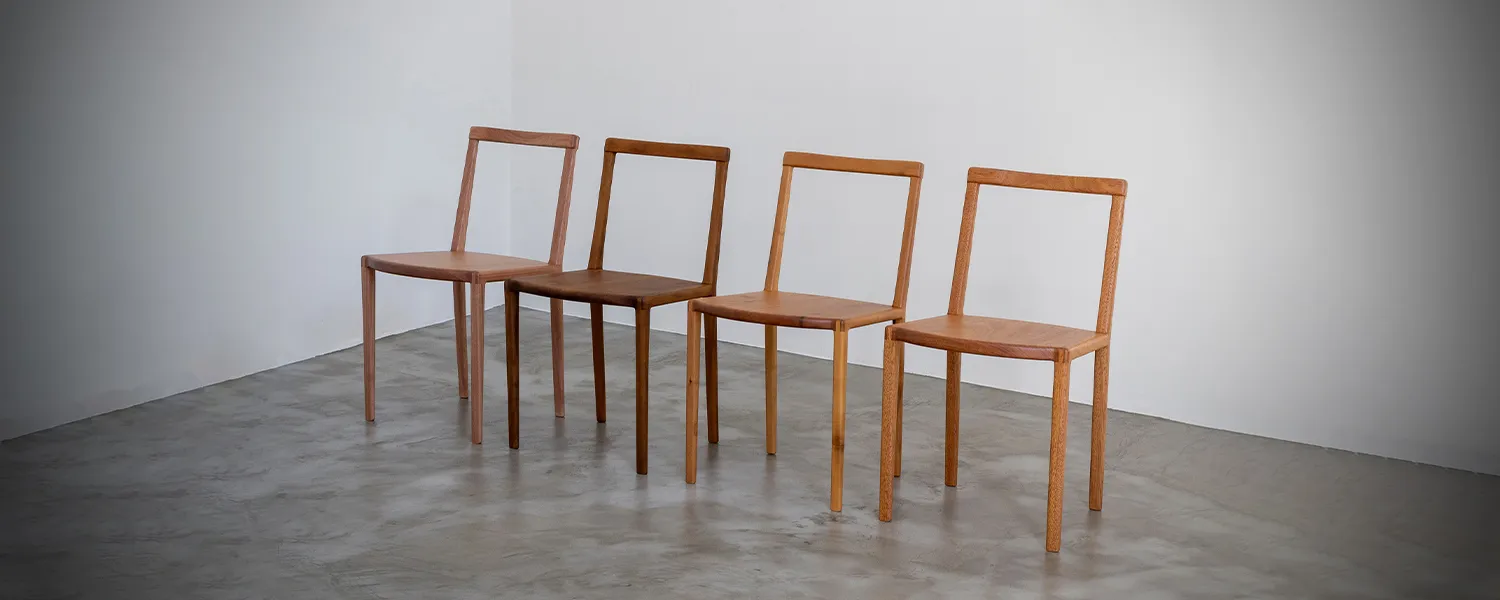
La Curva emerged from research into the role of chairs in cinema — specifically, how a seat can communicate character before anyone sits in it. Jaclyn Pappalardo took that idea and built a chair around the profile of a human sitting: the L-shaped leg, the elevated backrest, the silhouette that the body implies rather than the body itself. The result is a modular wood chair that repeats a single linear form in sequence, generating depth through repetition rather than variation. In other words, it is a piece that knows exactly what it is doing, and does it consistently. Consequently, it sits with equal ease in bedroom corners, beside tables, or as a standalone object in a pared interior.
Sedia Quadra Natural by Edoardo Lietti Studio
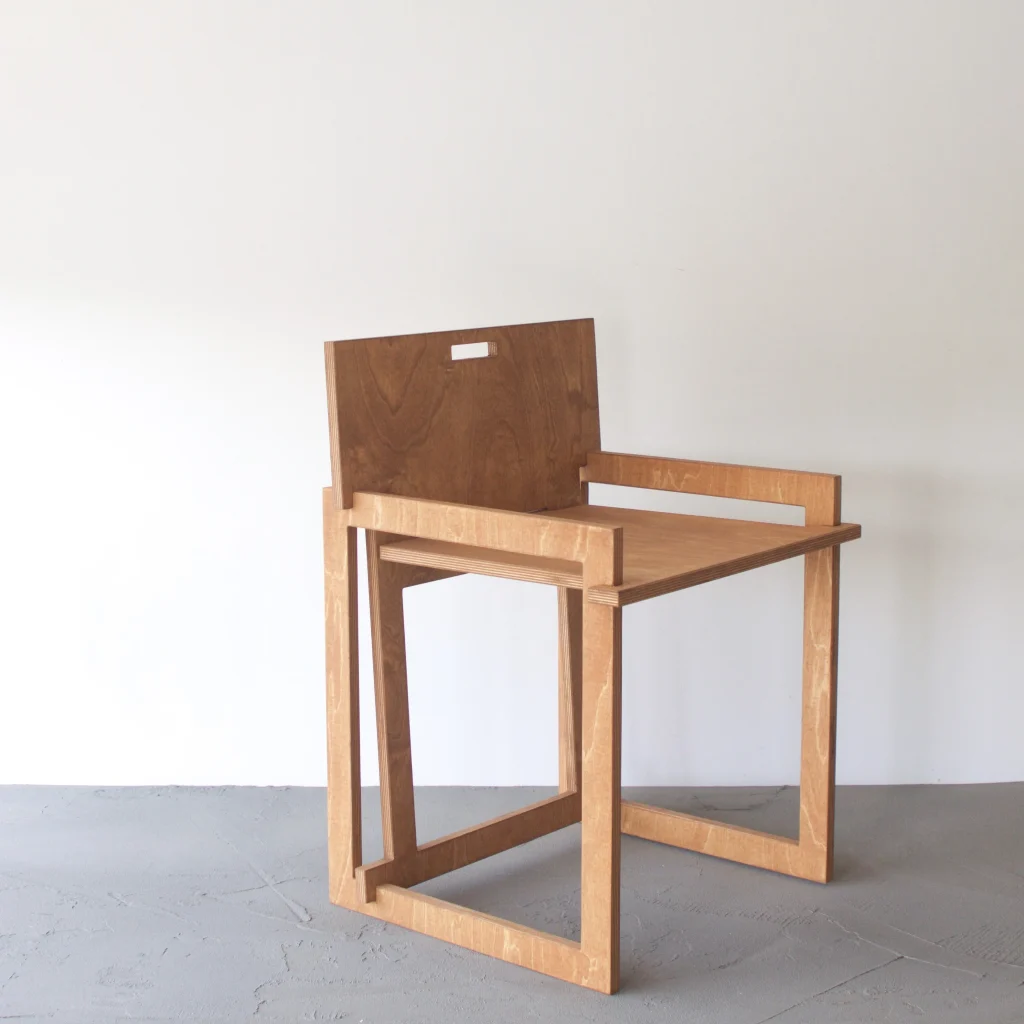
The Edoardo Lietti dining chair is built on a minimal form composed of sharp, geometric squares where every single element proves essential to its joinery. That precision is the whole idea: an ingenious slotting system that rejects excess hardware to grant the freedom of easy disassembly and effortless flexibility. Notably, the birch plywood is stained with natural pigments, allowing an organic depth of tone that shifts under different lighting conditions. Self-manufactured in a process that shapes each object into a unique piece of contemporary design, it stands as a rare balance of functional engineering and collectible artistry. It is among the more accessible collectible chairs currently available on ADORNO.
Ginkgo Chair – Natural by Luke Crouch Studio
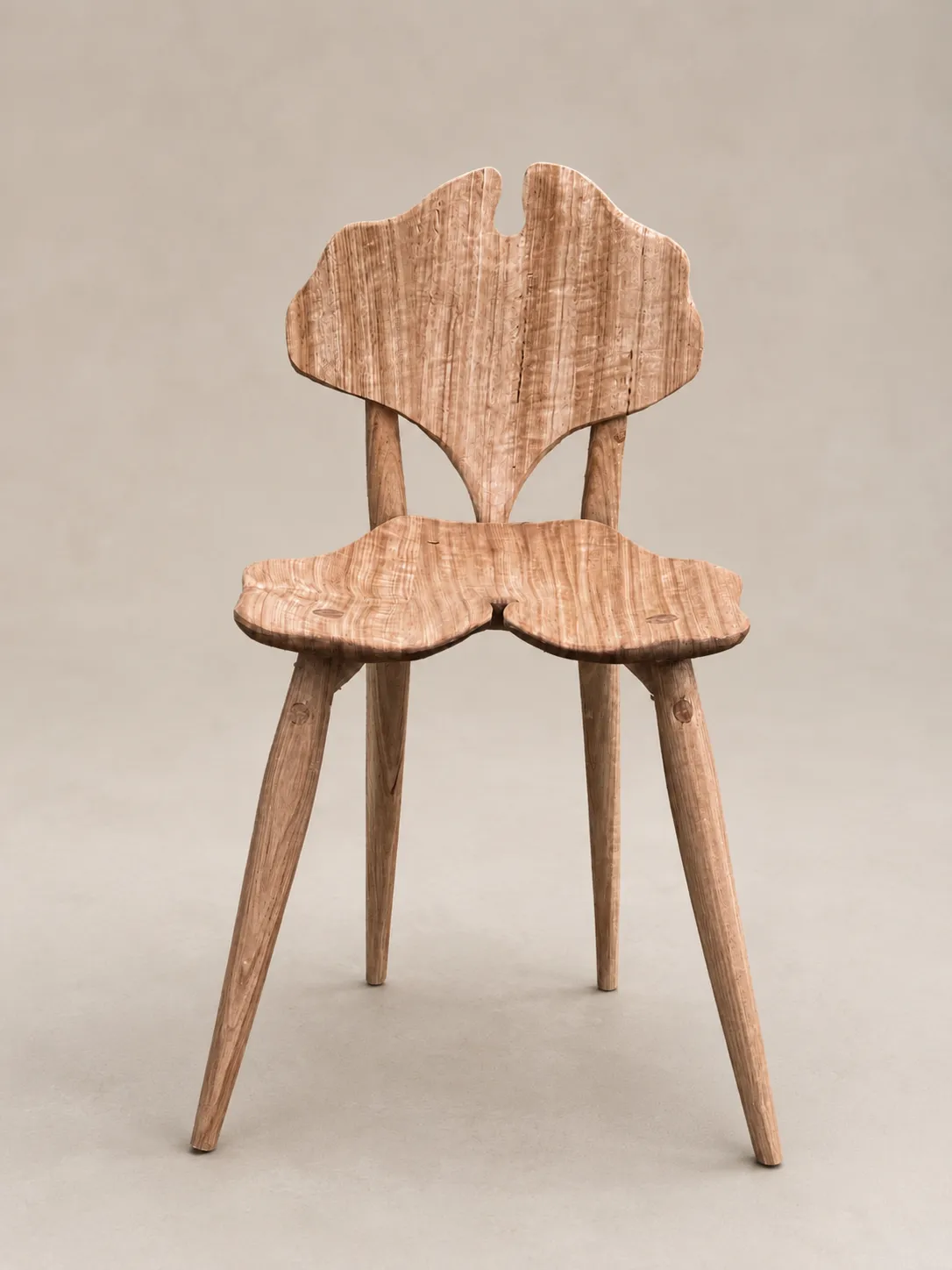
Cut and shaped from solid Australian hardwood using hand tools — axe, adze, spokeshave, rasp, chisel, hand plane — the Ginkgo Chair builds up through gradual subtraction rather than industrial assembly. The backrest is a broad, softened plane, botanical in suggestion and structural in function, held within a frame of tapered legs and visible rungs. The seat carries carved hollows that allow comfort to come from the shape of the wood itself, rather than from padding placed over it. As a result, the chair has weight and particularity in equal measure: each one is slightly different, because the process requires it. Made individually to order, it suits dining, residential, and hospitality settings where a long-term presence is expected from the seating. As Dezeen has noted, hand-tool chairmaking is seeing a sustained renewal — the Ginkgo is a clear example of why.
Heimatlos Chair by em ef studio
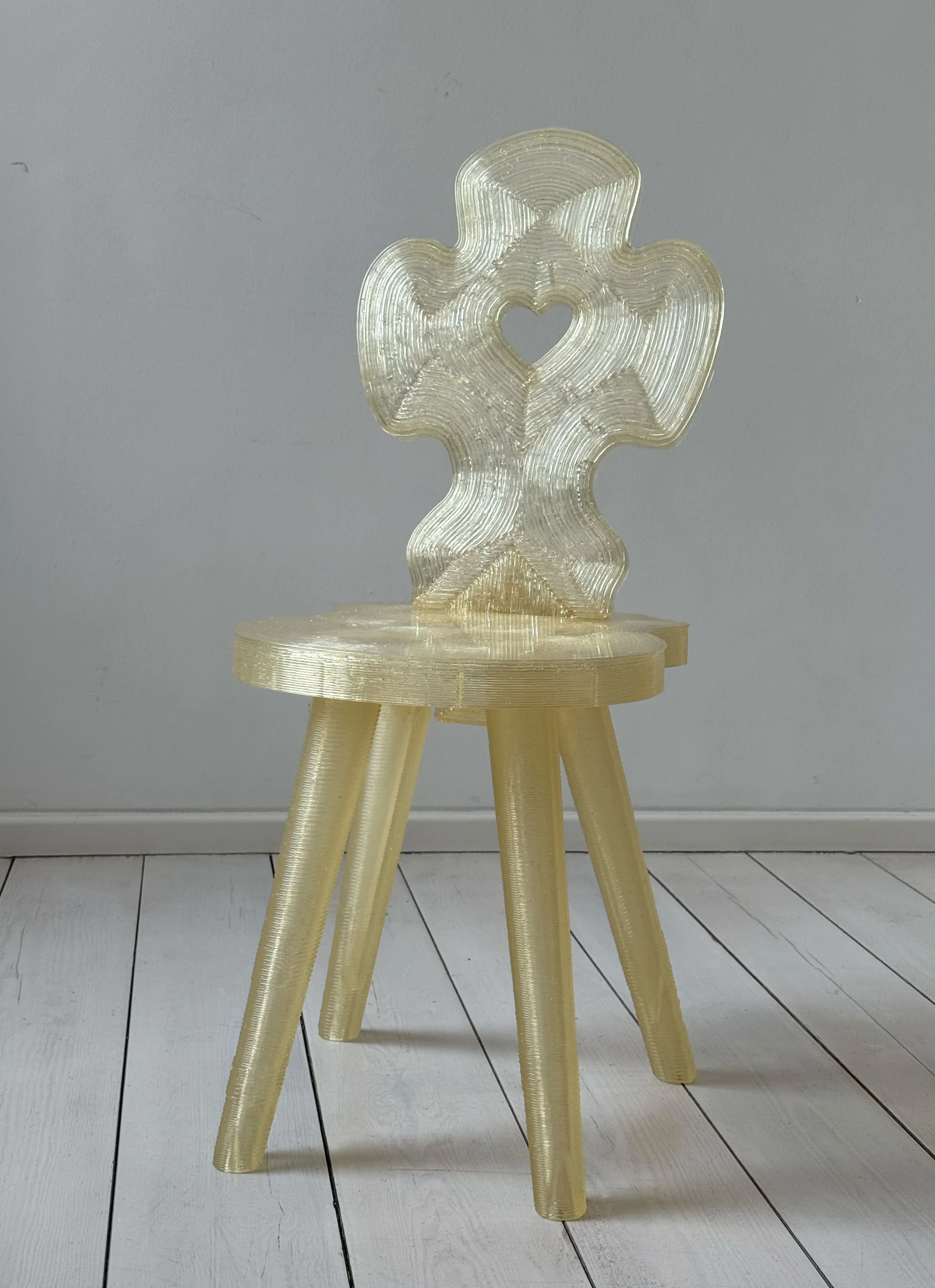
The Heimatlos — the name translates, loosely, as “chair with no roots” — is made from biodegradable PLA through precision 3D printing, its surface covered in fine rhythmic grooves that give it a near-ceramic appearance. Em Ef Studio draws directly on traditional construction principles and reinterprets them through digital fabrication: the form arrives in three interlocking elements, recalling joinery without using it. Meanwhile, the matte finish in natural tone keeps the overall presence calm — this is not a piece that announces its technology, but one that uses technology to arrive at something that looks and reads as quiet as a farmer’s chair. Notably, it arrives in one piece, requires no assembly, and holds up to 90 kg. Three pieces are currently available on ADORNO.
Stingray Dining Chair by Assimply Studio

Assimply Studio’s first dining chair takes its geometry from the movement of a stingray — the continuous sweep of the body as it turns in water — and translates that into a wood form where the armrests flow from the front legs in an uninterrupted line. A single rear leg anchors the structure from behind, acting as a backbone that reinforces rather than interrupts the overall lightness of the silhouette. The elliptical profiles are deliberate: generous in cross-section where strength is needed, tapered where the eye expects ease. Made from Brazilian hardwoods — Jequitibá, Tauari, or ebanized variants — the piece arrives as a study in how a single flowing gesture can carry both structural logic and a distinctly minimalist presence. A first-exposure piece deserving attention.
How to choose a minimalist chair
The first question is whether the chair is a single object or one of many. A lone accent chair in a living room can carry more visual weight than a sofa, because the room arranges itself around it. In that context, a chair with a strong silhouette — a pronounced backrest, an unusual material, a singular leg structure — earns its placement. By contrast, if you are furnishing six places at a dining table, the chair needs to recede slightly: present, well-made, but not competing with conversation or food.
Material is the second consideration. Wood is the most forgiving in minimalist seating — it carries warmth even in stripped-back forms, and it ages in ways that add rather than subtract from its presence. Steel and metal read as harder and more architectural; suited to industrial or contemporary interiors with concrete floors or bare walls. Bioplastic and 3D-printed forms occupy a newer register — quieter than metal, but without the grain warmth of timber.
Furthermore, consider proportion against the room rather than against other chairs. A generous seat with a low back disappears in a high-ceilinged space. A slender, tall-backed chair holds its presence better in rooms with volume above. Specifically, the height of the backrest relative to the wall behind it is worth testing before committing — a chair that reads as minimalist in a showroom may read as fragile in an open-plan room if the proportions are mismatched to the architecture. Therefore, measure the room as carefully as you assess the chair.
Materials and construction
The most common materials in collectible minimalist chairs are solid hardwood, steel, and increasingly, bio-based or recycled materials. Among hardwoods, ash offers a tight grain and consistent warmth; oak is denser and more pronounced in figure; teak carries natural oils that make it particularly durable in variable humidity. Australian hardwoods — eucalyptus and related species — are denser still and respond well to hand-tool shaping, which is why they appear frequently in slow-made, artisanal seating.
Construction method matters as much as material. Traditional joinery — mortise and tenon, wedged through-tenons, drawbored pegs — produces chairs that tighten under load and improve with time. They are repairable: a loose joint can be re-glued, a worn rung replaced. By contrast, chairs that rely on fasteners or adhesives as structural elements tend to loosen rather than tighten with use. The best minimalist chairs, therefore, treat joinery as part of the visual language: the joint is not hidden but expressed, because it is part of what makes the chair worth looking at.
Meanwhile, newer materials like biodegradable PLA — used in the Heimatlos, for example — represent a different construction logic entirely. The chair is not assembled but grown, layer by layer, from a digital file. The result is a single continuous form with no joint to fail. This is not weaker than joinery; it is simply different — and it opens formal possibilities that traditional construction cannot reach.
Where to place a minimalist chair
In a living room, a single minimalist chair positioned away from the main sofa creates a reading corner or a point of rest that is distinctly apart from the central gathering. It works best placed against a wall or beside a window, where the silhouette is readable in full. Adding a side table at the correct height, and a floor lamp behind or beside it, turns the chair into a settled zone rather than an orphaned object. The chair’s material should echo something else already in the room — a wood floor, a light fitting, a vase — without matching it exactly.
In a dining room, a minimalist dining chair gives the table more visual air. Upholstered chairs bulk out a table; pared-back ones let the table form — its edge, its material, its legs — remain legible. If the table is marble or stone, a wood chair softens the contrast. If the table is pale oak, a chair in a contrasting material or darker tone adds definition. Specifically, the relationship between seat height and table height is non-negotiable: a seat at 45 cm typically suits a table at 75–76 cm. Check both before ordering.
In a bedroom, a minimalist chair placed at the foot of the bed or in a corner takes on a different function entirely — less about sitting, more about presence. It becomes the thing you drape clothes over, or the place you pause before sleep. In that context, a chair with a warm material and a form that holds still reads better than one that demands attention. A lounge chair at a lower seat height often suits the bedroom register more naturally than a dining chair form.
Caring for a minimalist chair
Checking and tightening joints
Solid wood chairs expand and contract with seasonal humidity changes. Joints that are tight in winter may develop slight movement in dry summer conditions. A loose joint is not a failure: it is the chair telling you something. Apply a small amount of wood glue to a loose mortise-and-tenon joint, clamp lightly, and allow to cure fully before use. Do not apply glue to a joint that is still wet from cleaning — wait until the wood is dry throughout. Similarly, wedged through-tenon joints can be re-tightened by tapping the wedge deeper with a mallet; this is by design, not a repair.
Protecting the surface
Most collectible chairs in this range are finished with hardwax oil, matte lacquer, or left with a natural oiled surface. Hardwax oil finishes can be spot-renewed with the same product: lightly sand the affected area with fine-grit paper, apply a thin coat, allow to cure. Avoid silicone-based polishes, which build up over time and obscure the surface character of the wood. For unfinished or naturally oiled wood, a seasonal application of linseed or Danish oil keeps the surface from drying out, particularly in centrally heated rooms.
Felt pads and floor protection
All four-legged chairs should have felt pads fitted to the base of each leg before the chair is placed on any hard floor. For chairs with tapered or shaped legs — where the contact point is a small curved surface rather than a flat base — adhesive felt discs cut to match the contact area work better than pre-cut pads. Check these every few months; felt compresses with use and loses effectiveness. On stone or tile floors, heavier rubber or cork pads provide better grip and protect the floor finish more effectively than felt alone.
Weight limits and daily use
Most solid wood chairs are designed for loads in the 100–120 kg range unless specified otherwise. The Heimatlos Chair, made from biodegradable PLA, carries a stated maximum of 90 kg. If a chair will see intensive daily use — as a primary dining or desk chair — check the stated weight rating and construction method before committing. Chairs joined exclusively through traditional joinery and not reinforced with metal brackets will flex more under dynamic load, which is normal; chairs that creak under static load may need joint attention. Consequently, a chair you live in daily deserves the same periodic inspection as any other piece of structure.
Caring for woven or braided seats
For chairs with woven paper rope or natural fibre seats — the Boni Dining Chair, for example — avoid sustained moisture exposure, which can soften and distort the weave over time. Clean with a lightly damp cloth and allow to dry fully in ventilated conditions before using the chair again. Woven seats that have loosened from extended use can sometimes be re-tensioned by a furniture restorer, but replacement is the more reliable option if the weave has broken or significantly distorted. As a result, these chairs suit dining rooms and living rooms rather than kitchens or spaces with high humidity.
Frequently asked questions
What is a minimalist chair?
A minimalist chair is one where the form has been reduced to what is necessary — structurally and visually — without loss of either comfort or character. It is not the same as a plain chair. The distinction is intention: a minimalist chair has been designed to be exactly what it is, through deliberate removal of everything that was not required. The best examples tend to be made by studios with a clear material position and a willingness to let the chair hold the room with very little.
What wood is best for a minimalist chair?
There is no single best wood. Ash is tight-grained and warm, well-suited to joinery-led chairs. Oak is denser with a more visible figure, appropriate where the grain itself is meant to be part of the visual language. Teak and tropical hardwoods are naturally durable and suited to humid conditions. Australian hardwoods respond well to hand shaping. The choice should follow the character of the piece: a highly geometric chair often suits a close-grained timber; a more organic, hand-shaped form benefits from a wood with a readable, variable grain.
Is a minimalist chair comfortable to sit in?
Yes — though comfort in minimalist seating comes from form rather than padding. A well-proportioned seat pan, a backrest pitched at the correct angle, and a seat height appropriate to the intended use (dining: 44–47 cm; lounge: 38–42 cm) will produce a comfortable chair without upholstery. Carved seat hollows, as used in hand-shaped pieces like the Ginkgo Chair, distribute weight across a larger surface and reduce point pressure. The Gi Armchair uses traditional joinery to achieve a backrest that sits at the natural angle of a resting spine. Comfort in these pieces is engineered; it is simply engineered through geometry rather than foam.
How do I clean a minimalist wood chair?
Use a lightly damp cloth and, if necessary, a small amount of mild soap diluted in water. Avoid soaking the surface, and dry immediately with a clean cloth after wiping. Do not use bleach, abrasive cleaners, or solvent-based products, which strip the surface treatment and can raise the grain. For chairs finished with hardwax oil, a light annual re-oiling keeps the surface alive. For lacquered chairs, cleaning alone is usually sufficient — the lacquer acts as a sealed barrier that requires no maintenance beyond periodic wiping.
Can a minimalist chair work in a maximalist interior?
Often, yes — and frequently more effectively than a heavily decorated chair would. A spare, well-proportioned chair introduces a point of visual rest in a dense interior, giving the eye a place to settle between more elaborate objects. The contrast tends to read as deliberate. By contrast, placing a maximalist chair in a maximalist room can flatten everything to the same register. A minimalist accent chair beside a richly patterned rug or a heavily draped window carries its own weight in the composition precisely because it does not compete.
What is a standard seat height for a dining chair?
The standard seat height for a dining chair is 44–47 cm, designed to pair with a table at 75–76 cm. This allows the thigh to rest roughly parallel to the floor with the feet flat, and the forearm to rest naturally on the table surface without shoulder elevation. For taller tables — counter height at 90–91 cm or bar height at 100–105 cm — the appropriate seat height rises to 60–65 cm or 73–78 cm respectively. Always confirm seat height against your table before ordering, particularly with made-to-order pieces where changes after production are not possible.