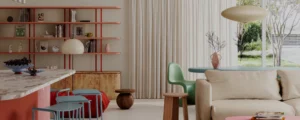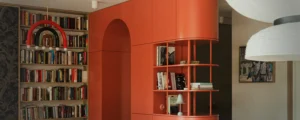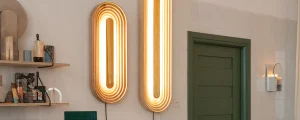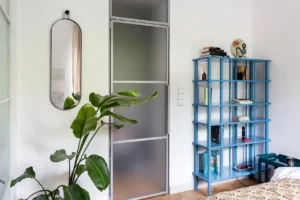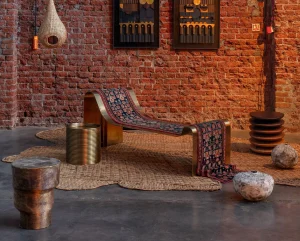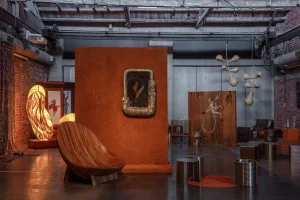
In Seoul, a 600-year-old palace and a glass tower can share the same street. Korean design works the same way.
Contemporary Korean design lives between two speeds. On one side are centuries-old crafts such as hanji paper, lacquer and mother-of-pearl inlay; on the other, a manufacturing culture known for speed, precision and new materials. The most interesting designers move freely between the two.
Below, ADORNO looks at how tradition meets new materials in Korean design, revisits its conversation with Seoul designer Greem Jeong, and picks five Korean pieces available now.
What defines Korean design today?
Korean design draws on a long craft heritage: hanji, a strong mulberry paper; lacquerware; and najeonchilgi, the art of inlaying mother-of-pearl into lacquer. Designers now reinterpret these through resin, aluminum, plywood and 3D printing. The scene has gained global attention, from the first Design Miami Seoul to ADORNO’s own look at why Korean design is the next global obsession.
Tradition meets new materials: Greem Jeong
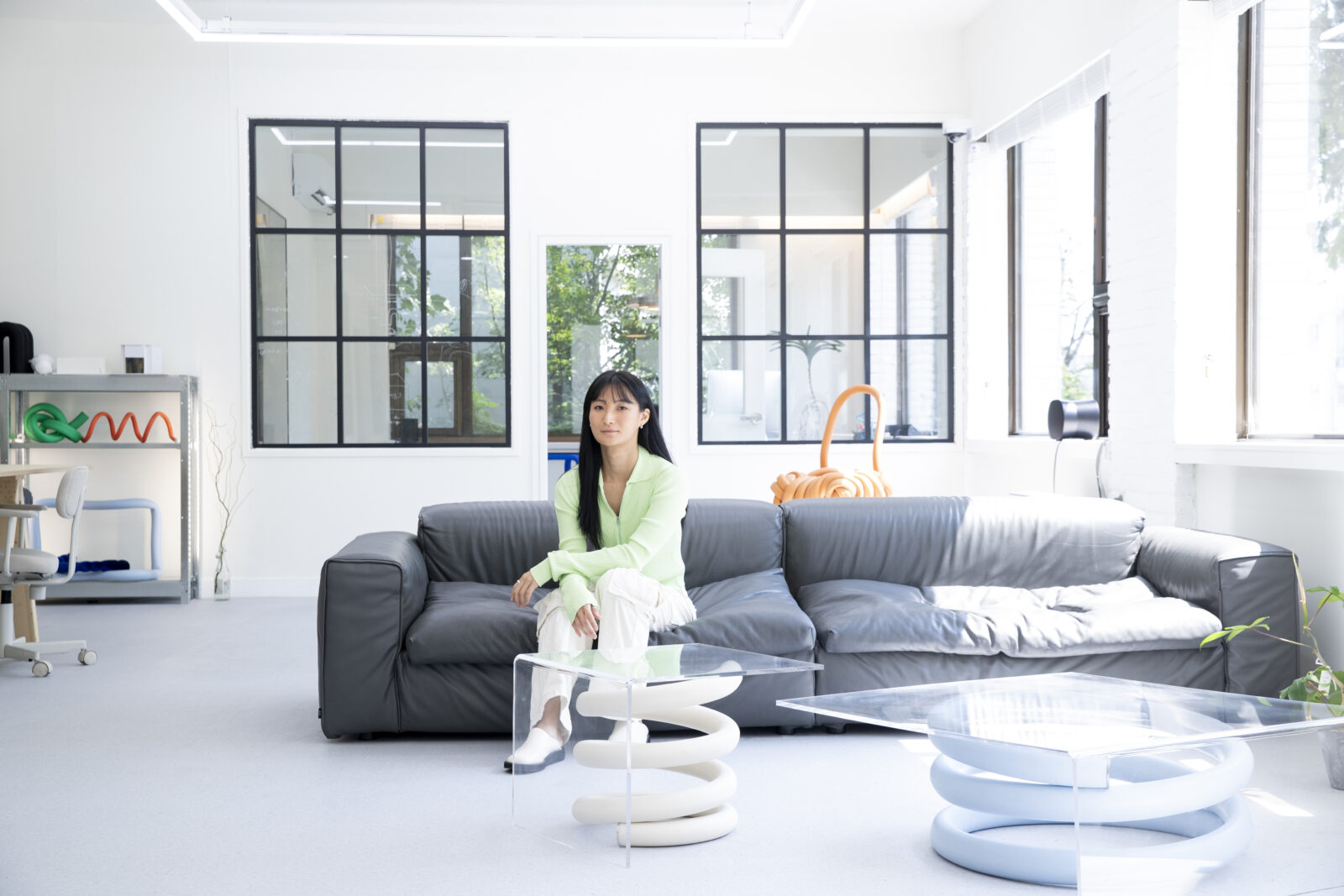
Seoul designer Greem Jeong lives in a hanok near Gyeongbokgung Palace and works with industrial materials. “Traditional elements need not be seen as outdated but can be utilized to create new value,” she told ADORNO. The city itself drives her: it is “always dynamic, trying to pursue new things,” and she describes Seoul as “a city where you can always feel a dynamic and youthful energy,” energy she channels into constant experiment, from ceramics and acrylic to glass, marble, metals and 3D printing. After studying in France, she found that Korea’s makers could bring her ideas to life: “the well-established manufacturing companies and craftsmen’s quick and clear feedback is very helpful in testing and actualizing ideas.”
Her Mono series turned industrial silicone tubes, normally hidden inside walls, into furniture that looks like a line in motion. “In contrast to their strong visual presence, I thought their soft texture would convey both unexpectedness and freshness to the audience,” she explained. Rather than starting from a chair, she began with “something you can sit on,” letting lines gather into surfaces and flow back into lines.
Next, Jeong is turning to najeonchilgi, the mother-of-pearl inlay she showed at a solo exhibition in Seoul. “I believe this technique, which embodies the essence of Korean traditional crafts, has the potential to further emphasize my identity and originality as a Korean,” she said. Her Mono pieces are no longer available on ADORNO, yet the same meeting of tradition and new materials runs through the pieces below.
Korean materials to know
Hanji. Made from the inner bark of the mulberry tree, hanji is strong, light and slightly translucent. Traditionally used for doors and windows in hanok houses, it now appears in paper lamps, screens and, blended with resin, in vases and tables.
Lacquer and mother-of-pearl. Korean lacquer, or ottchil, is made from tree sap and builds a deep, durable surface. Inlaid with iridescent shell, it becomes najeonchilgi, one of the country’s most celebrated crafts, which contemporary designers are now bringing to furniture and objects.
Wood and plywood. Korean furniture has long favored honest wood joinery. Today, designers push that further, turning layered plywood on a lathe or pairing pale ash with steel.
Metal and new materials. Korea’s manufacturing strength shows in precision-machined aluminum, polished stainless steel, 3D printing and resin. As Greem Jeong put it, Korea places “a lot of importance on strict standards and discipline,” and many studios turn that precision into a signature.
5 Korean design pieces to collect now
From hanji wall lamps to turned plywood stools, each of these pieces comes from a different Korean studio.
Biiit 010 Wall Sconce in Paper and Brass by Bo Ah Kim
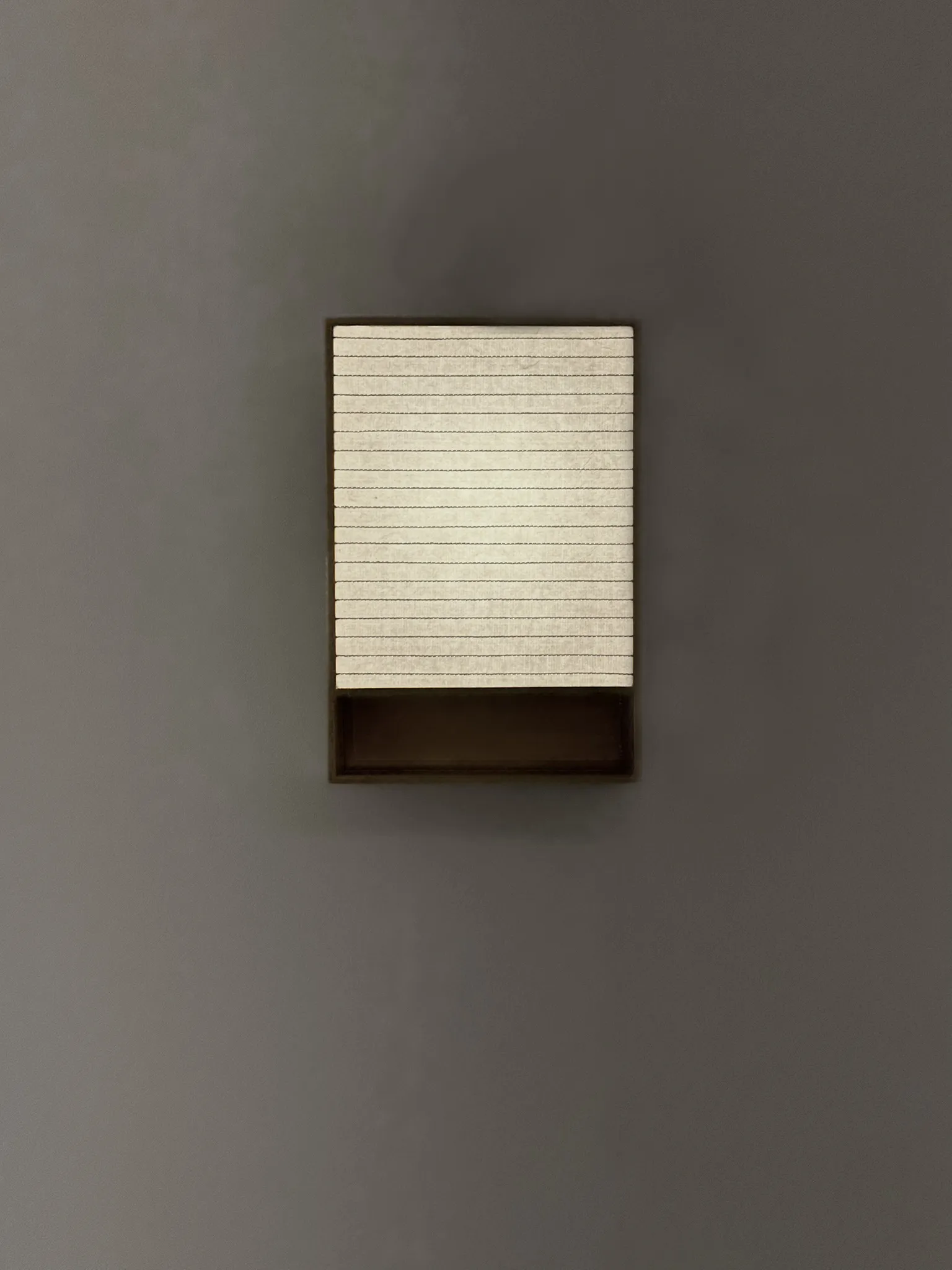
A brushed brass frame holds a glowing screen of hanji, Korean mulberry paper, marked with fine parallel lines. Traditional paper becomes a precise, architectural light, and the empty lower section lets shadow play its part.
By Bo Ah Kim
€1.400 incl. tax
Opaque Weight – Vase 3p by Sangwoo Son

Sangwoo Son blends hanji with synthetic resin to capture the feeling of morning mist, solid yet soft. A slender glass tube holds a single stem, and light shifts through the translucent layers through the day.
By Sangwoo Son
€300 incl. tax
Ply Stool – Birch Plywood by STUDIO KIMBYUNGSUB

Byungsub Kim turns stacked birch plywood on a lathe, so a flat industrial sheet takes on the look of carved solid wood. The layered edges become the decoration, like growth rings revealed by the chisel.
By STUDIO KIMBYUNGSUB
€850 incl. tax
Ash Tray – Solid Aluminum by PRACTICE

Machined from solid aluminum blocks and assembled with bolts, this ashtray shows the industrial precision Greem Jeong describes in Korean making. It works just as well as a catch-all for rings and keys.
By PRACTICE
€150 incl. tax
Lullaby and Promenade High Table Lamp in Resin by BDCI

A 3D-printed cradle shaped like a birdcage charges BDCI’s wireless resin orb, finished with a hand-made ring in sterling silver. The silver gives the piece what BDCI calls “a sense of an ancient future,” a phrase that sums up much of Korean design today.
By BDCI
€2.200 incl. tax
How to bring Korean design home
Korean interiors often value restraint, natural light and a few carefully chosen objects. Start with one material story, such as hanji or pale wood, and give it space. Pair a traditional material with a precise industrial one, a paper lamp beside an aluminum tray, so each sharpens the other. Finally, think about light: translucent paper and resin look best where daylight or a lamp can pass through them.
Frequently asked questions
What is najeonchilgi?
A traditional Korean craft in which thin pieces of mother-of-pearl are inlaid into lacquer to create shimmering patterns on furniture and boxes.
What is hanji?
A traditional Korean paper made from mulberry bark. It is strong and translucent, which makes it popular for lamps and screens.
What makes Korean furniture design distinctive?
A balance of restraint and precision, respect for natural materials, and a willingness to mix traditional crafts with industrial processes.
Who is Greem Jeong?
A Seoul-based designer, trained in France, known for her Mono series of furniture made from industrial silicone tubes and her work with mother-of-pearl inlay.
Where can I buy contemporary Korean design?
ADORNO works directly with independent Korean studios. See ADORNO’s Design Destination: Seoul collection.
Why Korean design keeps moving
Korean design stays fresh because it never treats tradition as finished. Paper, lacquer and pearl sit beside resin, aluminum and digital tools, and the result feels both rooted and new.