

-
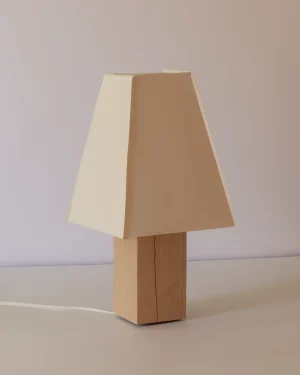
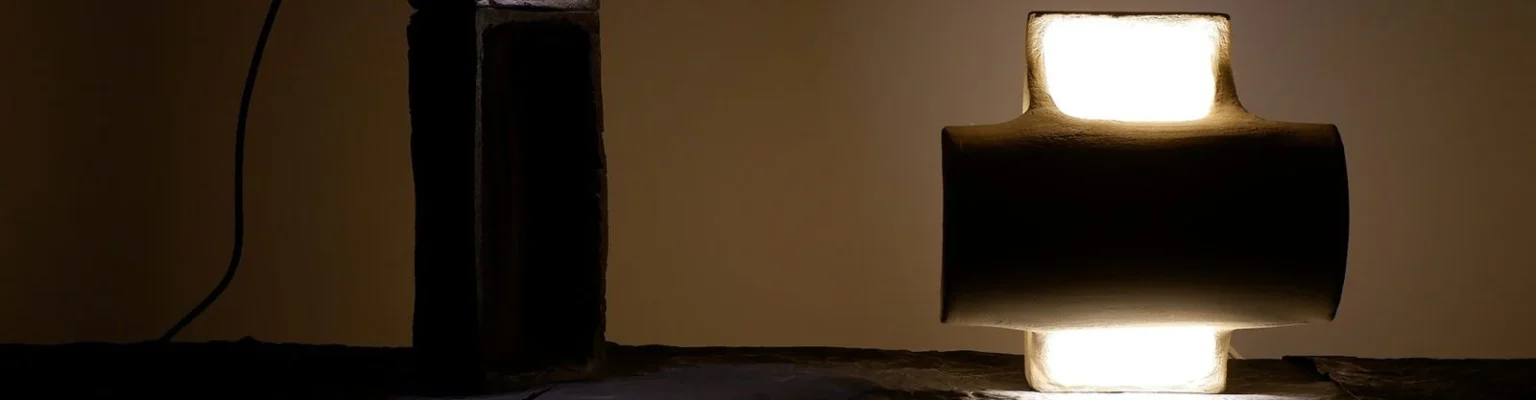
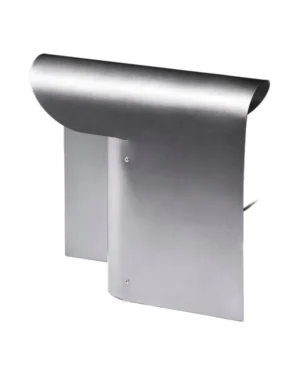
PL – 1 Table Lamp in Beech Wood and Paper
By Sergio Enríquez Industrial Design Office
€1.500 -
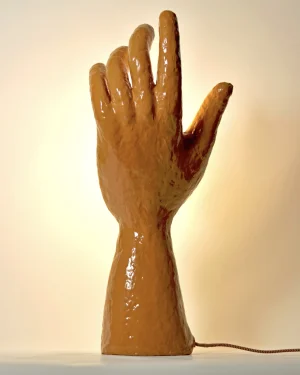
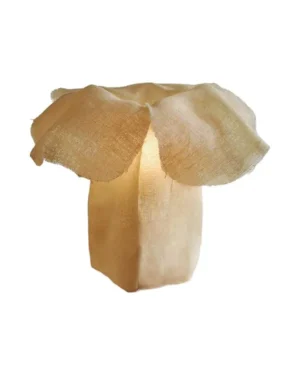
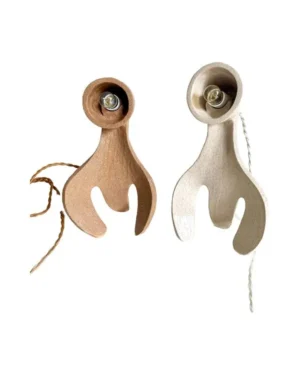
Luminária Luz Sobre Mão Table Lamp in Paper Pulp
By Sandro Vieira studio
€410 -
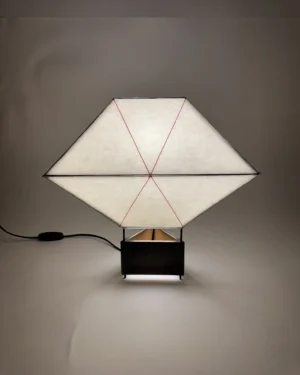
Biiit 005 Table Lamp In Paper And Brass
By Bo Ah Kim
€1.750 -
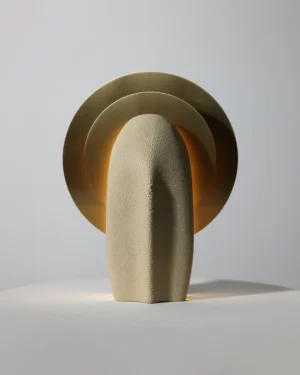
Mother of the Light Table Lamp in Galuchat and Brass
By PALUCKI Studio
€3.300 -
 In stock
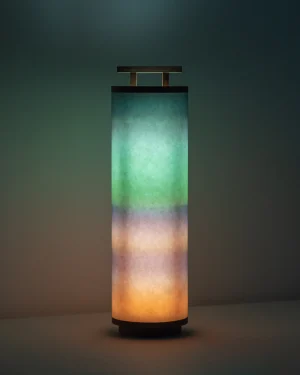
Torii G Pala Table Lamp in Washi Paper and Walnut
By Prangé
€1.232 -
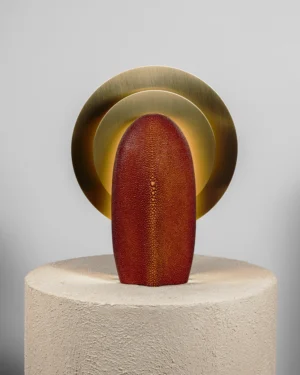
Mother of the Light Cognac Table Lamp in Galuchat and Brass
By PALUCKI Studio
€3.500 -
 In stock
Biiit 001 Table Lamp In Paper And Brass
By Bo Ah Kim
€2.100 -
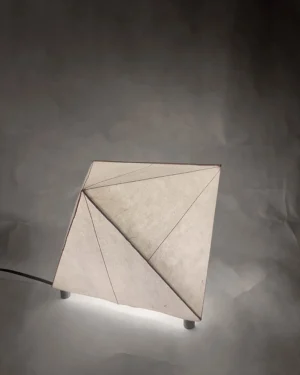
Biiit 006 Table Lamp In Paper And Brass
By Bo Ah Kim
€1.100 -
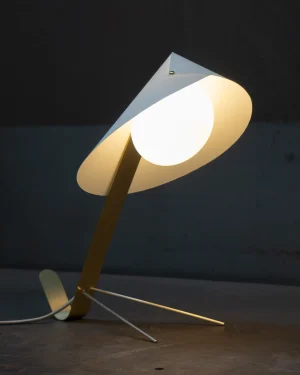
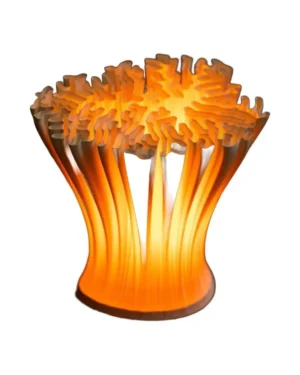
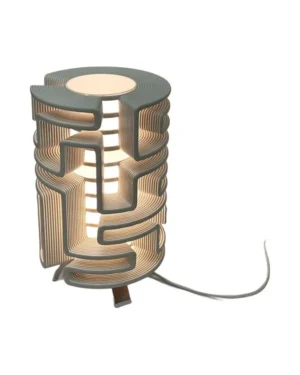
Mantis Table Lamp in Layered Paper and Brass
By MESEME by Riya Panchal
€405 -
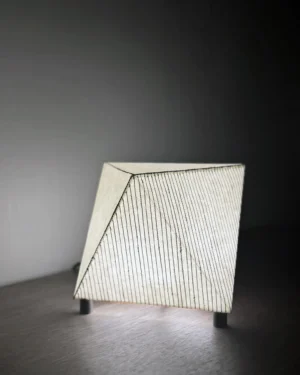
Biiit 007 Table Lamp In Paper And Brass
By Bo Ah Kim
€1.000 -
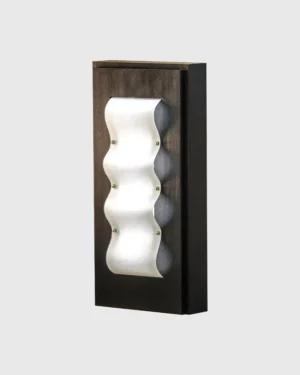 In stock
Mora Table Lamp in Sapele Wood and Recycled Paper
By MESEME by Riya Panchal
€1.397 -
Mantis Table Lamp in Layered Paper
By MESEME by Riya Panchal
€365 -
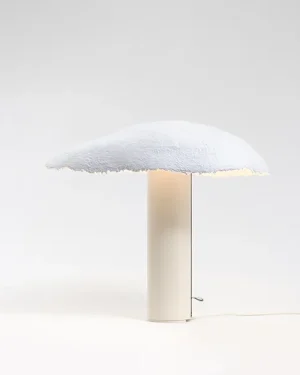
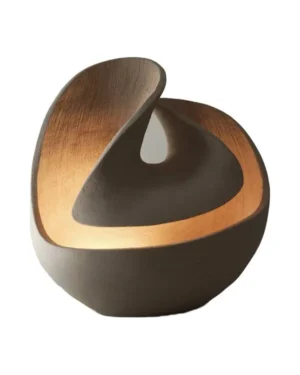
Overcast Table Lamp In Aluminum, Leather And Paper Pulp
By Calen Knauf Studio
€1.570 -
 In stock
Biiit 002 Table Lamp In Paper And Brass
By Bo Ah Kim
€1.500 -
 In stock
Biiit004 Table Lamp In Paper And Brass
By Bo Ah Kim
€1.750
Paper table lamps bring a surprisingly resilient material to a surface that usually holds glass or metal. Layers of paper pulp or sheets worked by hand over a frame, through papier-mâché or other paperwork techniques, hold their shape once dry and let light move through them rather than bounce off them. The studios working this way treat paper as a structural material, not a shade alone.
What paper does to light
Paper diffuses rather than directs. A bulb behind a paper body reads as a soft field of light, without the hard edge a glass or metal shade throws, so these lamps tend to flatter a room instead of lighting it for tasks. Color shifts with wall thickness: thin paper glows warmer, denser layers hold more of the light inside and release it gradually.
Finishes seen across the material run from off-white and beige through ochre, yellow and blue, often left matte so the paper keeps its tactile, slightly uneven surface. Black and brown versions behave differently, reading as solid sculptural forms by day and only revealing their glow once switched on.
How these pieces are made
Papier-mâché built over a mold is the most common technique, giving rounded, often biomorphic forms that would be difficult to produce in a rigid material. Some studios work sheets of paper directly, pleating or layering them by hand, a method that sits closer to paperwork than sculpture. Either way the process is slow and the results carry the small variations of hand work: a seam, a faint ripple, a finish that is never perfectly even.
Editions vary by studio. Some paper table lamps are produced as open editions in ongoing runs, others as limited editions in small, numbered batches, and a smaller number are unique pieces where no two bodies are exactly alike.
Choosing a paper table lamp
Scale matters more with paper than with denser materials, since a large paper body reads as light and almost weightless, while a smaller one can disappear next to taller objects. Measure the surface it will sit on and leave enough clearance around the base so the form is not crowded.
- Height: match the lamp to what sits near it — a reading chair calls for the shade at eye level when seated, a console or sideboard allows for a taller, more sculptural body.
- Finish: matte off-white and beige blend into a wall of paintings or shelving, while ochre, yellow or blue stand on their own against a plain wall.
- Placement: keep paper lamps away from direct contact with liquids or high humidity, and away from reading lamps or heat sources positioned too close to the shade.
Where they work in a room
Paper table lamps suit rooms where the light is meant to soften rather than perform: a living room corner, a bedside table, a hallway console. Their forms, often rounded or faceted through papier-mâché, pair easily with wood, stone or woven textiles and read as a counterpoint to harder materials like brass or aluminum. For a side table or sideboard in a seating area, see the full range of living room table lamps; for a quieter bedside glow, the bedroom table lamps cover similar forms at a smaller scale.
Living with paper and keeping it well
Paper resists moisture poorly, so these lamps belong away from bathrooms, kitchens and direct sun, which can yellow or warp the surface over time. Dust with a dry, soft brush or cloth rather than a damp one, and avoid placing anything wet on or near the base. Handled this way, a paper lamp holds its form and color for years, aging more like a piece of furniture than a disposable shade.
For the full range of table lamps across glass, brass, wood and stone, see all table lamps, or stay within the material at every paper piece on ADORNO. Paper also appears beyond the table, in the paper lamps made for floors and walls alike, and for a different material at the same scale, the metal table lamps show how brass and aluminum handle the same job with a harder edge.
Are paper table lamps durable enough for everyday use?
Yes, once shaped and dried, paper holds its form well and resists everyday handling. Keep it away from direct moisture and open flame, and it will last for years.
How do you clean a paper table lamp?
Dust with a soft, dry brush or cloth and avoid water or household cleaners, which can soften the fibers. Keep the lamp away from damp rooms and direct sun, which can fade color over time.
What size paper table lamp should I choose?
Size depends on the surface and the mood wanted, since paper's soft glow suits both small bedside pieces and larger forms for a console or sideboard. Check exact dimensions on the piece's page.
Which rooms suit paper table lamps best?
Their diffused, flattering light works well in living rooms, bedrooms and reading corners, anywhere a soft field of light matters more than task lighting. Avoid damp spaces like bathrooms.
Can I get a paper table lamp in a custom color or size?
Some makers take custom requests, others do not. Use Chat with the maker on the piece's page to ask directly.
How does ADORNO handle shipping, returns and authenticity?
Shipping is insured and worldwide. Returns are accepted within 14 days, except on made-to-order pieces, and every piece comes with a certificate of authenticity and a lowest-price guarantee.