

-
Marsha Table Lamp in Glass and Metal
By MESEME by Riya Panchal
€1.015 -
 In stock
Prisma Massiva Table Lamp in Cast Aluminum, Resin & Steel
By DONÓ Design
€1.898 -

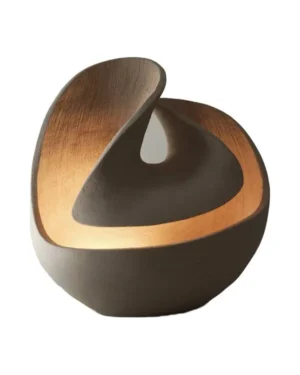
El Joyero De Odette Table Lamp In Stoneware
By Mina Wright
€810€689 -

Kalia Table Lamp in Glass and Resin
By Justyna Poplawska
€536 -
 In stock
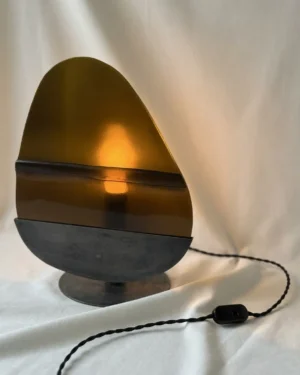
Veilleur Lp1 Table Lamp In Steel And Glass
By Louise Hurth
€1.600 -

Sedna Table Lamp In Petrol Blown Glass
By ELOA - Unique Lights
€2.330 - €4.085 -
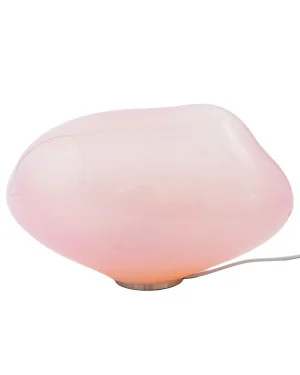
Haumea Convex Table Lamp In Flamingo Opaque Glass
By ELOA - Unique Lights
€2.330 - €4.085 -

Haumea Amorph Table Lamp In Amber Iridescent Glass
By ELOA - Unique Lights
€2.330 - €4.085 -
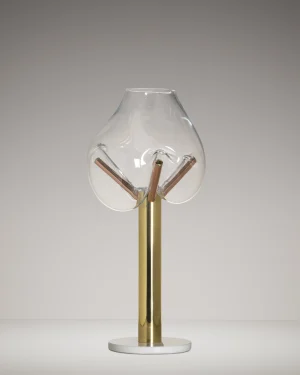
Carambola Table Lamp
By Carol Gay
€1.730 - €1.745 -

Haumea Convex Table Lamp In Amber Iridescent Glass
By ELOA - Unique Lights
€2.330 - €4.085 -

Haumea Convex Table Lamp In Blue Opaque Glass
By ELOA - Unique Lights
€2.330 - €4.085 -

Sedna Table Lamp In Amber Iridescent Glass
By ELOA - Unique Lights
€2.330 - €4.085 -
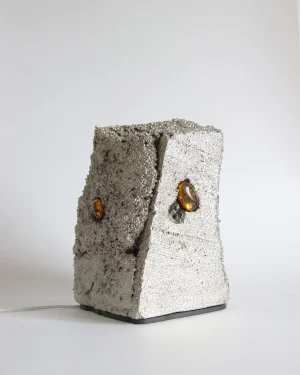 In stock
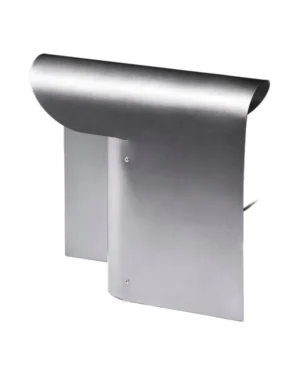
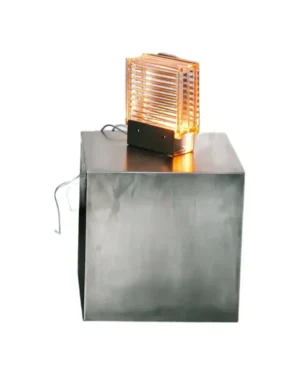
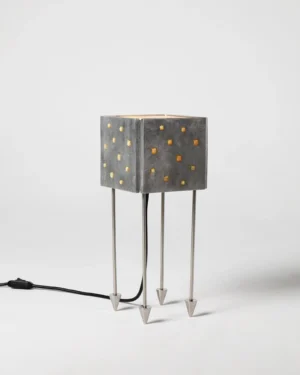
Irony Of Material Table Lamp in Nickel
By Studio Speculo
€716 -
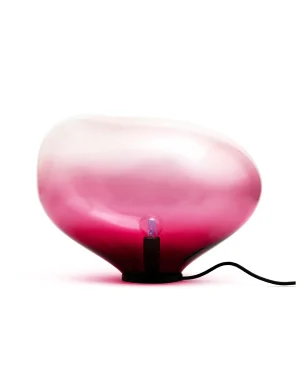
Sedna Table Lamp In Brilliant Ruby Glass
By ELOA - Unique Lights
€2.330 - €4.085 -
 In stock
Veil Ii Ember Table Lamp In Aluminum And Ceramics
By Hania Jneid Design Studio
€3.500 -

Haumea Convex Table Lamp In Flieder Opaque Glass
By ELOA - Unique Lights
€2.330 - €4.085 -

Haumea Convex Table Lamp In Taupe Opaque Glass
By ELOA - Unique Lights
€2.330 - €4.085 -
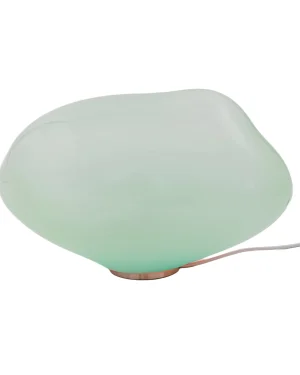
Haumea Convex Table Lamp In Salbei Opaque Glass
By ELOA - Unique Lights
€2.330 - €4.085 -

Haumea Amorph Table Lamp In Silver Smoke Glass
By ELOA - Unique Lights
€2.330 - €4.085
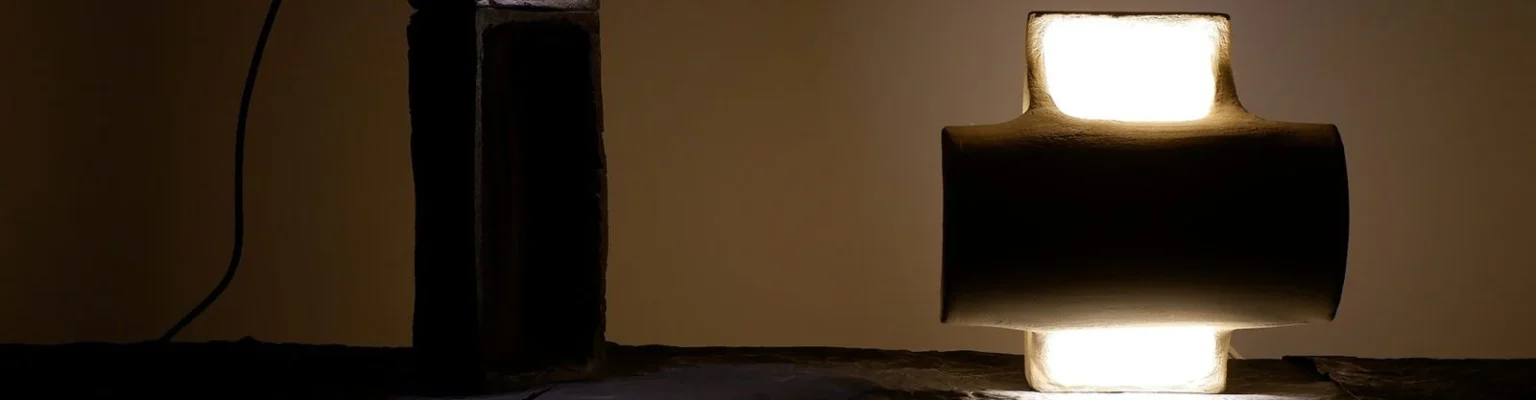
Amber table lamps take their color from oxidized glass, resin tinted to the same warm range, or clay fired under a glaze that mimics the same tone. Independent studios build them by hand, through glassblowing, resin casting, hand-building and glazing, so no two pieces carry the exact same depth of color. Many are sold as unique pieces or in limited editions, since the techniques involved rarely produce two identical results.
What gives amber its color
Amber is not a single hue so much as a register, running from pale honey through to deep tea and burnt orange. In blown glass, color comes from metal oxides worked into the molten batch, so density and iron content shift the tone from one firing to the next. In resin, pigment is mixed before casting and settles differently depending on the mold and the thickness of the piece, which is why a thicker base often reads darker than a thin shade.
Ceramic and clay bodies reach similar warmth through a glaze fired at high temperature, sometimes layered to build up tone rather than applied flat. Cast or hand-formed metal bases, in steel or aluminum, are often paired with an amber glass or resin shade so the warmth comes from the light source itself rather than the frame.
The range of amber table lamps on ADORNO
Studios working in this color draw on a handful of core materials and methods. Expect blown and cold-worked glass, cast resin, and glazed ceramic or clay, sometimes set on a metal or aluminum base. Styles span from a pared-back, contemporary silhouette to a more ornamental lamp with Art Nouveau or Baroque detailing, so the color reads differently depending on the form around it. Editions run from unique, one-off pieces to open and limited runs, depending on the studio's process. The full range of amber pieces, lamps included, sits under every amber piece on ADORNO, while amber shades in other lamp formats are gathered separately under amber lamps.
Choosing scale, height and placement
A table lamp has to suit the surface it sits on as much as the room around it. A tall amber lamp with a wide shade can dominate a narrow console, while a smaller globe or dome sits more easily on a nightstand or side table. As a rough guide, the base of the shade should sit close to eye level when seated nearby, so the bulb itself stays out of direct sight.
Finish matters as much as height. A clear or lightly frosted amber glass throws a stronger, more directional pool of light, while a deeper, more saturated resin or glaze softens the glow and spreads it wider across a room. Consider, too, how the lamp reads when switched off: an amber shade holds its color in daylight, so it works as an object on the table even before evening.
Where amber table lamps work
The warmth of amber suits rooms built for rest more than rooms built for work. On a living room side table, next to a sofa or armchair, it adds a low, warm pool of light that reads as evening rather than task lighting; see the broader range of living room table lamps for lamps built around that use. On a nightstand, the same warmth makes it a natural choice for a last light before sleep, among the options gathered as bedroom table lamps. For a full view of what a table lamp can do across a house, start from all table lamps.
Caring for glass, resin and ceramic
Blown glass and cold-worked glass need only a soft cloth, since abrasive cleaners can dull the surface over time. Resin tolerates light cleaning but should stay away from direct, prolonged heat, which can soften or discolor the material. Glazed ceramic and clay bases are stable once fired, but a chipped glaze exposes the body underneath, so these pieces are best lifted rather than dragged across a surface. Across all three materials, keeping the lamp out of direct sun helps hold its color, since even amber, warm as it reads, can fade unevenly over years of strong light.
How do I choose an amber table lamp?
Look at how the material handles light: blown glass glows evenly, resin shows deeper color at its thickest points, and glazed ceramic holds a more matte warmth. Pick the tone and base material that suit the room's existing surfaces.
How do you care for an amber glass or resin lamp?
Dust glass and resin with a soft, dry cloth and avoid abrasive cleaners that dull the surface. Keep resin out of direct, prolonged sun, since strong UV can shift its pigment over time.
What size table lamp do I need?
Most table lamps stand between 18 and 30 inches, enough to sit above the sightline of someone seated nearby. Match the scale to the surface: a side table calls for something smaller than a console or sideboard.
Which rooms suit an amber table lamp?
Amber's warmth works well wherever light softens a space at close range, a living room console, a bedside table or a reading corner. The tone sits comfortably against wood, brass and darker walls.
Is each amber table lamp really one of a kind?
Many are sold as unique pieces or in limited editions, since glassblowing, resin casting and glazing rarely repeat the exact same depth of color. For details on a specific piece, chat with the maker on its page.
What about shipping, returns and authenticity on ADORNO?
Shipping is insured and worldwide, with a 14-day return policy excluding made-to-order pieces. Every lamp comes with a certificate of authenticity and ADORNO's lowest-price guarantee.