



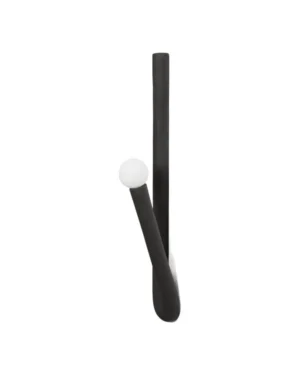


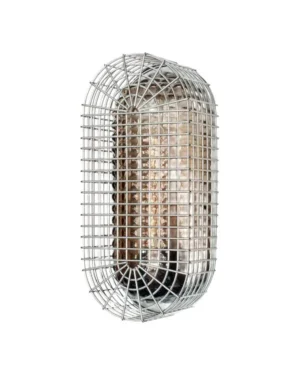
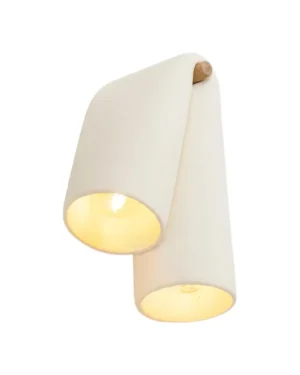
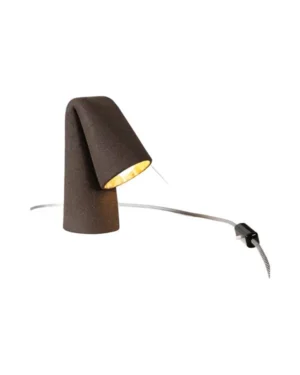
-
 In stock
Sluren Table Lamp in Blown Glass
By Sara Sjöbäck
€1.450 - €1.850 -
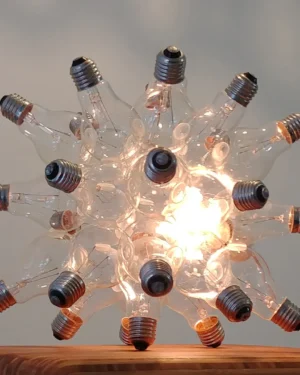 In stock
“spare” Table Lamp Constructed From 26 Lightbulbs
By JAN PAUL
€220 -
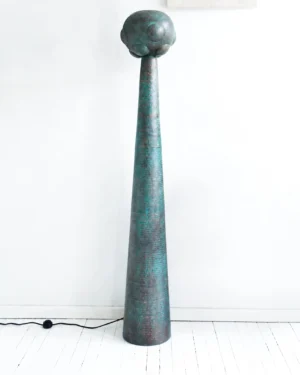 In stock
Artefacto Copper Venus Floor Lamp in Hammered Copper
By LØRDAG & SØNDAG
€4.768 -
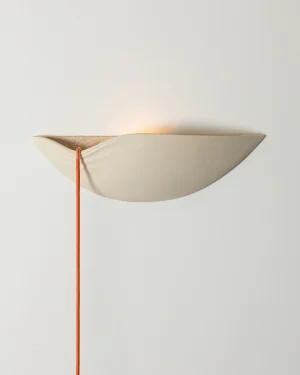
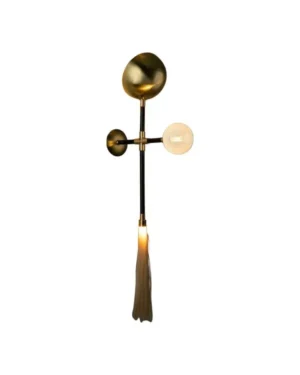
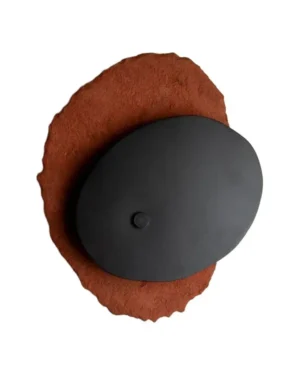
Loma Wall Sconce In Stoneware
By Catalin Filip
€450 -

Fractical Neon Table Lamp In Glass
By Dace Sūna
€1.000 -
 In stock
Cave Table Lamp In Glass
By Dace Sūna
€1.500 -

Sky-set Floor Light
By Dace Sūna
€5.800 -
 In stock
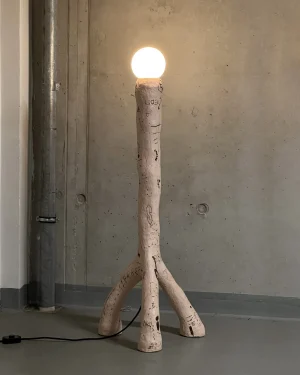
Tattooed Shining Creature Floor Lamp In Paper And Steel
By David Čáp
€1.400 -
 In stock
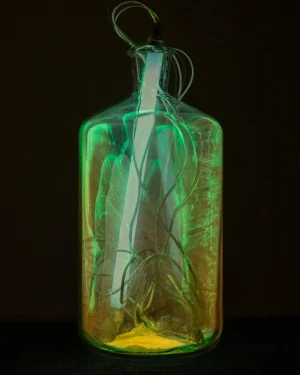
Äther Lucifer
By TUNK I Busra Tunc
€500 -
 In stock
Peony Floor Lamp In Fiber-cement
By Donatas Žukauskas
€2.450 -
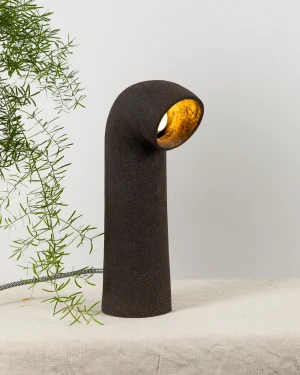
Melo C Table Lamp In Black Ceramic
By Catalin Filip
€270 -
 In stock
Helium Sconce
By Dace Sūna
€1.500 -
 In stock
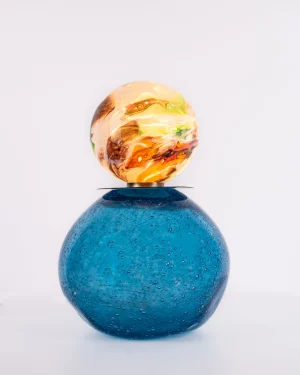
Soul Table Lamp in Handblown Glass
By Ceren Gürkan
€700 -
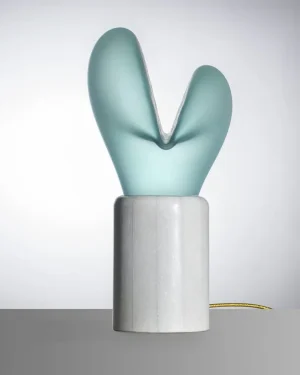
Cactus Table Lamp in Glass and Marble
By Carol Gay
€1.922 -
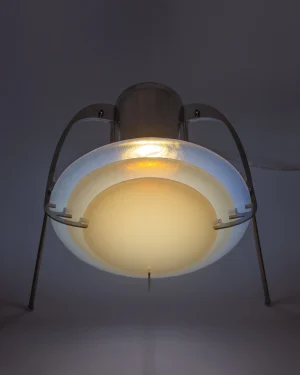
Sky-set Mini Table Light
By Dace Sūna
€2.800 -
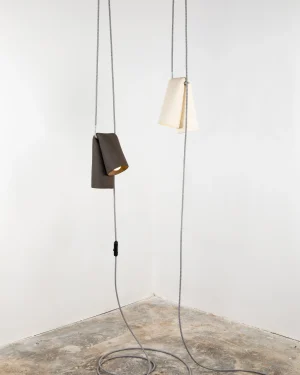
Melo Pendant Lamp In Ceramic
By Catalin Filip
€300 -
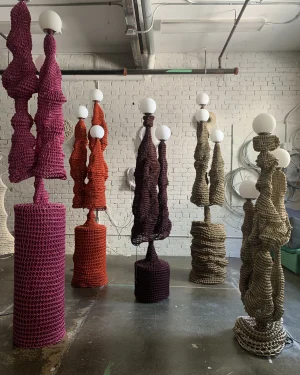
A Tribe Called Sagrada Floor Lamp in Textiles and Glass
By Annie Legault
Price Upon Request -
 In stock
Ģipsis Table Lamp №5 In Plaster And Oak
By Dace Sūna
€850 -
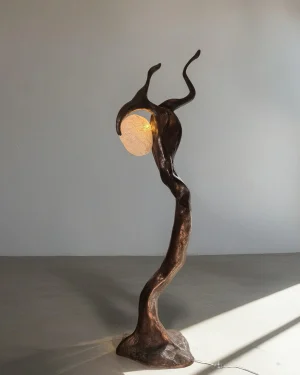 In stock
Untitled Ii Floor Lamp In Steel And Bronze
By aeny studio
Price Upon Request -
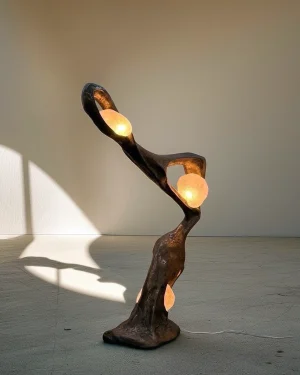
Untitled Iii Floor Lamp In Steel And Bronze
By aeny studio
Price Upon Request -
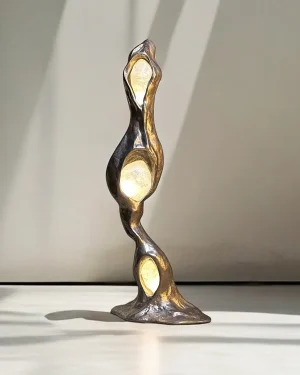
Untitled I Floor Lamp In Steel And Bronze
By aeny studio
Price Upon Request -
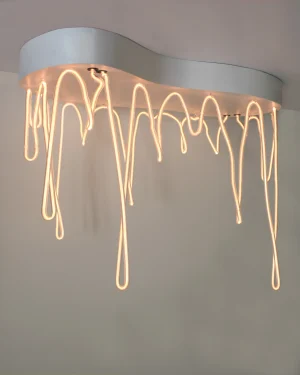
Vertical Fractal Helium Chandelier In Glass And Metal
By Dace Sūna
Price Upon Request -

Follow The Deer Table Lamp In Neon Glass
By Dace Sūna
Price Upon Request -

Vertical Fractal – Neon Glass Sculpture
By Dace Sūna
Price Upon Request
Surrealism lamps take a familiar object and bend it until the function is almost a surprise, a bulb hidden inside a cloud of blown glass or a bronze limb holding a shade like an afterthought. Studios working in this style reach for glass, clay, steel, neon, ceramic, bronze and resin, and lean on hand-building, lampworking, glassblowing and welding rather than production lines. The result sits somewhere between lighting and sculpture, meant to be noticed switched off as much as lit.
What makes a lamp surreal
The style trades on displacement: a biomorphic base, a shade shaped like a droplet or a limb, a neon tube bent into a gesture that has nothing to do with illumination. Glass is central because glassblowing lets a maker trap air, distort a bubble or pull a form into something organic and faintly unstable. Ceramic and stoneware, worked by hand-building, bring soft, uneven surfaces that read as bodies rather than fixtures.
Steel and bronze appear where the piece needs a rigid gesture, a bent arm or a coiled base, usually finished by welding or cold-worked once cast. Neon and resin push the style toward the uncanny, glowing from inside a solid form or outlining a shape that has no obvious front or back. None of these materials behave neutrally: glass catches and distorts light, bronze darkens with handling, neon hums faintly and warms to the touch.
Materials, finishes and editions found here
The range runs from frosted and sky-blue glass to bronze, gold and off-white ceramic, with multicolor and light pink surfaces showing up where a studio wants the piece to read as playful rather than somber. Surfaces vary by technique: glass fusing gives a flatter, layered color, lampworking allows fine detail at small scale, and biofabrication is starting to appear in a few studios working with grown or living materials. Because much of this work is made by hand, pieces turn up as open editions alongside unique, one-off forms that will not be repeated.
- Blown and fused glass in frosted, sky blue or multicolor finishes
- Hand-built ceramic and stoneware in white, off-white or bronze glazes
- Welded steel, cast bronze and neon, often combined in one fixture
Choosing a surrealism lamp
Scale matters more here than in most lighting, since an oversized bulb or an elongated base can throw off a room if the surrounding furniture is low and quiet. Measure the shade's widest point against the table or floor space it will occupy, and leave enough clearance that the form reads as a shape, not a cluster. Height should let the light fall where it is needed, at eye level for a desk lamp, lower for a console piece meant to glow rather than illuminate a task.
Where these lamps work
Living rooms suit the larger, more sculptural forms, where a single surreal piece can anchor a seating arrangement the way living room lamps are often chosen to do. Bedrooms take the smaller, softer shapes well, a rounded ceramic base or a frosted glass form that gives low, even light rather than a strong task beam. Entryways and consoles benefit from a single unusual object, since surrealist lamps rarely need company to make an impression.
For a quieter counterpoint, pieces from the broader minimalist lamps range can balance a room that already carries one strong surreal form. Those drawn to the same sensibility across other rooms can also look at surrealism furniture and surrealism decor, where the same dreamlike logic shows up in seating and objects.
Care by material
Glass and ceramic surfaces need only a soft, dry cloth, since household glass cleaners can leave residue on frosted or matte finishes. Bronze will darken and develop a patina with handling and light; leave it alone if an even, aged surface is wanted, or wax it lightly if not. Keep neon components away from moisture and avoid flexing the tubing, and let steel bases stay dry to prevent surface rust at welded joints.
For the full range of fixtures in this material-led style, see surrealism lighting, or step back to all lamps and every surrealism piece on ADORNO for related forms across furniture and lighting.
How do I choose a surrealism lamp?
Start with the gesture, a biomorphic base, a droplet shade, a bent neon line, and let the material follow. Glass and ceramic read softer, bronze and steel hold a sharper, more sculptural line.
How do you care for a surrealism lamp?
Dust glass, ceramic and resin with a dry cloth and keep them from direct, prolonged sun. Bronze and steel darken or patina with handling, which is normal; wipe with a soft cloth rather than polish.
What size lamp works best on a table or floor?
Sizes vary by piece since each is made by hand, so check listed dimensions against your table or floor space before buying. The maker can confirm exact measurements through Chat with the maker on the piece's page.
Which rooms suit a surrealism lamp?
They work wherever they can be seen switched off as well as lit, a living room console, a bedroom nightstand or an entryway. The sculptural form carries the room even when the light is off.
Does ADORNO ship surrealism lamps internationally?
Yes, shipping is insured and worldwide, so a lamp reaches you safely wherever you are.
What is ADORNO's return policy on these lamps?
Returns are accepted within 14 days, except for made-to-order pieces, which are excluded from this policy.