
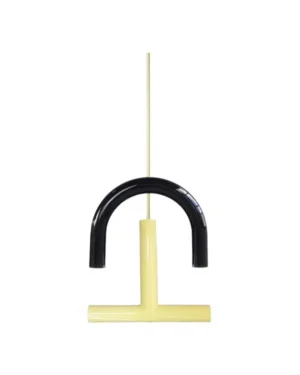
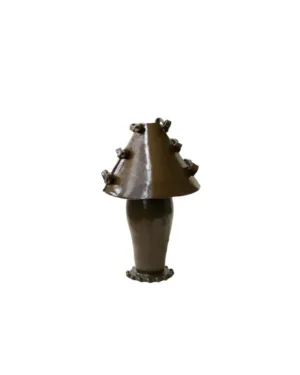
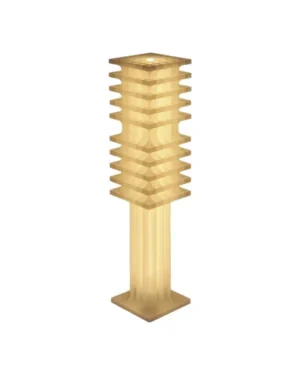
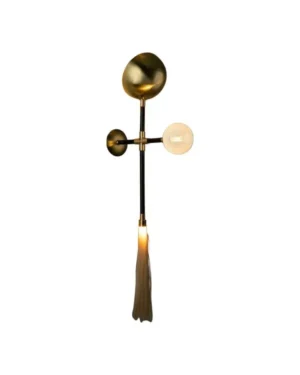









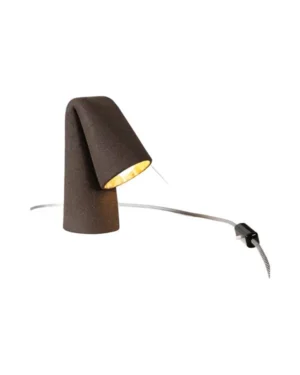
-
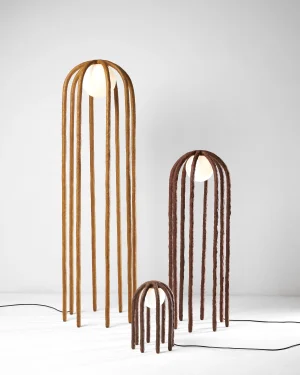 In stock
Açafrão and Urucum Floor Lamp in Anatto and Saffron
By Cultivado em Casa
€1.234 - €2.971 -

The Queen Ceiling Lamp in Gold-leaf and Rust Steel
By Mammalampa
€3.133 -
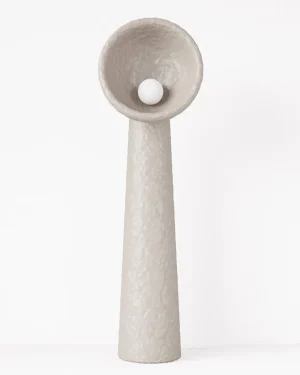 In stock
Soniah Floor Lamp in ZTISTA
By FAINA
€7.000 -

Knotto_01 Table Lamp In Glazed Stoneware And Synthetic Fibers
By Catalin Filip
€800 -
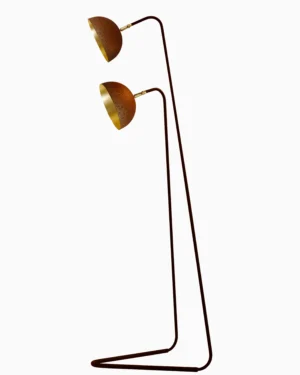
The Queen Double Floor Lamp in Gold-leaf and Rust Steel
By Mammalampa
€1.151 -
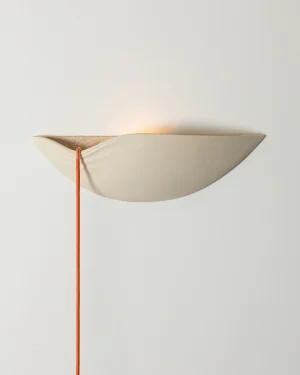
Loma Wall Sconce In Stoneware
By Catalin Filip
€450 -
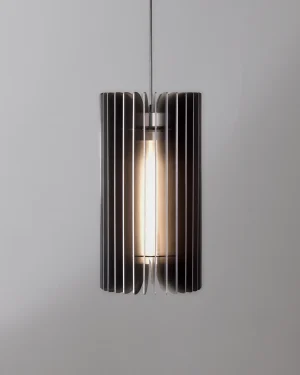
Bare Barrel – Metal Pendant Lamp
By Jochen Lavéno Mangelsdorff Studio & Objects
€760 - €920 -
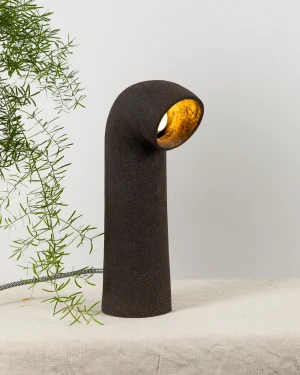
Melo C Table Lamp In Black Ceramic
By Catalin Filip
€270 -
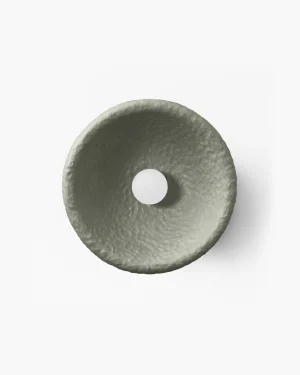 In stock
Soniah Wall Sconce in ZTISTA
By FAINA
€1.050 - €1.250 -

Soniah Medium Floor Lamp in ZTISTA
By FAINA
€6.300 -
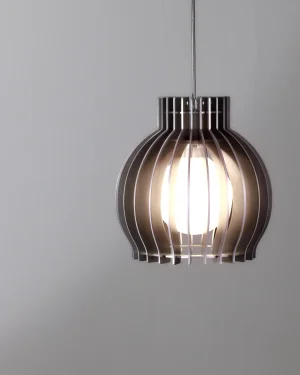
Flower Drop – Metal Pendant Lamp
By Jochen Lavéno Mangelsdorff Studio & Objects
€756 -

Soniah Small Floor Lamp in ZTISTA
By FAINA
€5.600 -
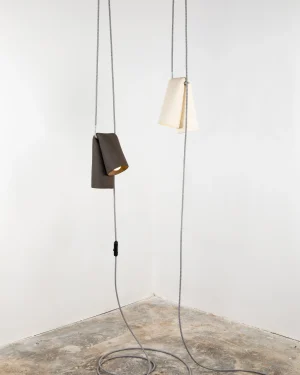
Melo Pendant Lamp In Ceramic
By Catalin Filip
€300 -

Crescent Pendant Lamp In Steel
By Natural Urbano - Sebastián Beltrán
€515 -

Scape Wall Lamp In Aluminum Or Brass
By Stem
€650 - €950 -
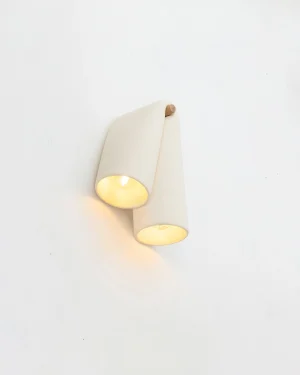
Melo Wall Sconce In Stoneware And Beech Wood
By Catalin Filip
€350 -
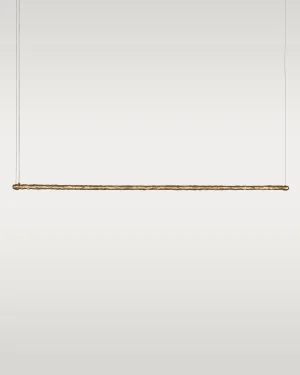
Aria Linear Ceiling Lamp In Brass
By Stem
€1.550 - €2.100 -

Coy Table Lamp In Blackened Aluminum
By Stem
€1.050 - €1.400 -
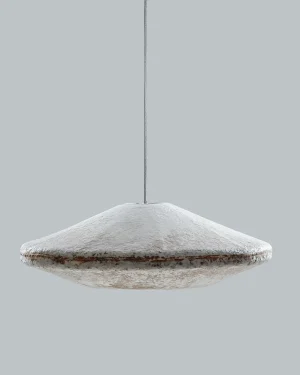 In stock
B Wise Pendant Lamp in Mycelium
By Myceen
Price Upon Request
Scandinavian lamps on ADORNO carry the region's design instinct for paring a form back to what it needs: a glazed stoneware base, an aluminum shade, a brass stem, each shaped by an independent studio working by hand or at the lathe. The palette stays close to the Nordic eye — white, off-white and gray, with warmer notes of yellow, orange, gold and rust. What unites them is restraint applied to a working object, not decoration for its own sake.
What defines the Scandinavian approach to lamps
A Scandinavian lamp is judged first on proportion and only then on ornament. Stoneware and clay are hand-built, then glazed in a single color so the surface reads as one gesture rather than a pattern. Aluminum and brass are worked by metalsmiths through casting, patination or laser cutting, giving a shade or stem a clean edge without extra detailing.
Composite materials appear where a studio wants the weight and finish of stone or metal without the full mass of it, shaped to the same quiet silhouette. Gold and gilded finishes, used sparingly, catch light at the rim of a shade rather than cover a whole piece. Rust-toned steel, left to patinate, brings warmth into what is otherwise a pared-back material.
The range of materials and techniques found here
Within Scandinavian lamps on ADORNO, expect a narrow but varied set of materials and ways of working:
- Hand-built stoneware and clay bases, glazed in white, off-white or gray
- Sand-cast or patinated brass and rust steel, worked by metalsmiths
- Aluminum shades, left raw or gilded at the edge
- Composite forms that borrow the weight and surface of stone or metal
Most pieces are made as open editions, which means a studio continues a form over time rather than closing it after a single run. That keeps a glaze color or a metal finish consistent from one piece to the next, even as the exact lamp in stock changes.
How to choose a Scandinavian lamp
Scale first: a table lamp should sit below eye level when seated nearby, while a floor lamp needs enough height to clear a sofa arm or reading chair without looming over it. Weight at the base matters as much as height — ceramic and cast metal give a lamp the ballast to stand on a narrow side table without tipping. Where a room already leans toward pale wood or soft fabric, a matte glaze or patinated metal in gray, rust or off-white will settle into that palette rather than compete with it; a gilded edge or a brass stem reads warmer and asks for more open space around it.
Where these lamps sit in a home
A stoneware or ceramic lamp suits a living room as readily as a bedside table, where the glaze gives a soft, enclosed light rather than a direct beam. Metal lamps in aluminum, brass or rust steel carry weight well in a study or beside a reading chair, where a sculptural stem holds its own even switched off. Studios working across living room lamps often repeat the same restrained forms at bedside scale, so a single glaze or finish can move between rooms without feeling out of place.
Caring for ceramic, glass and metal lamps
Stoneware and clay bases need only a dry or barely damp cloth; standing water can work into an unglazed foot or settle into a hairline crack. Brass and aluminum dull with handling and air — a dry cloth kept close will slow this, and raw metal left alone will develop its own patina rather than staying bright. Rust-finished steel is patinated on purpose, and an occasional light wax keeps the color even without stripping the texture back.
Scandinavian lamps suit rooms built around the same restraint, and sit naturally alongside the wider range of Scandinavian lighting or the full style across every Scandinavian piece on ADORNO. To compare materials side by side, step back to all lamps or look specifically at metal lamps worked in aluminum, brass and steel.
How do I choose a Scandinavian lamp?
Start with the base material, since it sets the tone: stoneware reads soft and matte, brass and aluminum read cleaner and cooler. Then check the light it gives, as a glazed shade softens the glow while metal throws it further.
How do I care for a Scandinavian lamp?
Wipe stoneware and ceramic with a dry or barely damp cloth, since standing water can seep into an unglazed base. Dust brass, aluminum and rust steel regularly, and avoid harsh cleaners that strip a patina.
What size lamp suits a room?
A table lamp should sit roughly at eye level when seated, so its light does not glare. Floor lamps generally run taller to clear furniture, but check the exact height on each piece's page.
Which room should a Scandinavian lamp go in?
Stoneware and ceramic bases suit a living room or bedroom, where warmer light and texture matter. Aluminum and brass work well at a desk or reading corner, where a cleaner beam and a smaller footprint help.
Can I get a Scandinavian lamp custom made?
Some studios take custom requests on finish, color or scale. Chat with the maker on the piece's page to ask directly.
What are ADORNO's shipping and return policies?
Shipping is insured and worldwide. Returns are accepted within 14 days, except on made-to-order pieces, and every lamp comes with a certificate of authenticity and ADORNO's lowest-price guarantee.