




-
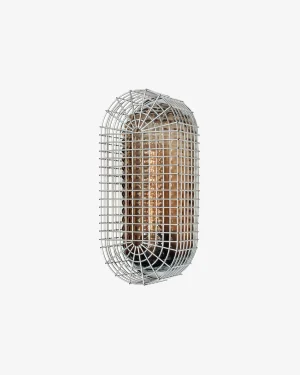
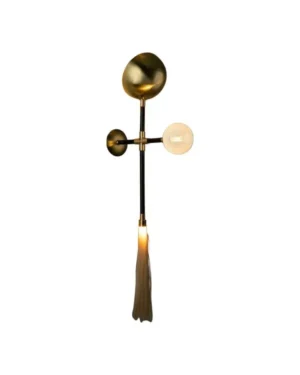
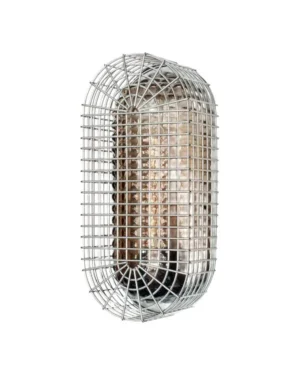
Chastity Wall Sconce In Stainless Steel And Handblown Glass
By Studio S II
€1.980 -
 In stock
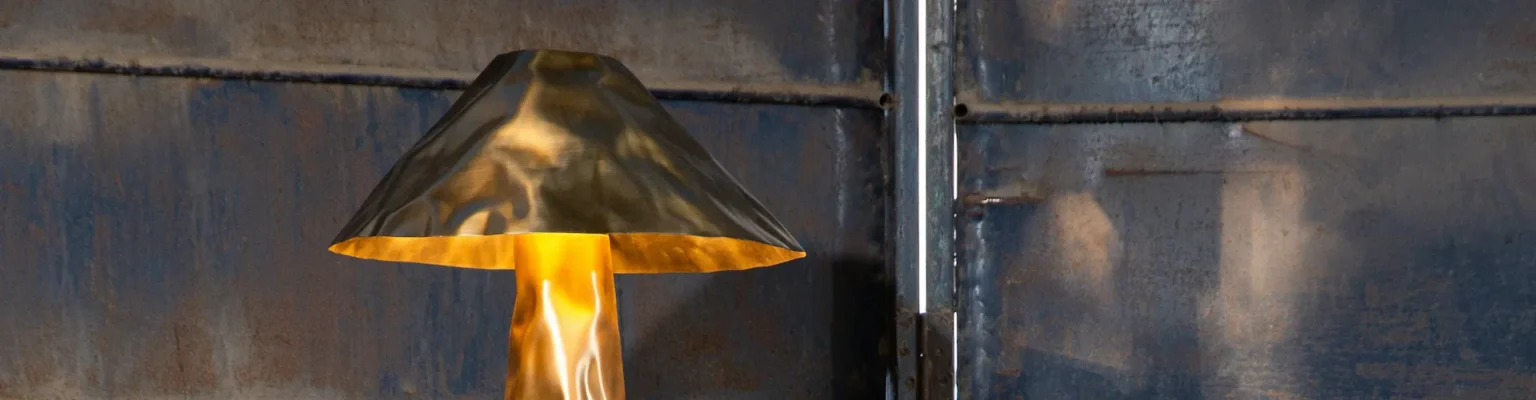
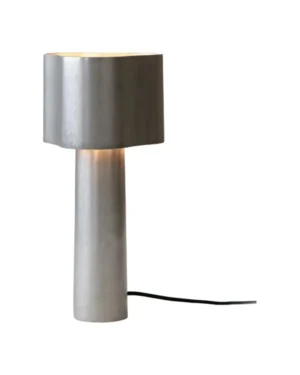
Mushroom Floor Lamp in Stainless Steel
By Nitush and Aroosh
€2.500 -

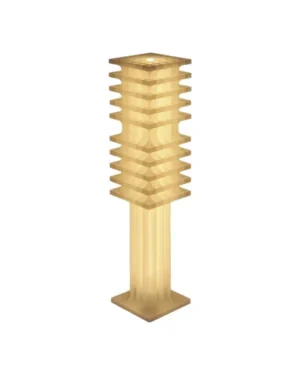
Peaceful Intuition 2.0 Floor Lamp in MDF
By Studio Fabius Clovis
€1.819 -
 In stock
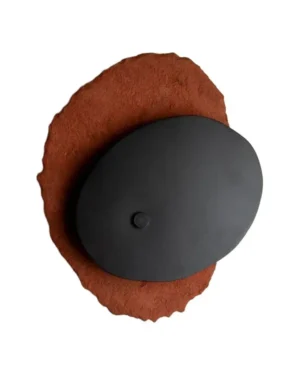
Asea No. 7 Wall Sconce in Stoneware and Brass
By Ceren Gürkan
€900 -
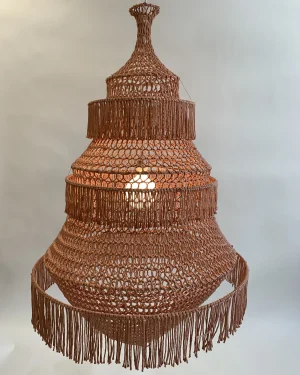
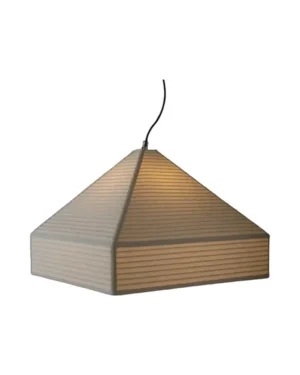
Typha Pendant Lamp in Cotton Rope
By Annie Legault
€1.907 -
 In stock
La Bergère Table Lamp In Glazed Ceramic
By Mina Wright
€686 -

El Joyero De Odette Table Lamp In Stoneware
By Mina Wright
€810 -
 In stock
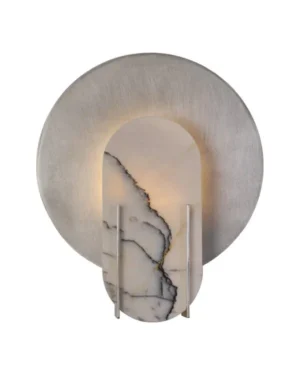
Sigil Crest Wall Sconce in Stainless Steel and Selenite
By Nitush and Aroosh
€1.800 -
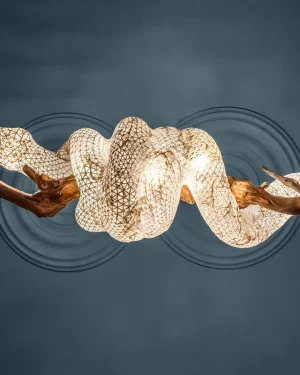
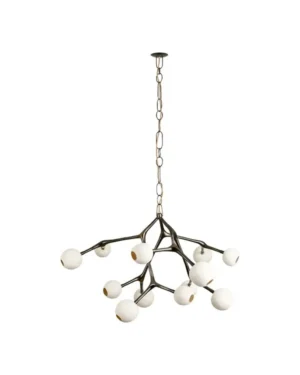
The Staff Of Asclepius Chandelier In Pla And Wool
By Danik Uderbekov
€2.500 -
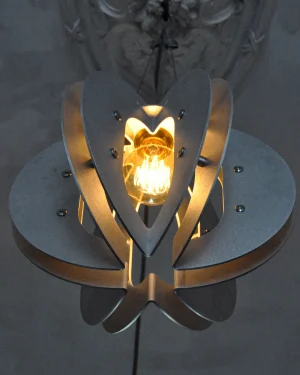
D300 Lampion Pendant Lamp In Matte Aluminum
By MLK Furniture
€390 -
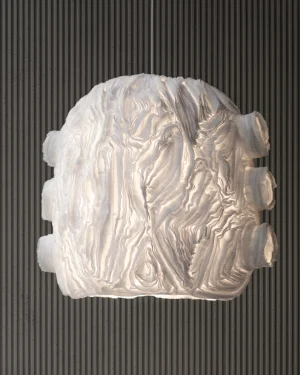
Idea Sluhach Pendant Lamp in Muslin and Metal
By FAINA
€1.950 -
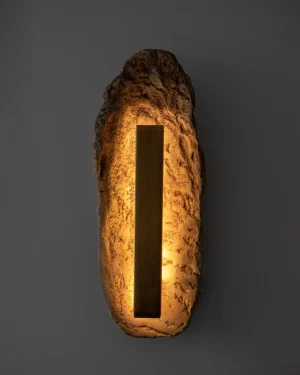 In stock
Asea No. 2 Wall Sconce in Stoneware and Brass
By Ceren Gürkan
€1.000 -
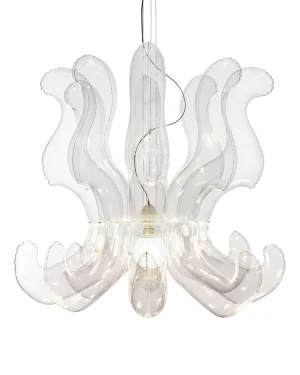
Lullaby No.1 Chandelier in PVC and Acrylic
By PUFF-BUFF
€640 -
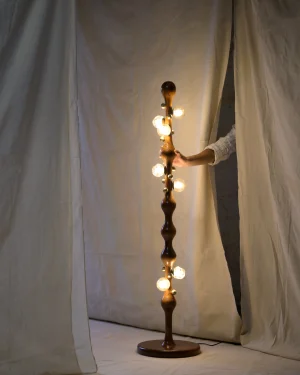
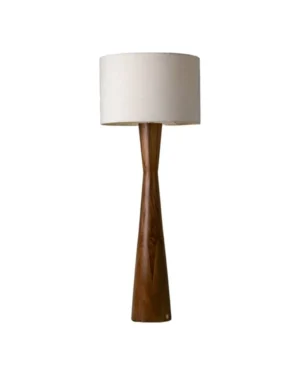
Stem – Teak Wood / Brass Floor Lamp
By Studio Indigene
€2.100 -
 In stock
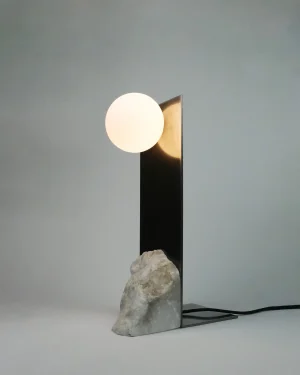
Himalaya Lunar Vertical Table Lamp in Alabaster
By HEAKO
€3.300 -

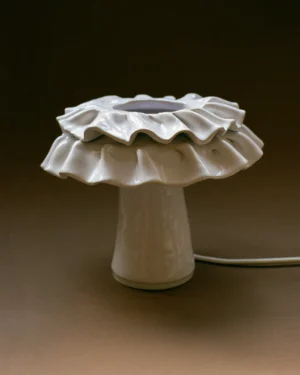
Luna Nova Table Lamp in Oak Wood
By HEIKE BUCHFELDER
€3.294 -
 In stock
Lulu Table Lamp In Stoneware
By Mina Wright
€670 -
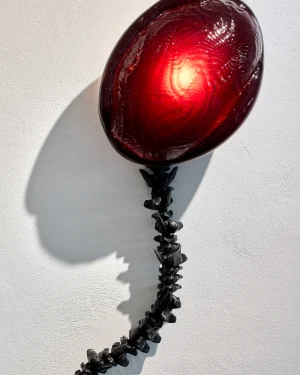 In stock
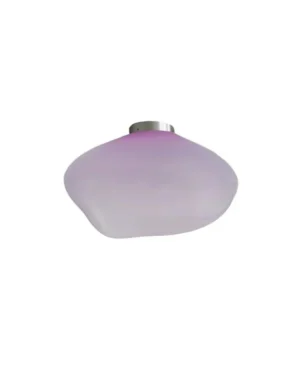
Dysplasio Wall Sconce in Blown Glass
By Anna Jožová
€2.000 - €3.300 -
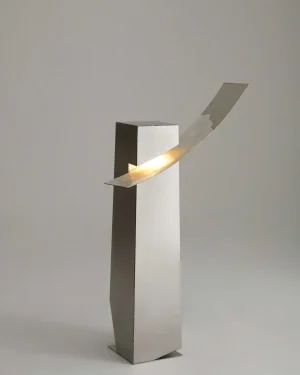
Shining No.2302 Floor Lamp in Stainless Steel
By Park Eunchong Studio
€3.200 -

Moon Sixteen – Alabaster Table Lamp
By A.D.U. Studios
€1.240 -
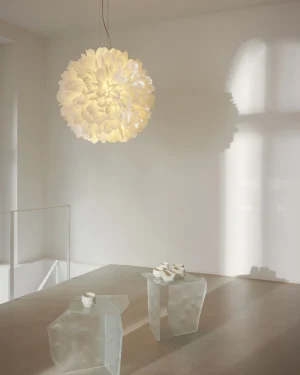
Blossom Pendant Lamp in Washi Paper
By HEIKE BUCHFELDER
€2.933 -
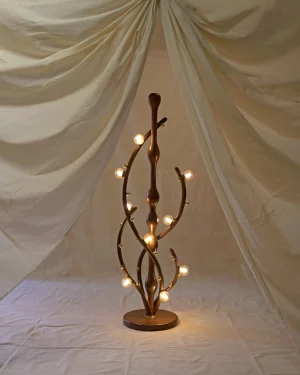
Tendril – Teak Wood / Brass Floor Lamp
By Studio Indigene
€5.400 -
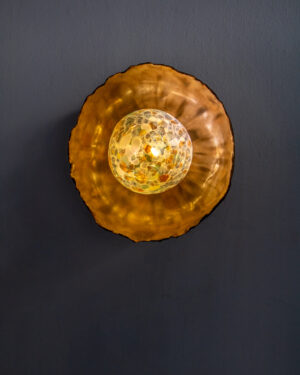 In stock
Asea No. 12 Sand Wall Sconce in Stoneware and Blown Glass
By Ceren Gürkan
€800 -

Leaky Lamp II Table Lamp in Oak and Glass
By Pablo Ejarque-González
€895 -

Falcon Table Lamp in Brass and Walnut Wood
By Nathan Chintala
€1.914 -
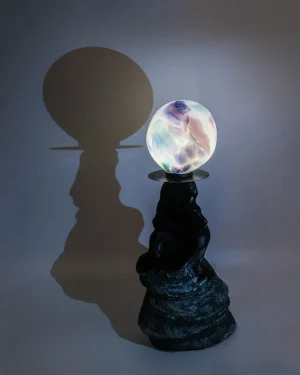 In stock
Abyss No. 3 Table Lamp in Stoneware
By Ceren Gürkan
€1.300 -
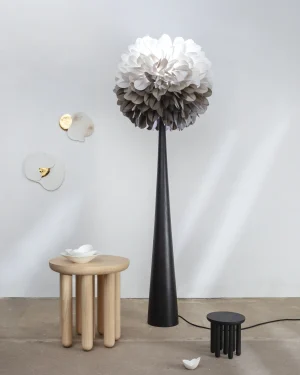
Blossom Floor Lamp in Washi Paper
By HEIKE BUCHFELDER
€5.618 -
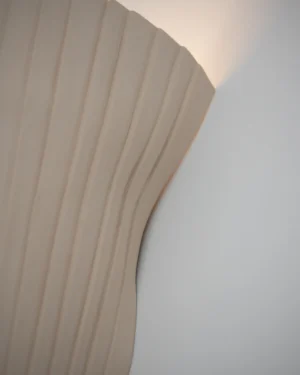 In stock
Tenderness Sconce | Large
By Studio Ēeme
€1.300 -

Cactus Floor Lamp
By Studio Indigene
€2.850 -

Medaillon Floor Lamp in Stainless Steel
By Boo Design Studio
€3.250 - €3.850 -
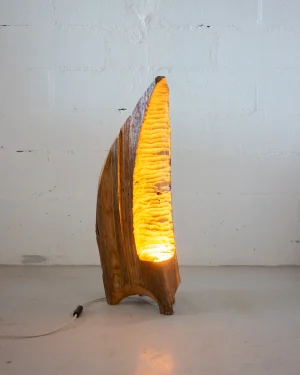 In stock
A Plant From My Garden Floor Lamp in Antique Oak
By Atelier Musset
€2.200 -
 In stock
Jag Ville Blive Table Lamp in Stainless Steel
By Sara Sjöbäck
€1.600 -
 In stock
Abyss No. 12 Table Lamp in Stoneware
By Ceren Gürkan
€1.800 -
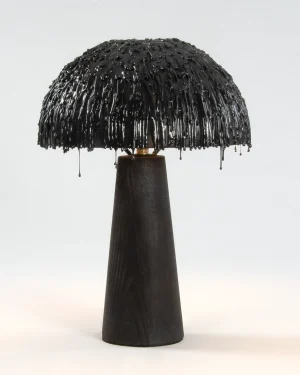
Leaky Lamp I Table Lamp in Ash Wood and Bioplastic
By Pablo Ejarque-González
€1.050 -
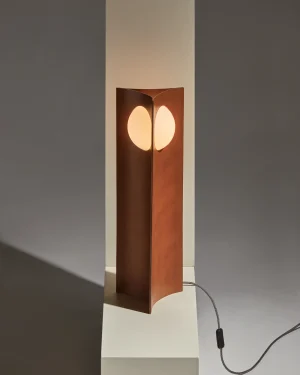
Hecate Floor Lamp In Brown Leather
By Studio Aristotelis Barakos
€610 -
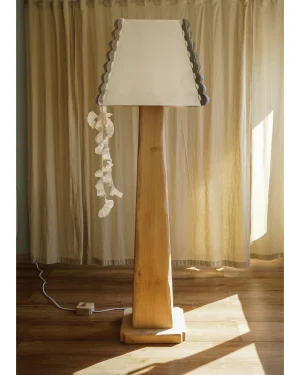
Falbanka Floor Lamp in Aluminum and Oak Wood
By Basia Pruszyńska
Price Upon Request -
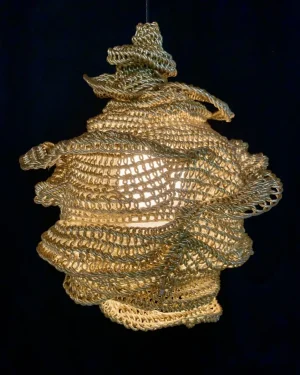
Auræ Pendant Lamp in Glass and Textiles
By Annie Legault
Price Upon Request -
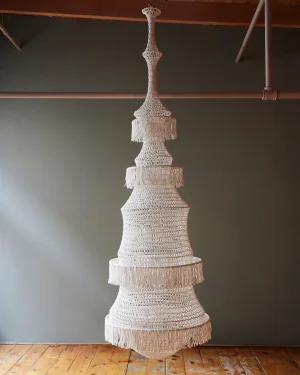
Luzule Pendant Lamp in Cotton Rope
By Annie Legault
Price Upon Request -
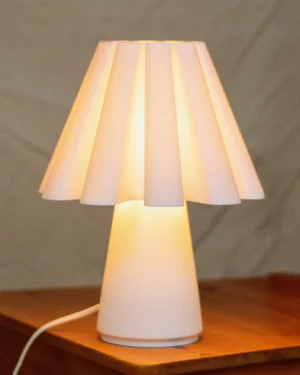
Ruff Table Lamp In Recycled Pla
By Mina Wright
€238 -
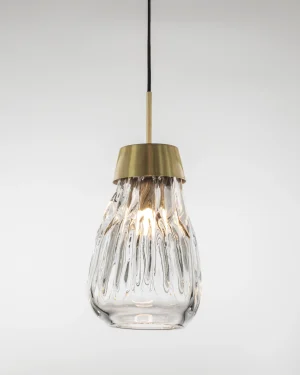
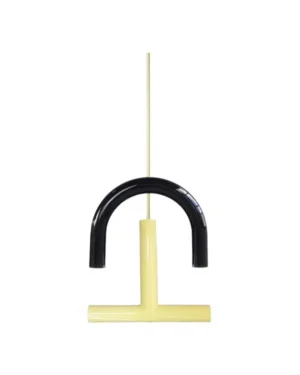
Twist Pendant Lamp
By Carol Gay
€990 - €1.150 -
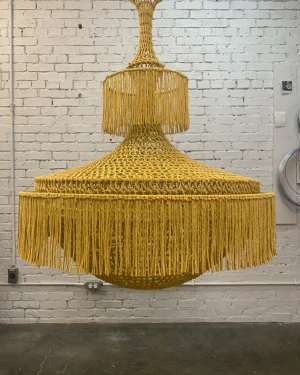
Lola Chandelier in Textiles
By Annie Legault
Price Upon Request
Romanticism lamps carry a soft, worked quality that comes from the hand rather than the mold: hand-blown glass with trapped air and gentle asymmetry, glazed stoneware and ceramic with variable surfaces, and brass or bronze finished to take on warmth rather than shine. Independent studios working in glassblowing, hand-building and metalwork make these pieces, often in open or limited editions, so each lamp reads as an object first and a light source second.
What defines romanticism lamps
The style leans on texture and imperfection rather than hard geometry. A base turned in clay, a shade folded from textile, a stem cast in brass: each shows the hand that made it, and none aim for the cool symmetry of a mid-century or minimalist piece. The glaze pools, the glass bends light unevenly, the metal darkens at the joins, and that unevenness is the point.
How the materials behave
Glass scatters light rather than throwing it in a hard beam, so a blown shade softens a room instead of lighting it squarely. Stoneware and ceramic hold heat differently from metal and tend to glow rather than glare when lit from within, especially where the glaze runs thin near an edge. Brass and bronze oxidize over years, picking up a deeper, browner cast that most owners leave alone, since the patina is part of what the metal is for.
Color in this corner of the category tends toward white, off-white, cream, bronze and transparent glass, with black, brown and the occasional multicolor glaze appearing where a studio wants contrast. These are warm, low-saturation palettes built to sit quietly against both pale and dark walls.
Finishes and editions to expect
Within romanticism lamps, expect a mix of techniques standing side by side:
- Hand-blown or hand-assembled glass shades, often transparent or lightly tinted
- Glazed stoneware, clay and ceramic bases, each with its own surface variation
- Worked brass, bronze or aluminum fittings and stems
- Textile shades, sometimes finished with macramé detail
Editions run from open runs, repeated to a consistent standard, to limited editions where a studio caps the number made. Where a piece is a one-off, the glaze or glass will show it in small, unrepeatable ways.
Choosing scale, height and placement
A table lamp in this style should sit low enough that its shade falls below eye level when seated, while a floor lamp needs enough height to clear a sofa arm or the side of a bed. Pale glass and cream ceramic read as lighter objects and suit smaller side tables, while darker brass or bronze bases carry more visual weight and can anchor a larger surface on their own. Where a room already holds pattern or ornament, a plainer glass shade keeps the lamp from competing with it.
Where these lamps belong
Romanticism lamps are suited to rooms built around rest and conversation rather than task lighting: a living room corner, a reading chair, a bedside table, or a hallway console where a softer glow matters more than brightness. They also pair naturally with other romanticism lighting and with ornate pieces from romantic decor such as mirrors and candle holders, which share the same worked, gently ornate surfaces.
Care for glass, ceramic and brass
Blown glass should be dusted with a dry or barely damp cloth, since grit can scratch a thin wall. Glazed stoneware and ceramic tolerate the same light dusting, and any crackle in the glaze is a surface effect, not damage. Brass and bronze can be left to darken naturally, or wiped with a soft cloth and a mild metal polish if a brighter finish is preferred; either way, avoid abrasive cleaners that cut into the patina.
For the wider range of romantic-style lighting and objects, see every Romanticism piece on ADORNO, or step back to view all lamps across materials and styles.
How do I choose a romanticism lamp?
Decide whether you want light as glow or light as object. Glass and thin-glazed ceramic cast a soft spread, while a heavier stoneware base reads more as sculpture when unlit.
How do you care for glass, ceramic and brass lamps?
Dust glass and glazed ceramic with a dry cloth and avoid sudden temperature changes that can crack a glaze. Leave brass or bronze unpolished if you want the patina to deepen naturally.
What size or height should a romanticism lamp be?
Table lamps generally sit between 18 and 28 inches tall, floor lamps closer to 55 to 65 inches. The maker can confirm exact dimensions with Chat with the maker on the piece's page.
Which rooms suit romanticism lamps best?
Living rooms and bedrooms where a lamp is seen up close benefit most from the texture and variation these pieces carry. A reading corner or bedside table lets the uneven glow do its work.
Can I get a custom or made-to-order romanticism lamp?
Some studios take custom requests in glass, ceramic or metal. Chat with the maker on the piece's page to ask about options before ordering.
What are ADORNO's shipping, returns and authenticity policies?
Shipping is insured and worldwide, with a 14-day return policy excluding made-to-order pieces. Every lamp arrives with a certificate of authenticity, backed by a lowest-price guarantee.