











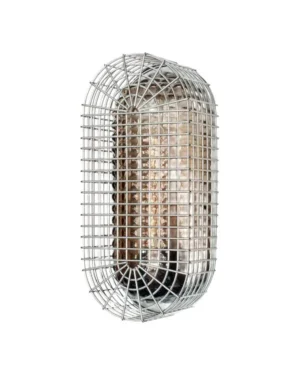
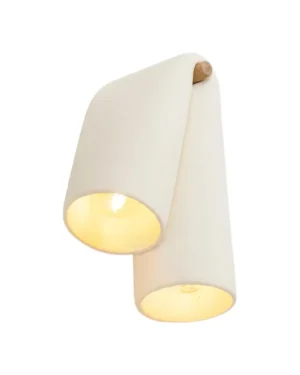
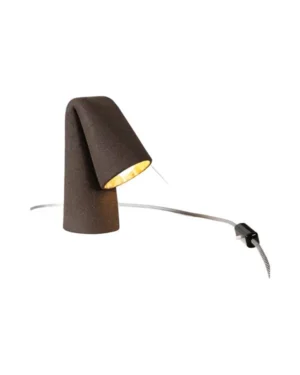
-

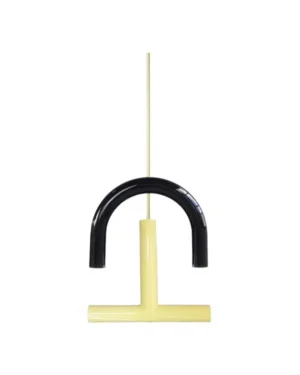
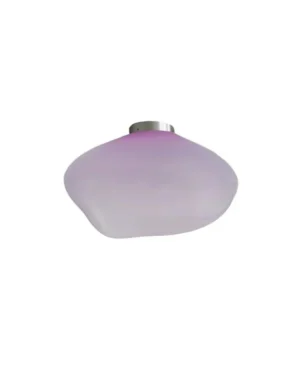
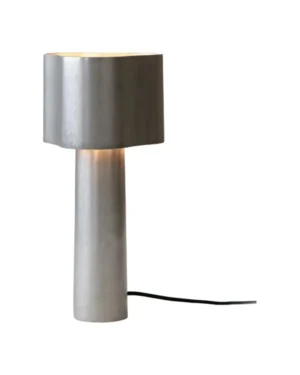
Maze Table Lamp in Recycled Plastic
By Stijn van Aardenne
€227€205 -
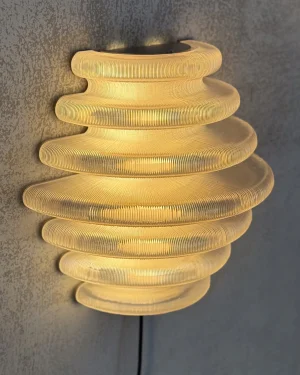
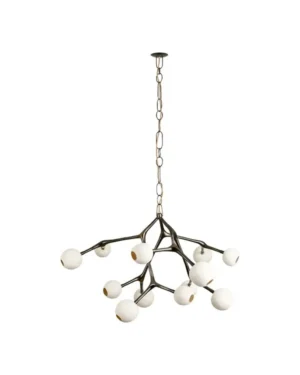
Hive Wall Lamp In Recycled Plastic And Stainless Steel
By Stijn van Aardenne
€805 -

Maze Floorstander Floor Lamp in Recycled Plastic
By Stijn van Aardenne
€1.447 -

Maze Medium Table Lamp in Recycled Plastic
By Stijn van Aardenne
€579 -
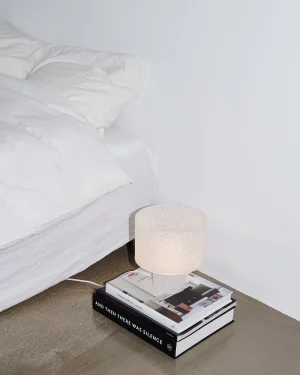 In stock
December Table Lamp
By 91-92
€235 - €419 -

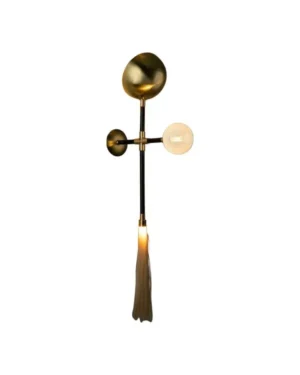
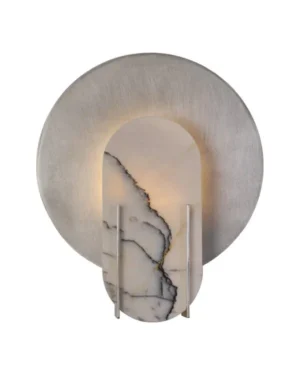
Dyptich Wall Sconce in Brass and Recycled Plastic
By SIGNATURE OBJECTS
€1.800 -

Second Tide Table Lamp In White Recycled Plastic And Brass
By Harshita Jhamtani Designs
€1.340 -

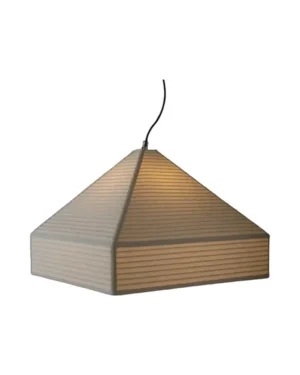
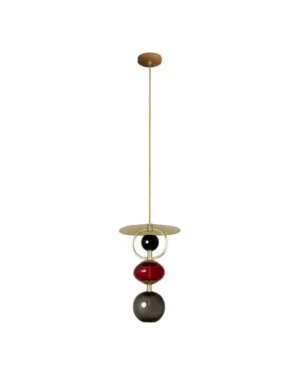
Wind Pendant Lamp in Aluminum, Copper & Recycled Plastic
By SIGNATURE OBJECTS
€1.200 -

Leaky Lamp I Table Lamp in Ash Wood and Bioplastic
By Pablo Ejarque-González
€1.050 -
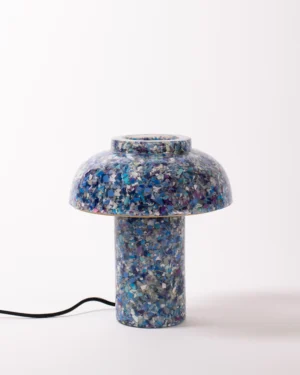
Second Tide Table Lamp In Blue Recycled Plastic And Brass
By Harshita Jhamtani Designs
€1.340 -
 In stock
B. S. P Series Table Lamp in Recycled Plastic
By Atelier SOHN
Price Upon Request -
 In stock
B.S.P Series Floor Lamp in Recycled Plastic
By Atelier SOHN
Price Upon Request
Recycled plastic lamps take post-consumer waste — bottle caps, packaging offcuts, ocean-bound fragments — and turn it into light fixtures with color and form that would be hard to reach any other way. Studios working with reclaimed polymer cast it into blocks, shred and remold it into shades, or feed it into printers that build a form layer by layer. The material keeps a trace of its past life: flecks, gradients, a surface that never repeats exactly the same way twice.
What defines recycled plastic lamps
The color in these pieces comes from the waste stream itself, so a batch of ocean plastic or mixed packaging will shift tone from one casting to the next. Some shades stay translucent and glow from within when lit, holding onto the slight cloudiness of the source material. Others are opaque and read as solid color, off-white, blue or black, with the light working more as a counterpoint to the form than a feature in its own right.
Materials, finishes and techniques found here
Recycled plastic rarely stands alone on ADORNO's lamp pages; it is often paired with brass, aluminum, stainless steel or resin for a base, a fitting or a structural frame. Across the material pages you will find a range of approaches to the same waste stream:
- Finishes and tones: transparent, off-white, gold, white, blue, ivory, copper and black
- Styles: contemporary, sustainable, futuristic, minimalist, neo-industrial, art deco and Japandi
- Techniques: resin casting, 3D printing, digital fabrication, metalwork, generative design and hand assembly
- Editions: open editions, limited runs and unique pieces, depending on how the studio works
A full view of what is currently made from this material, lamps and otherwise, sits on the recycled plastic material page, which also covers recycled plastic lighting beyond lamps alone.
How to choose a recycled plastic lamp
Scale first: a table lamp cast in thick, opaque plastic can look heavier than its actual weight suggests, so measure the surface it will sit on before committing to a shade diameter. Floor lamps in this material tend to read as sculptural objects even when unlit, so height and silhouette matter as much as the light output.
Finish second: a glossy, resin-cast surface throws reflections and suits a room with other hard materials, while a matte, 3D-printed texture sits more quietly next to wood or textile. If the base pairs plastic with metal, check how the two finishes sit together, since a warm brass foot will read differently against a cool blue shade than against an ivory one.
Where these lamps work
Recycled plastic lamps suit rooms where color and form are allowed to do some of the work, rather than disappearing into the background. A single colored table lamp can anchor a living room seating group, while a smaller, translucent piece on a nightstand gives a bedroom a soft, colored glow rather than a flat white one. Studios working in futuristic or neo-industrial styles often pair the material with exposed fittings, which suits a study or a workspace more than a formal dining room.
Caring for a recycled plastic lamp
Most recycled plastic surfaces take a wipe with a damp cloth and a mild, non-abrasive cleaner; avoid solvents, which can dull or cloud the surface over time. Keep cast or printed shades out of direct, sustained sunlight, since UV exposure can fade colored plastics faster than it fades wood or metal. Beyond that, these lamps ask for little: no oiling, no waxing, just the same care any colored object needs to hold its tone.
How do I choose a recycled plastic lamp?
Decide whether you want the shade to glow translucent when lit or read as solid color when off, then check the base material, often brass, aluminum or steel, against the rest of the room.
How do you clean and care for a recycled plastic lamp?
Wipe the shade with a soft, dry or barely damp cloth and keep it away from direct heat sources, which can soften or warp reclaimed polymer over time.
Will the color match what I see in photos?
Not exactly. Color comes from the waste stream itself, so tone can shift from one casting to the next, which is part of working with reclaimed material.
What size lamp suits a side table versus a floor space?
Table and desk lamps generally sit low enough to clear sightlines when seated, while floor lamps anchor a corner or reading chair; the maker can confirm exact dimensions with Chat with the maker on the piece's page.
Which rooms suit recycled plastic lamps?
Translucent shades suit living rooms and bedrooms where the glow matters after dark, while opaque, solid-color versions work well in studies or entryways as daytime form first.
How does shipping, returns and authenticity work when buying through ADORNO?
Shipping is insured and worldwide, with a 14-day return policy excluding made-to-order pieces, a certificate of authenticity included, and a lowest-price guarantee.