












-
 In stock
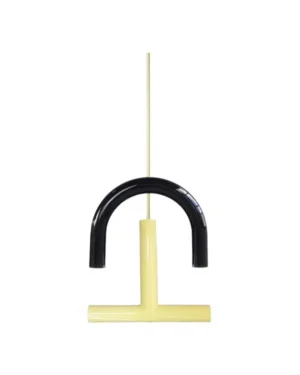
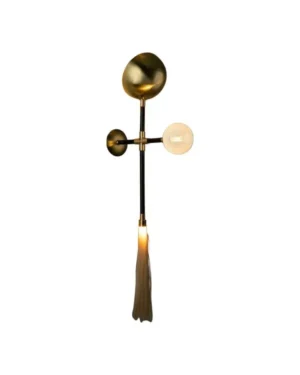
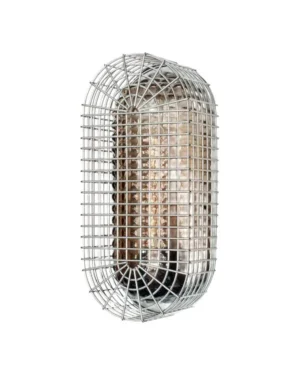
Held In Tension No. 01 Wall Sconce In Metal And Paper
By Aysenur Dagdelen
€170 -

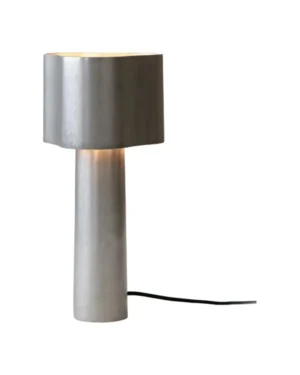
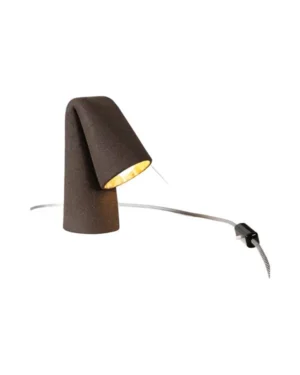
Rotonda Table Lamp in Resin
By Adrian Cruz
€2.420 -
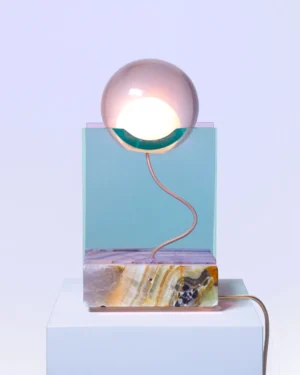
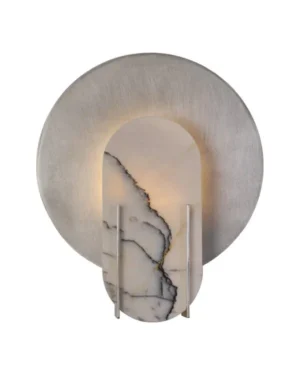
Rotonda Table Lamp in Resin
By Adrian Cruz
€2.380 -

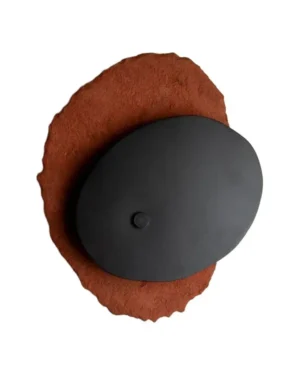
Lampadulure Purple Floor Lamp in Metal and Plaster Composite
By BehaghelFoiny Studio
€3.000 -
 In stock
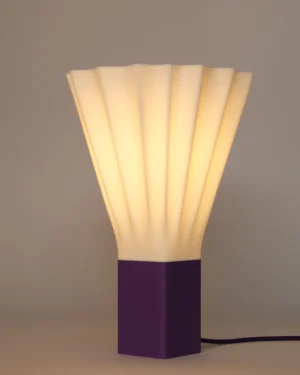
Plissé Mini – Table Lamp In Iris Purple
By Vlad Oganov Objects
€299 -
 In stock
Mujo M Reol Wall Sconce in Walnut Wood and Washi Paper
By Prangé
€1.706 -
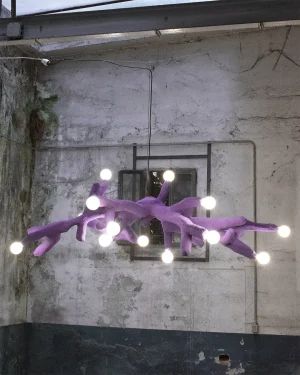
Corallo Chandelier in Alder Wood
By Jonathan Bocca
€15.000 -
 In stock
Mujo M Aray Wall Sconce in Walnut Wood and Washi Paper
By Prangé
€1.706 -

Baile Large Floor Lamp in Metallic Tape and Glass
By Cultivado em Casa
€7.870 -

Constellation Set Of 3 Pendant Lamp In Blown Glass
By ELOA - Unique Lights
€9.060 -
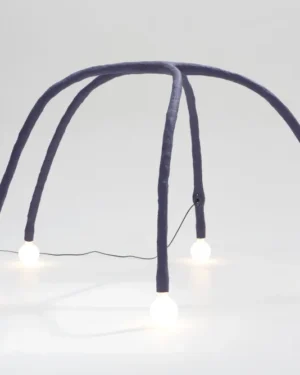 In stock
Ic-13 Floor Lamp In Resin, Foam And Natural Fibers
By Studio Josha
€9.900 -
 In stock
Baile Medium Floor Lamp in Metallic Tape and Glass
By Cultivado em Casa
€6.260 -
 In stock
Empilé Petit – Table Lamp In Iris Purple
By Vlad Oganov Objects
€299
Purple lamps on ADORNO span a wide register, from violet resin poured into cast shells to blown glass colored through the melt, from dyed walnut bases to folded washi paper shades lit from within. Each piece comes from an independent studio or designer working by hand, so the same base color reads differently depending on the material and the way it was made. Unlit, a purple lamp behaves like any sculptural object; switched on, the color shifts toward the light source and the maker's choices become visible.
What gives purple its depth in a lamp
Purple in a lamp usually comes from one of two places: it is mixed into a translucent material so light passes through it, or it sits on the surface as a dye, glaze or paint. Resin and glass fall into the first group, where the color changes character as the bulb brightens or dims. Lacquered metal, dyed wood and printed bioplastic fall into the second, holding a steadier shade whether the lamp is lit or not.
Materials and techniques behind purple lamps
Resin casting produces deep, saturated purples with a slight glow when backlit, while glassblowing tends toward lighter, more variable tones since each piece is shaped and colored by hand. Walnut and other solid woods carry purple as a stain over the grain, so the wood's texture stays visible underneath. Folded washi paper and metallic tape treat purple as an applied surface rather than a tint running through the material.
Techniques found among these pieces include resin casting, glassblowing, metalwork, wood and cabinetmaking, paperwork, plastering and digital fabrication such as 3D printing. Because many studios work in small runs, purple lamps are offered as unique pieces, limited editions or open editions, the first two carrying more variation from one lamp to the next.
Choosing a purple lamp for scale and placement
Start with how the lamp will be seen from. A table lamp sits at eye level when seated, so its color faces the room directly; a floor lamp's base and body matter as much as the shade, since it is seen from across a room before it is switched on. Scale against the surface it stands on: a lamp that dwarfs a side table, or disappears next to a sofa arm, throws off the proportions of the space around it.
Finish affects how strongly the purple reads. Matte resin or paper softens the color, while polished metal or glossy lacquer sharpens it and throws reflections. If a lamp will be judged mostly for its glow after dark, weight how light passes through the material; if it works as much as a daytime object, weight the surface finish and form instead.
Rooms suited to purple lamps
Purple carries enough presence to anchor a room without a matching palette built around it. A single purple lamp against white or neutral walls holds its own as a focal point. In a living room, it can sit on a console or side table as a counterpoint to upholstery and wood tones; in a bedroom, a smaller version works well bedside, where its color is seen mostly in low, warm light.
Caring for resin, glass and wood finishes
Resin and bioplastic lamps resist moisture but can scratch, so dust with a dry or barely damp cloth rather than an abrasive cleaner. Blown glass should be wiped rather than wet-cleaned at the seams or joins where it meets a metal or wood base. Dyed and stained wood bases react to direct sun over time, fading unevenly, so keep them away from windows that get strong afternoon light. Metal lamps with painted purple finishes hold their color well but should be kept away from abrasive polishes that can strip a lacquer coat.
For the wider range, see all lamps or every purple piece across lighting, furniture and objects on ADORNO.
How do I choose a purple lamp?
Decide whether you want the color to glow or stay constant: resin and glass shift in tone as the bulb brightens, while lacquered metal, dyed wood or printed bioplastic hold a steadier purple whether lit or not.
How do you care for a purple lamp?
Dust glass and resin with a dry cloth and keep them from direct sun, which can fade a dye or glaze over time. Wipe metal bases dry if damp, and avoid solvents on painted or lacquered surfaces.
What size or height should a purple lamp be?
A table lamp usually sits between desk height and eye level when seated, while a floor lamp should clear nearby seating so its shade casts light down rather than into the eyes. Check each piece's listed dimensions before ordering.
Which rooms suit a purple lamp?
Deep, saturated purples from resin or glass suit a living room or reading corner where the glow becomes part of the evening light. Lighter or dyed purples work well on a bedroom nightstand or a study desk.
Can I order a custom purple lamp?
Some makers take custom requests on size, finish or color depth. Use Chat with the maker on the piece's page to ask directly.
What are ADORNO's shipping, returns and authenticity policies?
Shipping is insured and worldwide. Returns are accepted within 14 days, except for made-to-order pieces. Every lamp comes with a certificate of authenticity, and ADORNO offers a lowest-price guarantee.