












-
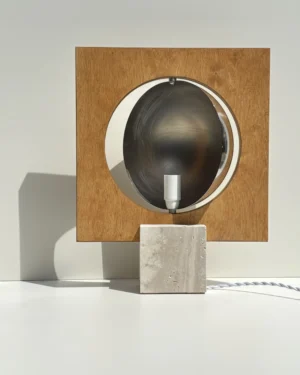 In stock
Galileo Lamp 2.0 Table Lamp In Concrete And Plywood
By Edoardo Lietti Studio
€600 -
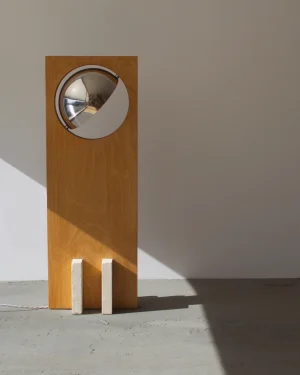
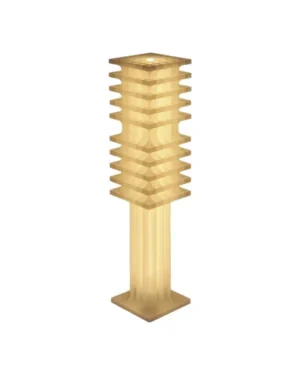
Galileo 2.3 Floor Lamp In Marble And Plywood
By Edoardo Lietti Studio
€1.050 -
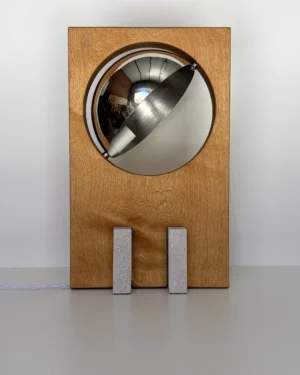
Galileo 2.2 Table Lamp In Marble And Plywood
By Edoardo Lietti Studio
€750 -
 In stock
Herbarium Mini Lunaria Annua Wall Sconce In Glass And Plywood
By Mateusz Wappa
€1.200 -
 In stock
Herbarium Mini Daucus Carota Wall Sconce In Glass And Plywood
By Mateusz Wappa
€1.200 -
 In stock
Practice Table Lamp – Square in Orange Plywood
By Studio Fabius Clovis
€632 -
 In stock
Herbarium Eryngium Planum Wall Sconce In Glass And Plywood
By Mateusz Wappa
€2.000 -
 In stock
Tundra Floor Lamp
By Gábor Góbi
€4.990 -
 In stock
Herbarium Rumex Acetosa Wall Sconce In Glass And Plywood
By Mateusz Wappa
€2.000 -
 In stock
Herbarium Tanacetum Vulgare Wall Sconce In Glass And Plywood
By Mateusz Wappa
€2.000
Plywood lamps are built from thin sheets of wood veneer pressed and glued with the grain running in alternating directions, then cut so that layered edge shows through the base, the shade or the arm. The material comes out of workshops that work in wood and cabinetmaking, where saws, routers and sanders turn flat sheets into table and floor forms. Because each layer takes light and stain the same way, the striped edge reads clearly whether the lamp is lit or standing dark in a corner.
How plywood behaves as a light source
Plywood is rigid for its weight, so a base can be slim without wobbling, and a shade can be thin without splitting. Cut edges show a line of light and dark bands, a record of every sheet that went into the stack, and that banding catches side light in a way a solid block of wood does not. Left unfinished, plywood stays pale and slightly cool in tone; a coat of oil or paint will shift the color toward amber or hide the grain under a single flat shade such as black and white or orange.
The range of finishes and techniques
Within plywood lighting at ADORNO, the material sits alongside other sheet and cast materials used for the same kind of object: dried flowers, blown glass, biomaterials grown rather than cut, birch veneers close in character to plywood, concrete, marble and walnut. Finishes run from natural and brown through to orange and graphic black and white, and styles range from a plain, minimalist stack to biophilic or wabi-sabi pieces that leave rough edges and visible glue lines on view.
Technique sets the price of entry into a piece as much as finish does. Alongside wood and cabinetmaking, you will find biofabrication, metalwork, stone carving, concrete casting, hand assembly and even painting and drawing used to finish a plywood base. Editions run from open runs, repeated by a studio on demand, to unique pieces where the cut, the stain or the assembly will not be repeated. The full range of plywood pieces, lamps included, sits under plywood design on ADORNO, and the wider lamp range, in metal, glass, ceramic and other wood, is gathered under designer lamps.
How to choose a plywood lamp
Scale matters more with plywood than with blown glass or cast metal, because a stack of sheets reads as a block rather than a line. A table lamp should sit comfortably below eye level when seated, leaving the bulb or diffuser just out of direct sightline; a floor lamp needs enough height to clear a sofa arm or a bed frame without the shade crowding a reader's shoulder.
Finish decides how much the lamp asks of a room. A natural or lightly oiled piece will blend into an oak or birch setting and let the banding do the talking, while a painted or black-and-white finish works as a single graphic object against a plainer wall. For anyone building toward a quieter room, the minimalist lamps group narrows the search to pared-back forms, and plywood lighting covers pendants and sconces cut from the same sheets.
Where plywood lamps suit a room
A plywood floor lamp carries enough visual weight to anchor a seating group without the bulk of solid timber, which makes it a steady choice for a living room. Table versions sit well on a nightstand or desk, where the layered edge is close enough to study at a reading height, and they pair easily with other plywood pieces such as a cabinetmaking-built chair or a side table from the wider plywood furniture range.
Caring for a plywood lamp
- Dust with a soft cloth, following the grain of the visible edge.
- Keep unfinished or oiled plywood out of strong, direct sun, which will lighten the surface unevenly over time.
- Re-oil an unfinished base occasionally if the wood starts to look dry or chalky.
How do I choose a plywood lamp?
Look at the cut edge first, since that banding carries the design, then decide between a table or floor form based on where the light needs to fall in the room.
How do you care for a plywood lamp?
Dust with a dry or slightly damp cloth and keep it away from standing water. Unfinished plywood will pale slightly over time, while oiled or painted surfaces hold their color longer.
What size or height should I get?
Table lamps generally sit between 18 and 30 inches, floor lamps between 50 and 65 inches. Check the measurements on each piece's page against the surface or floor space you have.
Which rooms suit plywood lamps?
The pale, banded edge reads well against most interiors, so these lamps work as easily on a living room console as on a bedside table or a reading corner.
Can I get a plywood lamp custom made?
Some makers take custom orders in different finishes or dimensions. Chat with the maker on the piece's page to ask directly.
How does shipping and returns work when buying through ADORNO?
Shipping is insured and worldwide. Returns are accepted within 14 days, except on made-to-order pieces, and each lamp comes with a certificate of authenticity plus a lowest-price guarantee.