
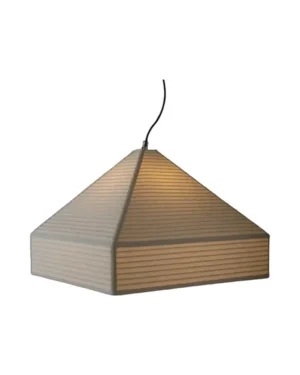
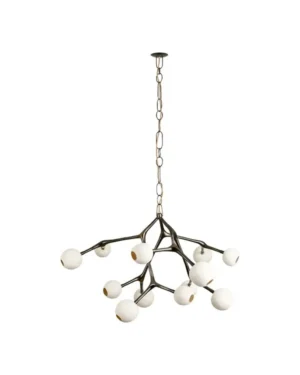
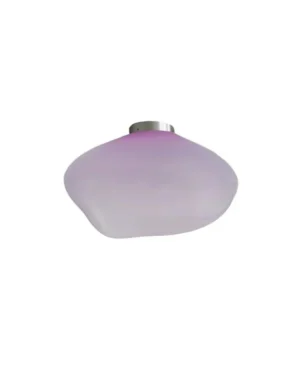





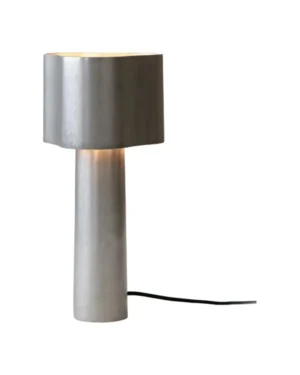




-
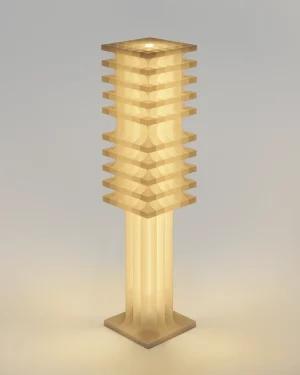
Citadel Floor Lamp in 3D Printed PLA
By Ultramar Studio
€1.400 -
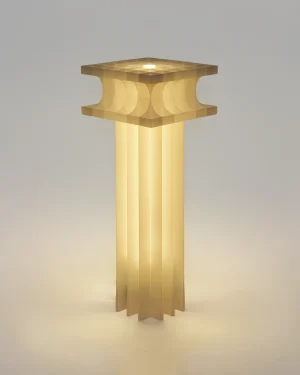
Citadel Table Lamp in 3D printed PLA
By Ultramar Studio
€1.100 -
 In stock
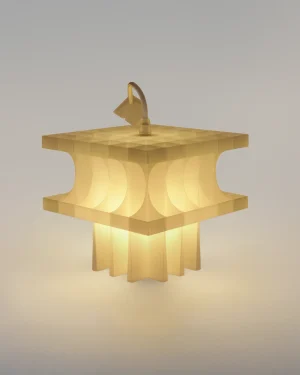
Citadel Small Table Lamp In 3d Printed Pla
By Ultramar Studio
€850 -
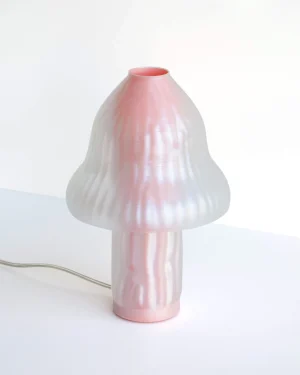 In stock
Lampamodelé Pink Table Lamp In 3d Printed Pla
By BehaghelFoiny Studio
€99 -
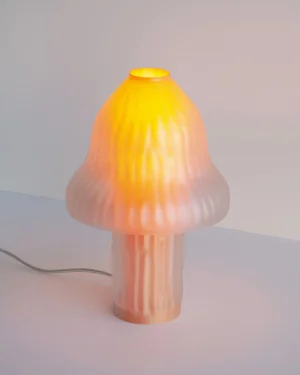 In stock
Lampamodelé Table Lamp In 3d Printed Pla
By BehaghelFoiny Studio
€99 -
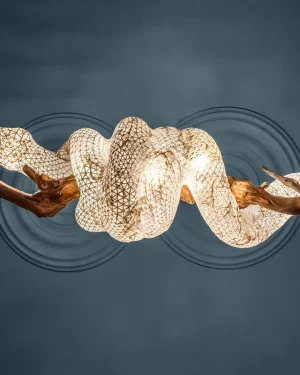
The Staff Of Asclepius Chandelier In Pla And Wool
By Danik Uderbekov
€2.500 -
 In stock
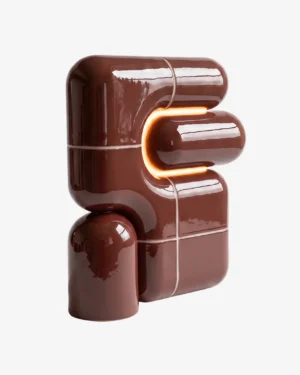
Crush On You Floor Lamp in 3D Printed PLA
By M’ama edizioni
€380 -
 In stock
U-021 Table Lamp In Garnet Pla
By Rollo Studio
€795 -
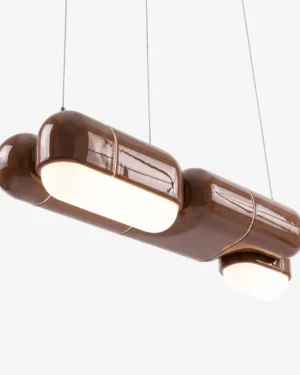
U – 044 – Pendant – Umber
By Rollo Studio
€2.345 -
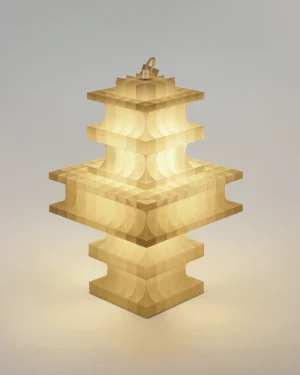
Citadel Large Lantern Light Sculpture
By Ultramar Studio
€1.250 -
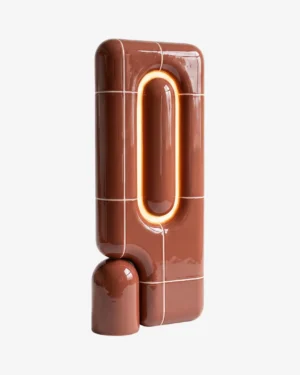
U-037 Table Lamp In Oxide Pla
By Rollo Studio
€940 -
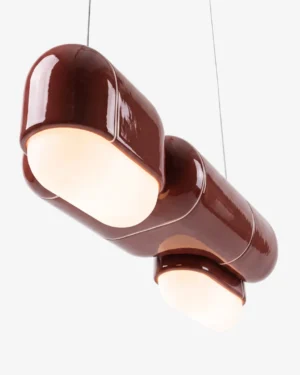
U-039 Pendant Lamp In Garnet Pla
By Rollo Studio
€1.995 -
 In stock
Mini Sombrilla Wall Sconce in 3D Printed PLA
By Studio Parenthesis
€330 -
 In stock
Nebula Table Lamp in 3D Printed PLA
By Cornu Design
€250 -
 In stock
Off-form Lamp, Cube
By Nao Iyama
€1.350 -
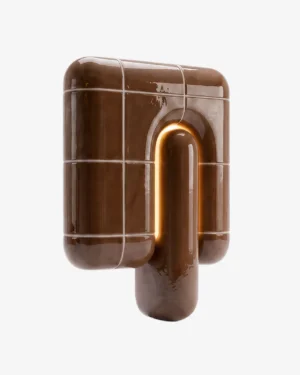
U-013 Wall Lamp In Umber Pla
By Rollo Studio
€820 -
 In stock
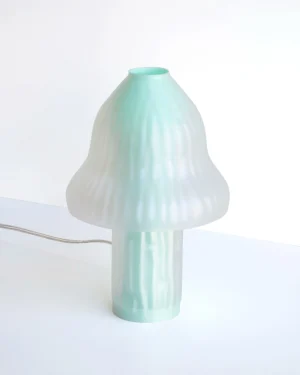
Cheese Floor Lamp in PLA-Woodfill
By M’ama edizioni
€380 -
 In stock
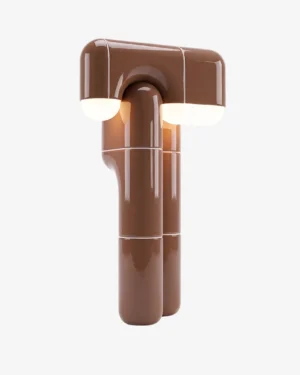
Lampamodelé Blue Table Lamp In 3d Printed Pla
By BehaghelFoiny Studio
€99 -
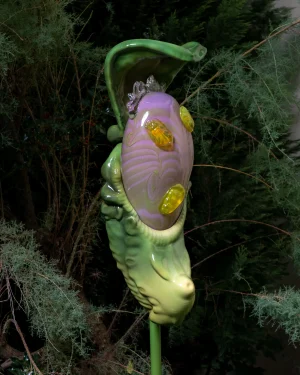
U – 016 – Table Lamp – Umber
By Rollo Studio
€1.380 -
 In stock
Lapas Paradiso Novo Series Floor Lamp in Blown Glass and PLA
By Anna Jožová
€9.500 -
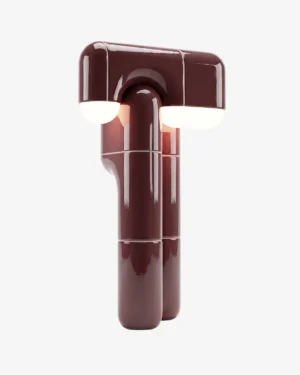
U-016 Table Lamp In Oxblood Pla
By Rollo Studio
€1.380 -
 In stock
Nebula Table Lamp in Pink and Blue PLA
By Cornu Design
€250 -
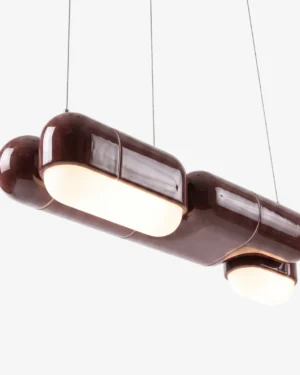
U-044 Pendant Lamp In Oxblood Pla
By Rollo Studio
€2.345 -
 In stock
Off-form Lamp, Cuboid
By Nao Iyama
€1.800 -
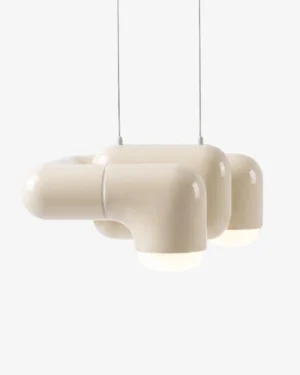
U-048 Pendant Lamp In Cream Pla
By Rollo Studio
€1.765 -
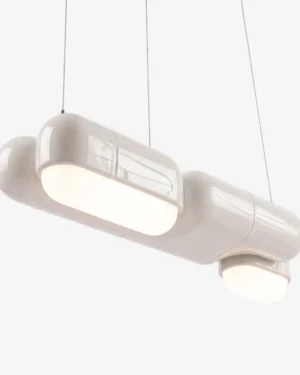
U-044 Pendant Lamp In Chalk Pla
By Rollo Studio
€2.345 -

Patagonia Pendant Lamp In Black Wood
By espina corona
€400 -
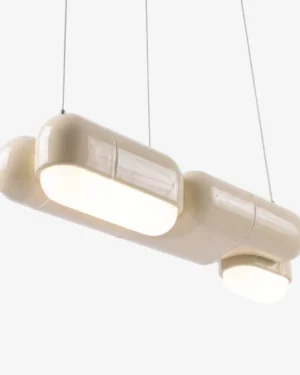
U-044 Pendant Lamp In Cream Pla
By Rollo Studio
€2.345 -
 In stock
Off-form Lamp, Cube S
By Nao Iyama
€760 -
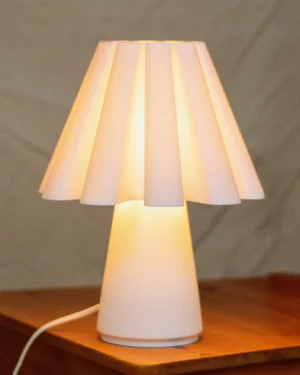
Ruff Table Lamp In Recycled Pla
By Mina Wright
€238
Pla lamps are built layer by layer on a 3D printer, each pass of plant-based filament fusing to the one below until a shade or base reaches its final form. The material comes from renewable sources such as corn starch, and the printing process leaves a visible ridge pattern that most studios choose to keep rather than sand away. Independent designers use this technique to produce shapes that would be difficult to turn, mold or blow by hand, from faceted shades to spiraling bases.
What PLA is and how it behaves
PLA, short for polylactic acid, is a bioplastic derived largely from corn or sugarcane starch rather than petroleum. It is rigid once printed, light to lift, and takes color evenly, which is why pla lamps appear in tones from cream and ivory to deeper wine and orange. Unlit, the ridged surface reads mainly as texture and shadow; lit, the same layers let light pass unevenly through the walls of the shade, so the glow itself carries the pattern of the print.
The range of finishes and editions
Printing lets a designer repeat a form precisely or vary it slightly between runs, so pla lamps on ADORNO span open editions, limited editions and unique pieces within the same broad technique. Finishes include transparent and semi-transparent shades that work as diffusers, solid-color bases in beige, pink or off-white, and pieces finished afterward with hand painting or drawing for added depth. Some studios pair 3D printing with other methods, digital fabrication, hand assembly or biofabrication, to add detail a printer alone cannot.
- Materials and related bioplastics: pla, bioplastic, recycled polypropylene
- Colors: cream, ivory, wine, transparent, pink, beige, orange, off-white
- Styles: contemporary, minimalist, conceptual, sustainable, midimalism
Choosing a pla lamp for a room
Scale matters more with printed forms than with many other materials, since a shade that looks sculptural at tabletop height can overwhelm a side table or disappear on a floor base. Measure the surface or floor space first, then match the lamp's footprint and shade diameter to it, leaving enough clearance for the light to spread without glare. For reading or task lighting, a smaller, denser shade concentrates the glow; for ambient light in a living room or bedroom, an open or faceted shade scatters it more widely across the walls.
Placement also depends on how the piece behaves at night. A translucent shade set near a seating area throws patterned light onto nearby surfaces, while an opaque or heavily colored base reads mainly as sculpture during the day and as a softer glow after dark. Contemporary and minimalist lamps tend to suit rooms where the form should recede when off, while more conceptual or Baroque-leaning shapes hold attention in daylight too.
Where these lamps work best
Because PLA lamps are light and self-contained, they move easily between a living room, bedroom or home office without special wiring or support. Table and floor versions suit a living room where the glow mixes with other lighting, while smaller table lamps sit well on a nightstand or desk. The material's bioplastic base also makes it a fitting choice for rooms built around other sustainable or natural materials.
Caring for a PLA lamp
PLA is sensitive to heat: it can soften or warp if left near direct sun, a radiator or a bulb that runs hot, so a low-heat LED bulb is the safer choice. Clean the surface with a dry or barely damp cloth, since prolonged moisture and abrasive cleaners can dull the printed texture. Kept out of direct heat, a printed shade or base holds its ridges and color for years.
For the full range of lamps on ADORNO, see all lamps, or explore every PLA piece across categories. Related starting points include PLA lighting, PLA table lamps, and living room lamps.
How do I choose a pla lamp?
Choosing one depends on how you want the light to read: a faceted or spiraling shade scatters light unevenly, while a solid-color base stays matte. Consider whether you want the ridge pattern visible as texture by day and as glow by night.
Is PLA plastic safe and how do I clean a pla lamp?
PLA is a plant-based bioplastic, rigid and stable at normal use temperatures, though it softens near direct heat, so keep it away from high-wattage bulbs or sun-baked windowsills. Wipe the shade or base with a dry or barely damp cloth; avoid solvents.
What size are pla lamps, table or floor?
Pla lamps include both table and floor forms, from compact bedside pieces to taller standing lamps, built layer by layer to the designer's specification. For exact dimensions on a particular piece, chat with the maker on its page.
Which rooms suit pla lamps?
Their light-filtering shades and lit ridge pattern suit living rooms and bedrooms where the glow is seen close up, though a sculptural floor version can anchor an entryway or reading corner just as well.
Are pla lamps handmade or made to order?
Many pla lamps are printed to order, since each shade or base is built layer by layer rather than kept in bulk stock, and some are finished afterward with hand painting. Made-to-order pieces are excluded from the 14-day return policy.
What happens when I buy a pla lamp through ADORNO?
Shipping is insured and worldwide, and a certificate of authenticity is included with every piece. Returns are accepted within 14 days, except made-to-order pieces, and ADORNO offers a lowest-price guarantee.