












-
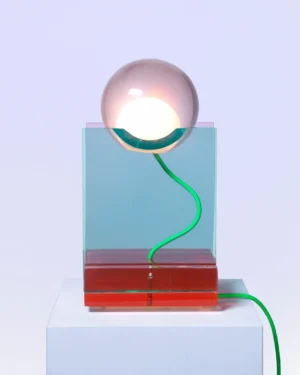
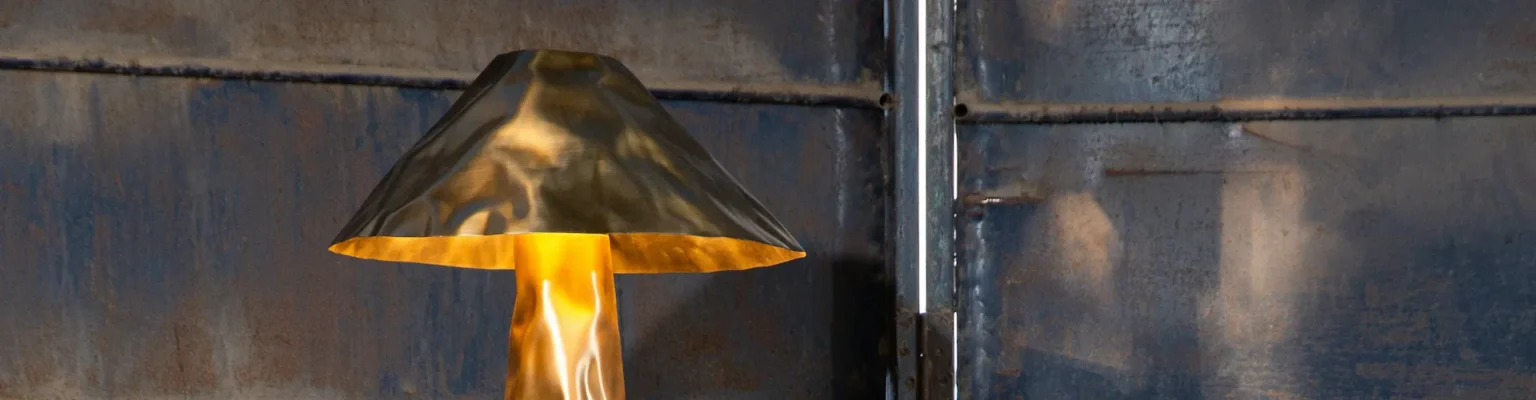
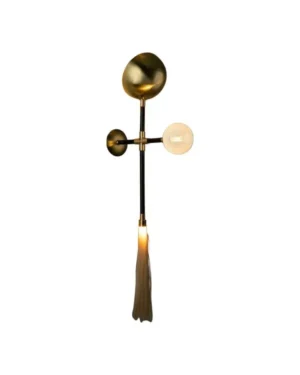
Rotonda Table Lamp in Resin
By Adrian Cruz
€2.420 -

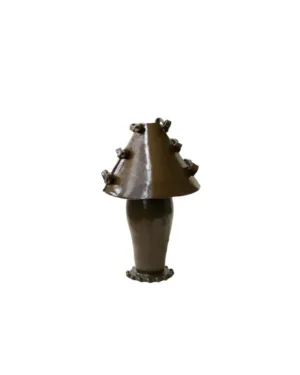
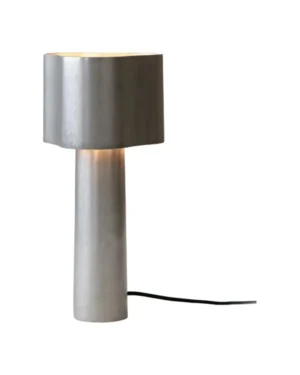
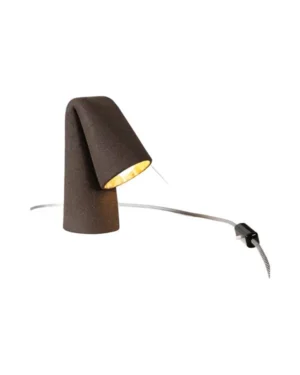
Knotto_01 Table Lamp In Glazed Stoneware And Synthetic Fibers
By Catalin Filip
€800 -
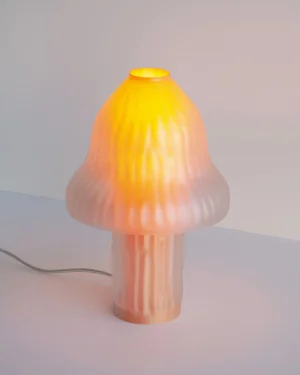
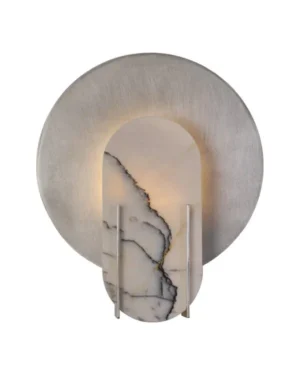
Lampamodelé Table Lamp In 3d Printed Pla
By BehaghelFoiny Studio
€99€90 -
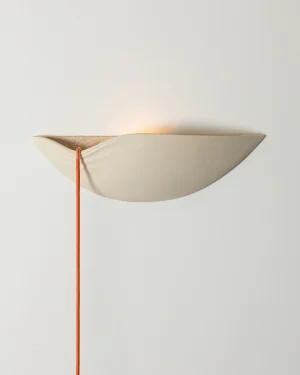
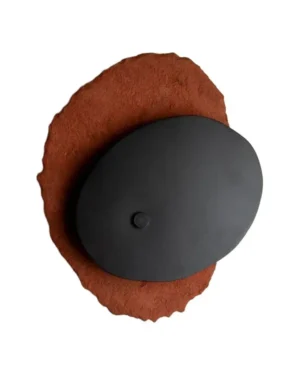
Loma Wall Sconce In Stoneware
By Catalin Filip
€450 -
 In stock
Shadow 24 Table Lamp in Orange Acrylic and Aluminum
By Andreas Berlin
€1.218 -
 In stock
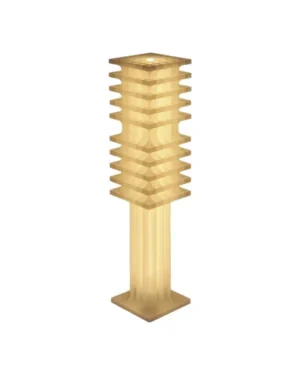
Practice Table Lamp – Square in Orange Plywood
By Studio Fabius Clovis
€632 -
 In stock
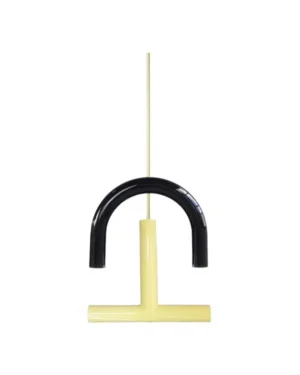
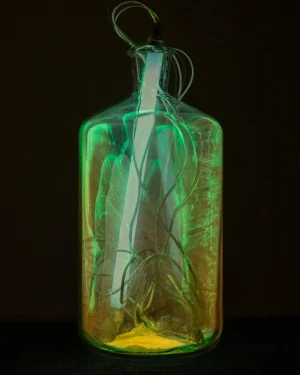
Äther Lucifer
By TUNK I Busra Tunc
€500 -
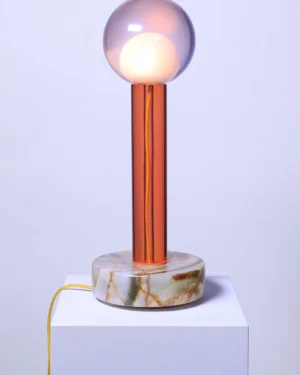
Tallo Table Lamp in Resin and Onyx
By Adrian Cruz
€2.380 -
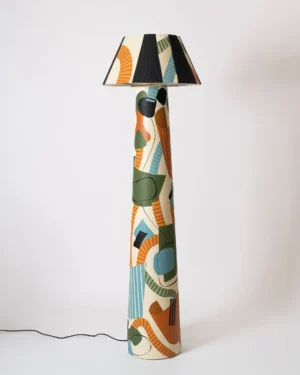
Hand Painted Rio Floor Lamp In Clay Paste And Mild Steel
By Harshita Jhamtani Designs
€3.940 -

The Omphalos Lamp
By Zoran Strijbosch
€600 -
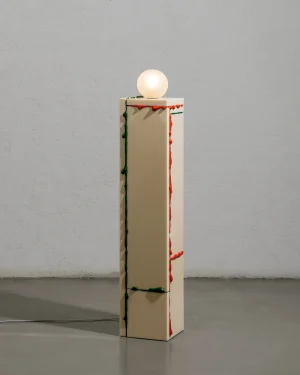 In stock
B.S.P Series Floor Lamp in Recycled Plastic
By Atelier SOHN
Price Upon Request
Orange lamps bring a warm, saturated color into a room through casting, glazing and painting rather than through the bulb itself: the pigment lives in resin, in a stoneware glaze, or in a coat of paint applied by hand, so the shade or body carries the color whether the lamp is lit or off. Independent studios and designers work across resin casting, hand-building and 3D printing to produce these forms, ranging from open editions to one-off pieces. The result is an object that behaves like a small sculpture by day and a source of warm, diffused light after dark.
How Orange Behaves in Resin, Ceramic and Steel
Resin holds pigment evenly through its thickness, so cast lamps glow a solid, saturated orange when lit and read as a dense, almost candy-like block in daylight. Glazed stoneware works differently: the color sits on the surface, pooling slightly in grooves and thinning at edges and high points, so no two pieces from a hand-building or glazing session are perfectly alike. Painted mild steel gives a flatter, more consistent orange, closer to lacquer, and tends to read as a graphic object rather than a glowing one.
Because these materials carry the color rather than relying on a tinted bulb, orange lamps keep their hue in daylight too, acting as a warm accent on a shelf or side table even before evening.
Materials, Finishes and Editions
Within the broader range of lamps on ADORNO, orange marks out pieces working in resin casting, glazed stoneware, hand-painted plaster composite and folded mild steel, with synthetic fiber shades and 3D-printed PLA forms appearing alongside the more traditional techniques. Styles move between eclectic, conceptual and neo-industrial shaping, and between Scandinavian restraint and biophilic, organic lines.
- Resin casting and acrylic resin for dense, glowing bodies and bold, graphic silhouettes
- Glazed ceramic and stoneware for hand-built forms with uneven, tactile surfaces
- Hand-painted plaster composite and metalwork for flatter, more consistent color
Editions run from open runs, repeated in a consistent glaze or resin mix, to limited editions and unique pieces where each lamp is finished by hand and will not be repeated. For the wider spread of this color beyond lighting, orange pieces across categories show how it is handled in furniture, vases and tableware as well.
Choosing a Lamp for Scale and Placement
Scale matters more with a strong color than with a neutral one: a small orange lamp reads as an accent, while a taller floor or table lamp becomes a focal point that pulls the eye before anything else in the room. Measure the surface it will sit on and leave enough clearance around the base so the shade is not fighting with books, plants or other objects nearby. A glazed or resin finish with some sheen bounces light further into a room than a matte, painted surface, which stays closer to a direct, contained glow.
Consider how a lamp looks switched off, since orange holds its presence in daylight: a glossy resin form can sit well in a contemporary room of pale walls and plain surfaces, where it has nothing to compete with.
Where These Lamps Work Best
Orange lamps suit rooms built for gathering and rest rather than quiet, neutral work spaces. A living room lamp in this color can anchor a seating area, paired with warm-toned wood or dark upholstery that keeps the orange from reading as too sharp. In a bedroom, a smaller glazed or resin lamp on a nightstand gives a warm, low pool of light suited to evening reading, without the starkness of white light.
Caring for Resin, Stoneware and Painted Metal
Resin and acrylic resin lamps resist moisture but scratch more easily than ceramic, so they are best wiped with a soft, dry cloth rather than an abrasive one. Glazed stoneware can be dusted or wiped with a damp cloth, though the unglazed base, common on hand-built pieces, should stay dry to avoid staining. Painted steel holds its color well but shows chips if knocked against hard surfaces, so set these orange lamps somewhere they will not be bumped often.
How do I choose an orange lamp?
Decide whether you want a saturated glow or a daytime accent: resin glows a solid orange when lit, glazed stoneware varies piece to piece, and painted steel reads as a flat, graphic color in any light.
How do I care for an orange lamp?
Dust resin and painted steel with a dry cloth, keep them from direct sun to limit fading, and wipe glazed stoneware with a damp cloth, avoiding abrasive cleaners on the glaze.
What size orange lamp do I need for a table or shelf?
A table lamp usually stands between knee and shoulder height when seated nearby, while a shelf or console piece can sit smaller since it reads as an object first, light second.
Which rooms suit an orange lamp?
Orange holds its warmth in daylight as well as after dark, so it works on a living room side table, a bedroom nightstand or a console where it reads as a small sculpture by day.
Can I order a custom orange lamp?
Some makers take custom requests on color, size or finish; chat with the maker on the piece's page to confirm what is possible.
What are ADORNO's shipping, returns and authenticity policies?
Shipping is insured and worldwide, returns are accepted within 14 days except on made-to-order pieces, and each lamp arrives with a certificate of authenticity.