





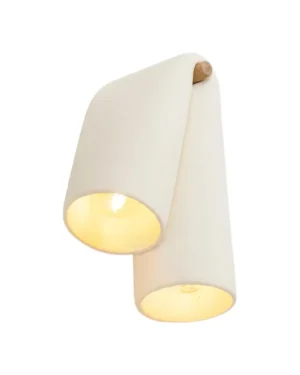
-

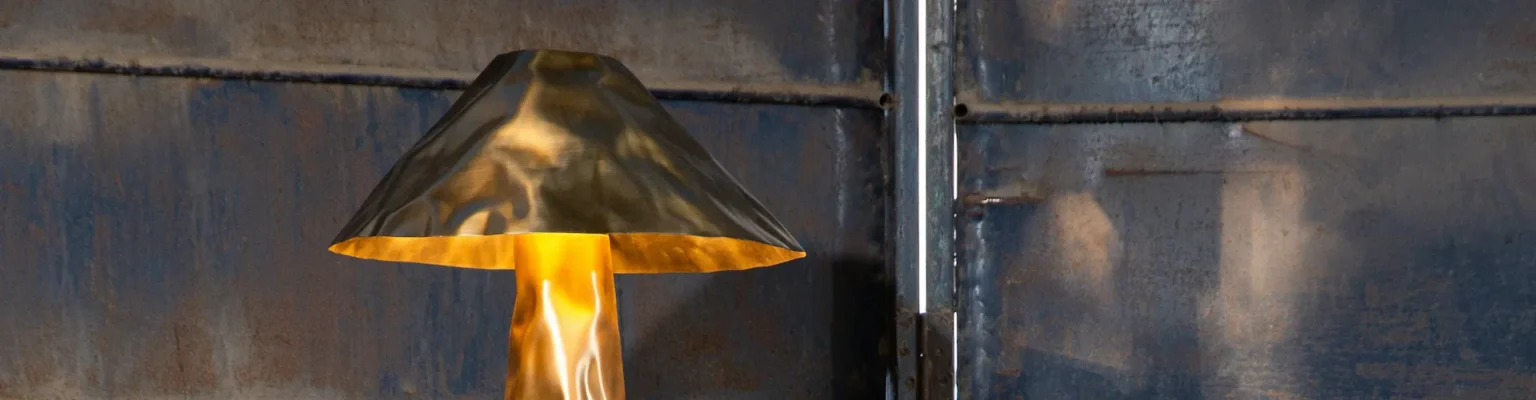
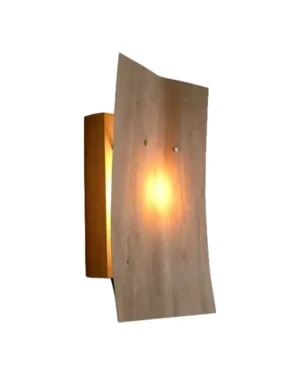
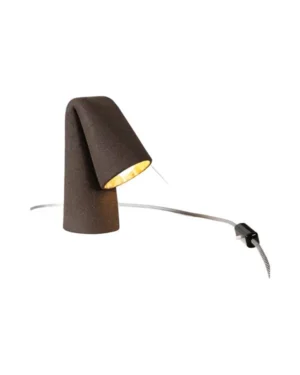
Ombrellina Table Lamp in Earthenware
By mattina moderna
€655 -
 In stock
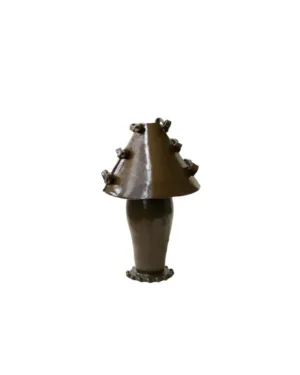
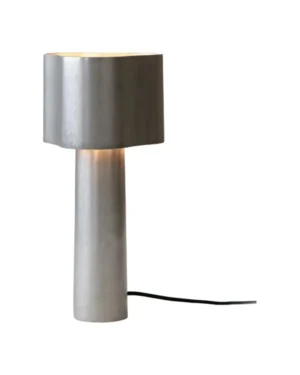
Caterina Table Lamp in Earthenware
By mattina moderna
€585 -
 In stock
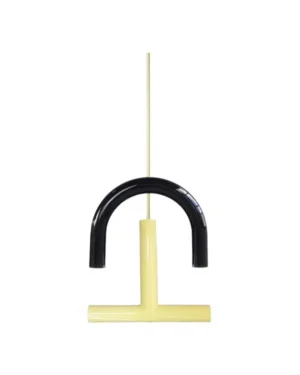
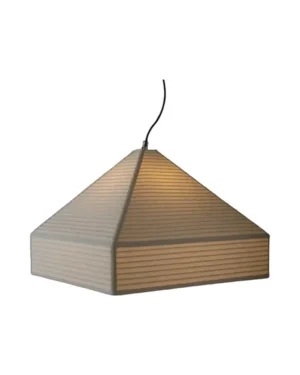
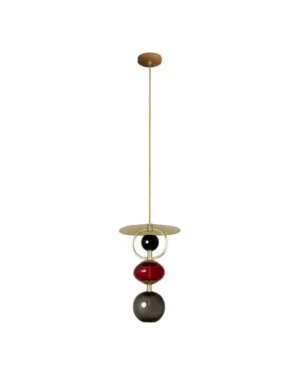
Svitlotin Olive Pendant Lamp in Stainless Steel
By SVITANOK
€890 - €960 -

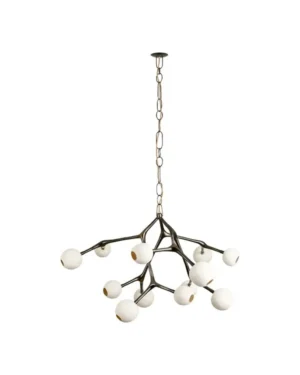
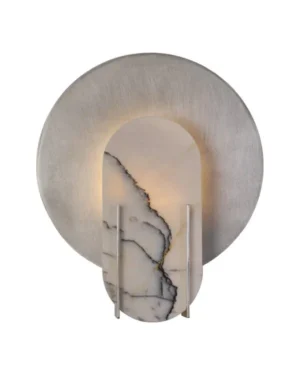
GP033 Chandelier in Brass and Blown Glass
By Naama Hofman
€4.200 -

GP032 Chandelier in Brass and Blown Glass
By Naama Hofman
€6.500 -

Small Wall Sconce in Blown Glass and Brass
By Naama Hofman
€700 -

Small Wall Sconce in Brass and Blown Glass
By Naama Hofman
€700 -

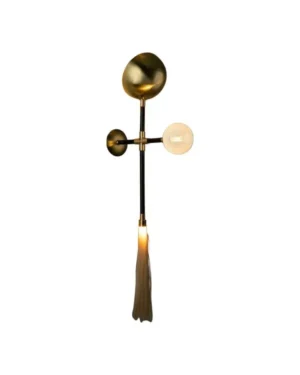
Double Wall Sconce in Brass and Blown Glass
By Naama Hofman
€1.150 -

Large Wall Sconce in Blown Glass and Brass
By Naama Hofman
€850 -
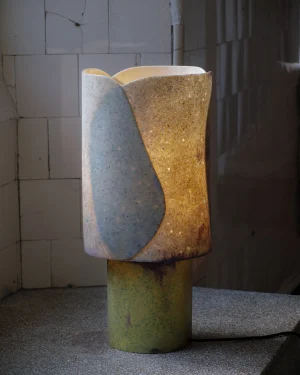
Verve Green Table Lamp in Bio-based Resin
By Justyna Poplawska
€1.900 -
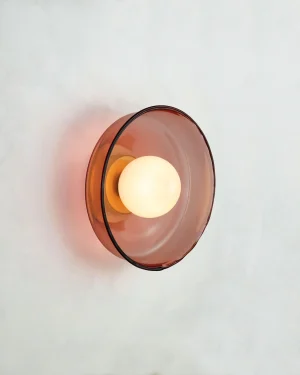
Large Wall Sconce in Brass and Blown Glass
By Naama Hofman
€850 -
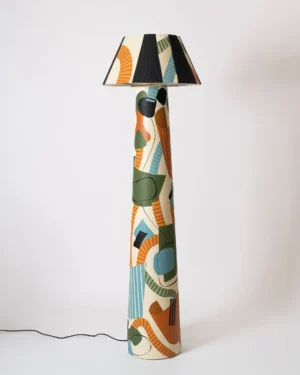
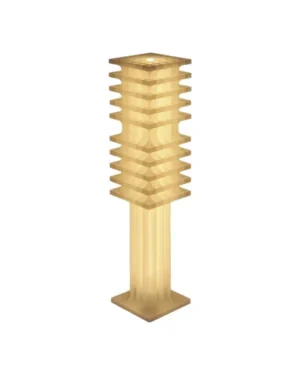
Hand Painted Rio Floor Lamp In Clay Paste And Mild Steel
By Harshita Jhamtani Designs
€3.940
Olive lamps carry a muted, earthy green into glazed ceramic, blown glass and brass forms, made by independent studios working across wheel throwing, hand-building, glassblowing and metalwork. The tone sits between sage and moss, never bright, so it reads as neutral as it does as color. Some pieces come as limited editions, others as open runs, but the shade itself stays grounded and calm in either case.
What gives olive its depth
In glazed earthenware, olive comes from metal oxides fired into the surface, so the color shifts slightly across a run and deepens where the glaze pools thick in a groove or base. Blown glass holds olive as a solid saturation or lets it fade toward the foot of the piece, translucent enough to glow when lit. Brass, by contrast, carries olive as a painted or patinated finish over the metal rather than a dye in the material, so the warmth of the brass underneath can still show at an edge or a seam.
The range of materials and finishes
Lamps in this color span a wider set of materials than the glaze alone suggests. Mild steel bases turn up with an olive powder coat, flat and matte against a glossy ceramic shade. Plaster composite forms take the color as a chalky, absorbent surface, closer to stone than to glass. Resin pieces can trap olive as a cloudy, layered tone, while hand-painted and hand-built ceramics let brushwork or fingerprints stay visible under the glaze.
- Blown glass: saturated or graded olive, often paired with brass fittings
- Glazed earthenware: wheel-thrown or hand-built, with natural variation piece to piece
- Metal: steel or brass in a painted or patinated olive finish
- Plaster and resin: matte, stone-like or layered surfaces in muted green
Editions vary by studio and technique. Hand-blown and hand-glazed pieces tend to come in limited editions, since no two firings or blows are identical, while some metal and resin forms are produced as open editions.
Choosing an olive lamp for scale and placement
Table lamps in this color work well near seating, where the shade sits at eye level and the glaze or glass catches side light rather than overhead light. A squat ceramic base reads differently on a low side table than it does on a tall console, so check the lamp's proportion against the surface it will stand on before the color. Pendant versions in olive glass suit a lower hang over a dining or reading spot, where the tone can sit close enough to study the texture.
Wall-mounted olive pieces in brass or steel work as a fixed accent in a hallway or a reading corner, where the finish catches ambient light without competing with a window. If a room already carries warm wood tones, an olive shade in glass or glazed ceramic tends to sit easily alongside them rather than fight for attention.
Where olive lamps suit a room
The color sits comfortably in a living room, where a muted green reads as calm rather than decorative, and in a bedroom, where the same restraint suits low, indirect light. It also holds its own in a study or a reading nook, paired with dark wood or leather, since olive neither brightens a space nor disappears into it.
Care for glazed, glass and metal finishes
Glazed ceramic and glass shades need only a dry or lightly damp cloth; avoid abrasive cleaners, which can dull a matte glaze or scratch a painted surface. Brass or steel bases in an olive finish should stay away from damp conditions that encourage the metal underneath to corrode through a worn patch. Keep painted surfaces out of direct, prolonged sun, which can fade the green faster than it fades a natural material like brass or wood.
For the full range of greens, see every olive piece on ADORNO, including olive lighting beyond lamps and olive furniture for the rest of a room. For other finishes and forms within the category, browse all lamps or narrow by material with metal lamps.
How do I choose the right olive lamp?
Think about the material first: glazed ceramic reads soft and matte, blown glass glows when lit, and brass or steel bases bring a harder edge to the same color.
How do I care for an olive lamp?
Dust ceramic and glass with a dry cloth, keep plaster composite away from damp, and wipe brass or steel with a soft cloth to protect the finish from fingerprints and moisture.
Will an olive lamp fade or change color over time?
Glazed ceramic and glass hold their color indefinitely, while painted or patinated brass and steel can shift slightly at edges as the finish wears to show the metal beneath.
What size olive lamp do I need?
Table lamps generally sit low enough to light a desk or bedside without glare, while floor and pendant versions carry more visual weight for larger rooms; the maker can confirm exact dimensions through Chat with the maker on the piece's page.
Which rooms suit olive lamps best?
The muted, earthy tone works as a neutral, so olive lamps suit living rooms, bedrooms and studies alike, settling into both quiet and layered color schemes.
What are ADORNO's shipping and return policies?
Shipping is insured and worldwide, returns are accepted within 14 days except on made-to-order pieces, and every lamp comes with a certificate of authenticity.