


-
 In stock
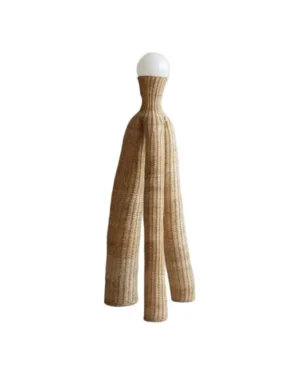
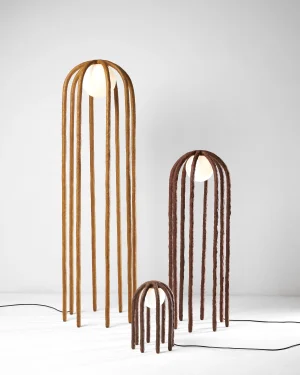
Açafrão and Urucum Floor Lamp in Anatto and Saffron
By Cultivado em Casa
€1.234 - €2.971 -
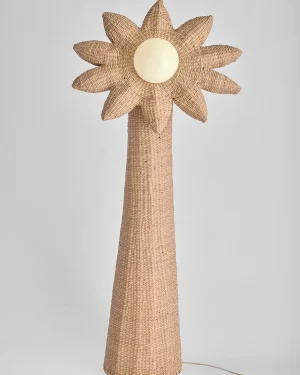
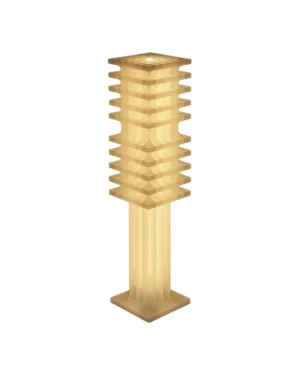
Kuni Floor Lamp in Rattan and Natural Fibers
By Joyful Objects, Yes!
€2.900 -

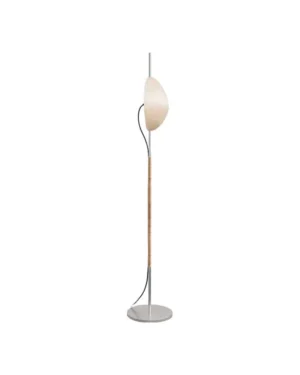
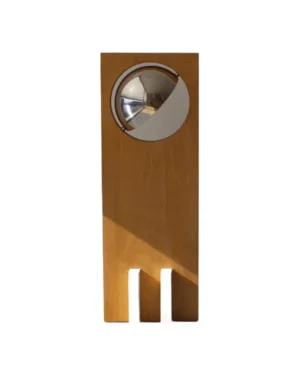
Falcon Floor Lamp in Brass and Oak Wood
By Nathan Chintala
€2.105 -

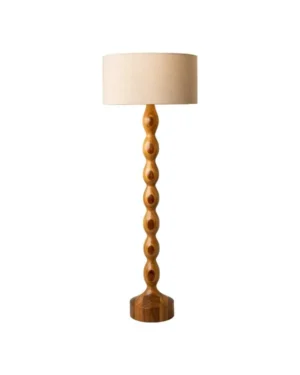
Original Lamp 1 Floor Lamp in Parota Wood and Textile
By Daniel Orozco Estudio
€1.899 -

Zm Tezontle Floor Lamp in Metal and Volcanic Stone
By Daniel Orozco Estudio
€2.820 -
 In stock
Tundra Floor Lamp
By Gábor Góbi
€4.990 -
 In stock
Totem Floor Lamp
By Gábor Góbi
€2.390 -

Cypress #1 Floor Lamp in Cypress Wood
By Studio Kloak
€4.600 -

Citiez 0.1
By Niels Stoeltie
€2.521 - €2.893 -
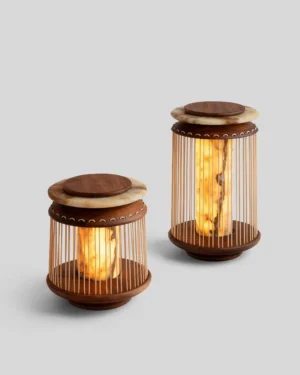
Ebtún Floor Lamp
By Juskani Alonso
€2.890 - €3.340
Rustic floor lamps bring oak, rattan and brass together under the hands of studios who favor weaving, carving and metalwork over polish. The wood is often left with its grain visible, the rattan woven by hand into a shade or base, the brass allowed to show file marks or a brushed surface rather than a mirror finish. What ties these pieces together is not a single shape but a shared refusal to hide how they were made.
What defines a rustic floor lamp
A rustic floor lamp reads as something made rather than manufactured. Oak and other solid woods are shaped by cabinetmaking or wood carving, their surfaces left open-grained or darkened through charring, a technique that chars the outer layer of the wood and then brushes it back to reveal the ring pattern beneath. Brass and other metals appear patinated rather than lacquered, so the color will shift slightly with handling and age. Natural fiber and rattan are woven into shades that filter light unevenly, which is part of the warmth rather than a flaw.
Materials, finishes and techniques found here
The range on ADORNO moves across a few recurring materials and ways of working:
- Solid oak and other woods, joined through traditional cabinetmaking or shaped by hand with wood carving
- Brass and mixed metals, finished through metalwork and patination for a surface that ages rather than stays static
- Rattan and natural fiber, woven into open or tight shades that soften the light they hold
- Occasional charred wood finishes, using the Shou Sugi Ban technique for a blackened, textured surface
- Pieces offered as open editions alongside limited editions and unique pieces, depending on the studio's own way of working
Choosing the right scale and placement
A rustic floor lamp is judged the way a chair or side table is, by its footprint and the space it asks for around it. A wide woven base needs floor space to sit without crowding a doorway or walking path, while a slender wooden stem can stand close to a sofa arm or reading chair. Height matters as much as width: a lamp meant to wash light upward toward a ceiling will sit taller than one meant to pool light low over a side table or stack of books. Look at the finish in relation to what already stands nearby, since a dark patinated brass base will read differently next to pale oak than it will against walnut or black metal.
Where rustic floor lamps belong
These pieces suit rooms that already lean toward natural materials, stone, linen, raw wood, where a woven or carved base continues a texture already in the room rather than interrupting it. In a living room, a rustic floor lamp can stand beside a reading chair or anchor a corner that otherwise has no light source; living room floor lamps in this style often pair with a low side table in the same wood tone. In a bedroom, a shorter, softer-shaded version works better beside a bed than a tall, structural one; see the range of bedroom floor lamps for scale that suits a nightstand height. A rustic floor lamp also sits well near a wooden dining or console piece, echoing the grain of rustic tables elsewhere in the room.
Caring for natural materials
Oak and other solid woods should stay away from direct heat and prolonged damp, which can warp or dull a carved or charred surface over time; an occasional wipe with a dry or barely damp cloth is usually enough. Rattan and natural fiber shades prefer stable humidity, since swings between dry and damp air can loosen the weave. Brass and other metals left patinated will keep changing color slightly with handling, which is expected rather than a sign of damage; avoid polishing compounds if the studio intended that aged surface to remain.
For the full range of shapes and materials beyond this style, the floor lamps category covers every finish ADORNO carries, while rustic pieces across every category extend the same natural, handmade feel into tables, seating and lighting beyond the floor lamp itself.
How do I choose a rustic floor lamp?
Look at the material first: oak or carved wood reads heavier and grounds a room, while woven rattan or brass feels lighter and lets more light through. Match that weight to the room and the furniture already standing in it.
How do I care for a rustic floor lamp?
Wipe oak or other solid woods with a dry cloth and keep them from direct heat to avoid cracking. Brass will darken and patinate with handling, and woven rattan should stay out of damp or direct sun, which dries and frays the fiber.
What height should a rustic floor lamp be?
Most floor lamps stand between 58 and 65 inches, tall enough to cast light over a seated reader without entering the sightline of someone standing. Check the maker's listed dimensions, since carved or woven bases vary more than manufactured ones.
Which rooms suit a rustic floor lamp?
Living rooms and bedrooms take to them easily, where the wood, rattan or patinated brass can sit beside upholstery and natural textiles. A single lamp also reads well in a reading corner or beside a low chair, away from brighter overhead light.
Are rustic floor lamps handmade, and are they one of a kind?
Many are shaped through wood carving, weaving or metalwork by hand, though construction varies by maker. Some are produced as open editions, others as limited runs or unique pieces; check each listing or chat with the maker for specifics.
What about shipping, returns and authenticity when I buy from ADORNO?
Shipping is insured and worldwide, with a 14-day return policy excluding made-to-order pieces. Each piece arrives with a certificate of authenticity, and ADORNO offers a lowest-price guarantee.