


-
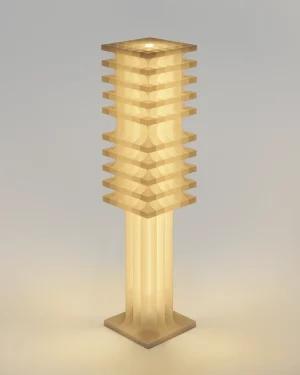
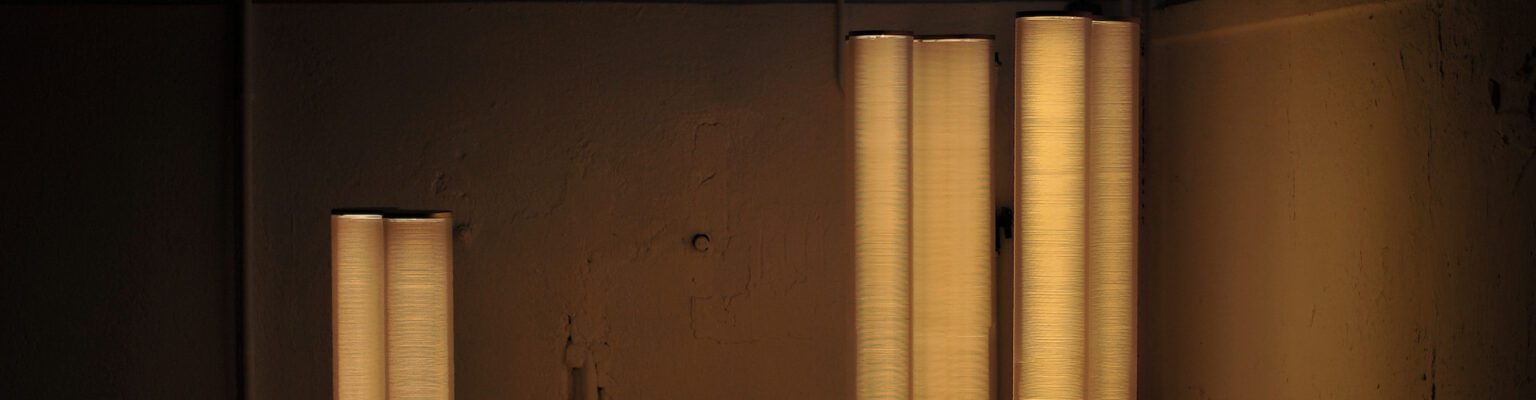
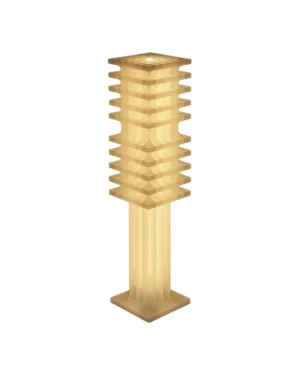
Citadel Floor Lamp in 3D Printed PLA
By Ultramar Studio
€1.400 -

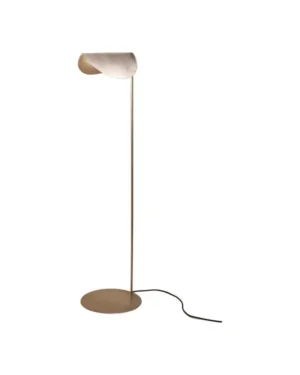
Lampadulure Pink Floor Lamp In Metal
By BehaghelFoiny Studio
€1.700 -
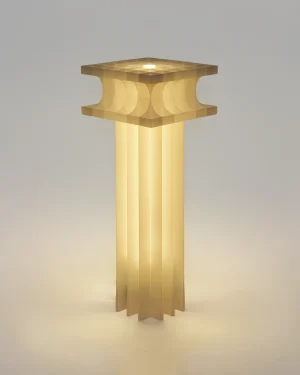
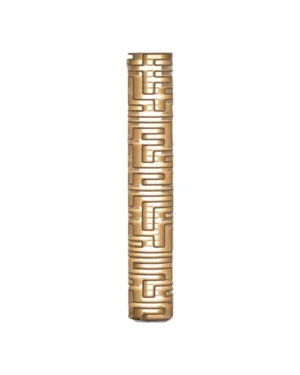
Citadel Table Lamp in 3D printed PLA
By Ultramar Studio
€1.100 -
 In stock
Lampadulure Purple Floor Lamp In Metal And Plaster Composite
By BehaghelFoiny Studio
€3.000 -
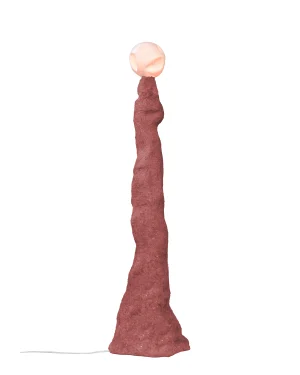
Meteora Floor Lamp in Paper Pulp
By Jonathan Bocca
€3.000 -
 In stock
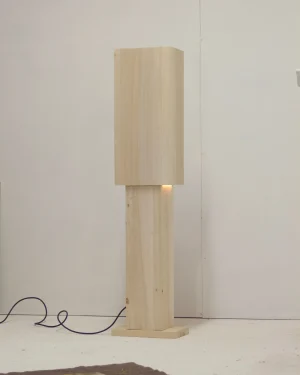
Sensitive Wood Claire Floor Lamp In Poplar Wood
By Vital Lainé
€1.000 -
 In stock
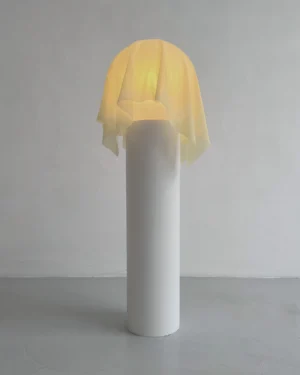
Carnmarina Floor Lamp In Plastics
By Pierre Klein
€1.500 -
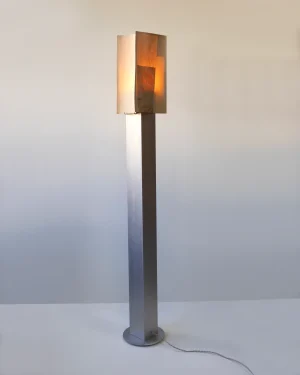
Soft Ply Floor Lamp in Wood and Aluminum
By Sheyang Li
€1.364 -
 In stock
Voguing No. 2 Floor Lamp in Cast Aluminum
By BY JAMPS
€2.500 -

Rakis Floor Lamp In Ceramic
By Catalin Filip
€1.900 -

Too 60 Sculptural Ceramic Floor Lamp
By Katia Langeard
€1.200 -
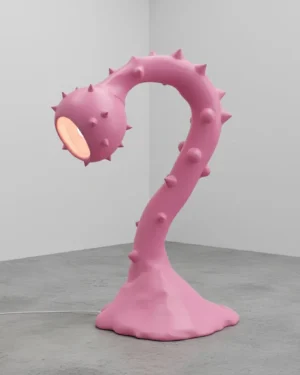
Biggest Floor Lamp In Resin And Epoxy Clay
By Ryan Mercer
€4.566 -
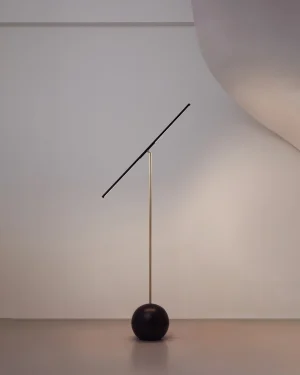 In stock
T-Lamp Floor Lamp in Aluminum, Brass and Oak Wood
By HEAKO
€3.850 -
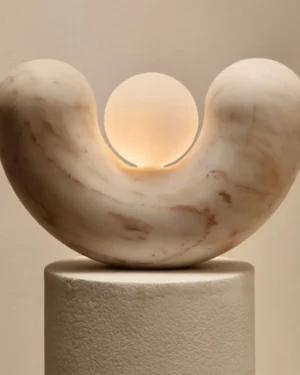
Estremoz Floor Lamp In Marble And Glass
By Joana Vilaça Studio
€3.800 -
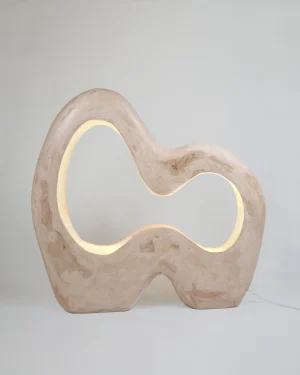
Infinite Floor Lamp in Pigmented Gypsum
By Studio AOAO
€6.000 -

Moon Forty – Alabaster Floor Lamp
By A.D.U. Studios
€3.720 -
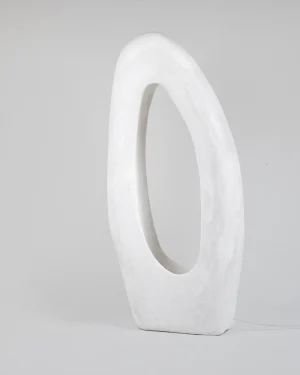
Lacuna Floor Lamp in Natural Stone
By Studio AOAO
€4.500 - €8.500 -
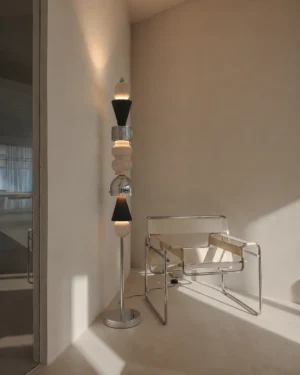 In stock
Arinna Floor Lamp
By MARAU
€15.000 -

Arcy Floor Lamp In Lava Stone
By MERCOEUR EDITION
€5.640 -
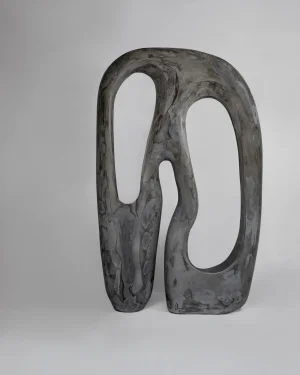
Longing Floor Lamp in Pigmented Gypsum
By Studio AOAO
€8.000 -
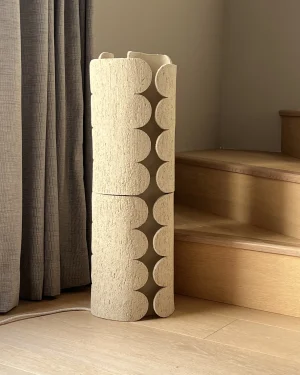
My Stone Flower – Ceramic Floor Lamp Medium
By Katia Langeard
€900 -
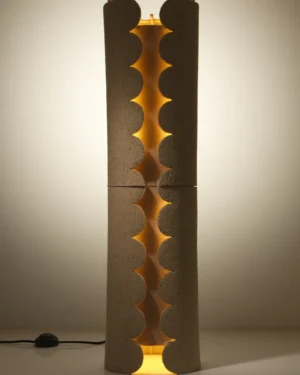
My Stone Flower Large Floor Lamp in Stoneware
By Katia Langeard
€2.330 -
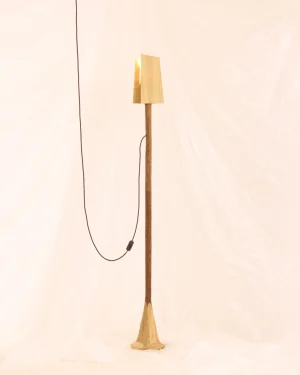 In stock
Envol Floor Lamp In Oak Wood
By Vital Lainé
€1.330 -
Arcy Floor Lamp In Lava Stone
By MERCOEUR EDITION
€5.640 -
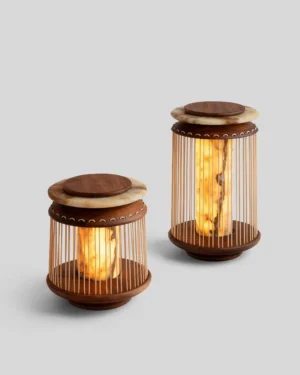
Ebtún Floor Lamp
By Juskani Alonso
€2.890 - €3.340 -
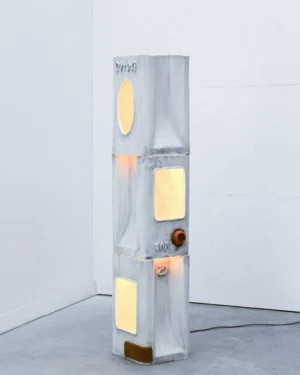 In stock
Vestigi 01 – Stoneware Floor Lamp
By Pierre Klein
€7.200 -
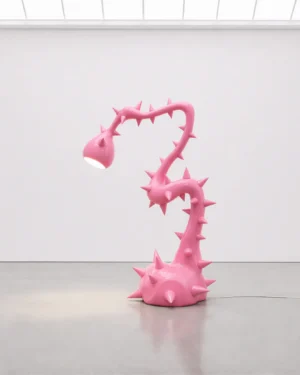
Vine V2 Floor Lamp in Epoxy and Resin
By Ryan Mercer
€6.152 -
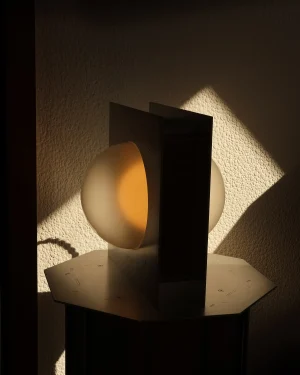
Event Horizon Table Lamp in Aluminum
By BUREAU OF ENTROPY
Price Upon Request -
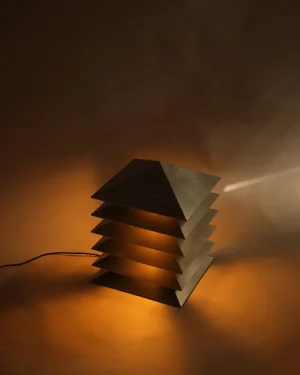
Kōtō – 光塔 – Floor Lamp in Aluminum
By BUREAU OF ENTROPY
Price Upon Request -
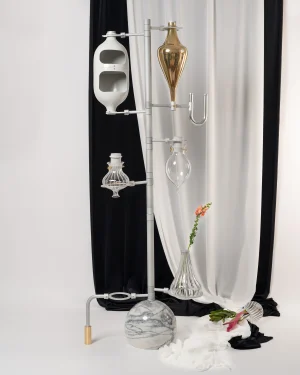 In stock
Emotional Lab Grey Floor Lamp In Marble And Aluminum
By Hania Jneid Design Studio
Price Upon Request -
 In stock
Emotional Lab White Floor Lamp In Stainless Steel And Glass
By Hania Jneid Design Studio
Price Upon Request -

Aperture Protocol Floor Lamp in Aluminum
By BUREAU OF ENTROPY
Price Upon Request -

Nomad Ⅱ:05 Floor Lamp in Ceramic
By SK - Sofia Karnukaeva
€3.480 -

Giraffa Floor Lamp In Alder Wood And Paper
By Jonathan Bocca
Price Upon Request
Limited edition floor lamps bring together small runs and one-off pieces from independent studios working in metal, wood, stoneware and paper. Each one is shaped by hand-building, metalwork, veneering, papier-mâché or digital fabrication rather than by mass production, so the surface, the joint or the glaze carries the trace of the person who made it. Because a studio commits to only a few examples, or sometimes a single one, the forms tend toward the conceptual and the sculptural rather than the familiar.
What a small run changes about a floor lamp
A short production run gives a studio room to test a shape without the compromises mass manufacturing demands. A base can be heavier than a factory would allow, a shade can be hand-built and left slightly irregular, a joint can be left visible instead of hidden. That is why floor lamps in this group often read as objects first and light sources second, closer in spirit to a sculpture that happens to carry a bulb.
Materials, finishes and techniques across the range
The pieces found among limited edition lamps draw on a narrow set of materials pushed in different directions by each studio's technique.
- Stoneware, hand-built and glazed in off-white, cream or matte gray, with the slight unevenness that comes from working clay by hand.
- Aluminum, steel and other metals, cut, cast or digitally fabricated, left raw, painted or finished matte.
- Birch and other solid woods, worked through cabinetmaking and veneering, which show grain and darken slightly with age.
- PLA and plastic, built up through 3D printing into forms a mold could not produce economically.
- Paper, layered through papier-mâché into shades that are light to lift and translucent against a bulb.
Across these materials, the palette stays restrained: transparent glass or shade material, crimson or pink as a single accent, beige and cream grounding the stone and wood pieces. Style ranges from minimalist and contemporary through mid-century modern reference points to futuristic, conceptual and openly radical shapes, so the common thread is the small edition rather than one look.
How to choose a floor lamp for your room
Start with height relative to where people sit. A lamp meant to stand beside a reading chair should put its light source roughly at shoulder height when seated; one meant to wash a wall or corner can run taller. Look next at the footprint: a wide base needs floor space around it, while a slender stem can sit close to furniture without crowding it.
Finish matters as much as form here. A matte metal or unglazed stoneware base reads quietly against pattern and texture, while a polished or transparent piece catches light and draws the eye across a room. If you are choosing within a smaller group of forms, the minimalist floor lamps and the metal floor lamps are useful starting points for comparing proportion and finish side by side.
Where these lamps belong
A floor lamp with this kind of presence suits a room built around one or two strong pieces rather than many small ones, which is often the living room or a study. For seating areas, the living room floor lamps show how scale and placement work beside a sofa or reading chair. A bedroom corner or a hallway with little else in it can also carry a sculptural base well, since there is nothing competing with its outline.
Caring for metal, wood, stoneware and paper
Raw or painted metal should stay dry; wipe off moisture promptly so steel does not spot and brass does not streak. Wood bases benefit from being kept out of direct sun, which fades and dries the grain over time, and from an occasional wipe with a cloth rather than household cleaners. Stoneware is sturdy but not impact-resistant, so it is worth keeping it away from foot traffic and pets. Paper shades should stay away from damp rooms and open flame, and are best dusted with a soft brush rather than a wet cloth. Across all of them, the full range of floor lamps rewards the same basic care: keep them dry, out of direct sun, and free of unnecessary handling.
How do I choose a limited edition floor lamp?
Start with the base material and how the piece is made, since that sets its weight, scale and presence in a room. Match the silhouette to how much floor space you want the lamp to claim.
How do I care for a limited edition floor lamp?
Dust metal and wood surfaces with a dry cloth and keep stoneware or paper shades away from damp or direct sun. Avoid harsh cleaners, which can dull a hand-finished surface or glaze.
What size or height should a floor lamp be?
Most floor lamps stand tall enough to light a seating area without a shade blocking sightlines. Because small runs favor sculptural forms, check the maker's listed dimensions before ordering.
Which rooms suit a limited edition floor lamp?
A sculptural lamp reads well in a living room or reading corner, where it can be seen in full and walked around. Heavier metal or stoneware bases suit rooms with solid, level flooring.
Can I order a custom version of a limited edition floor lamp?
Some studios take custom requests on finish, size or material, others do not. Chat with the maker on the piece's page to confirm what is possible.
What are ADORNO's shipping, returns and authenticity policies?
Shipping is insured and worldwide. Returns are accepted within 14 days, except made-to-order pieces, and every lamp comes with a certificate of authenticity plus a lowest-price guarantee.