


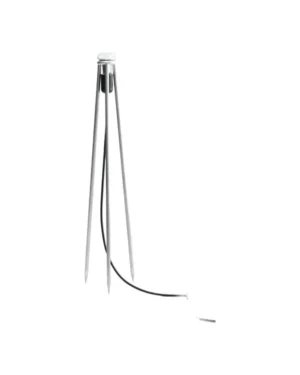

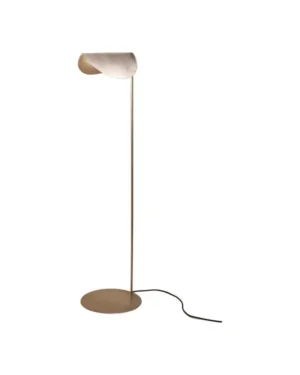
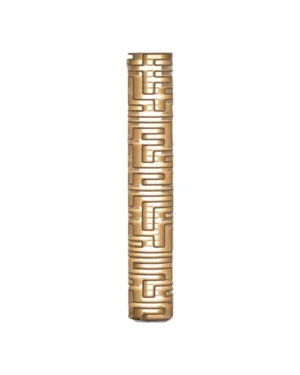

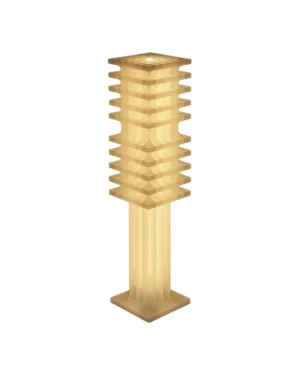
-

Lampadulure Pink Floor Lamp In Metal
By BehaghelFoiny Studio
€1.700 -
 In stock
Lampadulure Purple Floor Lamp In Metal And Plaster Composite
By BehaghelFoiny Studio
€3.000 -
 In stock
Soniah Floor Lamp in ZTISTA
By FAINA
€7.000 -
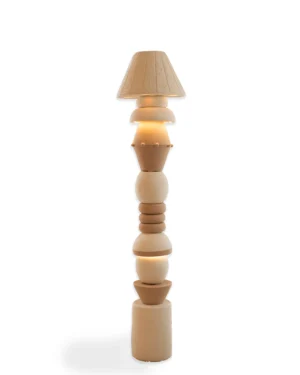
Totem Floor Lamp In Stoneware And Clay Paste
By Harshita Jhamtani Designs
€2.570 -
 In stock
Essenz Floor Lamp in Concrete and Stainless Steel
By case studios
€1.610 -
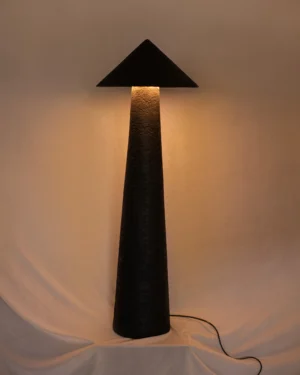
Kasa (m) Lamp In Clay Paste And Mild Steel
By Harshita Jhamtani Designs
€1.460 -
 In stock
Peony Floor Lamp In Fiber-cement
By Donatas Žukauskas
€2.450 -

Infinite Floor Lamp in Pigmented Gypsum
By Studio AOAO
€6.000 -

Solid Formations No. 6 Floor Lamp in Composite
By Stine Mikkelsen
€2.545 -
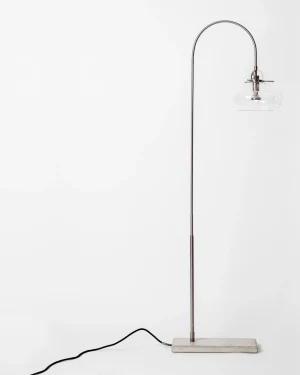
Art Deco Floor Lamp in Glass, Stainless Steel and Concrete
By Szostak Atelier
€2.100€1.995 -

Soniah Medium Floor Lamp in ZTISTA
By FAINA
€6.300 -

Lacuna Floor Lamp in Natural Stone
By Studio AOAO
€4.500 - €8.500 -

Longing Floor Lamp in Pigmented Gypsum
By Studio AOAO
€8.000 -
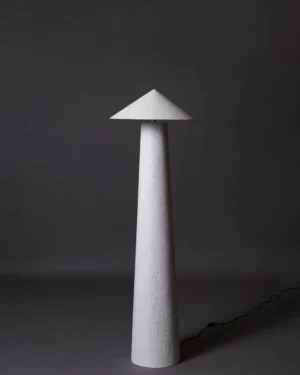
Kasa Floor Lamp In Clay Paste And Mild Steel
By Harshita Jhamtani Designs
€2.130 -
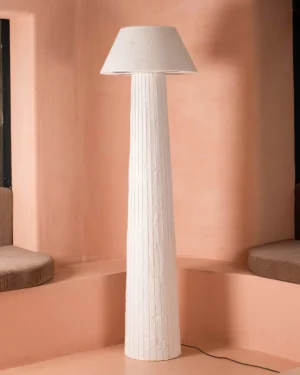
Rio Floor Lamp In Clay Paste And Mild Steel
By Harshita Jhamtani Designs
€2.270 -
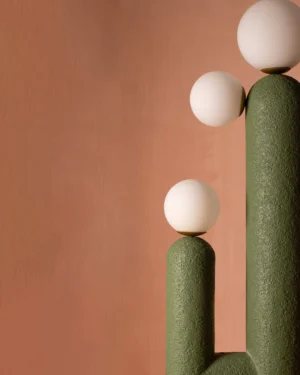
Cactus Floor Lamp In Clay Paste, Mild Steel And Glass
By Harshita Jhamtani Designs
€2.570 -

The Rouge Floor Lamp In Clay Paste And Metal
By Harshita Jhamtani Designs
€4.430 -

Soniah Small Floor Lamp in ZTISTA
By FAINA
€5.600 -
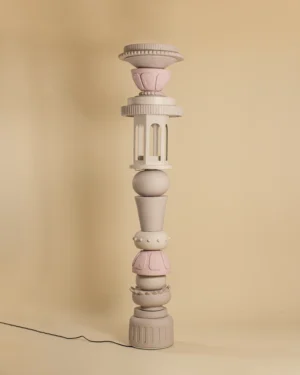
Pillar Of Ties Totem Floor Lamp In Stoneware, Clay Paste And Wood
By Harshita Jhamtani Designs
€3.780 -
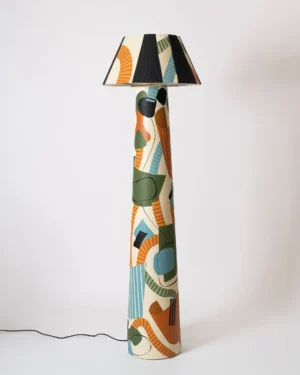
Hand Painted Rio Floor Lamp In Clay Paste And Mild Steel
By Harshita Jhamtani Designs
€3.940 -
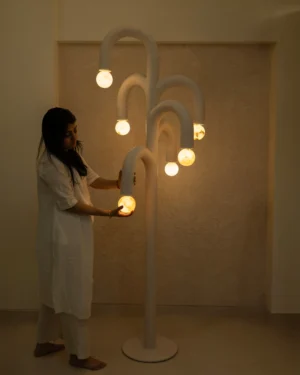
Big Cactus Floor Lamp In Clay Paste, Mild Steel And Alabaster
By Harshita Jhamtani Designs
€3.310 -
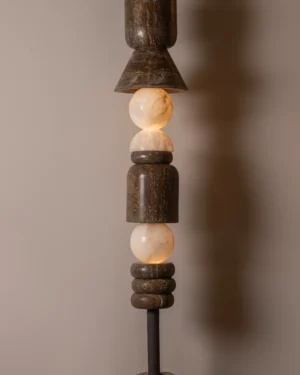
Titan Travertine Totem Floor Lamp In Travertine And Alabaster
By Harshita Jhamtani Designs
€3.070 -

Citiez 0.1
By Niels Stoeltie
€2.521 - €2.893
Concrete floor lamps bring the weight of architecture into a domestic room, standing on footings and shafts that are cast, hand-built or carved rather than welded or turned. Studios working in this material pour plaster composite, stoneware or true concrete into molds, or build up a form by hand and let it cure slowly. The result reads as mass and surface at once, closer to a small piece of building than a conventional lamp.
What defines concrete and composite in lighting
Concrete is porous, dense and unapologetically heavy, so a lamp made from it carries its own gravity before the light is even switched on. Composites and plaster share that chalky, matte surface but weigh less, which lets some studios cast taller or thinner shafts than raw concrete would allow. Both materials take color and texture well during casting, so a surface can be left raw and gray, pigmented, or honed smooth after the mold comes off.
Because the material sets rather than bends, concrete floor lamps tend toward geometric, architectural silhouettes: cylinders, blocks, stacked forms, tapered cones. Edges stay crisp where a mold held them and soften where a maker has hand-finished or plastered the surface afterward, so no two cast runs look perfectly identical even within the same edition.
The range of finishes, colors and techniques
On ADORNO, concrete and composite floor lamps extend into related materials such as plaster composite, stoneware, alabaster and acrylic, often paired with mild steel or stainless steel fittings for the shade or armature. Colors run from off-white, white and gray through to cream, terracotta, yellow, purple and black, depending on the pigment or aggregate mixed into the cast.
- Styles: minimalist, wabi-sabi, contemporary, Japandi, Bauhaus-leaning, boho chic, neo-industrial
- Techniques: concrete casting, mould making, hand-building, plastering, stone carving, wheel throwing, biofabrication
- Editions: open editions, limited editions and unique, one-off pieces where a lamp is hand-finished after casting
A lamp carved from alabaster or stone sits at the heavier, slower end of this range; one built from a lighter composite or biofabricated material can achieve a similar architectural presence with less actual mass. For a wider view of the material across furniture and objects, the full range of concrete and composite pieces on ADORNO shows how the same casting and plastering techniques carry into tables and decor.
How to choose a concrete floor lamp
Scale matters more here than with most lighting, since a cast base reads as a piece of furniture whether lit or not. Measure the floor space it will occupy and stand back far enough to judge the silhouette from across the room, the way you would with a chair or a low table.
Height should answer what the lamp is for: a low, grounded form near a sofa for reading light, a taller shaft beside a doorway or in a corner to wash a wall. Check the finish in daylight and under the bulb you intend to use, since matte plaster and raw concrete absorb light differently than a honed or pigmented surface.
Where concrete floor lamps work
Their mass suits rooms built around solid, unfussy materials: a living room with stone, timber or exposed brick, a study or entry hall where a single sculptural object can stand without competition. Paired with softer textiles and warmer woods, a concrete lamp acts as the architectural anchor, the fixed point a room settles around. Those planning a wider lighting scheme might also look at floor lamps suited to living rooms or compare with metal floor lamps for a lighter, more reflective counterpoint.
Caring for concrete and composite surfaces
Raw concrete and plaster are porous and will mark if liquid sits on the surface, so keep drinks and planters off the base and wipe spills promptly. Dust with a dry or barely damp cloth; avoid harsh detergents, which can strip a sealed or pigmented finish. Over years, a cast surface may develop faint hairline marks or a slight change in tone, which reads as the material settling rather than failing.
For the full spread of floor-standing lighting, including other materials and silhouettes, the floor lamps category and the broader concrete lighting range are useful starting points when weighing a cast lamp against other options.
How do I choose a concrete floor lamp?
Match the silhouette to the weight you want in a room: a tapered cone or slim cast shaft reads lighter, while a stacked block or wide cylinder anchors the space more firmly. Check the base width against the floor area it will stand on.
How do you care for a concrete floor lamp?
Dust with a dry or barely damp cloth, since concrete and plaster composite are porous and can absorb liquids or stain. Keep it away from standing water and avoid harsh cleaners on pigmented or honed surfaces.
Are concrete floor lamps heavy, and will the base be stable?
Yes, concrete and stoneware carry real mass, which is part of why these lamps stand without tipping. Composite and plaster versions weigh less while keeping a similar footing and stability.
What size concrete floor lamp suits a living room or bedroom?
Taller cast shafts suit a living room corner or sofa side, where the lamp reads as a full-height object, while shorter, blockier forms work well beside a bed or chair. A maker can confirm exact dimensions through Chat with the maker on the piece's page.
Do concrete floor lamps suit every room style?
Their raw, matte surface and geometric form sit naturally in minimalist, wabi-sabi, Japandi and neo-industrial rooms, and ground softer or more decorative interiors by contrast. Pigmented or honed finishes read more at home in contemporary spaces.
What happens when I order a concrete floor lamp through ADORNO?
Shipping is insured and worldwide, each lamp arrives with a certificate of authenticity, and ADORNO offers a lowest-price guarantee. Returns are accepted within 14 days, except on made-to-order pieces.