









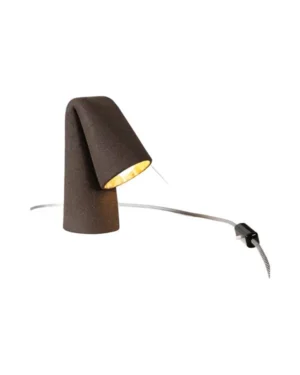
-
 In stock
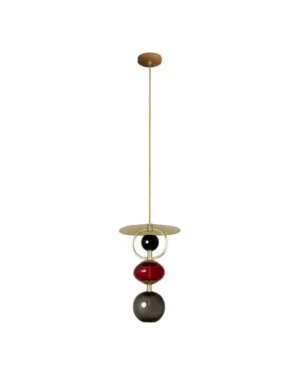
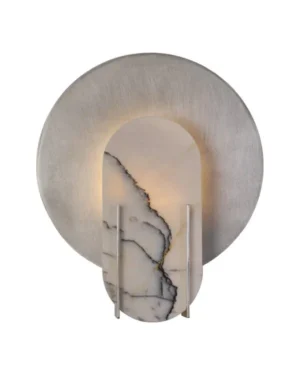
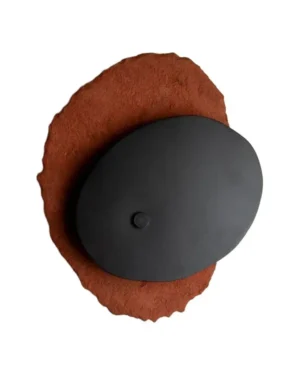
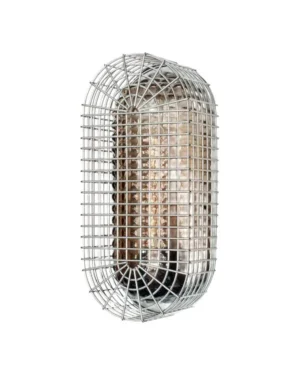
Object 09 Sconce in Nylon and Sand
By Hot Wire Extensions
€1.145 - €1.163 -

Chloé Table Lamp in Reflective Fabric
By Atelier Alz
€300 -
 In stock
Object 04 Sconce in Nylon and Sand
By Hot Wire Extensions
€1.208 -
 In stock
Object 07 Sconce in Nylon and Sand
By Hot Wire Extensions
€1.145 -
 In stock
Object 08 Sconce in Nylon and Sand
By Hot Wire Extensions
€1.670 -
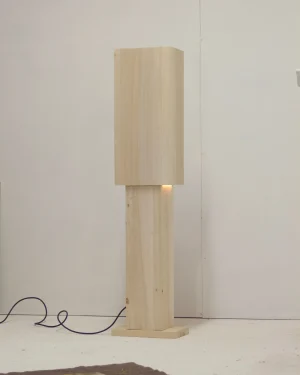 In stock
Sensitive Wood Claire Floor Lamp In Poplar Wood
By Vital Lainé
€1.000 -
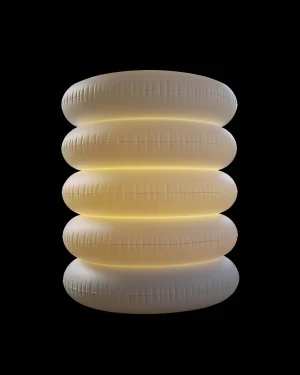 In stock
Big Puff Floor Lamp in Polyurethane
By PUFF-BUFF
€690 -
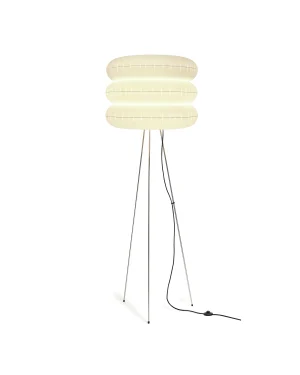 In stock
Big Puff Tripod Floor Lamp in Polyurethane and Steel
By PUFF-BUFF
€800 -

Mingling Table Lamp in Blown Glass
By Sticky Glass
€6.867 - €7.331 -
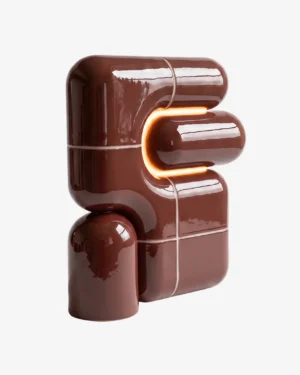 In stock
U-021 Table Lamp In Garnet Pla
By Rollo Studio
€795 -
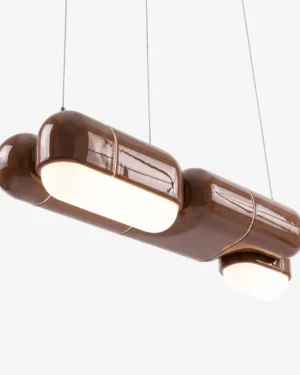
U – 044 – Pendant – Umber
By Rollo Studio
€2.345 -
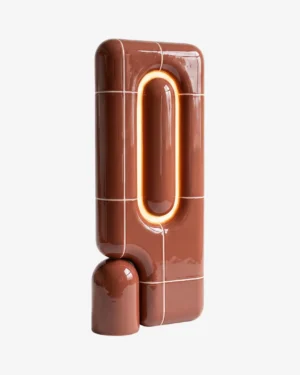
U-037 Table Lamp In Oxide Pla
By Rollo Studio
€940 -
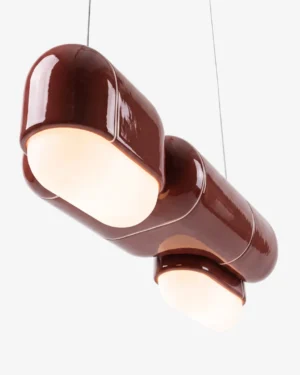
U-039 Pendant Lamp In Garnet Pla
By Rollo Studio
€1.995 -
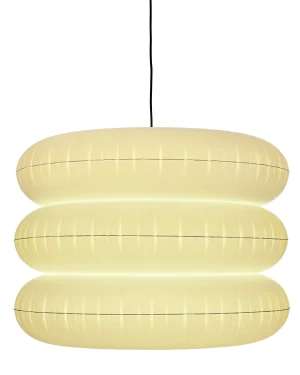 In stock
Big Puff Pendant Lamp in Polyurethane
By PUFF-BUFF
€550 -
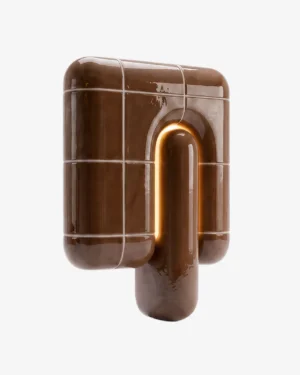
U-013 Wall Lamp In Umber Pla
By Rollo Studio
€820 -
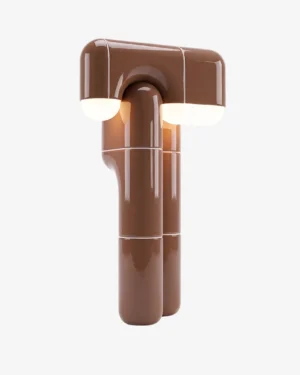
U – 016 – Table Lamp – Umber
By Rollo Studio
€1.380 -
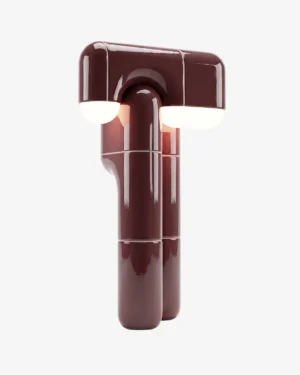
U-016 Table Lamp In Oxblood Pla
By Rollo Studio
€1.380 -
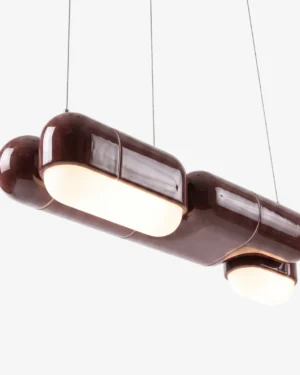
U-044 Pendant Lamp In Oxblood Pla
By Rollo Studio
€2.345 -
 In stock
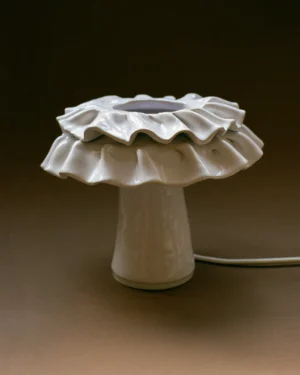
Lulu Table Lamp In Stoneware
By Mina Wright
€670 -
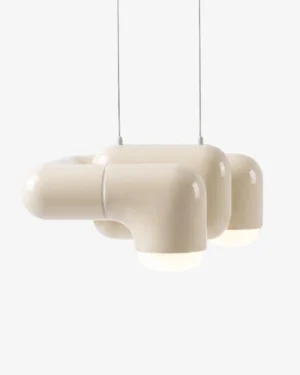
U-048 Pendant Lamp In Cream Pla
By Rollo Studio
€1.765 -
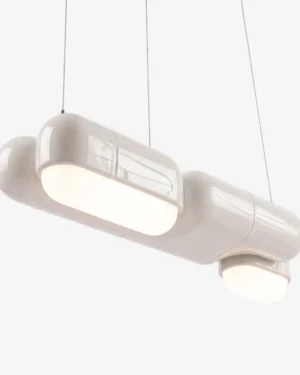
U-044 Pendant Lamp In Chalk Pla
By Rollo Studio
€2.345 -
 In stock
“Object 03” Lamp from the “Play” Collection
By Hot Wire Extensions
€1.670 -
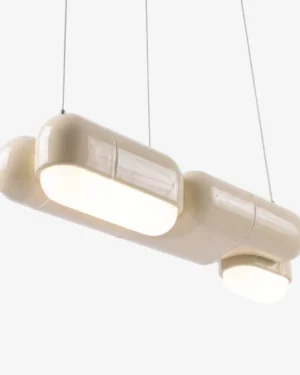
U-044 Pendant Lamp In Cream Pla
By Rollo Studio
€2.345 -
 In stock
“Object 01” Lamp from the “Play” Collection
By Hot Wire Extensions
€1.890 -
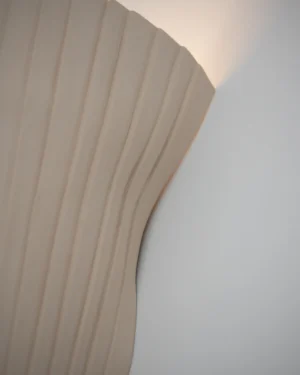 In stock
Tenderness Sconce | Large
By Studio Ēeme
€1.300 -
 In stock
Umu Table Lamp In Stainless Steel
By Drusch Design
€950 - €995 -
 In stock
“Object 02” Wall Lamp from the “Hotel” Collection
By Hot Wire Extensions
€1.145 -
 In stock
“Random Light”
By Hot Wire Extensions
€1.250 -
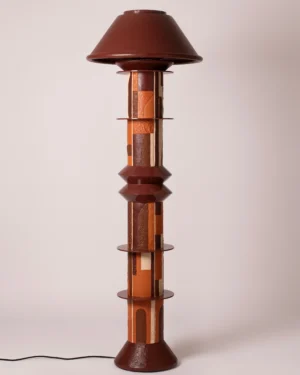
The Rouge Floor Lamp In Clay Paste And Metal
By Harshita Jhamtani Designs
€4.430 -
 In stock
“Object 05” Wall Lamp from the “Hotel” Collection
By Hot Wire Extensions
€1.208 -
 In stock
“Object 06” Wall Lamp from the “Hotel” Collection
By Hot Wire Extensions
€1.208 -
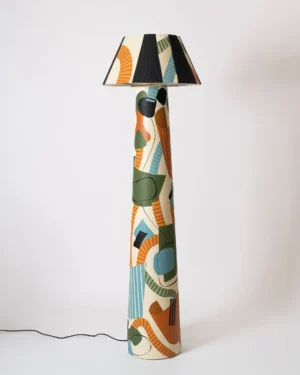
Hand Painted Rio Floor Lamp In Clay Paste And Mild Steel
By Harshita Jhamtani Designs
€3.940 -
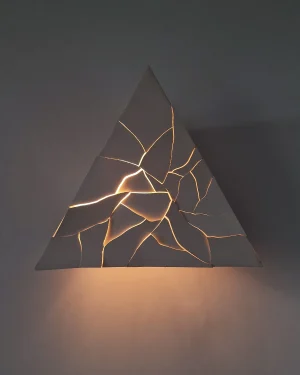 Sold
Mira Luminaire Wall Sconce in Jesmonite and Wood
By Catrinel Sabaciag
€2.500 -
 In stock
“Object 02” Lamp from the “Play” Collection
By Hot Wire Extensions
€1.670
Cream lamps take their color from the materials themselves rather than a surface tint, which is why the shade shifts piece to piece: the pale gray-white of plaster composite, the warm buff of sandstone, the brushed glow of stainless steel. Independent studios choose these materials because cream reads as warm rather than cold, and because a body that is cream in daylight still throws an amber, candle-like light after dark. The result sits quietly in a room without asking for attention, which is part of why it suits so many settings.
What gives cream lamps their character
Plaster composite is poured or built up over an armature, then sanded, so it keeps a faint chalkiness and a slightly uneven surface that daylight picks out in soft shadow. Sandstone carries its own fine grain and small color variations, no two blocks quite alike, and reads as geological rather than manufactured. Stainless steel, by contrast, gives a harder, more reflective cream when it is brushed rather than polished, picking up the room's own light instead of generating texture of its own.
Each material behaves differently once a bulb is switched on. Plaster and sandstone diffuse light through their mass, so the glow is soft and the form stays visible even when lit. Steel throws light outward from an opening or a diffuser and keeps its own surface more reflective than luminous, which gives a cooler, more directional result.
The range found among cream lamps
Within the category, cream appears across a wide set of approaches. Some studios build by hand, plastering and sanding each piece individually so that one lamp will always differ slightly from the next. Others use digital fabrication or 3D printing to produce forms that would be difficult to achieve by hand, then finish them in painted or ivory tones that sit close to cream. Painting and metalwork both show up as finishing techniques on steel bases and shades. Editions vary too: some lamps are made in open runs and can be reordered, while others are limited, numbered or made as one-offs, so availability depends on the technique behind each piece. For a broader view of the color across lighting, cream lighting spans table, floor and wall fittings beyond lamps alone.
How to choose a cream lamp
Scale matters first. A plaster or sandstone base reads as heavier than its actual weight suggests, so it needs a surface or alcove that can visually support it, while a slender steel stem can sit on a narrower side table without looking undersized. Height should follow use: a reading lamp wants its shade roughly at eye level when seated, a mood lamp can sit lower.
- Match finish to light level: matte plaster for a softer, ambient glow; brushed steel for a brighter, more directional beam.
- Consider the surface it stands on: unsealed sandstone can mark light fabrics or pale wood over time.
- Pair cream with existing neutrals rather than treating it as a bold color choice.
Anyone narrowing by form or setting rather than color alone may find it useful to look at contemporary lamps or, for a plainer silhouette, minimalist lamps.
Where cream lamps belong
Cream suits rooms where a lamp needs to anchor rather than announce: a living room console, a bedside table, a reading corner. Its low contrast against white, oak or linen walls lets the lamp carry weight without competing with other objects nearby. For room-specific browsing, both living room lamps and bedroom lamps include cream pieces alongside other tones.
Caring for plaster, sandstone and steel
Plaster composite should be dusted rather than wet-wiped, since standing water can soften the surface. Sandstone benefits from an occasional light sealing if it sits somewhere prone to spills, as the stone is porous and will stain. Stainless steel only needs a dry or barely damp cloth to keep its brushed finish free of fingerprints. With ordinary care, all three age slowly rather than wearing out, holding their cream tone for years. The full range of cream lamps sits within all lamps on ADORNO, and every cream piece across categories can be found through every cream piece on ADORNO.
How do I choose a cream lamp?
Decide whether you want the soft, shadowed glow of plaster composite or sandstone, or the harder, reflective cream of brushed stainless steel, then match that to how directional you want the light to be.
How do you clean and care for a cream lamp?
Dust plaster composite and sandstone with a dry or barely damp cloth, since water and abrasives can mark the surface; wipe brushed stainless steel with a soft cloth to keep its reflective finish free of fingerprints.
What size and height should a cream lamp be?
Table lamps generally sit so the shade falls at eye level when seated, while floor lamps run taller for ambient light; check the specific measurements on each piece's page.
Which rooms suit cream lamps?
Their warm, neutral tone and soft or reflective glow work in living rooms, bedrooms and entryways alike, sitting quietly against most wall colors and materials.
Are cream lamps handmade or limited edition?
This depends on the piece: some are built in open editions, others in limited runs, and plaster and sandstone forms are often shaped and finished by hand. Chat with the maker on the piece's page to confirm details.
How does shipping, returns and authenticity work on ADORNO?
Shipping is insured and worldwide, returns are accepted within 14 days except on made-to-order pieces, and every lamp arrives with a certificate of authenticity alongside a lowest-price guarantee.