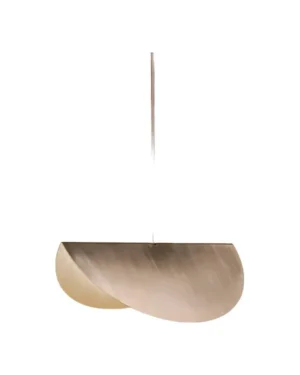
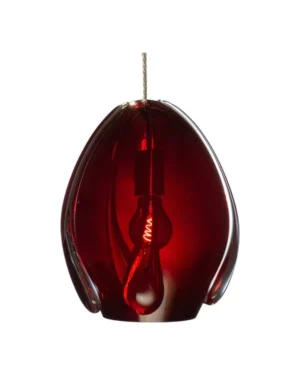
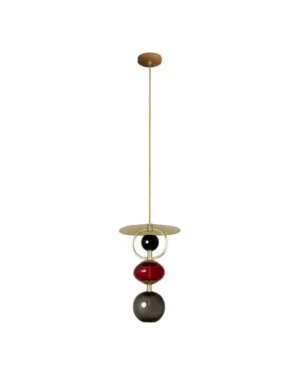
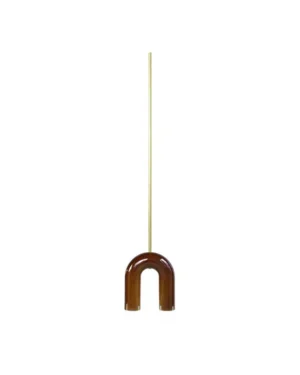
-
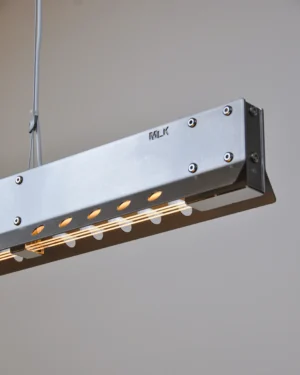
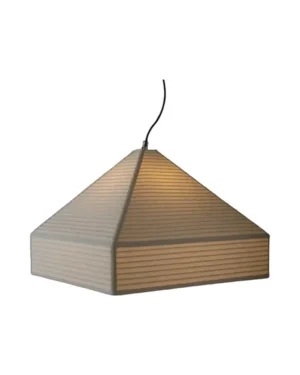
Ne1250/145 Pendant Lamp In Steel And Acrylic
By MLK Furniture
€1.390 -
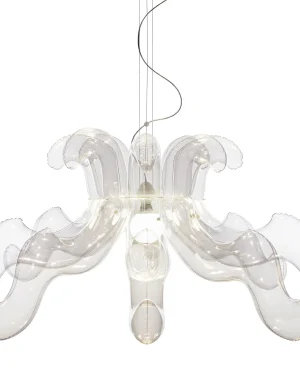
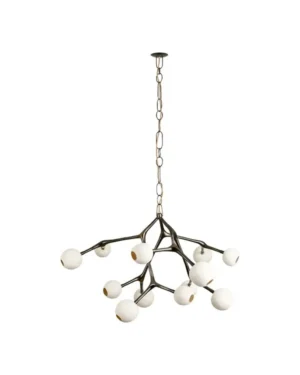
Lullaby No.2 Chandelier in PVC and Acrylic
By PUFF-BUFF
€640 -

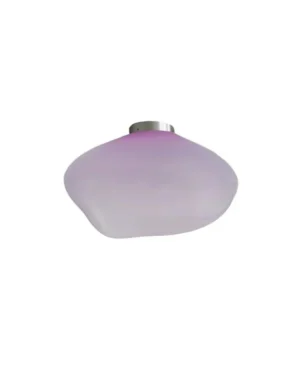
Weaver Nest Pendant Lamp in Bio Plastic
By Sabrina Merayo Nuñez
€3.500 -
 In stock
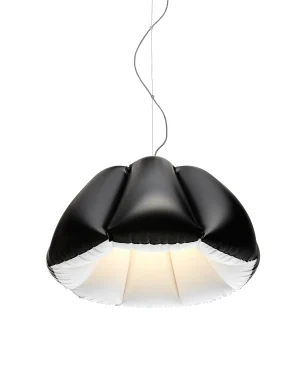
Orca Pendant Lamp in Galvanised Steel and PVC
By PUFF-BUFF
€430 -
 In stock
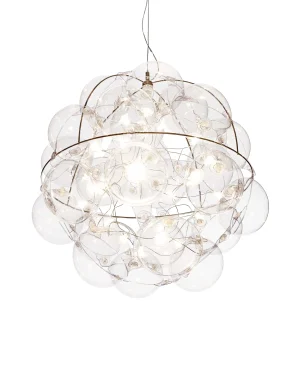
Starlette Chandelier in PVC and Stainless Steel
By PUFF-BUFF
€830 -
 In stock
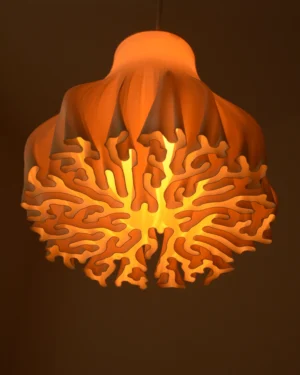
H 1 Pendant Lamp In Bio Polymer
By diploria studio
€295 - €495 -
 In stock
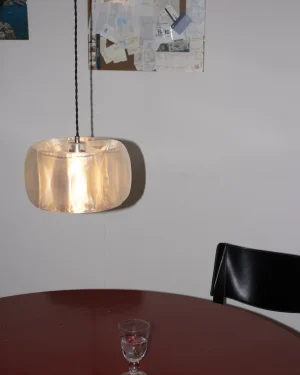
Pascal Pendant Lamp in Plastic
By 91-92
€306 - €459 -
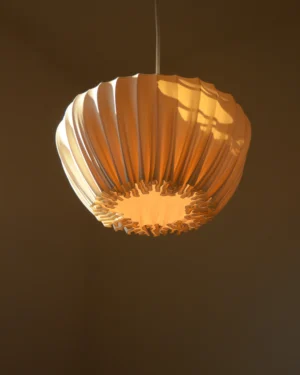
M 2 H Pendant Lamp In Bio Polymer
By diploria studio
€295 -
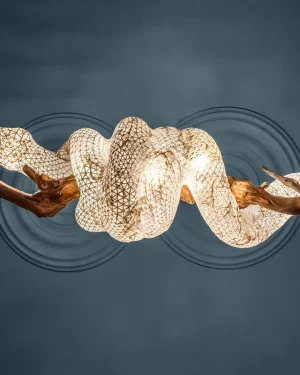
The Staff Of Asclepius Chandelier In Pla And Wool
By Danik Uderbekov
€2.500 -

Pendulum Triptych Ceiling Lamp In Bio Plastic
By Julie Mallet Studio
€792 -
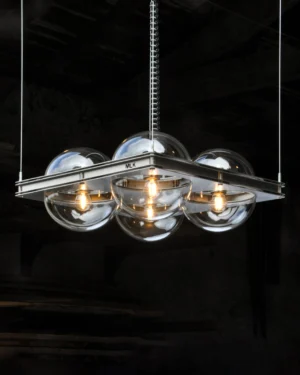
Bbl200x04 Pendant Lamp In Stainless Steel And Acrylic
By MLK Furniture
€2.400 -
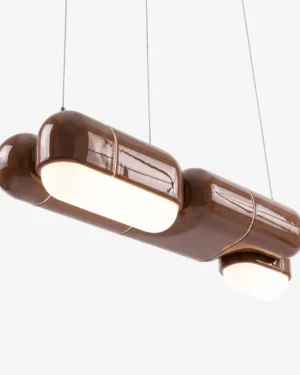
U – 044 – Pendant – Umber
By Rollo Studio
€2.345 -
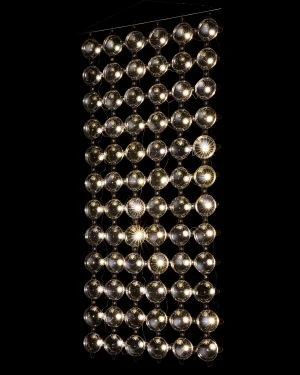
Bubbles Lighting Divider, Pendant Lamp In Air-filled Pvc
By PUFF-BUFF
€1.190 -
 In stock
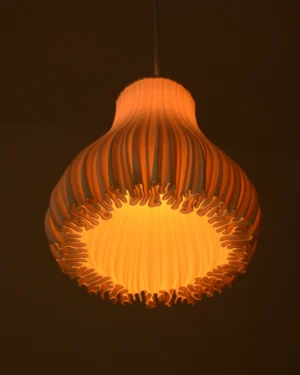
H 2 Pendant Lamp In Bio Polymer
By diploria studio
€295 - €495 -
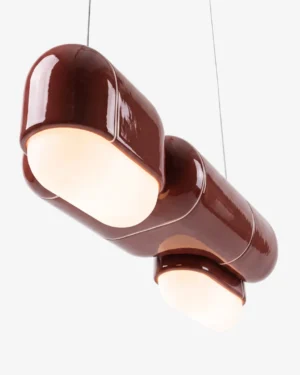
U-039 Pendant Lamp In Garnet Pla
By Rollo Studio
€1.995 -
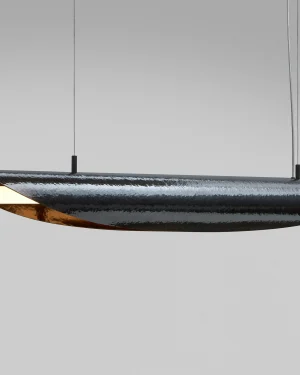
Taco De Luz Black Patinated Brass Pendant Lamp in Brass
By Studio Aristotelis Barakos
€5.900 -
 In stock
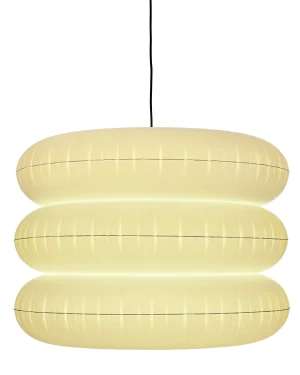
Big Puff Pendant Lamp in Polyurethane
By PUFF-BUFF
€550 -

Vira Triptych Ceiling Lamp In Bio Plastic
By Julie Mallet Studio
€567 -
 In stock
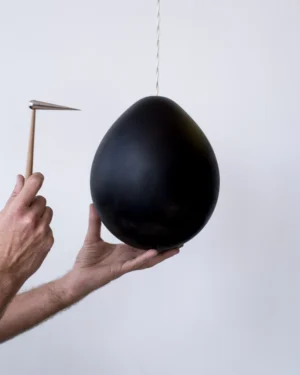
Less Pendant Lamp In Steel, Wood And Plaster
By Jordi Canudas Faura
€388 -
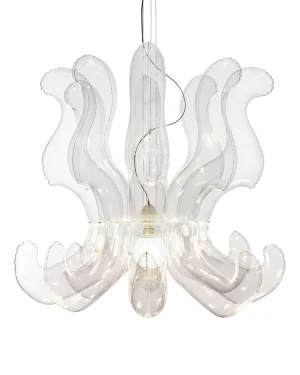
Lullaby No.1 Chandelier in PVC and Acrylic
By PUFF-BUFF
€640 -
 In stock
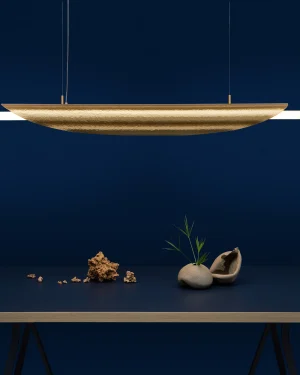
Taco De Luz Satin Brass Pendant Lamp in Brass
By Studio Aristotelis Barakos
€5.400 -
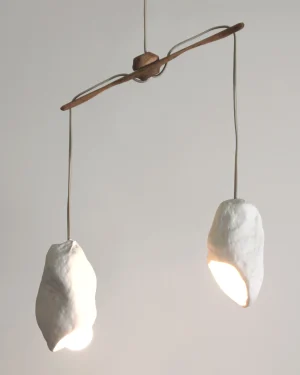
Maat Ceiling Lamp
By Dace Sūna
€1.200 -

Object 019 Pendant Lamp in Brass and Acrylic
By Naama Hofman
€1.850 -
 In stock
H 3 Pendant Lamp In Bio Polymer
By diploria studio
€395 -

Umu U Pendant Lamp In Iron And Acrylic Glass
By Drusch Design
€950 -
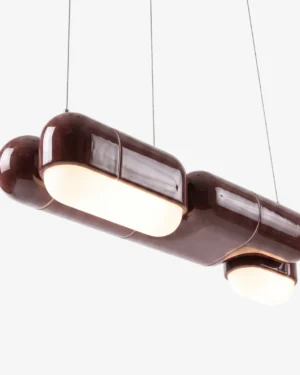
U-044 Pendant Lamp In Oxblood Pla
By Rollo Studio
€2.345 -
 In stock
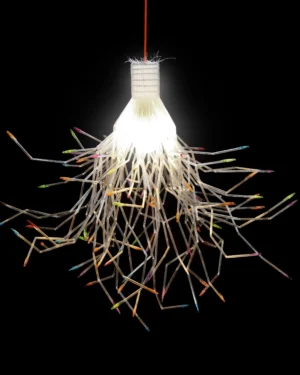
“Anemone” Bic-Pen Ceiling Lamp in Plastic
By Paolo Ulian
€1.461 -
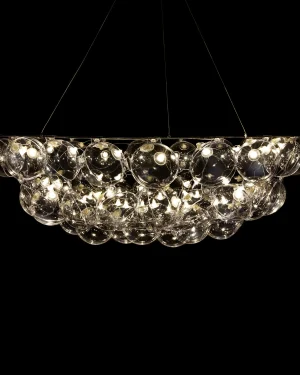 In stock
Half-superstar Ceiling/ Pendant Lamp In Pvc And Steel
By PUFF-BUFF
€1.190 -
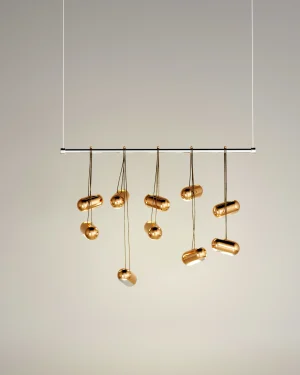
Tere Chandelier in Stainless Steel, Bronze and Acrylic Resin
By Design VA
€12.432 -
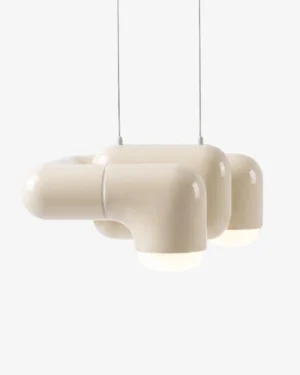
U-048 Pendant Lamp In Cream Pla
By Rollo Studio
€1.765 -
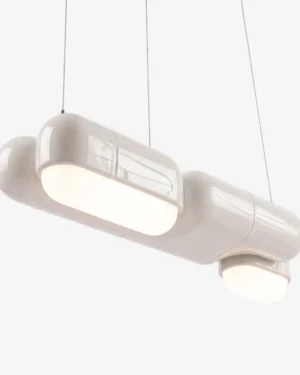
U-044 Pendant Lamp In Chalk Pla
By Rollo Studio
€2.345 -

Patagonia Pendant Lamp In Black Wood
By espina corona
€400 -

Object 018 Pendant Lamp in Brass and Acrylic
By Naama Hofman
€2.100 -
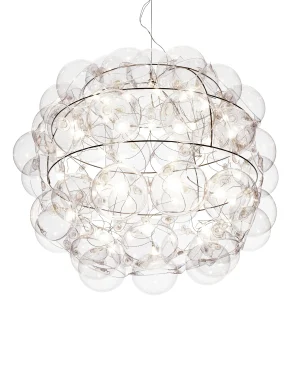 In stock
Star Chandelier in PVC and Stainless Steel
By PUFF-BUFF
€1.040 -

Eclipse Pendant Light
By Rollo Studio
€2.400 -
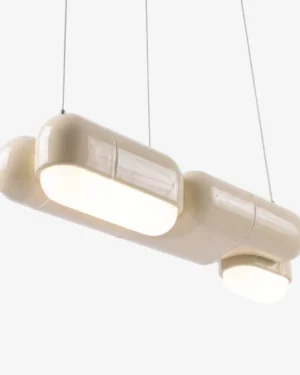
U-044 Pendant Lamp In Cream Pla
By Rollo Studio
€2.345 -
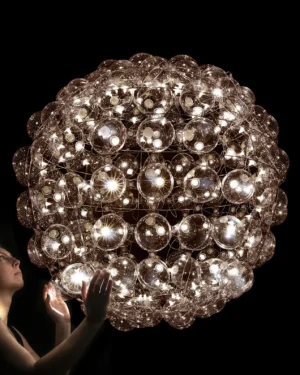
Superstar Chandelier in PVC and Stainless Steel
By PUFF-BUFF
€2.360 -

Wind Pendant Lamp in Aluminum, Copper & Recycled Plastic
By SIGNATURE OBJECTS
€1.200 -
 In stock
Lullaby and Hygge Pendant Lamp in Resin and Steel
By BDCI
€1.400 -
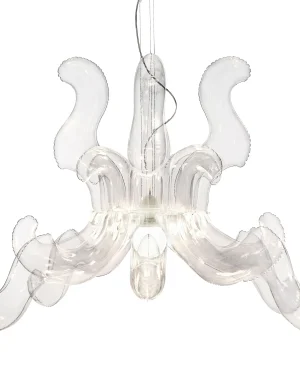
Lullaby No.3 Chandelier in PVC and Acrylic
By PUFF-BUFF
€640 -
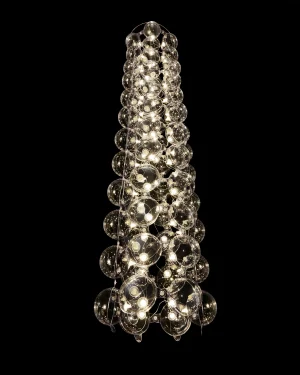
High Tower Pendant Lamp In Air-filled Pvc And Steel
By PUFF-BUFF
€1.480 -
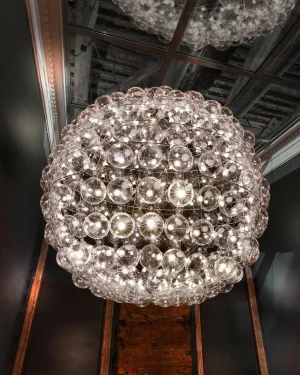
Megastar Chandelier in PVC and Stainless Steel
By PUFF-BUFF
€4.360 -

Queen’s Chandelier in PVC and Stainless Steel
By PUFF-BUFF
€2.360 -
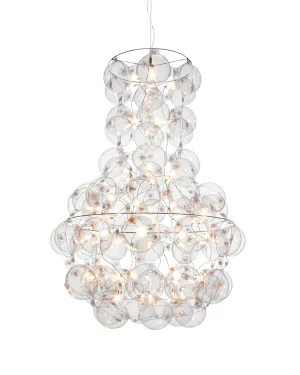
Prince’s Chandelier in PVC and Stainless Steel
By PUFF-BUFF
€1.160 -

Tube 01 Pendant Lamp in Brass and Acrylic
By Naama Hofman
€2.600 -

Arc 015 Pendant Lamp in Brass and Acrylic
By Naama Hofman
€2.900 -
 In stock
Ic-4 Pendant Lamp In Resin, Foam And Natural Fibers
By Studio Josha
€8.250 -

Slotted Vertical Offset Pendant Lamp In Acrylic
By Nolan Talbot-Kelly
€1.800 -

Slotted Linear 32 Pendant Lamp In Aluminum And Acrylic
By Nolan Talbot-Kelly
€1.200 -
 In stock
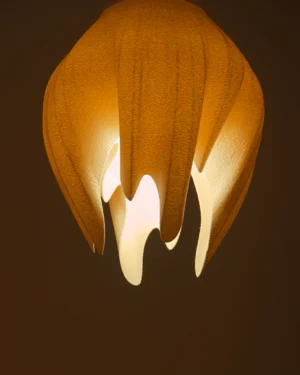
Medusa Pendant Lamp In Bio Polymer
By diploria studio
€245 - €495
Plastic ceiling lamps gather work from studios who treat polymers as a design material in their own right, not a substitute for glass or metal. PLA and bioplastic come off 3D printers in layered shells, acrylic and acrylic glass are cut and vacuum formed into curved diffusers, and PVC turns up where a maker wants color and flexibility at once. What unites them is a lightness that lets a ceiling fixture take on shapes that would be heavy or costly in any other material.
What plastic brings to a ceiling fixture
Plastic diffuses and carries light differently depending on how it is made. 3D printed PLA builds up in visible rings or lattices, so the shade itself becomes a graphic object even unlit, while bioplastic shares that printed texture with a softer, less uniform surface since it is grown from plant-based feedstock rather than petroleum. Acrylic and acrylic glass go the other way, polished to a clarity or a frosted haze that spreads light evenly across a ceiling without the hard shadows a bare bulb throws.
Color sits close to the surface of these pieces. Transparent and white bodies let light pass through with little loss, while wine, black and gray tints absorb some of it back, giving a warmer or more contained glow. PVC and bioplastic take dye well, which is part of why plastic lighting covers more ground in color than most wood or ceramic equivalents.
Range of material, finish and making
Within plastic ceiling lamps on ADORNO, the working methods vary as much as the finishes:
- Digital fabrication and 3D printing, building shades layer by layer in PLA or bioplastic
- Vacuum forming, heating acrylic sheet over a mold to get a continuous curved shell
- Metalwork paired with acrylic or PVC, where a stainless steel or metal frame carries a plastic diffuser
- Hand painting and hand assembly, finishing printed or formed parts individually
Some of this work is produced in open editions, repeatable as the printing files or molds allow. Other pieces come as limited editions or unique pieces, where a studio hand-finishes each shade or varies the print settings piece to piece, so no two read quite the same under light.
How to choose a plastic ceiling lamp
Scale matters more on a ceiling than anywhere else in a room, since the fixture sits against open space with nothing to anchor it visually. A wide, pale diffuser in white or ivory spreads light broadly and suits a low ceiling where you want brightness without visual weight pressing down. A smaller, saturated form in black or wine reads more like a sculptural point and works where the ceiling already has height to spare.
Mounting height and finish go together. Transparent and frosted acrylic suit a fixture hung close enough that its form registers, while denser, opaque plastics can sit higher without losing presence. If you already have steel or stainless hardware elsewhere in the room, a lamp that pairs a metal frame with its plastic shade, like the options among steel ceiling lamps, will tie the two materials together rather than introduce a third.
Where plastic ceiling lamps suit a room
Printed and vacuum-formed shades read as contemporary or minimalist by default, their geometry coming from a file or a mold rather than a hand, which makes them a fit for rooms already built around clean lines. That same quality works in a living room where the ceiling fixture needs to hold its own against furniture and art; see the range under living room ceiling lamps for scale references. Biophilic and sustainable pieces in bioplastic suit spaces where the owner wants the material story visible, not hidden.
Care and handling
Plastic resists moisture and will not warp the way wood can, but it scratches more easily than glass or metal, so wipe shades with a soft, dry cloth rather than an abrasive one. Keep acrylic and PVC away from sustained direct heat, including enclosed fixtures with high-wattage bulbs, since both can soften or discolor over time. For the wider range of techniques and tints across this material, see every plastic and polymer piece on ADORNO, or compare ceiling fixtures more broadly among all ceiling lamps.
How do I choose a plastic ceiling lamp?
Think about the light you want first: 3D printed PLA and bioplastic shades cast texture and pattern, while acrylic diffuses light evenly. Color also matters, since transparent and white bodies pass more light than wine, black or gray tints.
How do you clean and care for a plastic ceiling lamp?
Dust with a dry or slightly damp cloth, avoiding solvents or abrasive cleaners that can cloud or scratch the surface. Keep acrylic and PVC pieces away from prolonged direct heat, which can warp or discolor them over time.
What size ceiling lamp suits my room?
Scale and drop height vary by piece and depend on ceiling height and the size of the room below it. Chat with the maker on the piece's page to confirm dimensions before ordering.
Which rooms work best with plastic ceiling lamps?
Their lightness suits living rooms, dining areas and bedrooms alike, and bold color or graphic printed shades can anchor a room that needs a focal point. Frosted acrylic diffusers work well anywhere even, shadow-free light matters.
What is ADORNO's shipping and returns policy?
Shipping is insured and worldwide. Returns are accepted within 14 days, except for made-to-order pieces, and every order includes a certificate of authenticity.
Can I order a plastic ceiling lamp in a custom color or size?
Some studios take custom requests for color, size or finish, others work only in open or limited editions. Chat with the maker on the piece's page to ask directly.