-
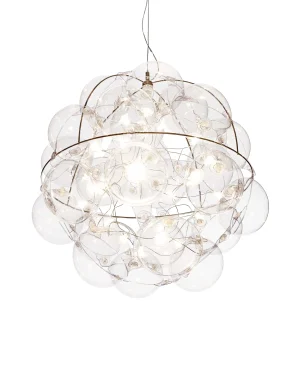 In stock
Starlette Chandelier in PVC and Stainless Steel
By PUFF-BUFF
€830 -
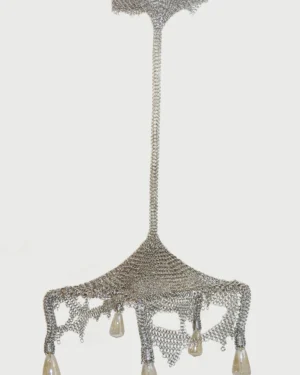
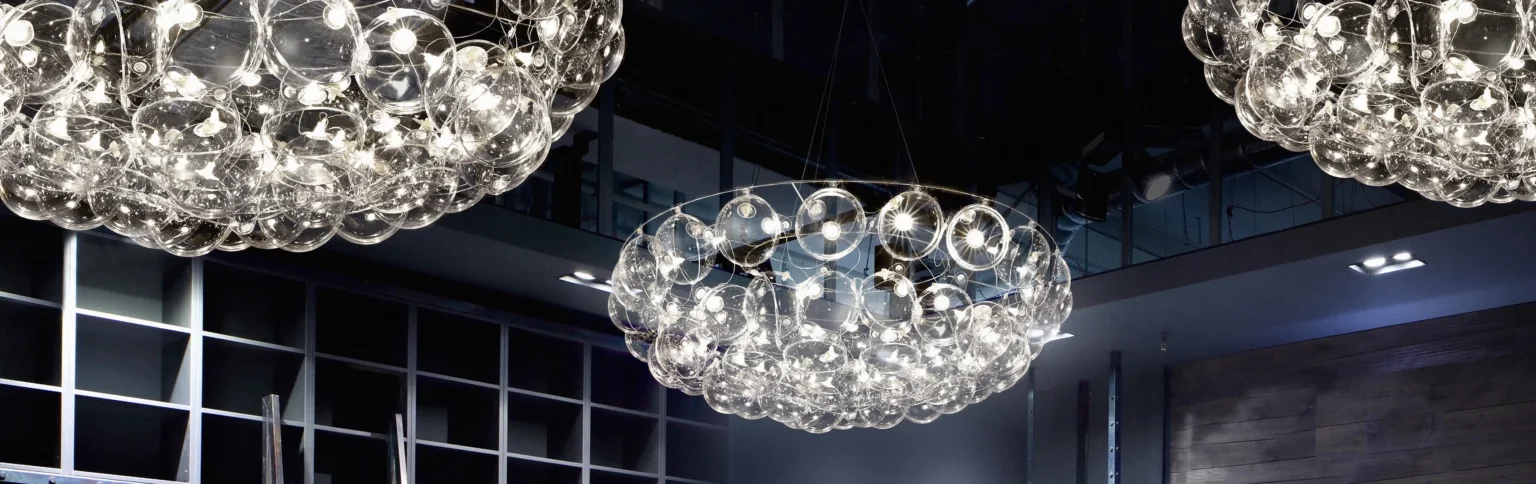
Chainmail Cobweb Chandelier in Glass and Steel
By Panorammma Atelier
€4.250 -
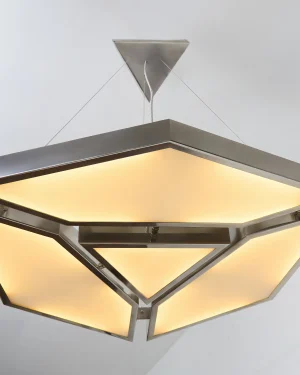
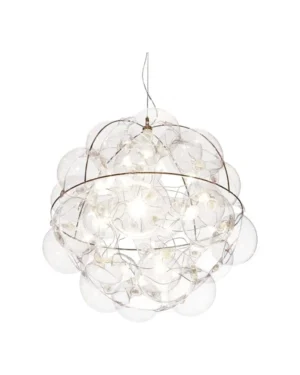
Alban Chandelier in Stainless Steel and Glass
By Nathan Chintala
€5.066 -
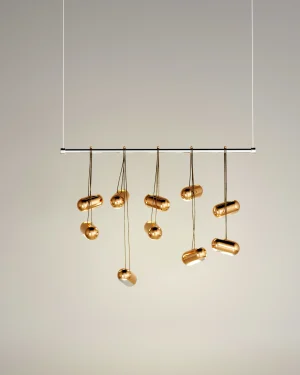
Tere Chandelier in Stainless Steel, Bronze and Acrylic Resin
By Design VA
€12.432 -
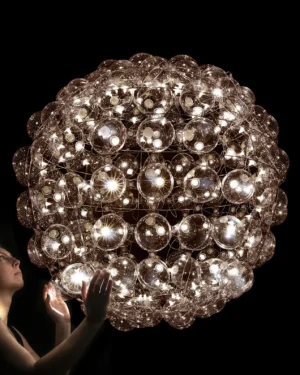
Superstar Chandelier in PVC and Stainless Steel
By PUFF-BUFF
€2.360 -
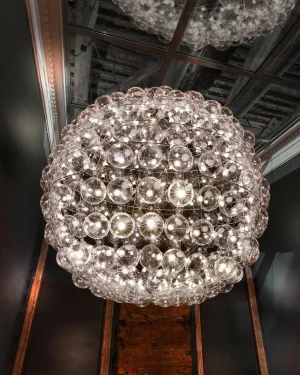
Megastar Chandelier in PVC and Stainless Steel
By PUFF-BUFF
€4.360 -
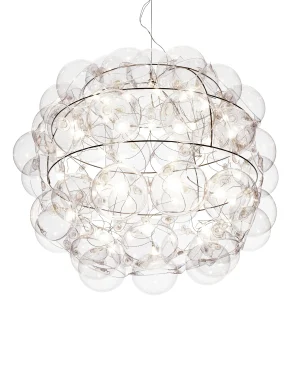 In stock
Star Chandelier in PVC and Stainless Steel
By PUFF-BUFF
€1.040 -
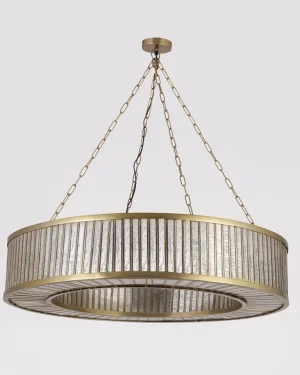 In stock
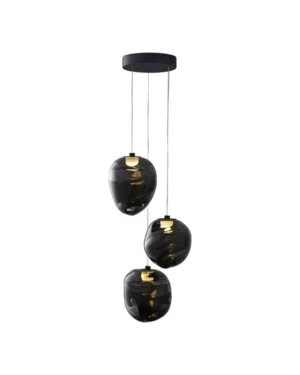
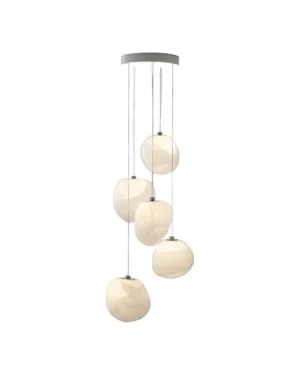
Fossil Chandelier in Stainless Steel
By Nama Home
€1.360 -
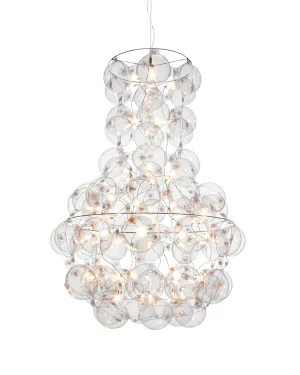
Prince’s Chandelier in PVC and Stainless Steel
By PUFF-BUFF
€1.160 -

Queen’s Chandelier in PVC and Stainless Steel
By PUFF-BUFF
€2.360
Steel chandeliers take their structure from a material that bends to welding, polishing and plating without losing its backbone. Studios working in steel build frames that hold their geometry over decades, pairing the metal with glass, brass or resin to soften or sharpen the effect. The making ranges from hand-welded one-offs to open editions produced with repeatable metalwork, so the finish and the method tell you as much as the shape.
What defines a steel chandelier
Steel carries weight without bulk. A frame a few millimeters thick can span a wide arrangement of arms or rings and still read as light in the room, because the metal does not need the mass that cast iron or solid brass would require. This is why steel suits open, linear or sculptural forms: the material holds a cantilever or a long diagonal arm without sagging over time.
Surface treatment changes the character entirely. Raw or brushed steel reads neo-industrial and cool, stainless steel stays bright and low-maintenance, and nickel-plated steel takes on a silver, almost mirrored quality that catches light differently through the day. Chrome plating pushes the same base metal toward a harder, more reflective look, while a bronze or gold-toned finish warms it.
Materials and techniques found across the range
Steel rarely works alone in a chandelier. It is commonly set against glass for diffusion, acrylic resin or PVC for color and lightness, or brass for contrast in tone. Vacuum forming and resin casting show up where a studio wants rounded, repeatable shades or drops; welding and metalwork dominate where the piece is built arm by arm; hand assembly is how multi-part fixtures come together once the metalwork is finished.
- Open editions: steel frames built to a repeatable method, consistent from piece to piece
- Limited editions: smaller runs where a finish or a welded detail is harder to repeat at scale
- Unique pieces: one-off chandeliers where the steelwork is not meant to be reproduced
For a wider look at how steel behaves across lighting and furniture rather than chandeliers alone, the full range of steel pieces on ADORNO spans tables, seating and lamps built from the same logic of welded or plated frames.
Choosing scale, height and finish
Start with the ceiling height and the table or floor area below it, since a steel chandelier needs clearance on both sides to avoid feeling cramped or lost. A dense, multi-arm fixture asks for a room with enough volume to let the arms spread; a single pendant-style steel chandelier works in a lower room or over a smaller surface. Match the finish to what is already in the room: brushed or raw steel sits well against wood and concrete, while chrome or nickel-plated steel pairs more naturally with glass, marble or other polished surfaces.
Where steel chandeliers work
Dining rooms and entry halls are the classic settings, where a steel chandelier anchors the space from above and sets the tone before anything else in the room is noticed. In a living room, a lower-hanging steel piece can replace a floor lamp as the main light source. Contemporary and eclectic interiors tend to take steel chandeliers most easily, though a futuristic or neo-industrial scheme will often build the whole room around one. For a broader set of shapes and price points within the same material family, metal chandeliers and glass chandeliers sit close by, often combined with steel frames.
Caring for a steel chandelier
Untreated steel will show fingerprints and dust more readily than plated finishes, so a dry microfiber cloth used regularly keeps the surface even. Stainless and nickel-plated steel tolerate a lightly damp cloth, but standing water or harsh cleaners can mark the plating over time and should be avoided. Keep steel fixtures away from damp or high-humidity rooms unless the piece is specifically treated for it, since untreated steel will rust where moisture sits.
To see how the same material behaves across the wider ceiling range, the full set of chandeliers and the broader steel lighting group both show steel chandeliers alongside other steel-based fixtures and finishes.
How do I choose a steel chandelier?
Start with the frame's finish and weight, since welded or metalwork steel reads heavier than nickel-plated or chrome versions. Match the scale to the ceiling height and the table or surface it will hang above.
How do you care for a steel chandelier?
Wipe steel with a dry or lightly damp cloth, avoiding abrasive cleaners that can scratch plating or finish. Stainless and nickel-plated steel resist tarnish, while untreated steel benefits from occasional polishing.
What size chandelier do I need and how high should it hang?
Leave at least 30 inches between the lowest point of the chandelier and the tabletop below, and more in rooms with higher ceilings. The maker can confirm exact dimensions and drop height with Chat with the maker on the piece's page.
Which rooms suit a steel chandelier?
Steel chandeliers anchor dining rooms, entryways and living spaces where the fixture carries visual weight at eye level or above. Their cooler tone suits contemporary and neo-industrial interiors as readily as eclectic ones.
Can I order a custom steel chandelier?
Some studios take made-to-order or custom requests on steel pieces; the maker can confirm options through Chat with the maker on the piece's page.
What is ADORNO's shipping and return policy for chandeliers?
Shipping is insured and worldwide, and most pieces can be returned within 14 days, though made-to-order pieces are excluded. Every chandelier arrives with a certificate of authenticity, backed by a lowest-price guarantee.