-
 In stock
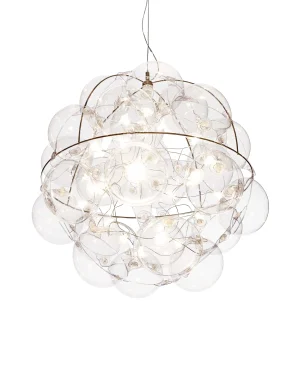
Starlette Chandelier in PVC and Stainless Steel
By PUFF-BUFF
€830 -
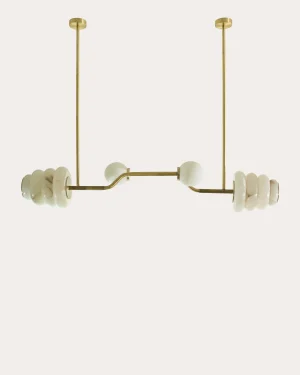
Barbell Chandelier in Brass
By Nama Home
€5.710 -
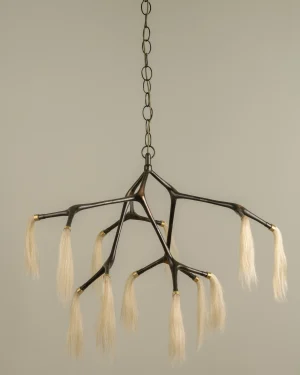
Maratus Horsehair Chandelier in Bronze
By Isabel Moncada
€33.345 -
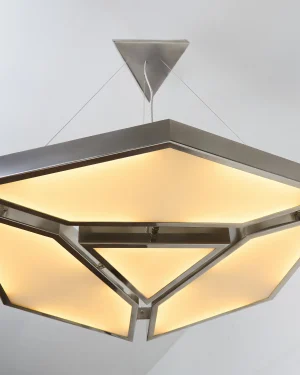
Alban Chandelier in Stainless Steel and Glass
By Nathan Chintala
€5.066 -

GP032 Chandelier in Brass and Blown Glass
By Naama Hofman
€6.500 -

GP033 Chandelier in Brass and Blown Glass
By Naama Hofman
€4.200 -
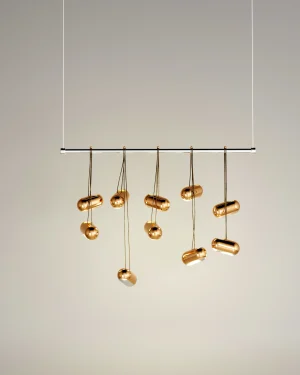
Tere Chandelier in Stainless Steel, Bronze and Acrylic Resin
By Design VA
€12.432 -
 In stock
“Chanka-Hanka” Mobile Chandelier in Stoneware and Metal
By UAU Studio
€2.000 This product has multiple variants. The options may be chosen on the product page -

Queen’s Chandelier in PVC and Stainless Steel
By PUFF-BUFF
€2.360 -
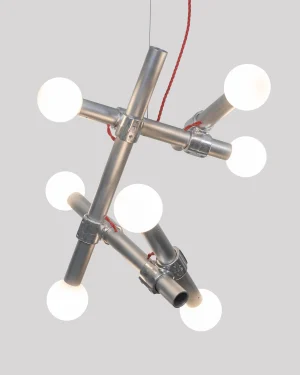
Pipe Dream Chandelier in Aluminum and Glass
By Luft Tanaka Studio
€3.655 This product has multiple variants. The options may be chosen on the product page -
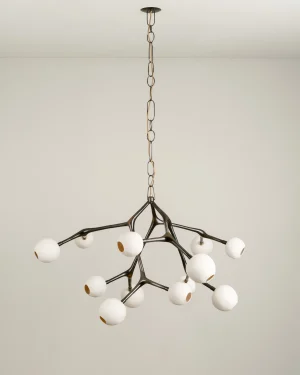
Maratus Chandelier in Bronze and Glass
By Isabel Moncada
€31.005 - €35.655 This product has multiple variants. The options may be chosen on the product page -
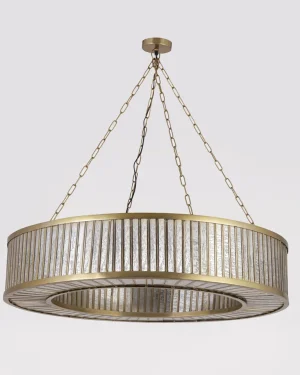 In stock
Fossil Chandelier in Stainless Steel
By Nama Home
€1.360 This product has multiple variants. The options may be chosen on the product page -
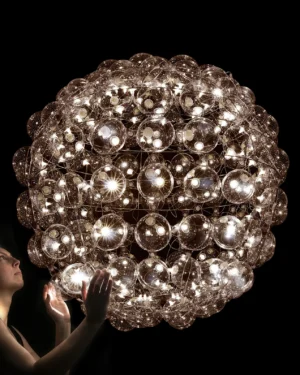
Superstar Chandelier in PVC and Stainless Steel
By PUFF-BUFF
€2.360 -
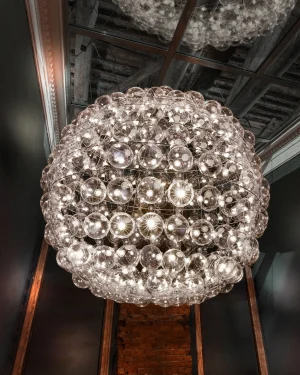
Megastar Chandelier in PVC and Stainless Steel
By PUFF-BUFF
€4.360 -
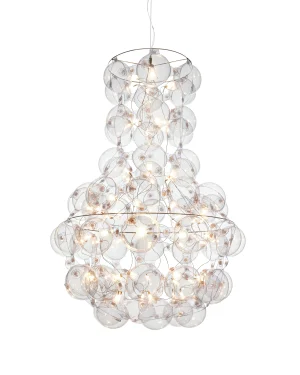
Prince’s Chandelier in PVC and Stainless Steel
By PUFF-BUFF
€1.160 -
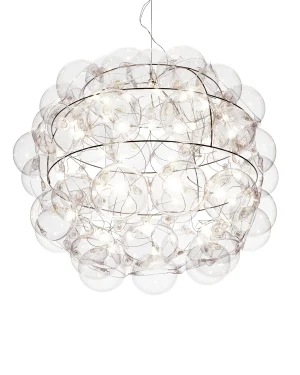 In stock
Star Chandelier in PVC and Stainless Steel
By PUFF-BUFF
€1.040 -
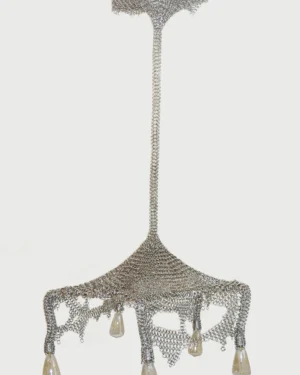
Chainmail Cobweb Chandelier in Glass and Steel
By Panorammma Atelier
€4.250 -

Stardust Chandelier in Iron
By Nama Home
€1.750 - €2.750 This product has multiple variants. The options may be chosen on the product page -
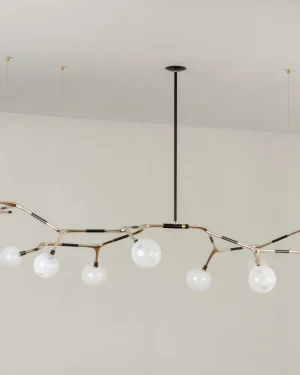
Mantis 13-Piece Chandelier in Bronze and Glass
By Isabel Moncada
Price Upon Request - This product has multiple variants. The options may be chosen on the product page -

Mantis 9-Piece Chandelier in Bronze and Glass
By Isabel Moncada
Price Upon Request - This product has multiple variants. The options may be chosen on the product page -
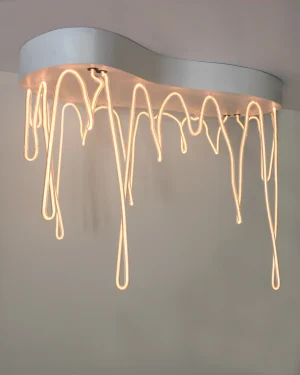
Vertical Fractal Helium Chandelier in Glass and Metal
By Dace Sūna
Price Upon Request
Metal chandeliers gather light into a single suspended mass, built from stainless steel, brass, bronze or chrome and shaped by studios that treat metal as a structural material rather than a decorative skin. The pieces found here range from spun and welded forms to cast arms finished by hand, each one carrying its own weight without losing its line. Material choice and method of making decide how a chandelier reads from across a room, and how long it keeps its finish.
What defines a metal chandelier
Metal holds a shape that fabric, paper or resin cannot. A welded steel frame or a cast bronze arm can hold a cluster of bulbs, glass shades or bare filament lamps away from the ceiling, cantilevered or stacked, without sagging over years of use. That structural honesty is part of what metal chandeliers offer: the arm you see is doing the work you assume it is doing.
Surface finish changes the character of the same structure. A chrome or polished steel body throws back the room around it, a bronze or brass one absorbs light and warms with age, and a lacquered finish in sand, aubergine or scarlet turns the fixture into a color statement rather than a neutral support. Transparent or light gray glass elements, where a studio pairs metal with blown glass, soften the overall silhouette.
Materials, finishes and techniques on ADORNO
Within metal chandeliers, stainless steel and brass appear most often, followed by bronze, chrome and the occasional pairing with blown glass or PVC detailing. Finishes run from bare metal left to show weld lines and spinning marks, through polished chrome and silver, to painted colors such as white, sand or scarlet.
- Welding and metalwork for angular, Neo-Industrial or Brutalist frames
- Metal spinning for the rounded shades seen in Space Age and Art Deco work
- Lost-wax casting for bronze arms with Eclectic or Contemporary detail
- Hand assembly, where a studio combines metal with glass or resin elements
Editions vary by studio: some chandeliers are produced as open editions, others as limited editions or unique pieces, a distinction worth checking before deciding how a fixture will sit alongside the rest of a room.
Choosing scale, height and placement
A metal chandelier reads differently depending on how far it drops and how wide its arms spread. Measure the ceiling height first, then leave enough clearance below the lowest point for anyone passing underneath, particularly over a dining table or stair landing. Width should answer to the table or seating group below it, not to the room as a whole.
Finish also has to answer to light. Polished chrome or silver multiplies whatever daylight or bulb light reaches it, which suits a room that already has strong natural light. Bronze, brass or a matte lacquer absorbs more than it reflects, which works better where the fixture itself needs to supply most of the light after dark.
Rooms suited to metal chandeliers
Dining rooms remain the most direct fit, where a fixture can be centered over a table and set low enough to warm the surface without blocking sightlines across it. Stairwells and double-height entries take advantage of the drop a metal chandelier can manage, since the structure can carry its own weight over a long run of chain or rod. Living rooms and bedrooms take smaller, lower-hanging versions, often in warmer bronze or brass tones rather than reflective chrome.
Caring for metal fixtures
Dust settles visibly on metal, so a soft cloth run over the arms and shade keeps a chandelier reading clean rather than dulled. Polished chrome and steel show fingerprints and water spots, so wipe with a dry cloth rather than a wet one. Brass and bronze will darken slightly over years unless lacquered, which some owners prefer as a sign of age rather than a fault to correct.
For a wider view of how metal behaves across other kinds of lighting, the metal lighting pages cover floor and table forms built the same way. Those who want the structure without the spread of arms can compare steel chandeliers on their own, while anyone drawn to glass as the dominant material rather than the support can look through glass chandeliers instead. For the full range of ceiling fixtures built from metal, brass, bronze and chrome across studios, the Metals material page gathers every piece in that material.
How do I choose a metal chandelier?
Start with the metal and finish: steel and chrome read sharp and contemporary, brass and bronze bring warmth, and spun or welded forms suit rooms with visible beams or exposed structure.
How do I care for a metal chandelier?
Dust with a dry or barely damp cloth and avoid abrasive cleaners, which can strip lacquer or patina. Brass and bronze develop a deeper tone over time; steel and chrome stay bright with light, regular wiping.
What size chandelier do I need for my room?
Weigh the fixture against ceiling height and table or floor space below it, leaving enough clearance for anyone passing underneath. For exact dimensions and drop length, chat with the maker on the piece's page.
Which rooms suit a metal chandelier?
Metal holds its shape and reflects light well, so these pieces anchor dining rooms, stairwells and living areas where a fixture needs to carry visual weight across a larger space.
Does ADORNO ship metal chandeliers worldwide?
Yes, shipping is insured and covers worldwide delivery, with packing suited to metal structures and any glass or finish details.
Can I return a metal chandelier if it does not suit my space?
Standard pieces can be returned within 14 days; made-to-order chandeliers are excluded. Each piece ships with a certificate of authenticity, and ADORNO offers a lowest-price guarantee.