







-
 In stock
Side Book Side Table in Hand-Carved Walnut
By Mantas Lesauskas
€3.200 - €3.300 This product has multiple variants. The options may be chosen on the product page -
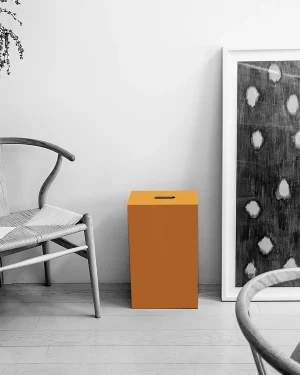
The Apple Box Side Table in Baltic Birch Plywood
By ilan
€450 This product has multiple variants. The options may be chosen on the product page -

Finepianta 04 Side Table in Stainless Steel and Walnut
By FINEPIANTA
€2.877 -
 In stock
Dendria Side Table in Biopolymer and Walnut Root Veneer
By diploria studio
€4.050 -
 In stock
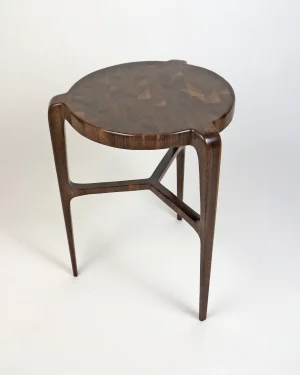
Endgrain Side Table in Walnut
By Aaron Scott
€3.400 -
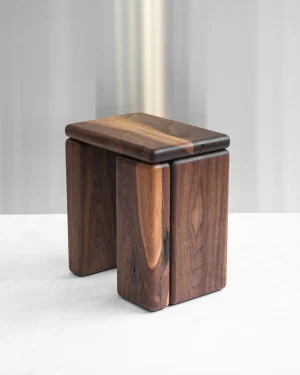
Timber – Walnut Stool
By Studio Onno Adriaanse
€992 -

Taes Side Table in Oak and Walnut
By Mokko
€3.270 - €4.910 This product has multiple variants. The options may be chosen on the product page -
 In stock
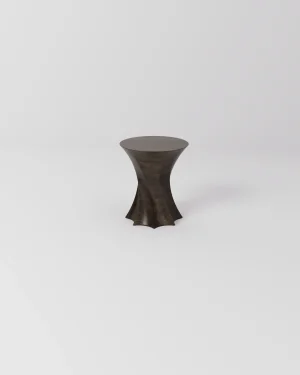
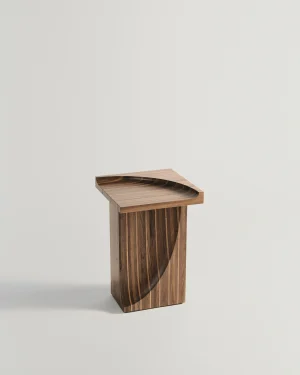
Torque Side Table in Solid Walnut
By Studio TOOJ
€6.800 -
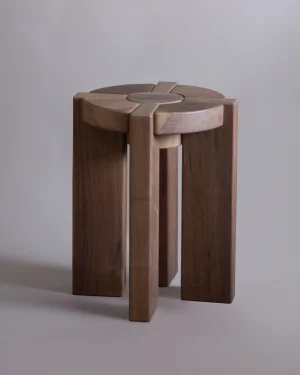
Trama Side Table in Solid Walnut and Oak
By Rosana Sousa
€1.655 -
 In stock
Multiflora – Low Stool
By CMX | Furniture
€1.362 - €1.897 This product has multiple variants. The options may be chosen on the product page -

Arc De Stool 52
By Project 213A
€894 - €1.220 This product has multiple variants. The options may be chosen on the product page -

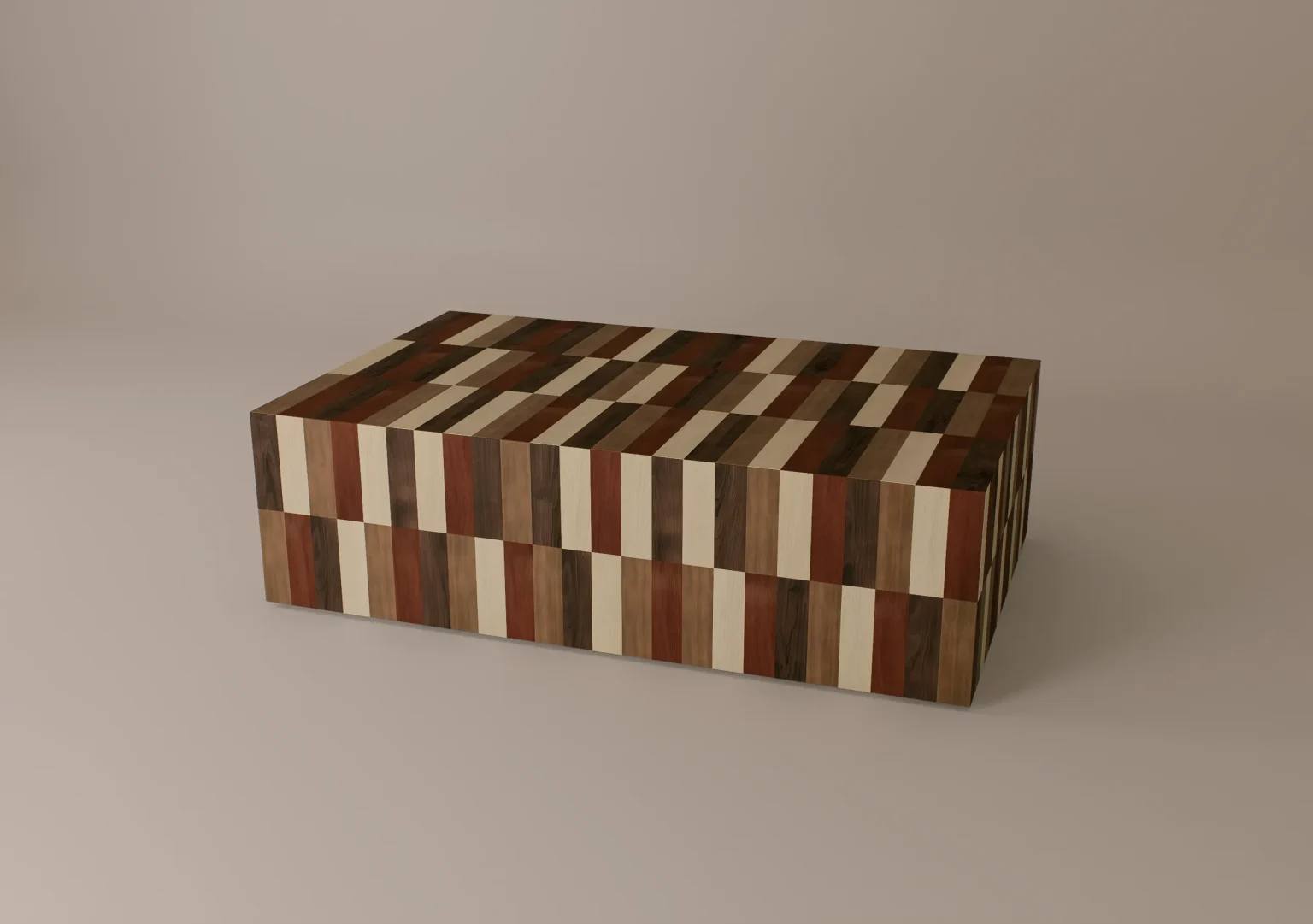
Gradient 02/03 Side Table in Beech, Ash Wood and Walnut
By Luis Gimeno Design
€3.600 - €3.800 This product has multiple variants. The options may be chosen on the product page -
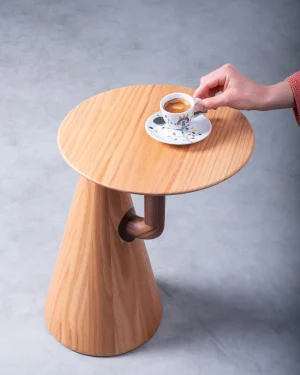
Helping Hand Side Table in Oak and Walnut
By noknok
Price Upon Request -

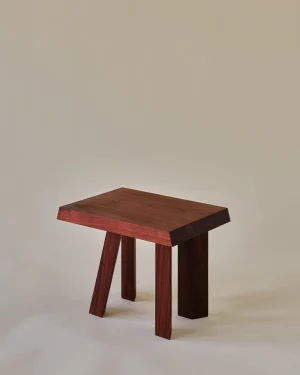
Mora Side Table in Tzalam, Maple, Oak and Walnut
By Daniel Couttolenc
€2.300 - €4.700 This product has multiple variants. The options may be chosen on the product page -
 Sold
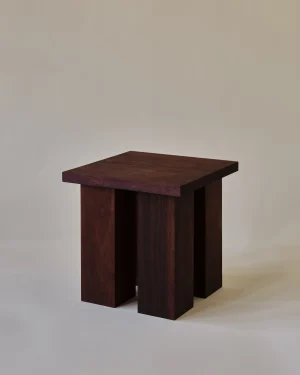
SoldShear 02 Side Table in Walnut
By Mock Studio
€670 -
 Sold
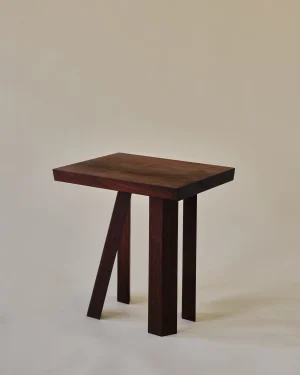
SoldMiter Side Table in Walnut
By Mock Studio
€800 -
 Sold
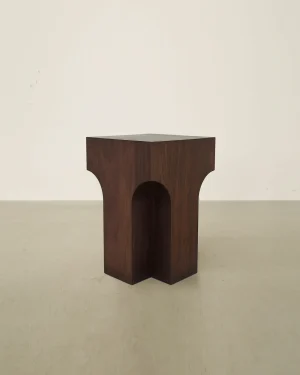
SoldShear 01 Side Table in Walnut
By Mock Studio
€850 -
 In stock
Amud Side Table in Walnut
By Selma Lazrak
Price Upon Request
Walnut side tables bring a dense, dark-grained hardwood into a small footprint, pairing weight with the compact scale of a piece meant to sit beside a sofa, chair, or bed. Studios working in wood and cabinetmaking choose walnut for its tight grain and color, often finishing it with oil or wax rather than heavy lacquer so the material keeps its depth. The pieces found here range from simple turned or joined forms to carved and veneered constructions, built as open editions, limited runs, or unique pieces depending on the studio's way of working.
What defines walnut as a material
Walnut is prized for its color, running from warm brown to near-black, and for a grain that can be straight, wavy, or richly figured depending on where the tree grew and how the board was cut. It is denser and heavier than oak or ash, which gives a small table real presence without added bulk. Over years, walnut deepens slightly in tone when exposed to light, a slow shift that most owners read as the wood settling rather than aging.
How walnut side tables are made
Cabinetmaking studios join solid walnut into legs, aprons, and tops using traditional joinery, which keeps the wood's full thickness and grain visible along every edge. Others work by veneering, applying thin layers of walnut over a stable substrate to control movement and cost while keeping the same surface character. Wood carving appears on sculptural bases and tapered legs, where the maker removes material by hand to shape form rather than assembling flat panels. Alongside walnut, the wider range of side tables on ADORNO includes oak, maple, ash, and tzalam wood, as well as stainless steel for a cooler, harder contrast, in finishes from natural wood tones to black, wine, beige, and red lacquers.
How to choose a walnut side table
Start with height: a side table usually sits level with or just below the arm of a sofa or the mattress line of a bed, so it can hold a lamp or a glass within easy reach. Scale matters as much as height; a table that is too wide will crowd a seating area, while one too narrow can tip under the weight of books or ceramics. Consider the finish next, since a matte oil surface will show water rings and scratches more readily than a satin lacquer, though both age differently rather than poorly.
- For a living room, pair a low walnut table with a sofa arm or reading chair to hold a lamp and a stack of books.
- For a bedroom, choose a table close to mattress height so it functions as a true bedside surface.
- For an entryway, a narrow walnut table against a wall can hold keys and mail without blocking passage.
Style follows function more than trend: a minimalist or Scandinavian design tends toward thin legs and a single plane top, while a brutalist or mid-century modern table may carry heavier, sculptural legs or a sturdier box form. Rustic and sustainable approaches often leave more of the wood's natural edge or texture visible, where a contemporary or modern piece is planed smooth and finished evenly.
Where walnut side tables work
Walnut's warmth makes it a natural partner for upholstered seating, wool rugs, and brass or ceramic lighting, softening rooms built mostly from harder materials like stone or steel. In a living room it can anchor a reading corner beside a lamp and a low chair; in a bedroom it steadies a nightstand routine of water, books, and a clock. A single walnut table near an entry or at the end of a hallway can also hold a dish for keys, giving a transitional space a clear use.
Caring for walnut
Walnut responds well to simple care: wipe spills quickly, keep the surface out of direct, constant sun to slow uneven fading, and use a coaster under anything wet or very hot. Oiled finishes benefit from an occasional fresh coat of furniture oil, while waxed or lacquered surfaces mainly need a soft, dry cloth. With that basic attention, a solid walnut table will darken gently and stay structurally sound for decades.
For a broader view of the species across furniture types, see every walnut piece on ADORNO, or compare it with other species among the wooden side tables. Walnut also appears in larger pieces among the walnut tables, while a narrow option for a hallway can be found among the entryway side tables. To see the full range of scale, finish, and material, visit all side tables.
How do I choose a walnut side table?
Match the tone of the walnut to nearby wood pieces, since the grain runs from pale amber to deep chocolate. Consider the surface shape and leg stance against the seating it will stand beside.
How do you care for a walnut side table?
Keep walnut out of direct sun, which fades its color unevenly, and wipe spills quickly since standing water can mark the finish. A light coat of wood oil or wax once or twice a year keeps the surface even.
Does walnut darken or change color over time?
Yes, walnut mellows and deepens slightly with light exposure, moving from its raw brown toward richer, warmer tones. This aging is part of the wood and does not affect strength.
What height and size should a side table be?
Most side tables sit close to arm height, usually just at or slightly below the adjoining sofa or chair arm, so a drink or lamp stays within easy reach. Tabletop size should leave room to move around seating comfortably.
Which rooms suit a walnut side table?
Walnut works beside sofas and armchairs in a living room, next to a bed, or along an entryway wall. Its warm, even grain pairs with upholstery, metal lighting, and other wood tones without competing for attention.
What is ADORNO's shipping, returns and authenticity policy?
Shipping is insured and worldwide. Returns are accepted within 14 days, except for made-to-order pieces. Every piece comes with a certificate of authenticity, backed by a lowest-price guarantee.