






-
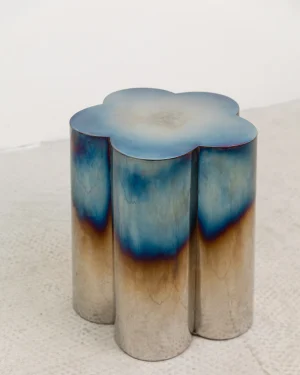
Barvinok Side Table in Heat-Treated Stainless Steel
By FURN OBJECT
€2.700 -

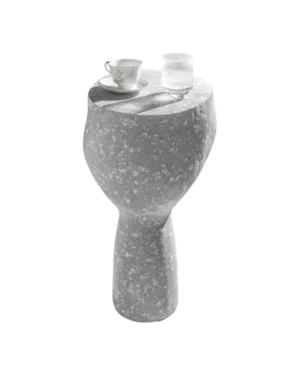
White Plinth Side Table in Paper Pulp and Cement
By Donatas Žukauskas
€1.050 -
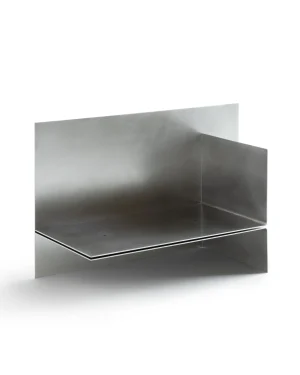
Polysemy Silver Side Table in Stainless Steel
By So Koizumi
€1.200 -
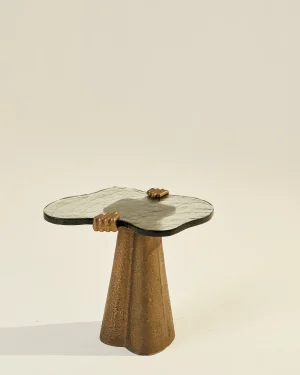
Paws Side Table in Cast Aluminum and Cast Glass
By LMNOH
€1.950 -
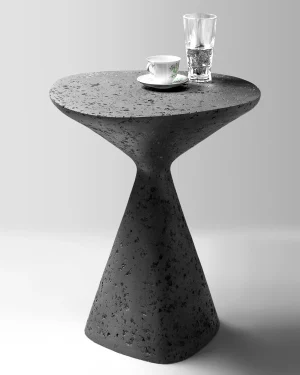
Black Mottled Side Table in Paper Pulp and Cement
By Donatas Žukauskas
€1.100 -
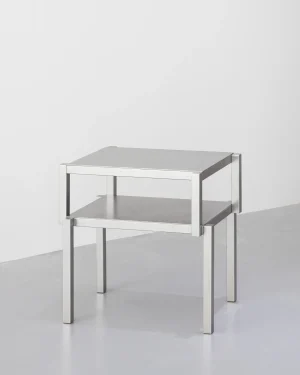
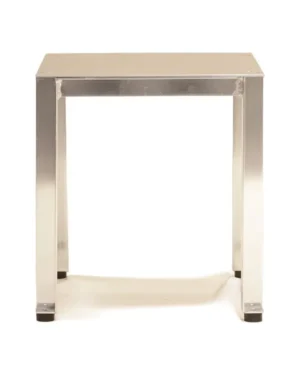
Stackable Stool 1 Side Table in Stainless Steel
By PRACTICE
€644 -
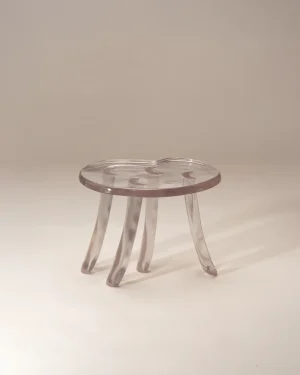
Lung 2.0 Side Table in Resin
By Szymon Keller
€3.180 -

Lung 2.0 Blue Side Table in Resin
By Szymon Keller
€3.180 This product has multiple variants. The options may be chosen on the product page -
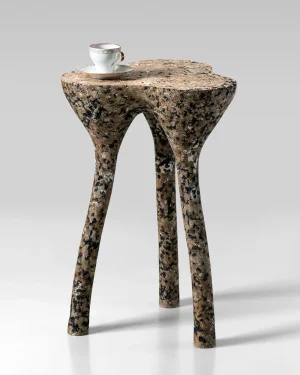
Beige Tripod Low Side Table in Paper Pulp and Cement
By Donatas Žukauskas
€1.100 -
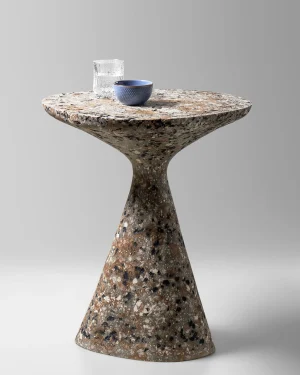
Beige Mottled Side Table in Paper Pulp and Cement
By Donatas Žukauskas
€1.100 -
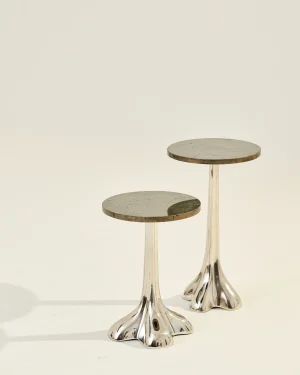 In stock
Theia Side Table in Golden Pyrite and Brass
By LMNOH
€2.100 -
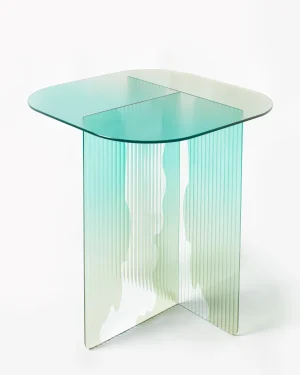
Ivy-II Side Table in Glass
By Yugen Lab
€1.200 -
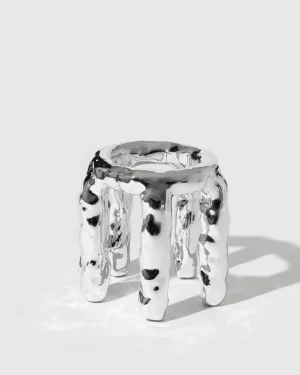
Crest And Trough Series – Chrome Stool / Side Table
By Dongwook Choi
€2.600 -
 In stock
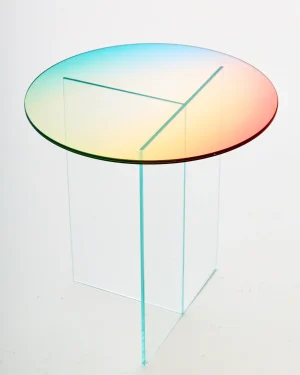
Cosmos Rainbow Gradient Side Table in Tempered Glass
By Studio Monsoleil
€1.100 -
 In stock
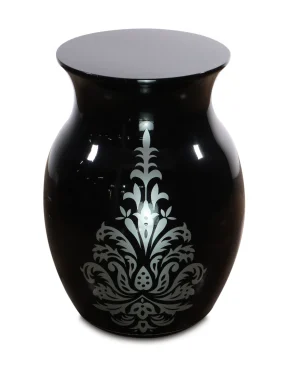
Amphora Side Table in Lacquered MDF
By Costantini Design
€2.280 -

Black Still Column Side Table in Paper Pulp, Cement and Oak
By Donatas Žukauskas
€1.550 -
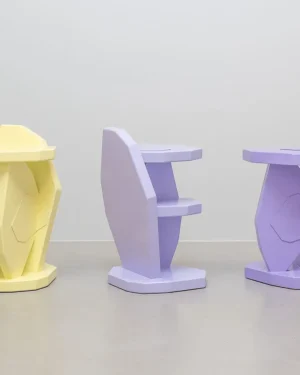
Patched Side Table in Painted Birch and Aluminum
By Jacob Mathias Egeberg
€1.300 This product has multiple variants. The options may be chosen on the product page -
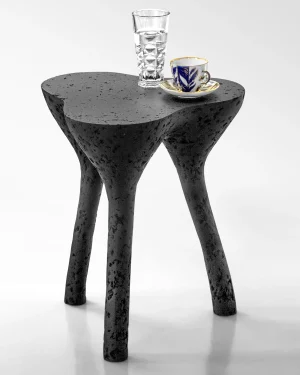
Black Tripod Low Side Table in Paper Pulp and Cement
By Donatas Žukauskas
€960 -
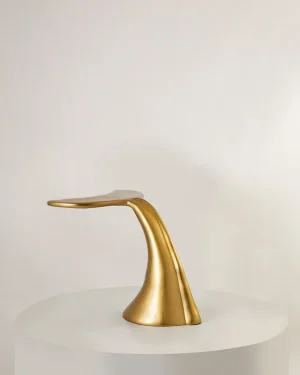 In stock
Balena Side Table in Cast Aluminum
By Nama Home
€2.270 This product has multiple variants. The options may be chosen on the product page -
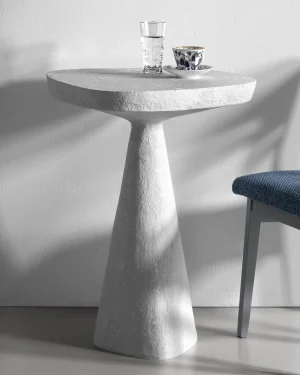
White Plinth High Side Table in Paper Pulp and Cement
By Donatas Žukauskas
€1.350 -

Muste Side Table in Steel
By SALAK Studio
€790 -
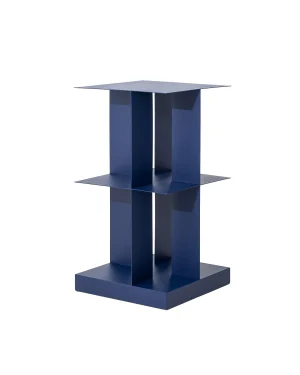
Lobster Side Table in Powder-Coated Steel
By SALAK Studio
€1.200 -
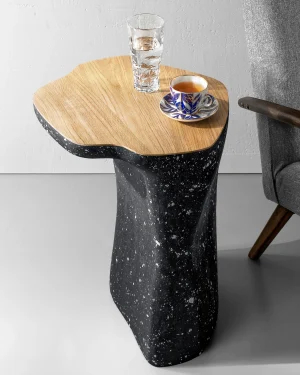
Black Still Form Side Table in Paper Pulp, Cement and Oak
By Donatas Žukauskas
€920 -
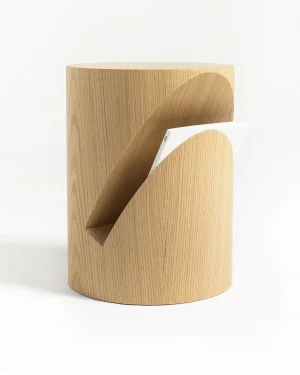
Mola Side Table in Oak Veneer and Plywood
By Yet Design Studio
€1.570 This product has multiple variants. The options may be chosen on the product page -
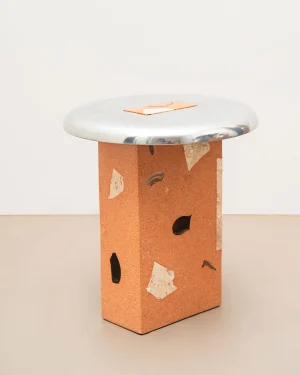
Nu Low Side Table in Terrazzo and Cast Aluminum
By Assimply Studio
€1.320 -
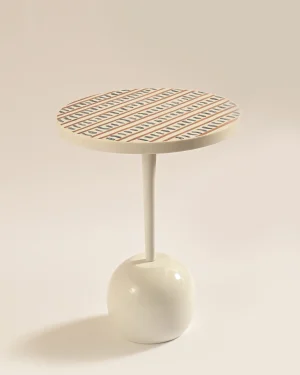
Sambhal Bone Inlay Side Table in Cast Aluminum and Resin
By LMNOH
€856 -
 In stock
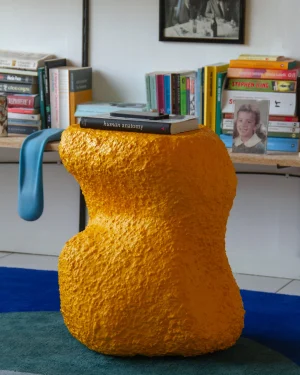
Ollain S Bright Yellow Side Table in Composite Material
By Tellurico Design Studio
€2.300 -
 In stock
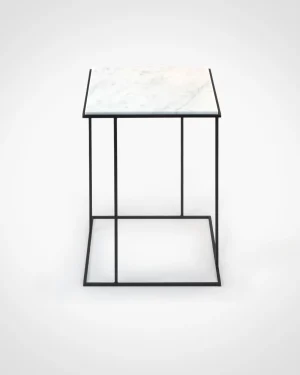
Frame Side Table in Carrara Marble
By DFdesignLab
€400 -
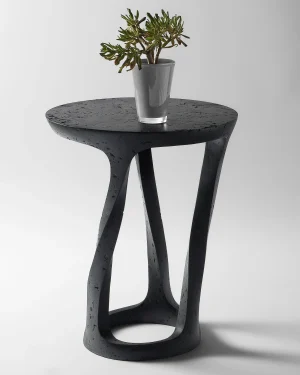
Black Bent Side Table in Paper Pulp and Cement
By Donatas Žukauskas
€2.450 -
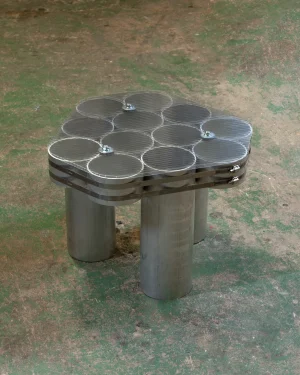 In stock
Bundle 2 Side Table in Upcycled Aluminum
By Nolan Talbot-Kelly
€1.400 -
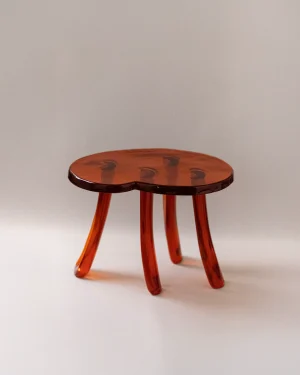
Lung 2.0 Amber Side Table in Resin
By Szymon Keller
€3.180 This product has multiple variants. The options may be chosen on the product page -

Black Tripod High Side Table in Paper Pulp and Cement
By Donatas Žukauskas
€1.250 -
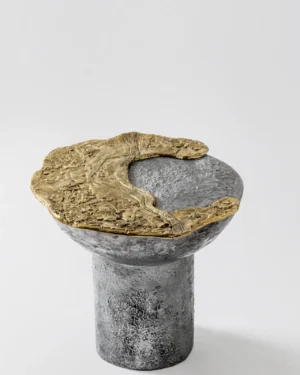
Mooncrater Lunar Edition Side Table in Aluminum and Bronze
By Wanderart
€10.000 -
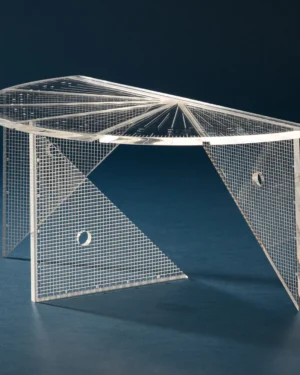 In stock
Angle C Side Table in Acrylic
By Iyo Hasegawa
€2.350 -
 In stock
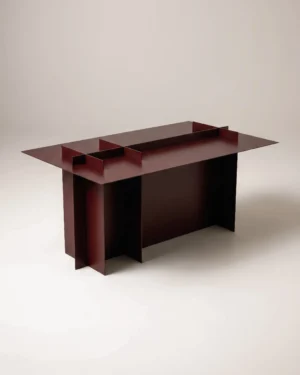
Low Grid Side Table in Powder-Coated Steel
By Dot Objects
€579 - €703 This product has multiple variants. The options may be chosen on the product page -
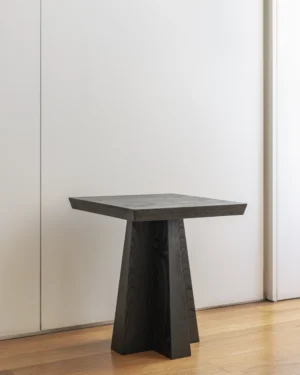
Bündner SQR Side Table in Ash Wood
By Joana Vilaça Studio
€1.350 -
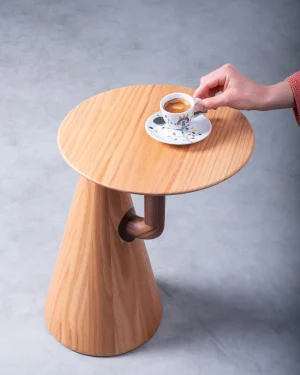
Helping Hand Side Table in Oak and Walnut
By noknok
Price Upon Request -

Mora Side Table in Tzalam, Maple, Oak and Walnut
By Daniel Couttolenc
€2.300 - €4.700 This product has multiple variants. The options may be chosen on the product page -
 Sold
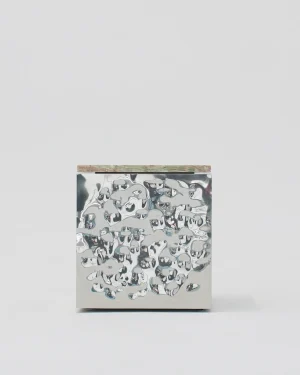
SoldDisordine Prototype Side Table in Steel and Onyx
By Joana Teixeira
€3.850 -
 In stock
B.S.P. Series Black Edition Side Table in Recycled Plastic
By Atelier SOHN
Price Upon Request -
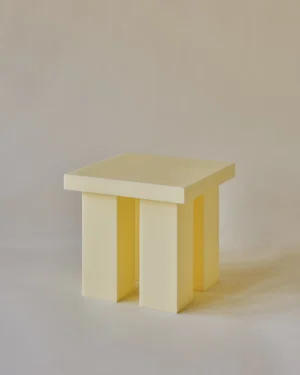 Sold
SoldMiter Side Table in Frosted Acrylic
By Mock Studio
€750 -
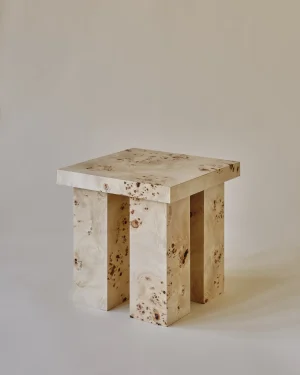 Sold
SoldMiter Side Table in Burl Wood Veneer
By Mock Studio
€1.400 -
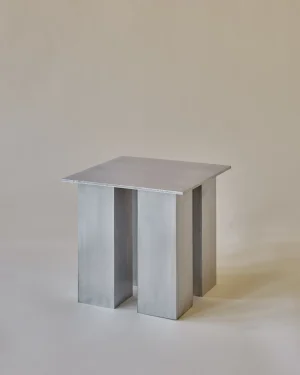 Sold
SoldMiter Side Table in Brushed Aluminum
By Mock Studio
€1.200 -
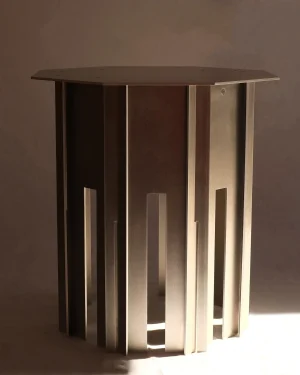
Siniya of Merzouga Side Table in Brushed Aluminum
By BUREAU OF ENTROPY
Price Upon Request -
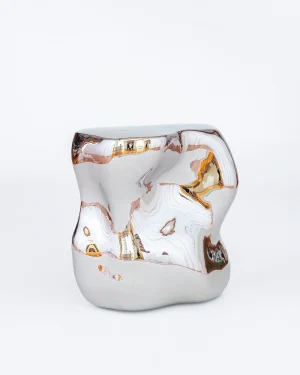 In stock
Surface Stand Side Table in Mirror-Polished Stainless Steel
By studio NAWA
Price Upon Request -
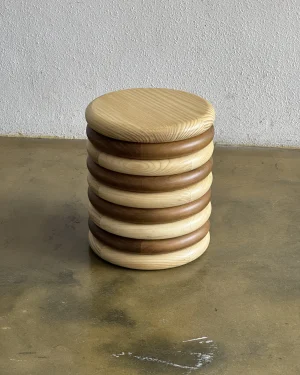
Hilu Side Table in Teak and Sungkai Wood
By STUDIO KALLANG
€1.490 This product has multiple variants. The options may be chosen on the product page -
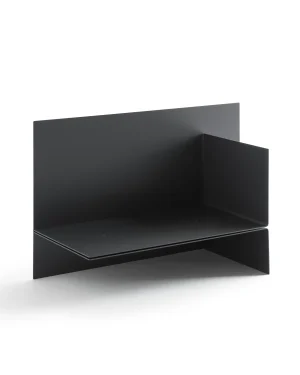 In stock
Polysemy Black Side Table in Steel
By So Koizumi
Price Upon Request
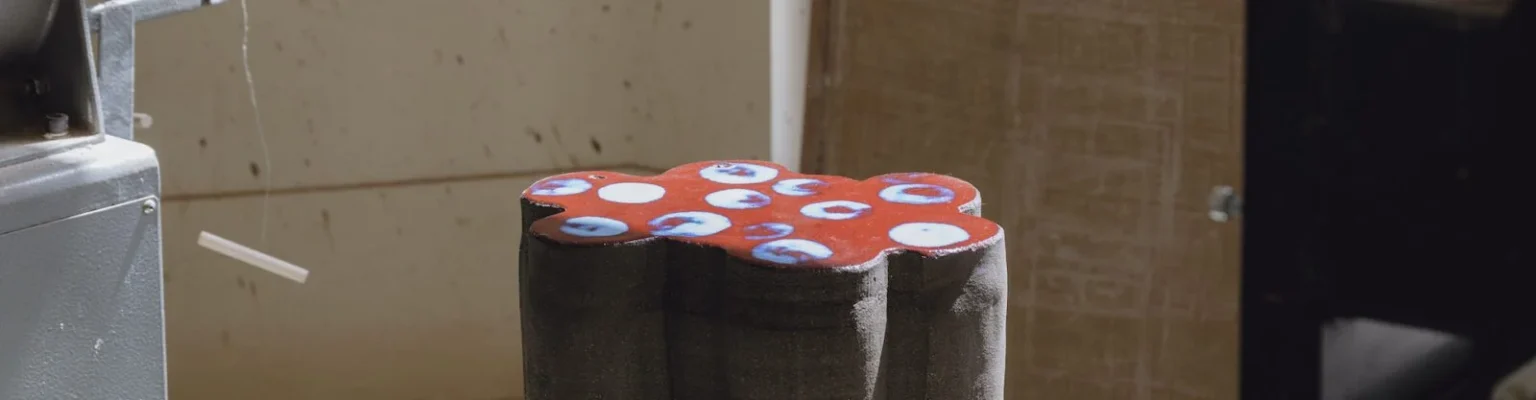
Reading room side tables are built to sit within arm's reach of a chair, holding a book, a lamp, and whatever else a quiet hour calls for. The pieces found here come from studios working in oak and walnut, cast aluminum, concrete, stone, and resin, using cabinetmaking, welding, hand-building, and casting to arrive at a small table that can carry a stack of books without complaint. Some are turned out in open runs, others as limited editions or unique pieces, but all are sized for the specific job of standing beside seating rather than filling a room.
What defines a reading room side table
Unlike a console or a coffee table built to be seen from across a room, a table meant for reading sits close and low, typically near the height of a chair arm so a hand can find a cup or a pair of glasses without looking. The surface tends to be modest in size, since its job is reach, not display. Weight and stability matter more here than in other side tables, because the table will often be nudged, leaned on, or used to steady a lamp through a long evening.
Materials, finishes, and ways of making
Oak and walnut bring warmth and a grain that deepens with handling, worked through traditional wood and cabinetmaking into legs and tops that take decades of use. Stainless steel and cast aluminum, shaped through welding and metalwork, give a table a cooler surface and a lighter visual footprint, often in black, gray, or silver finishes that read as understated rather than decorative. Concrete and stone pieces, built through casting or hand-building, carry real mass and a matte, mineral surface that grounds a chair in a way that thinner materials cannot. Resin, cast in transparent, burgundy, or beige tones, and recycled materials pressed into new forms, sit at the eclectic or maximalist end of the range, offering color and pattern where a reading corner wants a point of contrast rather than restraint.
- Minimalist and midimalist tables in oak, walnut, or steel, with plain tops and little ornament
- Brutalist and Neolithic forms in concrete, stone, or cast resin, valued for mass and surface
- Contemporary and modern pieces that mix metal frames with wood or stone tops
How to choose a table for a reading corner
Start with height: a table that sits close to the arm of the chair it will serve, rather than matching the chair seat, makes reaching for a book or a cup effortless. Scale follows from there, since a table that is too wide crowds the space between chair and wall, while one too narrow will not hold a lamp and a stack of reading at once. Finish should answer the chair and the floor near it, a pairing of warm oak against a wool rug, or a cool steel or concrete table against pale walls and a leather seat. For guidance on finishes and forms that sit outside the reading room specifically, the wider range of wooden side tables and metal side tables shows how the same materials behave across other rooms.
Placing the table and building the corner
A reading table works best within reach of the seat and the light source, so the sequence to think through is chair, lamp, table, in that order. Pair it with a floor or table lamp sized to cast light onto the page rather than the whole room, and leave enough surface for a second object, a cup, a small stack of books, so the table does not feel like an afterthought. Anyone building out a reading corner beyond the table itself will find lighting, seating, and smaller objects gathered under reading room furniture and reading room lamps.
Caring for wood, stone, and metal surfaces
Oak and walnut should stay away from direct heat and standing water, and benefit from an occasional wipe with a dry or barely damp cloth to keep the grain even. Concrete and stone are porous enough to stain, so a coaster under a glass and a sealed finish go a long way toward keeping the surface consistent over years of use. Steel and cast aluminum ask little beyond a dry cloth, though matte finishes show fingerprints more readily than polished ones. For the full range of sizes and materials beyond the reading room, the complete set of side tables and every piece grouped under reading room furnishings offer a wider starting point.
How do I choose a side table for a reading corner?
Match the height to the arm of the chair it sits beside, so a lamp, a cup, or a stack of books stays within easy reach without strain.
What materials work best for a reading room side table?
Oak and walnut bring warmth and age well with handling, while stone, concrete, and cast aluminum add weight and a cool, settled presence beside a chair.
How do I care for the material?
Wipe wood with a dry cloth and oil it occasionally; wipe stone and concrete with a damp cloth and seal stone if it is prone to staining from spills.
What size or height should a reading room side table be?
Standard side tables sit near the height of a chair arm, low enough to reach a lamp or a book without leaning forward.
Can a reading room side table work in other rooms too?
Yes, the same compact scale suits a bedside, a sofa end, or a hallway, wherever a surface for a lamp or small objects is useful.
What about shipping, returns, and authenticity when I order from ADORNO?
Shipping is insured and worldwide, with 14-day returns except on made-to-order pieces. Each order includes a certificate of authenticity and a lowest-price guarantee.