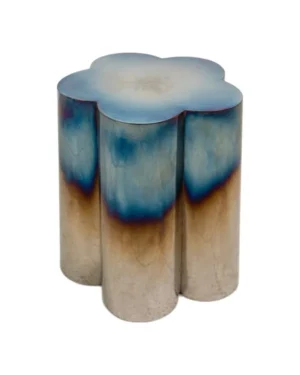
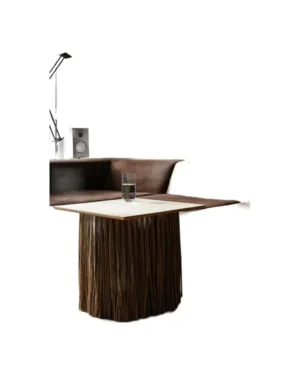
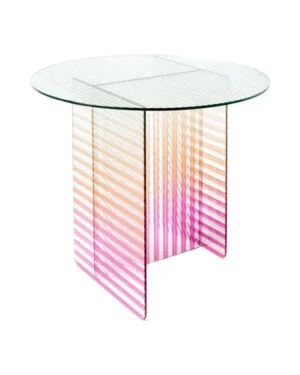
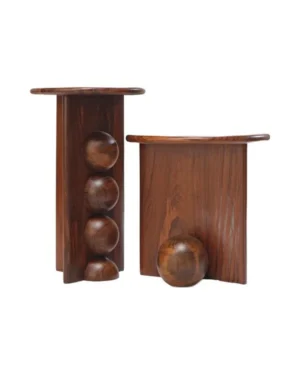
-
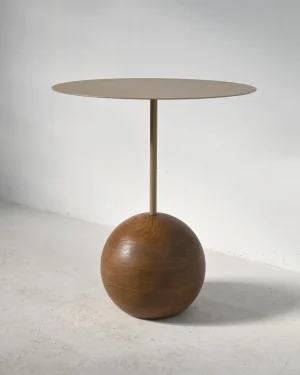
An Su Side Table in Steel and Ash Wood
By SALAK Studio
€690 -
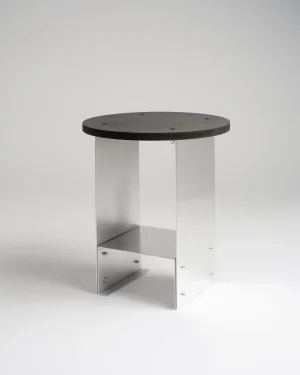
Broken Wing Stool
By Obscure Objects
€290 -
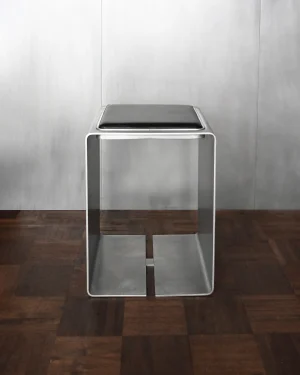
S001-10.2 Aluminum Stool
By NAVE
€500 -
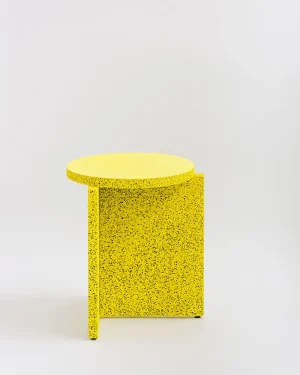
Sponge Side Table In Foamed Aluminum
By Calen Knauf Studio
€898 -

Aster Side Table In Parota Wood
By Daniel Couttolenc
€1.975 -
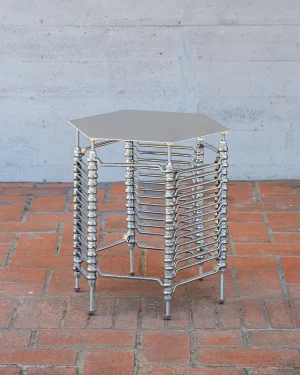 In stock
Wrench A Side Table In Aluminum And Iron
By Iyo Hasegawa
€1.600 -
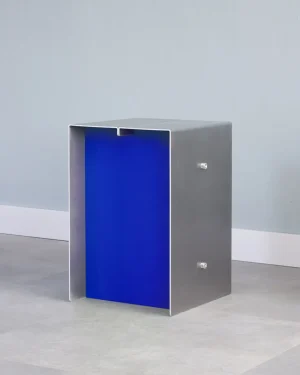
Core Aluminum Side Table / Stool
By Lisanne Meester
€399 -
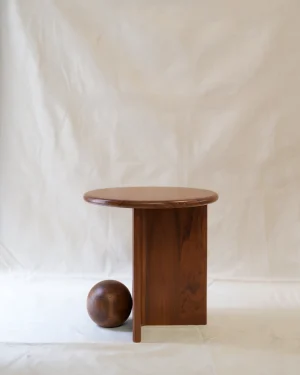
Dory Side Table in Teak Wood
By Studio Indigene
€850 -

Su Side Table in Steel and Ash Wood
By SALAK Studio
€590 -
 In stock
Knot Low Stool / Side Table In Solid Ash Wood
By Luis Gimeno Design
€800 -
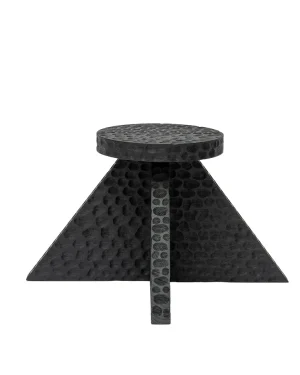
Object112 Side Table In Carved Oak Wood
By NG DESIGN
€820 -
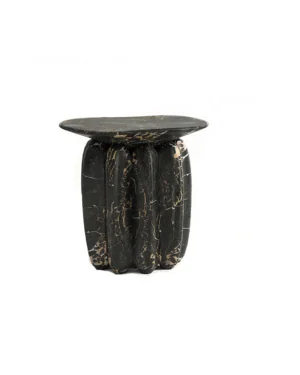
Bolero Side Table in Marble
By Alter Ego Studio
€7.260 - €8.240 -
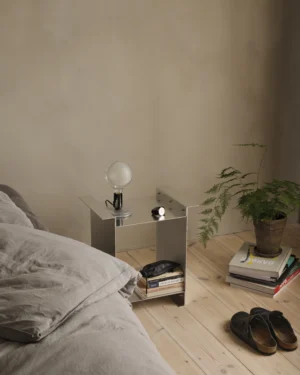
Wing Side Table
By Obscure Objects
€340 -
 In stock
Monolit Side Table In Brushed Stainless Steel
By Arbore x Cezar Moldovan
€2.470 -

Monolit Alpi Side Table
By Arbore x Cezar Moldovan
€2.188 -

Foldtable Side Table In Aluminum
By FlatFlat
€172 -
 In stock
Strata Low Staggered Side Table In Marble
By Iyo Hasegawa
€6.000 -
Black Friday −15%
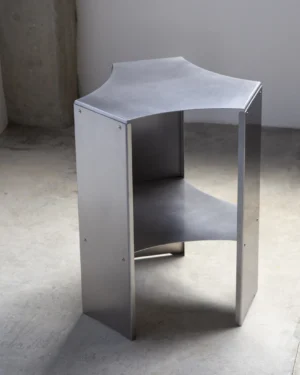
Vortice 50 Side Table In Stainless Steel
By T44 design studio
€730 15% applied at checkout -
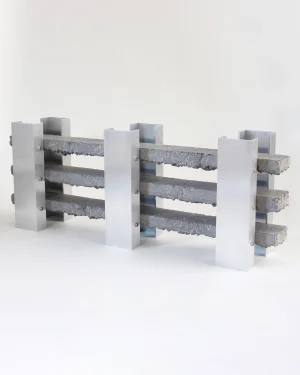
Junction Low Table & Shelves
By Lisanne Meester
€1.399 -
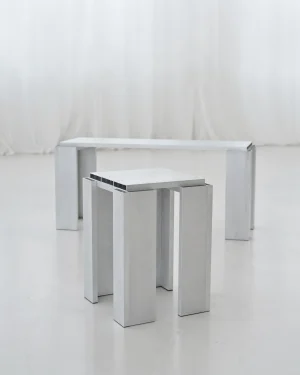
Al01 Aluminum Stool
By NOSTUDIO
€750 -
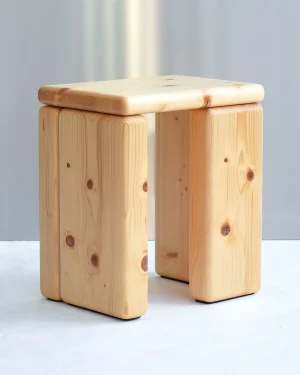 In stock
Timber – Pine Stool
By Studio Onno Adriaanse
€678 -
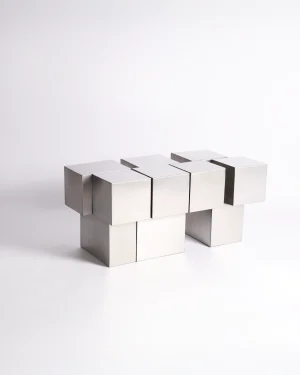
Nexus 67 – Stainless Steel Bench
By Drusch Design
€5.000 -
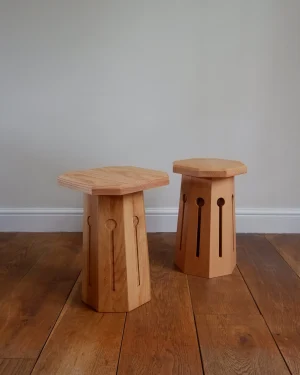
Algers Side Table in Beech and Oak Wood
By Josh Page Studio
€990 - €1.030 -
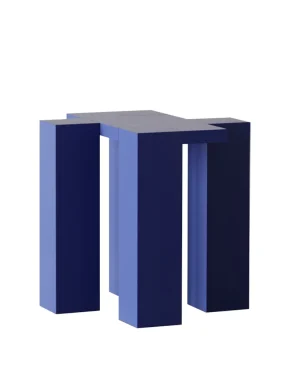
Leg Side Table in MDF
By hermhaus
€681 -

012 Side Table In Aluminum
By OFAA
€1.350 -
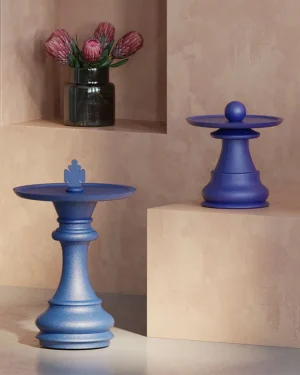
Şah and Piyon Side Table in Oak Wood
By hermhaus
€2.352 - €6.935 -

Sion Side Table in Steel and Ash Wood
By SALAK Studio
€690 -
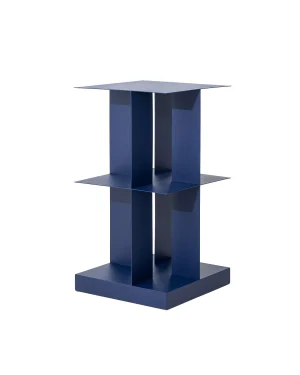
Lobster Side Table in Powder-Coated Steel
By SALAK Studio
€1.200 -
 In stock
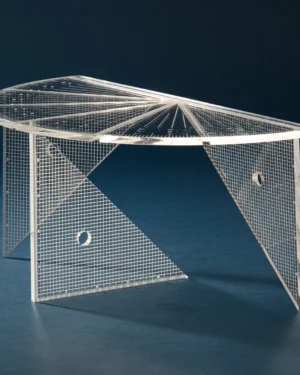
Angle C Side Table In Acrylic
By Iyo Hasegawa
€2.350 -
Black Friday −15%

Kabiki Side Table In Red Oak
By Daniel Couttolenc
€2.550 15% applied at checkout -
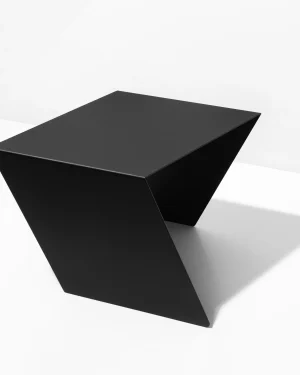 In stock
Chevron Side Table in Steel
By studiomakuko.com
€900 -

Column No.1 – Low Stool
By Haritini Gritzali
€1.700 -

Corona Side Table In Teak Wood
By Studio Indigene
€1.100 -
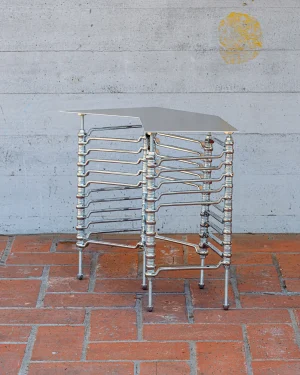 In stock
Wrench C Side Table In Aluminum And Iron
By Iyo Hasegawa
€1.500 -
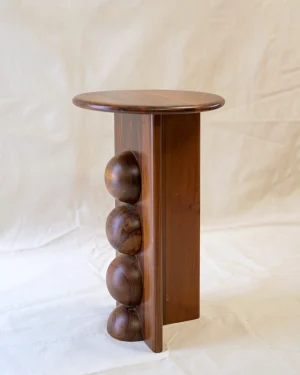
Nemo Side Table in Teak Wood
By Studio Indigene
€850 -

Hex400 Side Table In Stainless Steel And White Acrylic
By MLK Furniture
€2.190 -
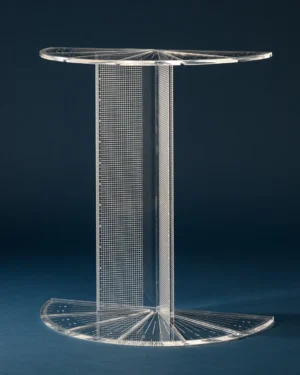 In stock
Angle A Side Table In Acrylic
By Iyo Hasegawa
€2.800 -
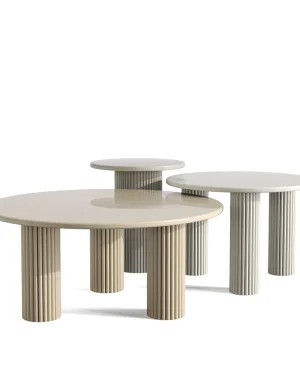
Hola Trio Coffee Table in Gloss Lacquered MDF
By hermhaus
€4.631 -
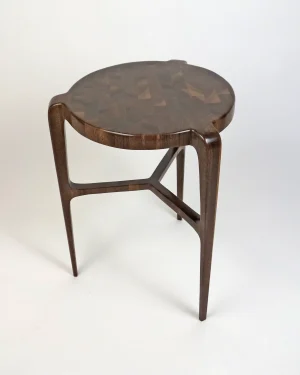 In stock
Endgrain Side Table in Walnut
By Aaron Scott
€3.400 -
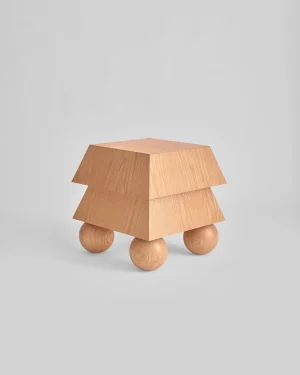
Ventura Side Table in Oak Wood
By Joyful Objects, Yes!
€2.200 -
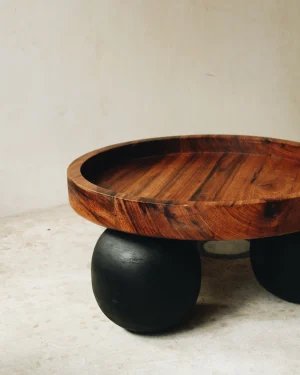
Fos Suspended Side Table in Parota and Cedar Wood
By Daniel Orozco Estudio
€762 -
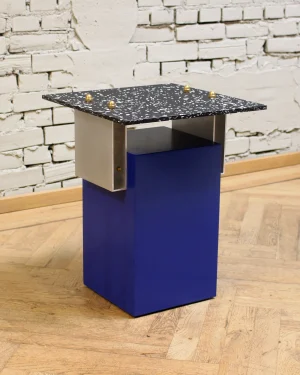 In stock
Build Side Table in Recycled Plastic and Aluminum
By Lisanne Meester
€1.399 -
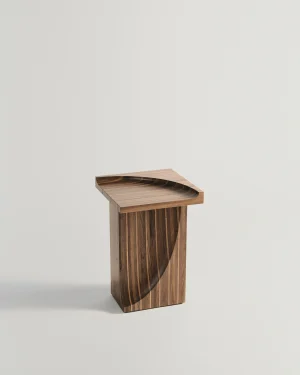
Trama Side Table in Solid Walnut and Oak
By Rosana Sousa
€1.655 -

Liso Side Table in Brushed Diabase Volcanic Stone
By Studio Mohs
€1.000 -
 In stock
Flora Side Table in Carbon Steel
By studiomakuko.com
€600 -
 In stock
Blue Lagoon Stool
By LATESS
€2.000 -
 In stock
Monolit Side Table In Oak
By Arbore x Cezar Moldovan
€1.620 -

Bleo Side Table In Oak Wood
By Daniel Couttolenc
€1.150 -
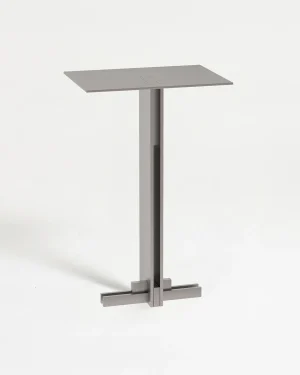
Apex Side Table in Painted Steel and Stainless Steel
By Yet Design Studio
€1.015 - €1.300 -

Kado Side Table In Masahua Marble
By Drusch Design
€2.656 -
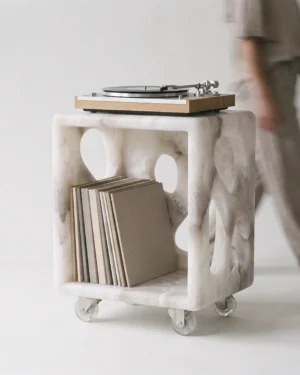
Diablito Cart Side Table In Onyx And Marble
By Studio Ayres
€2.590 -

Taes Side Table In Oak And Walnut
By Mokko
€3.270 - €4.910 -
Black Friday −15%

Junco Stool
By Daniel Couttolenc
€1.500 15% applied at checkout -
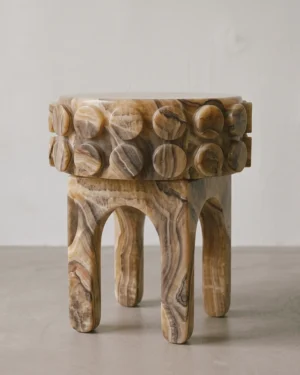
Ludovica – Stool / Side Table
By Studio Ayres
€2.840 - €3.083
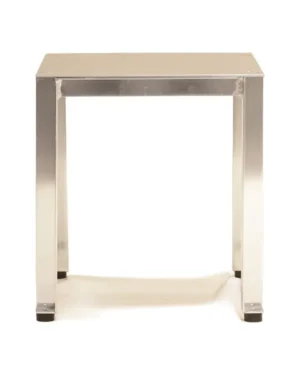
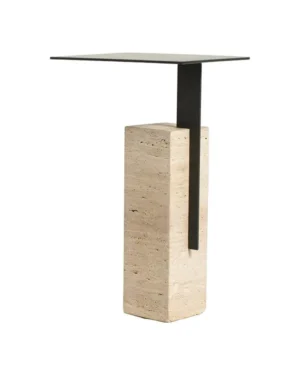
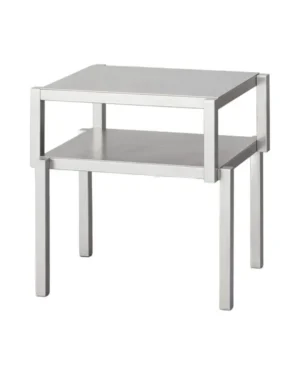
Geometrical side tables are built around clean shapes, circles, squares, triangles, and cut planes, rather than curved or organic lines. Studios working in steel, stone, and wood favor this shape because straight edges and repeated angles read as deliberate, almost architectural, next to a sofa or a bed. The result is a small table that behaves like a quiet study in form as much as a place to set down a lamp or a cup.
What makes a side table geometrical
A geometrical side table is defined by its silhouette: a cube, a cylinder, a stacked set of discs, or a base cut at sharp angles. Tops are often circular or square, bases tend to be solid or made from a single repeated module, and the whole piece sits on a tight footprint. This shape vocabulary shows up across styles, from Brutalist blocks in cast stone to Art Deco stepped forms in stained oak, and from Mid-Century Modern tripod bases to pared-back Minimalist cylinders.
Materials and finishes found in this shape
Steel and stainless steel appear often, welded or powder coated into flat planes and sharp corners that hold the geometry precisely. Aluminum offers a lighter version of the same discipline, useful where a table needs to look substantial without being heavy to move. Stone and marble bring mass and a cool surface, shaped by stone carving or sculpting into blocks, cylinders, or faceted bases, while oak wood and other woods, worked through cabinetmaking, give the same shapes a warmer, grain-led surface.
Color follows the material more than the shape: black and gray steel, sand and beige stone, natural or dark-stained wood, occasional notes of gold on metal trim. Finish changes how geometric a piece reads. A matte powder-coated steel cube looks severe and graphic, a hand-built stoneware side table in the same rough outline feels closer to a sculpted object. Editions vary by maker, from open editions produced in small batches to limited editions and genuine one-offs where stone carving or hand-building means no two surfaces finish identically.
How to choose a geometrical side table
Start with the shape of the seat or bed it will sit beside. A rounded sofa arm suits a cylindrical or disc-based table, while a square-armed sofa or a platform bed carries a cube or angular base well. Height matters more than it first appears: a side table usually meets somewhere between seat height and seat height plus a few inches, enough to reach a glass or a lamp switch without stretching.
- Scale: a low, wide table anchors a reading corner; a tall, narrow one suits a tight gap beside a bed or armchair.
- Material weight: stone and cast metal hold their position on a rug without sliding; lighter wood or aluminum pieces suit rooms where furniture gets rearranged.
- Finish and contrast: a matte black steel table reads as graphic against pale walls; a honey-toned oak piece softens an otherwise hard-edged room.
For a broader look at proportion, finish, and placement across shapes, the full range of side tables is worth comparing before settling on one silhouette.
Where these tables work
Geometrical forms suit living rooms where they frame a sofa or armchair, bedrooms where a single block or cylinder replaces a bulkier nightstand, and entryways where a compact, sculptural table holds keys and a small lamp without crowding a narrow hall. Because the shape is so legible, one piece is usually enough; a pair can feel heavy unless the room is large and the forms are kept simple. Placed near a reading chair, a geometrical table also gives a sculpture or a stack of books somewhere considered to sit.
Caring for stone, wood, and metal shapes
Marble and other stone tops mark and stain easily, so wipe spills promptly and avoid placing wet glasses directly on an unsealed surface. Oak and other wood pieces benefit from a stable room, away from direct heat sources that dry and crack the grain over time, and from an occasional wipe with a dry or slightly damp cloth. Steel and aluminum, especially powder-coated surfaces, need little beyond regular dusting, though chips in the coating should be touched up before moisture reaches the bare metal.
To see how this same geometric language extends beyond tables, the wider range of geometrical pieces on ADORNO spans seating and lighting built from the same shapes. Those drawn to a particular material can also look at metal side tables for steel and aluminum bases, wooden side tables for oak and other cabinetmaking work, or minimalist side tables for a quieter, pared-back take on the same geometry.
How do I choose a geometrical side table?
Start with the shapes already in the room: a cube or cylinder table steadies a curved sofa, while angular forms sharpen a space full of soft lines. Let scale and material contrast guide the final pick.
What materials are geometrical side tables made from?
Most are worked in steel, stainless steel, aluminum, or oak, with stone and marble versions for added weight. Metal pieces are often welded and powder coated, while stone is carved or hand-built.
How do I care for a geometrical side table?
Wipe metal and stone surfaces with a dry or slightly damp cloth, away from abrasive cleaners. Oak benefits from occasional oiling, and marble should be sealed and kept clear of acidic spills to avoid staining.
What height and size should a side table be?
Standard side tables sit close to arm height, roughly 20 to 26 inches, so a drink or lamp stays within easy reach from a sofa or bed. Geometrical forms hold these proportions while varying footprint and silhouette.
Which rooms suit a geometrical side table?
Living rooms, bedrooms, and entryways all take well to a geometrical side table, where its defined shape reads clearly against upholstery or a plain wall. A strong form also works alone as a small sculptural object.
What about shipping, returns, and authenticity on ADORNO?
Shipping is insured and worldwide. Returns are accepted within 14 days, except on made-to-order pieces, and every piece arrives with a certificate of authenticity under ADORNO's lowest-price guarantee.