






-
 In stock
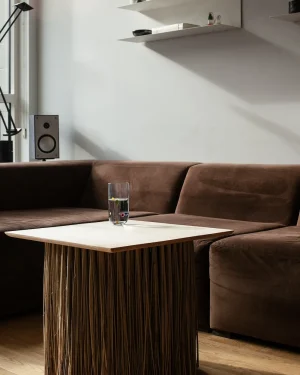
Brush Side Table in Ash Wood and Bamboo
By Calen Knauf Studio
€2.018 - €2.523 This product has multiple variants. The options may be chosen on the product page -

The Mingo Side Table in White Oak
By CHANDLER MCLELLAN
€2.170 -
 In stock
Valentina Low Stool
By Heaps & Woods
€1.344 -
 In stock
Bruna Low Stool
By Heaps & Woods
€1.344 -
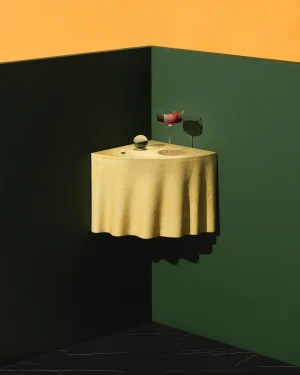 In stock
DUK x Reishi Edition Wall-Mounted Corner Table
By Studio TOOJ
€2.900 -
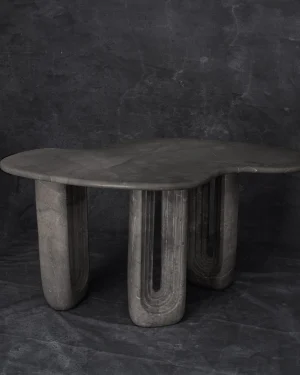 In stock
Amazonas Low Side Table in Marble and Travertine
By Studio Ayres
€1.896 -
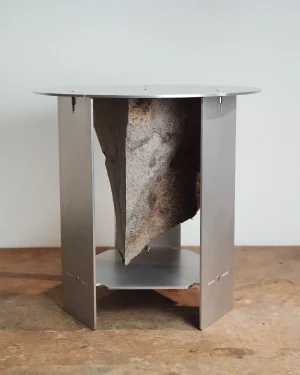 In stock
Fuera de Lugar Side Table in Natural Stone and Aluminum
By Estudio Material
€1.900 -

Junco Stool
By Daniel Couttolenc
€1.500 This product has multiple variants. The options may be chosen on the product page -
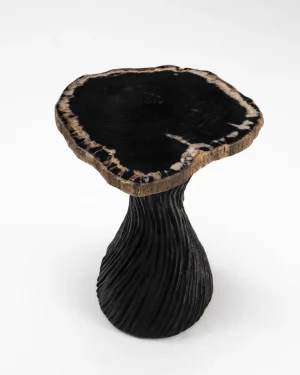 In stock
Twisted Fantasy Side Table in Petrified Wood and Acacia
By Odditi
€1.490 -
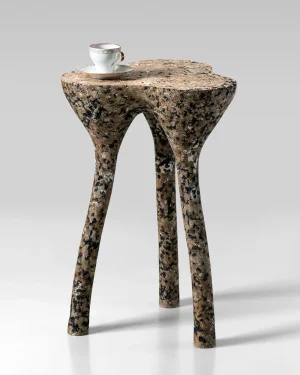
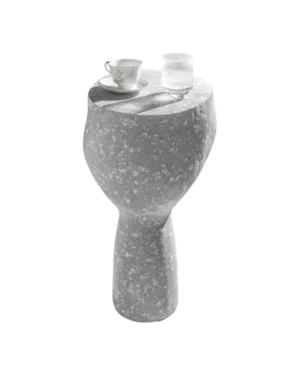
Beige Tripod Low Side Table in Paper Pulp and Cement
By Donatas Žukauskas
€1.100 -
 In stock
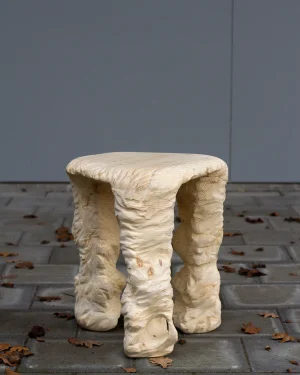
3 Legs Stool, Carved Wooden Stool
By Tellurico Design Studio
€2.500 -
 In stock
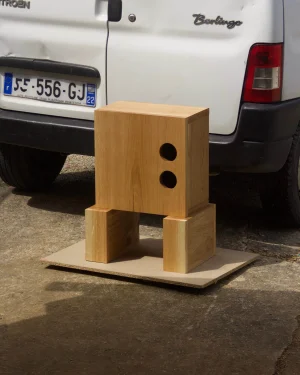
Sensitive Wood Side Table in Oak Wood
By Vital Lainé
€1.700 -
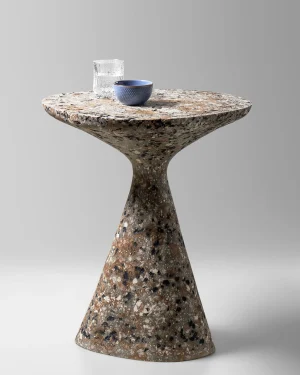
Beige Mottled Side Table in Paper Pulp and Cement
By Donatas Žukauskas
€1.100 -
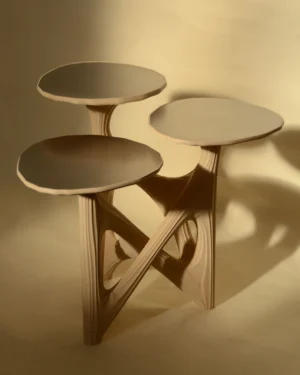
Dendria Side Table in Biopolymer and Stainless Steel
By diploria studio
€3.250 -
 In stock
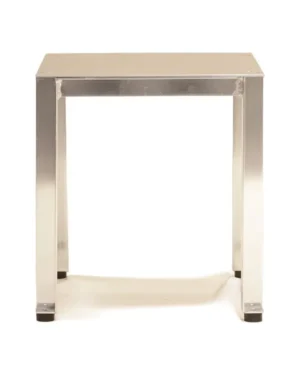
Hex Side Table in Aluminum
By Estudio Material
€900 -
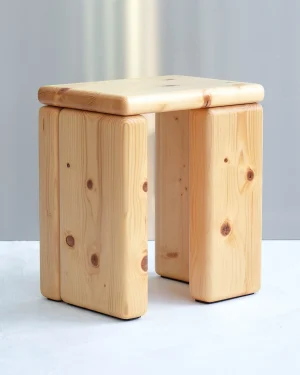 In stock
Timber – Pine Stool
By Studio Onno Adriaanse
€678 -
 In stock
Oto – Low Stool & Side Table
By Neiw Studio
€1.400 -
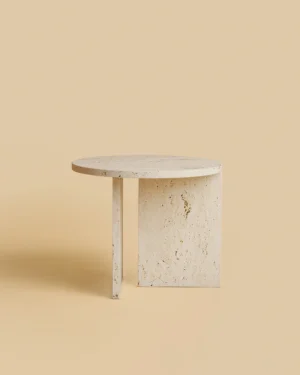 In stock
Kyushu Side Table in Travertine
By Lebanto
€2.400 This product has multiple variants. The options may be chosen on the product page -
 In stock
Francisco Side Table in Argentine Rosewood
By Costantini Design
€3.002 This product has multiple variants. The options may be chosen on the product page -
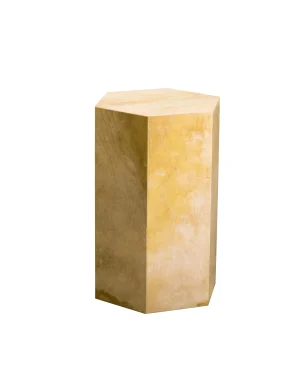 In stock
Pergamino Hex Side Table in Parchment and Wood
By Costantini Design
€1.840 -

Brick Gloss Side Table in Lacquered Wood
By Studio Ayres
€1.452 This product has multiple variants. The options may be chosen on the product page -

Formation Side Table in Oak Veneer and Smoked Glass
By Theodóra Alfreðsdóttir
€950 -
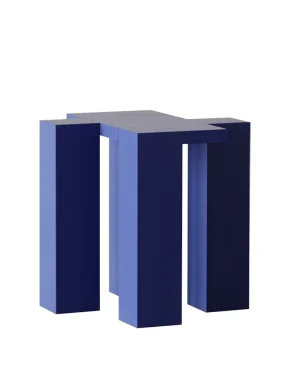
Leg Side Table in MDF
By hermhaus
€681 This product has multiple variants. The options may be chosen on the product page -
 In stock
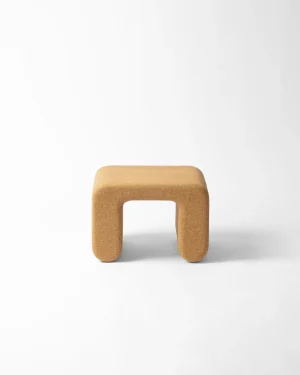
Stringer Side Table in Cork
By raawii
€540 -
 In stock
Podium Piece #2 Side Table in Marble and Aluminum
By Cetti Studio ApS
€1.875 -
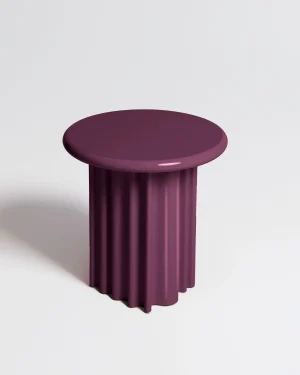
Onda Gloss Side Table in Lacquered Wood
By Studio Ayres
€1.640 This product has multiple variants. The options may be chosen on the product page -
 In stock
Podium Piece #1 Side Table in Marble and Aluminum
By Cetti Studio ApS
€1.600 -

Trevo Side Table In Pink Jequitibá Wood
By Estúdio Ramiros
€720 - €807 This product has multiple variants. The options may be chosen on the product page -

Mora Side Table in Tzalam, Maple, Oak and Walnut
By Daniel Couttolenc
€2.300 - €4.700 This product has multiple variants. The options may be chosen on the product page -
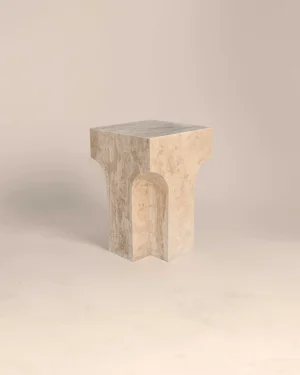
Amud Side Table in Travertine
By Selma Lazrak
Price Upon Request -
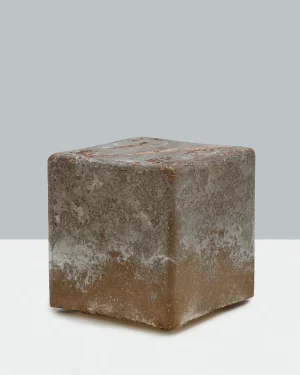
Lo Blox Side Table in Mycelium and Birch Wood
By Myceen
Price Upon Request
Beige side tables take their name from a shared undertone rather than a single material: oak left in its raw grain, cast stone with a warm aggregate, aluminum finished in a sand-toned powder coat, even cardboard or mycelium pressed into a pale, matte surface. Studios working across wood and cabinetmaking, stone carving, metalwork and newer processes like biofabrication all arrive at beige through their own means, which is why two tables in the same tone can feel entirely different to the touch. What unites them is restraint: a neutral that sits back and lets the room's other colors carry the weight.
What defines beige in a side table
Beige is not one pigment but a range, from near-white limestone to a deeper, almost taupe oak stain. In stone, the color comes from the mineral itself and shifts slightly with light and polish. In wood, it is often the timber's natural tone, sealed or lightly oiled rather than painted over. In cast or molded pieces, beige is mixed into the material before it sets, so the color runs through rather than sitting on the surface.
Materials and techniques in the range
Stone and marble side tables are carved or cut, then honed to a surface that stays cool and shows faint veining even in a pale beige. Oak and other woods are joined using traditional cabinetmaking, which lets grain and knots remain visible under an oiled or waxed finish. Aluminum pieces are shaped and then powder-coated or lacquered, a technique that gives a flatter, more uniform beige than stone or wood can offer. Sustainable approaches, including recycled material, concrete casting and mycelium growing, bring the same neutral palette into lower-impact processes, and some of these pieces are produced as open editions, while others exist as unique, one-off casts or carvings.
- Stone and marble: carved or honed, cool to the touch, naturally variable in tone
- Oak and other woods: joined and finished through cabinetmaking, grain visible under an oiled or waxed surface
- Aluminum: shaped and powder-coated or lacquered for an even, matte beige
- Cardboard, recycled material and mycelium: pressed or grown into form, suited to sustainable and biophilic interiors
How to choose a beige side table
Scale matters more than color once a neutral tone is chosen. A side table should sit close to the arm height of a sofa or the mattress height of a bed, so a drink or a lamp stays within easy reach. Measure the gap next to your seating or bed before deciding on a footprint, since a table that is too wide will crowd the walkway and one too low will disappear visually.
Finish is the second decision. A honed stone top reads quieter and more formal than a waxed oak one, while a powder-coated aluminum base brings a flatter, more graphic beige into a room already full of pattern or texture. Where a minimalist side table favors a single material and a clean line, a rustic or boho piece in the same tone might mix stone with woven or textured elements.
Where beige side tables work
Beige side tables suit rooms built around natural light and layered neutrals: living rooms with linen or boucle upholstery, bedrooms with wood flooring, reading corners framed by a single lamp. Because the tone is quiet, it also works well in an entryway, where a entryway side table needs to hold keys and mail without competing with coats or artwork on the wall behind it. Paired with a stronger accent color elsewhere in the room, a beige table lets that color do the work.
Caring for beige surfaces
Stone and marble in beige tones stain easily, since the lighter the stone, the more visible a ring from a wet glass or an oil spill becomes; wipe spills promptly and reseal honed stone periodically. Oiled wood benefits from an occasional reapplication of oil or wax to keep the grain from drying out and the color from fading unevenly. Powder-coated aluminum needs little beyond a soft, dry cloth, as its finish resists moisture and fingerprints better than porous materials.
For the full range of tones and materials, the side tables category sits alongside every beige piece on ADORNO, including options finished in oak through wooden side tables for those who want the material itself, rather than the color alone, to lead the choice.
How do I choose a beige side table?
Match the material to the room's tone: stone or marble for weight and contrast, wood for warmth, aluminum for a lighter, contemporary feel. Let the surrounding palette guide whether the beige leans warm or cool.
How do you care for a beige side table?
Wood needs occasional oiling and protection from direct heat; stone and marble should be sealed and wiped promptly to avoid staining; aluminum and cast pieces need only a dry cloth. Avoid harsh chemical cleaners on all finishes.
What height should a side table be?
Most side tables sit close to arm height, generally level with or just below the adjacent sofa or bed, so hands can reach a drink or lamp without stretching.
Which rooms suit a beige side table?
Beige works in living rooms, bedrooms, and entryways alike, since its neutral tone sits quietly beside most wall colors and fabrics while still offering material contrast.
What is ADORNO's shipping and return policy?
Shipping is insured and worldwide. Pieces can be returned within 14 days, though made-to-order pieces are excluded from this policy.
Can I get a beige side table made to order?
Some studios offer made-to-order or custom options. Chat with the maker on the piece's page to confirm availability, materials, and timing.