
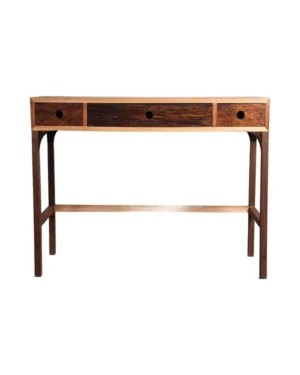
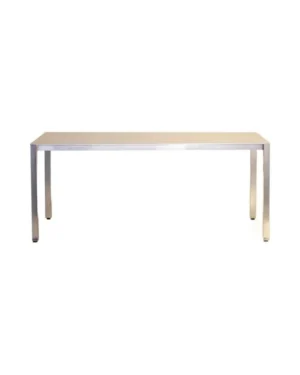
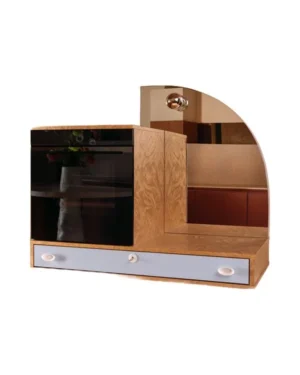
-
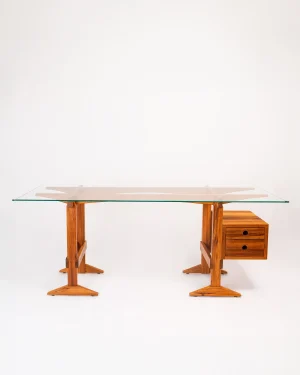
Ofício Desk in Reclaimed Wood and Glass
By Estúdio Simbiose
€3.100 -

The Bi Desk in Jequitibá and Imbuia Wood
By am.o atelier
€2.456 -

Practice Training Desk in Reclaimed Wood and Steel
By Studio Fabius Clovis
€8.058 -
 In stock
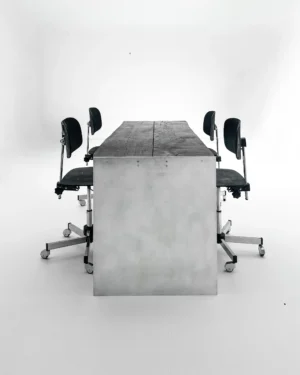
Yakisugi Desk in Charred Oak and Aluminum
By case studios
€8.900 -
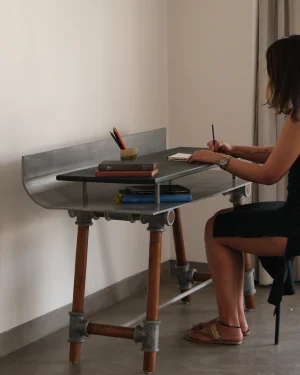
Research Desk in Aluminum and Indigo Teak
By Spero Furniture
€4.859 -
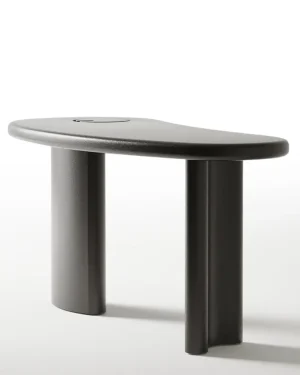
Flow Desk in Lacquered Oak
By hermhaus
€11.235 -

Patagonia Desk In Wood And Plywood
By espina corona
€1.890 -

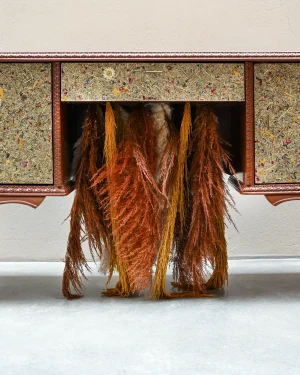
Escritorio Desk in Stained Ash Wood
By Szymon Keller
€4.800 -
 In stock
Earth Furniture Desk in Recycled Beech Wood
By WOODTALES by Foteini Noti
€3.125 -

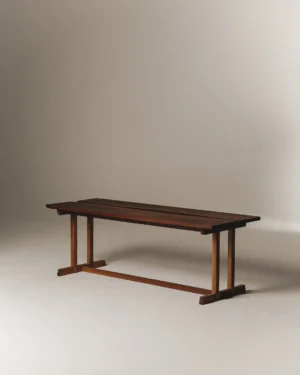
Loewy Desk in Oak and MDF
By Toro Manifesto
€4.250 -
 In stock
Mulata Desk in French Walnut
By Mike Hausmann
€12.000 -

N2 Desk in Cherry Wood and Glass
By Aaron Scott
€8.680 -

Gambito Desk in Imbuia Wood and Steel
By Andreas Anwander
€4.900 -

Onde Desk in Solid Teak
By STUDIO KALLANG
€3.840 -
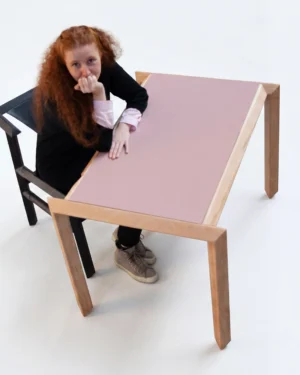
Patagonia Desk
By espina corona
€1.975 -
 In stock
Piano Desk In Black Lacquered Plywood
By Panorammma Atelier
€9.660 -
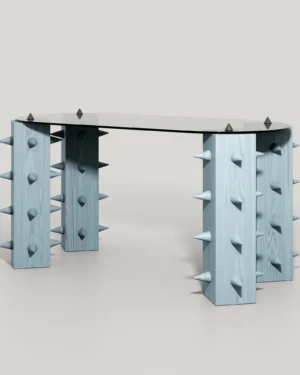
Cena Desk in Sky-Blue Wood, Steel and Glass
By DONÓ Design
€7.000 - €7.180 -
 In stock
Luca Desk in Argentine Rosewood
By Costantini Design
€12.500 -

The Square Carbonized Desk in Charred Freijó Wood
By am.o atelier
€2.193 -
 In stock
Ariel Desk in Briarwood and Mirror
By M’ama edizioni
€5.600 -

Alvear Desk in Argentine Rosewood and Leather
By Costantini Design
€6.377 -
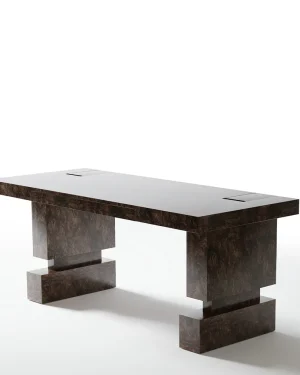
Zone Desk In Oak And Walnut Veneer
By hermhaus
€7.264 -

The Chiquita Desk in Solid Wood and Wicker
By am.o atelier
€2.631 -
 In stock
Purito Desk In French Oak
By Mike Hausmann
€13.000 -

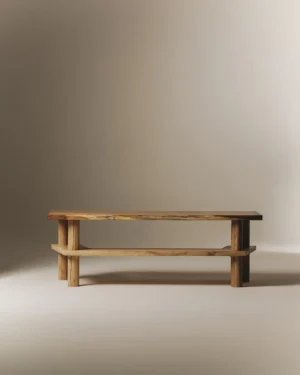
The Square Desk in Freijó Wood and Straw
By am.o atelier
€1.929 -

Gui Desk in Solid Cherry Wood
By PROSA
€3.590 - €4.900
Wooden desks are built from solid or veneered timber, shaped by studios working in cabinetmaking, joinery and wood carving, and chosen for the way grain, density and finish settle into a room over years rather than months. Oak, walnut, cherry and reclaimed boards each carry their own color and weight, so no two desks in this material behave quite the same way under a lamp or a stack of books. Across these studios, wooden desks range from compact writing tables to broad executive surfaces, but the wood itself does the work of setting character.
What defines a wooden desk
Wood moves with temperature and humidity, so a well-made top is jointed, braced or breadboard-ended to keep it flat across a season. Hardwoods such as oak and walnut carry weight without flexing, which matters once a desk holds a monitor, books or a lamp for years at a stretch. Softer or lighter woods, including some reclaimed and recycled stock, suit smaller writing desks where the load is lighter and the grain does the talking.
The range of materials, finishes and techniques
Alongside straightforward oak and walnut, pieces here draw on cherry wood, reclaimed timber and recycled material, sometimes paired with glass or aluminum for a top or a frame. Finishes range from an open, oiled grain to charring through shou sugi ban, which blackens and seals the surface, to lacquering for a harder, smoother face. Some pieces are joined by hand through traditional cabinetmaking and joinery; others bring in metalwork for legs or hardware, or leatherwork for a writing surface set into the wood.
Styles run from mid-century modern desks with tapered legs and visible joinery to minimalist desks pared back to a plane and four supports, with rustic, brutalist and contemporary readings in between. Editions vary by studio: some pieces are open editions, others limited runs or unique pieces, so the finish and grain on offer shift as stock turns over.
Choosing scale, height and finish
A desk works at standard seated height, roughly 28 to 30 inches, so check that figure against the chair it will pair with before anything else. Measure the depth a laptop, a lamp and a stack of paper actually need, since a wooden top looks generous in a photograph and smaller once a chair is pulled up to it.
- Pale, lightly oiled oak reflects light and reads well in a small or dark room.
- Dark walnut or charred finishes absorb light and suit a room with other bold furniture.
- An open grain shows marks and use over time; a lacquered or sealed top hides them.
Where a wooden desk belongs
Wooden desks anchor a home office, a study corner or a bedroom nook without needing a wall of storage around them, since the material itself gives the space weight. In an open-plan room, a desk in the same wood family as nearby wooden tables or seating lets the desk sit in rather than compete with the rest of the furniture. Smaller writing desks in lighter timber suit a hallway or a corner where the piece needs to double as a console.
Caring for wooden desks over time
Keep a desk out of direct sun and away from radiators, since both dry timber unevenly and can cause cupping or cracking along the grain. Wipe spills promptly and use a coaster or mat under anything wet or hot. An oiled or waxed finish can be refreshed every year or two; a lacquered top mainly needs a soft, dry cloth.
For a broader look at desks in other materials, the wider range of desks on ADORNO includes metal and mixed-material pieces, while home office desks and mid-century modern desks narrow the choice by room and style. For wood across the rest of the house, every wood piece on ADORNO spans seating, tables and accessories in the same range of species and finishes.
How do I choose a wooden desk?
Match the wood to how the room feels: oak and walnut carry weight and suit rooms built around them, while lighter woods sit easier in smaller or brighter spaces. Consider grain, tone and how the desk meets existing furniture.
How do I care for a wooden desk?
Keep wood away from direct heat and standing water, and dust with a dry or slightly damp cloth. Most finishes benefit from an occasional wax or oil treatment to keep the surface from drying out.
What size and height should a wooden desk be?
Standard desk height runs around 29 to 30 inches, comfortable for most chairs. Surface size depends on the room and task, so check the dimensions listed on each piece's page before ordering.
Which rooms suit a wooden desk?
Wooden desks anchor home offices, studies and bedroom corners used for work, and their tone can bridge living spaces where a desk doubles as a console or display surface.
Does a wooden desk come with a certificate of authenticity?
Yes, every piece ships with a certificate of authenticity confirming its maker and origin.
What are ADORNO's shipping and return terms for wooden desks?
Shipping is insured and worldwide. Pieces can be returned within 14 days, though made-to-order desks are excluded; for specifics on a particular desk, chat with the maker on its page.