
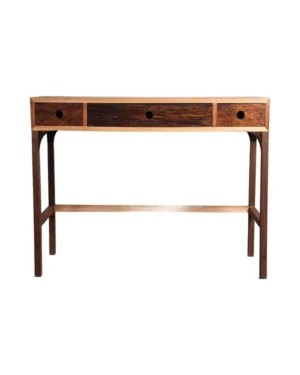
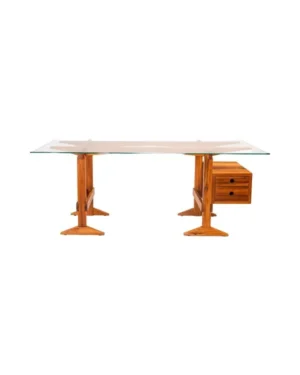
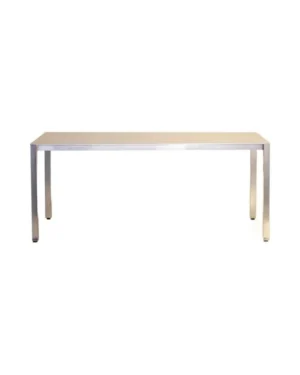
-
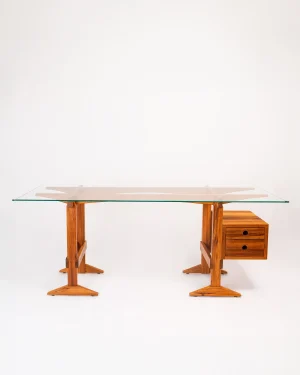
Ofício Desk in Reclaimed Wood and Glass
By Estúdio Simbiose
€3.100 -
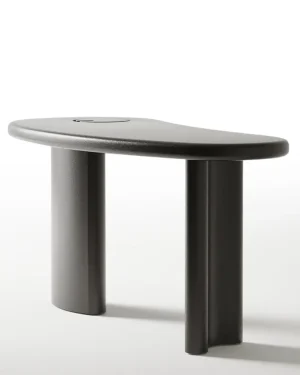
Flow Desk in Lacquered Oak
By hermhaus
€11.235 -

Patagonia Desk In Wood And Plywood
By espina corona
€1.890 -
 In stock
Piano Desk In Black Lacquered Plywood
By Panorammma Atelier
€9.660 -

Loewy Desk in Oak and MDF
By Toro Manifesto
€4.250 -
 In stock
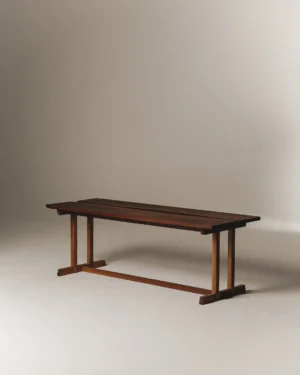
Mulata Desk in French Walnut
By Mike Hausmann
€12.000 -

Onde Desk in Solid Teak
By STUDIO KALLANG
€3.840 -
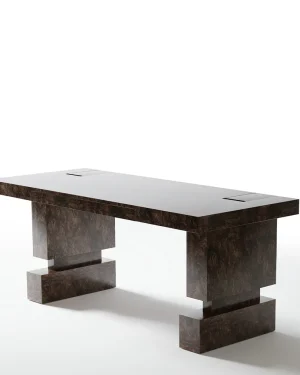
Zone Desk In Oak And Walnut Veneer
By hermhaus
€7.264 -

Alvear Desk in Argentine Rosewood and Leather
By Costantini Design
€6.377 -

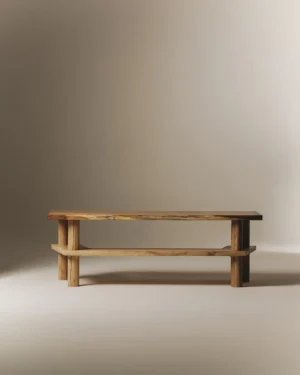
The Square Carbonized Desk in Charred Freijó Wood
By am.o atelier
€2.193 -
 In stock
Purito Desk In French Oak
By Mike Hausmann
€13.000 -
 In stock
Ariel Desk in Briarwood and Mirror
By M’ama edizioni
€5.600 -

The Square Desk in Freijó Wood and Straw
By am.o atelier
€1.929 -

Gui Desk in Solid Cherry Wood
By PROSA
€3.590 - €4.900
Mid-century modern desks draw on the vocabulary developed between the 1940s and 1960s: tapered legs, low profiles, and surfaces in walnut or oak chosen for their grain rather than hidden under paint. Independent studios working today keep to that language, pairing solid wood or veneered panels with joinery that shows rather than conceals the construction. The result reads as furniture built to last, not a styling exercise.
What defines the mid-century look in a desk
The style favors a visible wood species over a painted finish, a tapered or splayed leg over a boxy pedestal, and a top set low enough to suit an upright chair rather than a reclined one. Hardware stays sparse: a single pull, a contrasting edge, sometimes none at all. Lines run horizontal, surfaces stay flat, and ornament is left out in favor of proportion.
Walnut and oak dominate because both darken and settle with age instead of looking worn. Plywood appears where a studio wants curved edges or a lighter shell, pressed and veneered rather than carved from the solid. Leather turns up as an insert on the writing surface, worked by hand to take a soft sheen where wrists and papers rest daily.
The range found among mid-century modern desks
On ADORNO this style spans several ways of working the same materials. Among the pieces are:
- Solid oak or walnut desks built through traditional wood and cabinetmaking, with joints cut rather than glued flat
- Plywood and veneered tops finished with lacquer for a surface that resists daily marks
- Leather-topped desks where the hide is cut and set by hand
- Open editions alongside limited runs and unique pieces, so availability ranges from standing stock to one-off work
Color stays close to the wood itself: brown, beige, and black appear most, with the occasional burgundy or black-and-brown pairing where leather or lacquer is involved. Multicolor pieces are rare and tend to come from inlay rather than paint.
Choosing a desk for scale and use
Measure the room before the desk. A narrow top with slim, angled legs reads as furniture even in a small study, while a wider desk with a closed base suits a dedicated office where storage matters as much as surface area. Standard writing height runs close to 29 inches, so check that any vintage-inspired piece sits near that mark if a standard chair will be used with it.
Finish affects both look and upkeep. An oiled or waxed oak surface shows its grain openly but needs reapplication over time, while a lacquered or veneered top resists spills and sun with less maintenance. Leather insets soften with use and take on a patina that differs by how much daylight and handling they get.
Where these desks sit in a home
A mid-century modern desk works equally in a home office, a bedroom corner set up for reading and writing, or a living room where it doubles as a console when not in use. Because the style keeps a low, open profile, it tends to suit rooms where a boxier desk would feel heavy. For dedicated work setups, home office desks in this style balance storage with the same restrained lines, and wooden desks more broadly show how the material performs across other styles for comparison.
Care for wood, leather, and lacquer
Keep solid wood desks away from direct heat and standing moisture, since oak and walnut both expand and contract with humidity. Dust with a dry or barely damp cloth, and oil an unfinished top once or twice a year to keep the surface from drying out. Leather inserts need an occasional conditioner to stay supple; lacquered or veneered tops ask for nothing more than a dry wipe to keep the finish even.
For the full range of desk forms beyond this style, see all desks on ADORNO, or look across every mid-century modern piece the gallery carries, including seating in mid-century modern seating that pairs with these desks in proportion and material.
How do I choose a mid-century modern desk?
Look at the wood tone and leg shape first, since tapered legs and warm oak or walnut define the style. Match the scale to your room and check surface size against how you work.
What materials are mid-century modern desks made from?
Most are solid oak or walnut, sometimes paired with veneer, plywood, or leather tops. Joinery and wood cabinetmaking techniques keep the frames light but sturdy.
How do I care for a wooden desk?
Wipe with a dry or slightly damp cloth, avoid direct sun and heat sources, and oil or wax solid wood occasionally to keep the grain from drying out.
What size and height should a desk be?
Standard desk height runs 28 to 30 inches, comfortable for most chairs. Choose depth and width based on your workspace and whether you need room for a monitor or paperwork.
Which rooms suit a mid-century modern desk?
These desks work well in home offices, studies, and bedrooms, and their warm wood tones often anchor a living room corner used for reading or writing.
What about shipping, returns and authenticity?
Shipping is insured and worldwide. Returns are accepted within 14 days, except made-to-order pieces, and every desk arrives with a certificate of authenticity.