
-
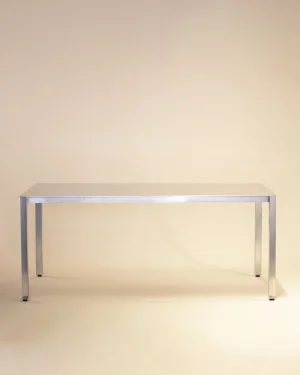
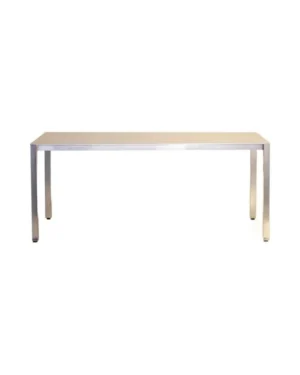
Canto Desk in Anodized Aluminum
By Luiz Solano
€1.180 - €2.000 -
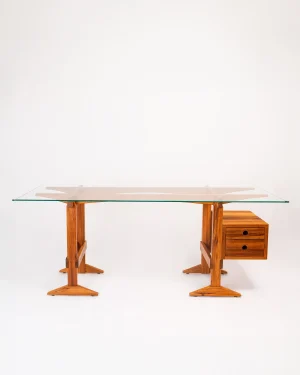
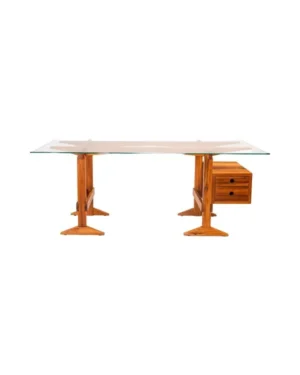
Ofício Desk in Reclaimed Wood and Glass
By Estúdio Simbiose
€3.100 -

The Bi Desk in Jequitibá and Imbuia Wood
By am.o atelier
€2.456 -

Practice Training Desk in Reclaimed Wood and Steel
By Studio Fabius Clovis
€8.058 -
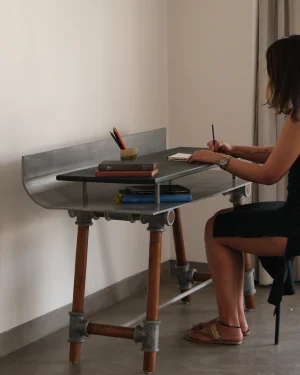
Research Desk in Aluminum and Indigo Teak
By Spero Furniture
€4.859 -
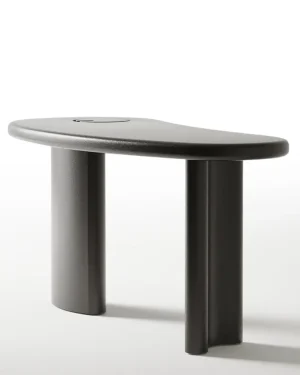
Flow Desk in Lacquered Oak
By hermhaus
€11.235 -
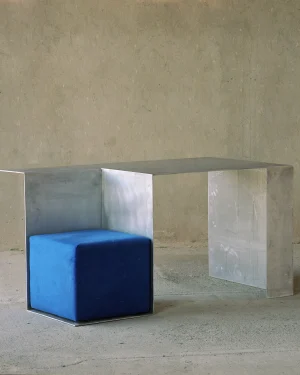
Sword Desk in Aluminum
By Around the Studio
€4.600 -

Patagonia Desk In Wood And Plywood
By espina corona
€1.890 -

Escritorio Desk in Stained Ash Wood
By Szymon Keller
€4.800 -
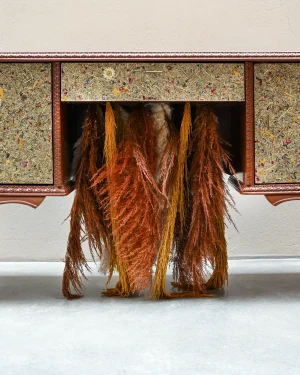 In stock
Earth Furniture Desk in Recycled Beech Wood
By WOODTALES by Foteini Noti
€3.125 -
 In stock
Curve Black Desk in Thermoformed Glass
By Sophia Taillet
€6.800 -

Loewy Desk in Oak and MDF
By Toro Manifesto
€4.250 -
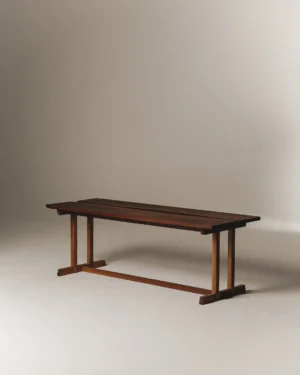 In stock
Mulata Desk in French Walnut
By Mike Hausmann
€12.000 -
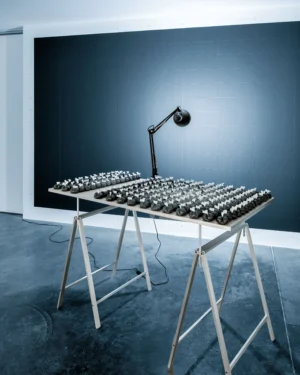 In stock
T1 Posture Desk in Solid Aluminum
By TUNK I Busra Tunc
€2.500 -

N2 Desk in Cherry Wood and Glass
By Aaron Scott
€8.680 -

Gambito Desk in Imbuia Wood and Steel
By Andreas Anwander
€4.900 -

Onde Desk in Solid Teak
By STUDIO KALLANG
€3.840 -
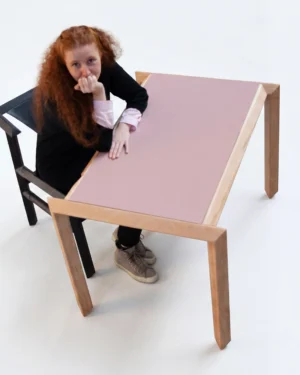
Patagonia Desk
By espina corona
€1.975 -
 In stock
Piano Desk In Black Lacquered Plywood
By Panorammma Atelier
€9.660 -

The Square Carbonized Desk in Charred Freijó Wood
By am.o atelier
€2.193 -
 In stock
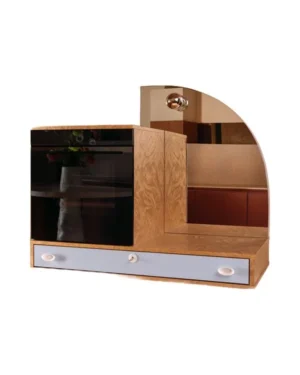
Ariel Desk in Briarwood and Mirror
By M’ama edizioni
€5.600 -

Alvear Desk in Argentine Rosewood and Leather
By Costantini Design
€6.377 -
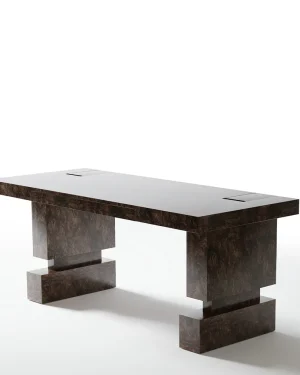
Zone Desk In Oak And Walnut Veneer
By hermhaus
€7.264 -

The Chiquita Desk in Solid Wood and Wicker
By am.o atelier
€2.631 -

The Square Desk in Freijó Wood and Straw
By am.o atelier
€1.929 -
 Sold
Studette Desk in Lacquered Steel
By Crina Arghirescu Rogard
Price Upon Request -

Gui Desk in Solid Cherry Wood
By PROSA
€3.590 - €4.900
Home office desks on ADORNO are built for the hours spent at a single surface, so the material and the joinery behind it matter as much as the look. Studios working in oak, walnut and reclaimed wood pair traditional cabinetmaking with welded steel or aluminum frames, while others press plywood into lighter, more compact forms. Finishes range from open-pore wood left to show its grain to lacquered surfaces and glass tops set over metal bases, in open editions, limited editions and occasional unique pieces.
What shapes a desk for the home office
A desk for daily work is judged differently than a dining or console table. The surface has to resist scuffing from keyboards, cups and papers, the legs have to hold steady under repeated use, and the proportions have to fit a room that may also serve as a bedroom, hallway or living space. Minimalist and contemporary desks keep the frame thin and the surface uninterrupted; mid-century modern and rustic pieces lean on visible joinery and tapered wood legs; brutalist and eclectic desks use mass and contrast, pairing dark metal with pale wood or glass.
Materials and finishes found here
Wood remains the most common choice for home office desks, oak and walnut in particular, prized for their density and the way they darken and quiet in tone over years of light and handling. Aluminum and welded steel frames carry weight without bulk, often in black, silver or brown smoked finishes that read as tool-like rather than decorative. Glass tops, usually set over a metal or wood base, keep a surface visually light in a small room, though they show dust and fingerprints more readily than a sealed wood top. Plywood desks, built up in thin layers and finished in lacquer or left raw, offer a lighter alternative where a solid wood slab would be too heavy for the space or the wall it sits against.
Color on these desks tends to work in the frame or base rather than the surface: indigo, dark green and burgundy steel legs under an oak or walnut top, or a beige and brown palette that keeps the whole piece close to its material. Techniques worth noting as you compare pieces include:
- Wood and cabinetmaking, for solid tops and dovetailed or mortise-and-tenon joints
- Metalwork and welding, for frames and legs built to carry a worktop without flexing
- Lacquering, for a sealed, wipeable surface on wood or plywood
- Joinery and wood carving, where detail is worked directly into the leg or edge
Choosing the right scale and height
Most desks sit close to standard seated-work height, so the deciding factor is usually depth and width rather than height. A narrow desk against a wall suits a small office or a corner of a living room, while a wider surface with drawers or a return suits a dedicated room.
Where these desks sit in a room
Home office desks now stand in rooms that were never built as offices: a bedroom alcove, a landing, a corner of a kitchen. For the room as a whole, it helps to think beyond the desk itself, toward home office furniture that shares its material or finish, and toward home office lamps set at a height that won't glare off a glass or lacquered top.
Caring for wood, metal and glass
Solid wood desks benefit from an occasional wipe with a dry or barely damp cloth and an oil or wax suited to the finish; direct sun and heat sources will dry oak and walnut faster than normal use.
For the full range of desk shapes and materials beyond those built for a home office, see all desks, or look across every home office piece on ADORNO to match a desk with storage and seating in the same material. Those drawn to a single material can also look at wooden desks or metal desks on their own, and anyone working toward a period look may prefer to start from mid-century modern desks before narrowing by material or finish.
How do I choose a home office desk?
Start with how you work: a wide surface suits dual monitors, a narrow console suits a corner. Match the material and finish to the room, since a desk anchors the space around it.
What materials are home office desks made from, and how do I care for them?
Oak, walnut, plywood, aluminum and glass are common. Wipe wood with a dry or slightly damp cloth, keep it from direct heat, and clean metal or glass with a soft cloth to avoid scratches.
What size and height should a home office desk be?
Standard desk height runs 28 to 30 inches, comfortable for most chairs. Measure your space and legroom first, then choose a width that fits your monitor, laptop or writing setup.
What rooms do home office desks work in?
Beyond a dedicated office, a compact desk suits a bedroom corner, a hallway nook or a living room alcove, wherever a quiet, defined spot for work is needed.
Can I order a custom size or finish for a home office desk?
Some makers take custom requests on material, finish or dimensions. Use Chat with the maker on the piece's page to confirm what is possible before ordering.
How does shipping, returns and authenticity work when I buy from ADORNO?
Shipping is insured and worldwide. Returns are accepted within 14 days, excluding made-to-order pieces, and every order includes a certificate of authenticity along with a lowest-price guarantee.