
-
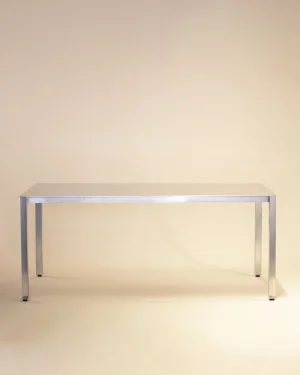
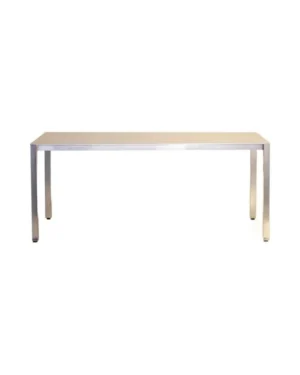
Canto Desk in Anodized Aluminum
By Luiz Solano
€1.180 - €2.000 This product has multiple variants. The options may be chosen on the product page -
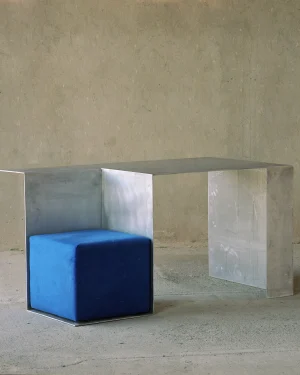
Sword Desk in Aluminum
By Around the Studio
€4.600 -
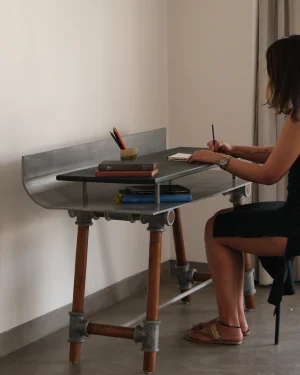
Research Desk in Aluminum and Indigo Teak
By Spero Furniture
€4.859 This product has multiple variants. The options may be chosen on the product page -

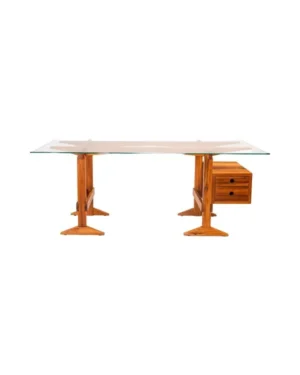
Practice Training Desk in Reclaimed Wood and Steel
By Studio Fabius Clovis
€8.058 -
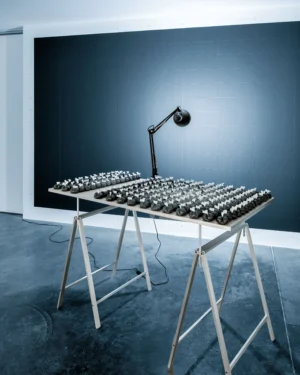 In stock
T1 Posture Desk in Solid Aluminum
By TUNK I Busra Tunc
€2.125 -
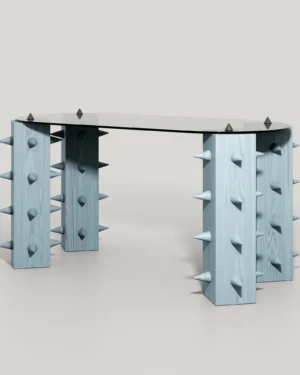
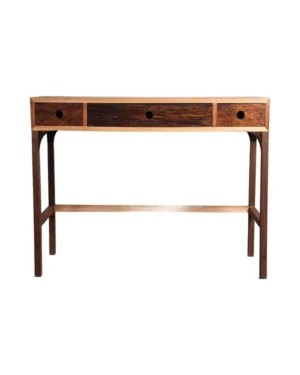
Cena Desk in Sky-Blue Wood, Steel and Glass
By DONÓ Design
€7.000 - €7.180 This product has multiple variants. The options may be chosen on the product page -
 In stock
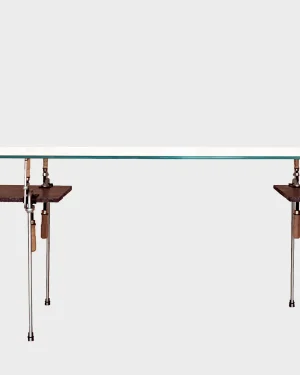
Temporal Exercise 2 Desk in Steel and Marble
By Lucas Muñoz Muñoz
€28.000 -

“elica” Letter Cutter | Aluminum
By Giselle Vanessa Johnson
€115 -
 In stock
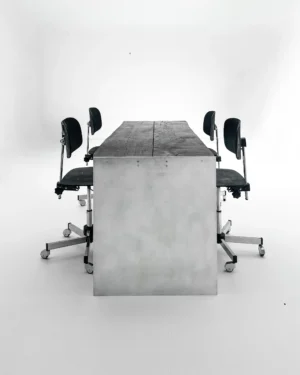
Yakisugi Desk in Charred Oak and Aluminum
By case studios
€8.900 -
 Sold
Studette Desk in Lacquered Steel
By Crina Arghirescu Rogard
Price Upon Request
Metal desks are built from aluminum, steel or stainless steel, shaped by studios that weld, cast or laser-cut the frame before anodising or painting it. The metal carries the weight of the work: a slim steel top can span a width that wood would need thickening to match, and a cast aluminum base can hold a corner without bulk. These are desks made for daily use, built to outlast the room around them.
What defines a metal desk
Where a wooden desk reads as warm and slightly yielding, a metal one reads as taut. Steel and aluminum hold a straight line without warping, so tops stay flat and legs stay true even under daily use. The surface can be left raw and brushed, anodized to a muted sheen, or painted in silver, black, indigo or dark green, each finish changing how the piece catches light in an office or a studio.
Because metal does not flex the way wood does, makers can thin it down: legs taper into narrow rods, tops become slim planes, and the whole desk can look lighter than its actual weight. That contrast, visible mass against spare line, is part of what separates a metal desk from a wooden or upholstered one.
Materials, finishes and techniques behind the range
Across the pieces found under this material, a few approaches repeat. Welded steel and aluminum frames give a neo-industrial or brutalist weight, often left in a raw or blackened finish. Cast aluminum legs and bases bring a rounder, more sculptural line, sometimes paired with laser-cut steel panels for a contemporary or futuristic silhouette. Anodising adds color without adding a coating that can chip, which is why silver, black and green often appear on the same aluminum base in different runs.
- Frames and legs: welded steel, cast aluminum, stainless steel
- Surface treatments: anodising, painting and drawing, laser cutting for pattern or perforation
- Editions: open editions alongside limited editions and occasional unique pieces, depending on the studio's way of working
Some desks pair a metal frame with a wood top in oak, teak or poplar, or with plywood, giving the surface some of the warmth a fully metal desk does not have. These hybrids sit closer to wooden desks in feel, while keeping the structural discipline of a metal base.
Choosing a metal desk for scale, height and finish
Start with height: most desks sit between 28 and 30 inches, and a metal frame rarely allows adjustment, so measure the chair and the room before committing. Scale matters more than it does with wood, since a slim steel desk can look underbuilt against a large room, while a heavy welded frame can crowd a small one.
Finish should match how the piece will be touched daily. A painted surface shows fingerprints less than raw steel but can chip at the edges over years; an anodized or brushed finish wears more evenly. For a pared-back look within the same material family, minimalist desks tend to keep the frame and top in a single tone.
Where metal desks work best
A metal desk anchors a home office or a studio corner without needing a rug or a shelf to feel finished. It also holds its own in a living room or hallway used as a work nook, since the frame reads as furniture rather than equipment. In rooms with existing metal, light fixtures, hardware, shelving, a desk in the same family ties the space together.
Caring for a metal desk
Raw and blackened steel can develop surface rust if left damp, so wipe spills promptly and keep the desk away from windowsills exposed to rain. Painted and anodized finishes need only a dry or lightly damp cloth; avoid abrasive cleaners, which can dull the surface over time. Stainless steel resists most marks on contact but shows fingerprints, so a microfiber cloth kept nearby is enough to maintain it.
For the full range of desks in other materials, see all desks, or look across every metal piece and metal furniture on ADORNO for matching pieces beyond the desk itself.
How do I choose a metal desk?
Consider the frame construction, whether steel, aluminum or stainless steel, and how it matches the weight of your room. Welded or cast joints signal a sturdier build for daily use.
How do you care for a metal desk?
Wipe with a dry or slightly damp cloth, avoiding abrasive cleaners that can dull a painted or anodized finish. Steel and aluminum resist moisture well but should stay away from standing water.
What size and height should a metal desk be?
Standard desk height runs around 29 to 30 inches, suited to most chairs. Surface size depends on the room and how much work space you need.
Which rooms suit a metal desk?
Metal desks hold their shape in home offices, studios and multipurpose rooms where a sturdy, low-maintenance surface matters. Their clean lines also suit open-plan or industrial-style interiors.
Does ADORNO ship metal desks worldwide and offer returns?
Shipping is insured and worldwide. Returns are accepted within 14 days, except for made-to-order pieces.
Can I order a custom metal desk and is it authentic?
For custom options, chat with the maker directly on the piece's page. Every piece ships with a certificate of authenticity and ADORNO's lowest-price guarantee.